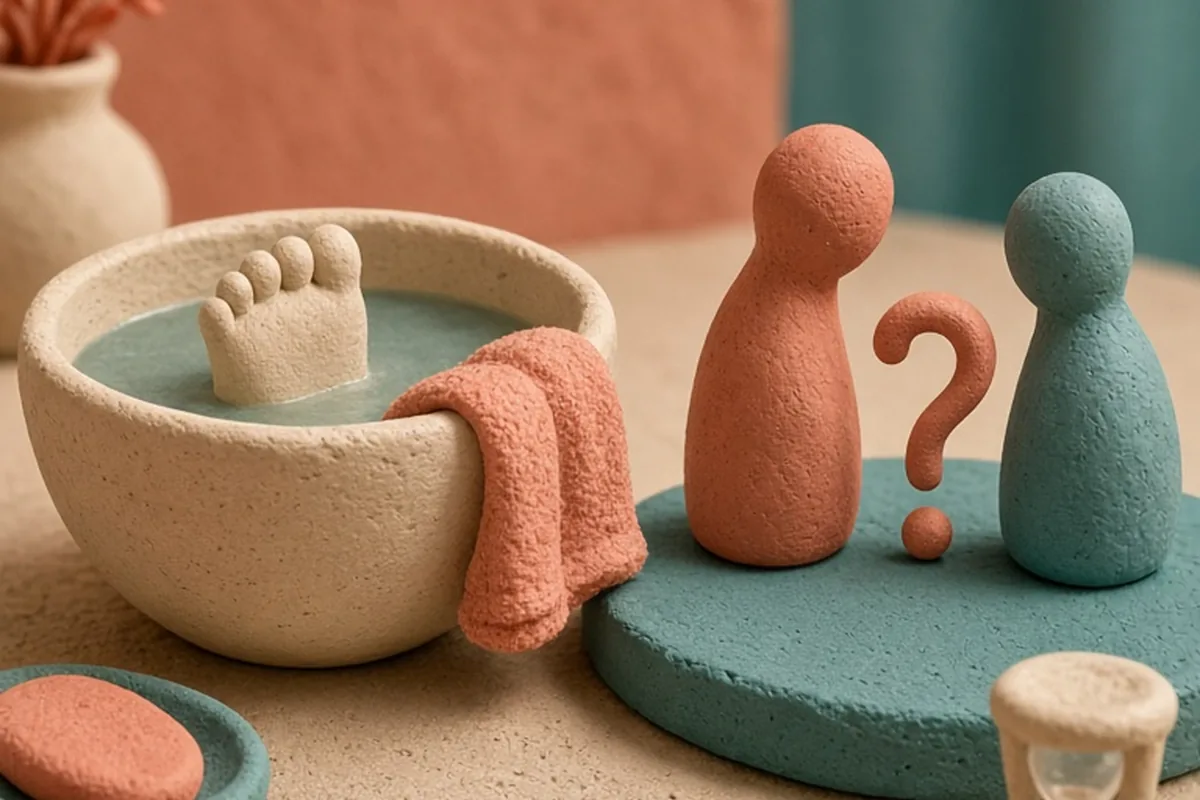
A mini pedicure is an abbreviated nail treatment focused strictly on the essentials: trimming, shaping, light cuticle care, and applying fresh polish. Unlike a full spa pedicure, it skips extensive soaking, deep heel callus removal, scrubs, and lengthy massages. It typically takes twenty to thirty minutes, making it a faster, budget-friendly option for routine maintenance between full salon visits.
When your schedule is packed or your toes only need a quick touch-up, booking an hour-long salon treatment can feel unnecessary. A mini pedicure offers a practical middle ground, keeping your nails neat, healthy-looking, and polished without the extended time commitment or higher price tag of a full service.
Core Steps Included in a Standard Mini Pedicure
A mini pedicure strips the traditional salon pedicure down to its functional core. The appointment typically begins with the removal of any old nail polish, followed by a quick sanitizing spray or a brief warm foot rinse. The nail technician then clips your toenails to an appropriate length and files the edges straight across to encourage healthy growth and prevent ingrown corners. After shaping, the technician uses a buffing block to smooth out ridges on the surface of the nail plate, preparing a clean base for polish.
Cuticle work in a mini service is usually minimal and gentle. Rather than soaking the feet for ten to fifteen minutes to soften deep cuticles, the technician applies a drop of cuticle softener and lightly pushes back the proximal nail fold, trimming only loose hangnails if strictly necessary. Once the nails are shaped and prepped, the technician wipes the nail surface clean to remove residual oils and applies a base coat, two thin layers of color polish, and a protective top coat. The entire sequence is designed to be streamlined, sanitary, and focused entirely from the ankle down to the tips of the toes.
Mini Pedicure vs. Full Pedicure: Key Differences
The primary distinction between a mini pedicure and a full or spa pedicure lies in the skin treatments and relaxation elements. A full pedicure allocates significant time to soaking, exfoliating rough skin, treating heavy heel calluses with rasps or chemical softening agents, applying moisturizing masks with hot towels, and delivering an extended foot and calf massage. These extra steps focus heavily on skin rehabilitation and tension relief.
In contrast, a mini pedicure largely bypasses the skin of the heels and lower legs. You will generally not receive callus shaving, sugar scrubs, paraffin wax dips, or prolonged massage sessions. For example, if you visit the salon with thick calluses accumulated from months of marathon training, a mini pedicure will leave those calluses largely untouched because the technician only has time to address the toenails themselves. Understanding this distinction prevents disappointment and ensures you book the service that matches your physical foot care needs.
When a Mini Pedicure Is the Practical Choice
A mini pedicure is ideal when your primary goal is cosmetic maintenance on short notice. If you have an upcoming event, such as a wedding or beach weekend, and your heels are already in good condition but your toenail polish is chipped or out of season, a mini service provides a fresh look in under half an hour. It is also an excellent routine option for individuals who maintain smooth heels at home with daily moisturizing and foot files, needing only professional assistance for clean polish lines and precise nail shaping.
Budget and time constraints also make the mini pedicure an appealing routine choice. Because it takes roughly twenty to thirty minutes and costs significantly less than a deluxe treatment, it fits easily into a lunch break or a tight monthly grooming budget. Many salon regulars use mini pedicures as an alternating service, scheduling a full spa pedicure once every six to eight weeks for deep foot care, while booking mini pedicures every two to three weeks to keep polish fresh and nails neatly trimmed.
When You Should Upgrade to a Full Pedicure
While convenient, mini pedicures have clear limitations and are not suitable for every foot condition. If you are dealing with severely dry, cracked heels, thick seasonal calluses, or significant dead skin buildup, a mini pedicure will not solve the underlying issue. The short appointment window does not allow the technician enough time to safely soften, exfoliate, and hydrate stubborn skin without rushing or risking irritation.
Similarly, if your goal is stress relief, muscle relaxation, or total pampering, the fast-paced nature of an express service will fall short. Upgrading to a classic or spa pedicure provides the soaking time required to relieve tired feet, along with the deep hydration treatments that restore dry skin. Choosing a full pedicure is also wiser if your toenails have grown excessively long or misshapen, as correcting difficult nail shapes requires deliberate, unhurried attention.
Pricing, Timing, and Salon Expectations
Pricing for a mini pedicure varies by location and salon tier, but it typically costs between twenty and thirty-five dollars, compared to forty to seventy dollars or more for a standard or luxury pedicure. The appointment duration generally spans twenty to thirty minutes from the moment you sit in the chair to the final application of quick-dry drops. If you choose to upgrade from standard lacquer to gel polish, expect an additional ten to fifteen dollars on the bill and approximately ten extra minutes for curing under the LED lamp.
When arriving for a mini service, clear communication with your nail technician is helpful. Let them know right away whether you prefer a dry service or a quick rinse, and state your preferred nail shape, such as square with rounded edges. If you have any sensitive areas, minor cuts, or mild skin sensitivities, mention them before work begins so the technician can adjust their tools and pressure accordingly.
How to Perform a Quick Mini Pedicure at Home
You can easily replicate a mini pedicure at home with a few essential tools: nail clippers, an emery board, a buffing block, a cuticle pusher, rubbing alcohol or nail cleanser, and your favorite polish. Start by wiping away old color using an acetone or non-acetone remover. Clip your nails straight across, leaving a sliver of white free edge to protect the nail bed, and file gently in one direction to smooth the corners without rounding them too deeply into the sidewalls.
Next, massage a small amount of cuticle oil or lotion into the base of each nail, then use a wooden or rubber cuticle pusher to gently nudge back any overgrown skin. Avoid cutting live cuticle tissue at home, as this creates an entry point for bacteria. Finish by wiping the nail surface clean with rubbing alcohol to remove residual oils, which allows the polish to adhere properly. Apply one base coat, two thin layers of color, and a high-shine top coat, allowing each layer two minutes to set for a clean, salon-style finish.
Frequently asked questions
How long does a mini pedicure usually last?
A mini pedicure typically lasts between two and three weeks with regular nail polish, depending on your footwear, activity level, and daily moisture routine. If you choose gel polish, the results can last up to four weeks without chipping, though natural toenail growth will eventually require maintenance.
Can I get gel polish with a mini pedicure?
Yes, most salons allow you to add gel polish to a mini pedicure for an additional fee. Because gel cures instantly under an LED light, it is a popular choice for quick appointments since you can put closed-toe shoes on immediately without smudging.
Is callus removal included in a mini pedicure?
Callus removal is generally not included in a mini pedicure due to time constraints. Technicians focus strictly on nail shaping, minor cuticle neatening, and polish; if you require thorough callus treatment or heel rasping, a full pedicure is the recommended option.
How often should you schedule a mini pedicure?
Scheduling a mini pedicure every two to three weeks is an effective way to keep nail length manageable and polish fresh. Many people alternate a mini pedicure with a full spa pedicure every other visit to balance routine grooming with deeper skin care.
Your next step
Before booking your next appointment, examine your feet: choose a mini pedicure if your heels are smooth and you only need fresh shape and color, or opt for a full treatment if your skin requires deep exfoliation and moisture.