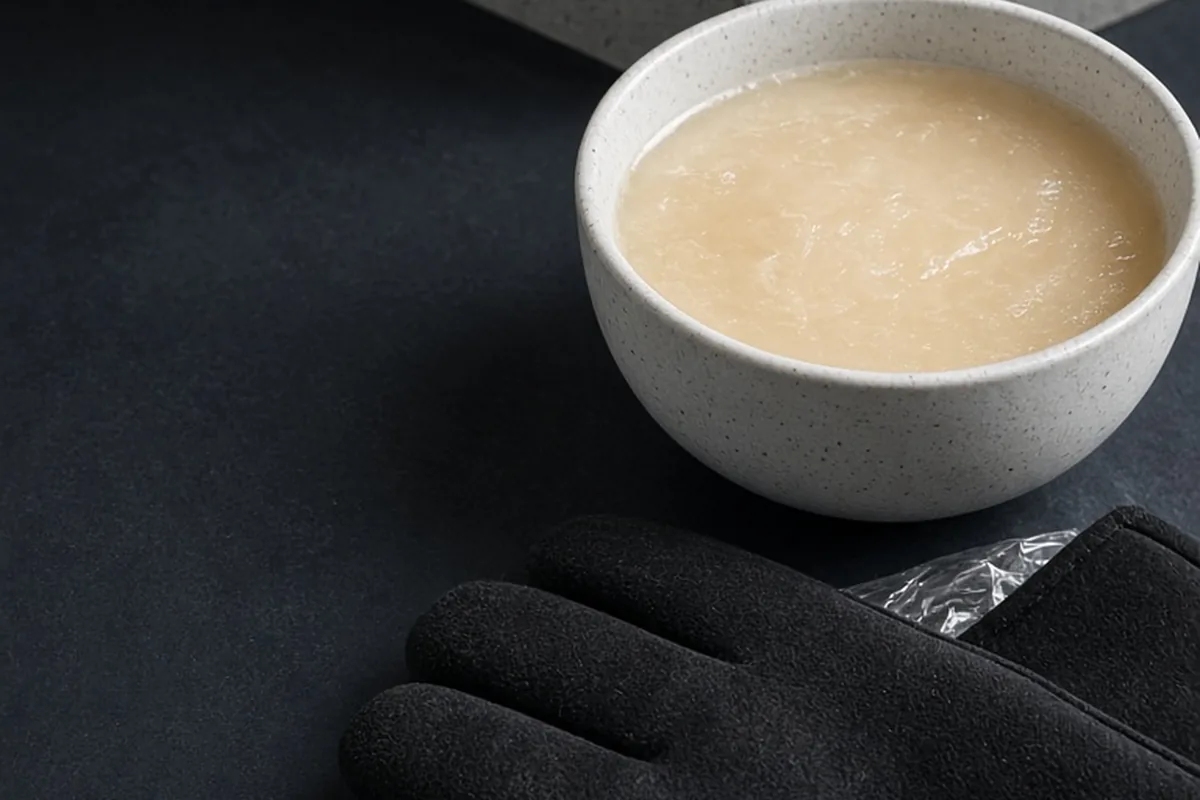
A paraffin manicure is a specialized hand treatment that pairs standard nail grooming with warm, melted paraffin wax. After your nails and cuticles are shaped and cleaned, your hands are submerged into heated cosmetic wax, wrapped in plastic liners and thermal mitts, and left to rest. The wax locks in moisture, softens dry skin, and provides soothing warmth.
Cold weather, frequent hand washing, and daily chores can strip your hands of natural oils, leaving cuticles cracked and palms rough. While standard lotions offer brief surface relief, a paraffin manicure adds an intensive layer of thermal hydration to restore long-lasting softness.
How the Paraffin Wax Process Works Step-by-Step
A typical paraffin manicure begins with standard nail preparation before any wax touches your skin. The technician trims, files, and shapes your nails, gently pushes back your cuticles, and cleanses the nail plate. Next, they apply a rich moisturizing cream, rich body butter, or botanical oil to your hands and wrists. This initial emollient layer is crucial because the paraffin wax itself does not create moisture; rather, it acts as a sealant that drives the lotion deep into your skin.
Once your hands are prepped and lotioned, the dipping stage begins. You will slowly submerge your hand into a basin of melted, low-temperature paraffin wax, keeping your fingers slightly separated so the wax coats every surface evenly. You lift your hand out for a few seconds to let the layer solidify, then dip it again three to five times. This repetitive dipping builds a thick, warm wax glove around your entire hand up to the wrist.
After the final dip, the technician slides your hands into clear plastic protective bags and inserts them into heated, insulated terrycloth mitts. You relax with the mitts on for ten to fifteen minutes while the heat opens your pores and softens calluses. Finally, the technician slides the mitts off, peels the wax away in clean, gentle sections, and massages any remaining lotion into your skin. If you requested polish, they wipe your nail beds with rubbing alcohol to remove residual oils so the lacquer adheres properly.
Primary Skin and Muscle Benefits of Heated Paraffin
The primary cosmetic benefit of a paraffin manicure is deep, occlusive hydration. Paraffin is a mineral-based wax with a low melting point that forms a waterproof barrier over the skin. When trapped beneath this barrier, natural perspiration cannot evaporate, which forces moisture back into the outer layers of the epidermis. Dry, flaking patches on the knuckles, palms, and cuticles soften significantly, leaving your hands smoother and visibly refreshed for days.
Beyond cosmetic improvements, the sustained heat provides physical comfort for tired hands. The gentle thermal energy increases local blood circulation, which helps soothe minor stiffness in finger joints and relaxes tight muscles in the palms. People who spend hours typing, working with their hands, or coping with morning hand stiffness often find the warmth deeply calming and rejuvenating.
Paraffin treatments also make cuticle care much safer and gentler. Thick, stubborn cuticles and rough hangnails become pliable under the heat and moisture, allowing your technician to tidy the nail perimeter without aggressive scraping or cutting. This reduces the likelihood of accidental nicks or irritation around delicate nail folds.
How Paraffin Manicures Compare to Other Nail Services
Understanding how paraffin fits into a salon menu helps you decide whether it meets your current nail goals. A basic standard manicure focuses on fundamental hygiene: trimming, shaping, light massage, and traditional polish. Adding paraffin turns that basic grooming session into an intensive conditioning treatment, making it ideal if your skin feels tight, chapped, or weathered.
When compared to gel or dip powder manicures, the application sequence requires careful planning. Gel polish requires a completely dry, oil-free surface to cure properly under UV light. If you want both services, skilled technicians will either apply and fully cure your gel polish first before doing the paraffin dip, or they will thoroughly dehydrate the nail beds with alcohol after wax removal. Skipping this step can cause gel polish to lift within days.
Paraffin also differs fundamentally from exfoliating scrub treatments. While sugar or salt scrubs rely on physical friction to slough away dead skin cells, paraffin uses heat and occlusion to soften and rehydrate the skin barrier. Many luxury spa packages combine both methods by using a gentle scrub first, applying a hydrating cream second, and finishing with a paraffin dip to seal in the nourishment.
Safety Precautions and When to Avoid Paraffin Wax
While paraffin manicures are generally safe and relaxing, they are not suitable for everyone. You should avoid paraffin dips if you have open cuts, scratches, active rashes, burns, or warts on your hands. Submerging compromised skin into warm wax can irritate the wound, trap bacteria, or cause burning sensations.
People with specific medical conditions should also exercise caution. If you have diabetic neuropathy, peripheral vascular disease, or reduced thermal sensitivity in your extremities, you may not accurately sense if the wax is too hot, creating an accidental burn risk. In these circumstances, standard room-temperature hydrating masks are a safer alternative.
Hygiene is another key factor to consider when booking at a salon. Reputable salons maintain strict sanitation by either using single-use plastic gloves pre-filled with warm wax or applying melted wax using disposable brushes. If a salon asks multiple clients to dip their hands directly into the same communal wax tank without pre-sanitizing, bacteria or fungus can spread. Always ask the salon staff about their hygiene protocol before dipping.
How to Do a Safe Paraffin Treatment at Home
You can replicate the salon paraffin experience at home by investing in a dedicated cosmetic paraffin bath. These warmers are designed to melt wax beads and hold them at a safe, stable temperature between 120 and 130 degrees Fahrenheit. Never attempt to melt paraffin wax in a microwave or directly on a stovetop, as uneven heating can easily cause severe burns or ignite the wax.
To perform the treatment at home, wash and dry your hands thoroughly, then smooth on a generous layer of heavy hand cream or pure jojoba oil. Test a tiny drop of the melted wax on the inside of your wrist to ensure it feels comfortably warm rather than uncomfortably hot. Dip your hand three to four times, slip it into a plastic food storage bag or wax liner, and wrap your hand in a warm, dry towel.
After relaxing for fifteen minutes, gently slide the wax off into a trash bin. To maintain hygiene, dispose of the used wax rather than tossing it back into the melting basin, especially if family members share the warmer. Follow up with a light dab of cuticle oil to seal the nail borders.
Post-Treatment Care to Make Your Results Last
The softening effects of a paraffin manicure typically last between one and two weeks, depending on your daily routine and environmental exposure. To extend that supple feeling, protect your hands from harsh chemicals and frequent water immersion. Wear lined rubber gloves whenever you wash dishes, clean countertops, or work with household detergents that strip moisture.
Incorporate daily maintenance habits to support the newly conditioned skin barrier. Keep a small bottle of cuticle oil at your desk or bedside table and apply a drop to each nail bed once a day. Layering an ointment-based hand cream over damp hands before bed helps preserve the softness achieved during your salon visit.
Pay attention to how your skin responds across different seasons. In dry winter months, booking a paraffin session every two to three weeks can prevent painful knuckles and bleeding cuticles. During humid summer months, you might only need a treatment once a month or whenever your hands feel fatigued from outdoor activities.
Cost, Scheduling, and What to Expect at the Salon
In most nail salons and spas, a paraffin manicure is offered either as a standalone add-on or as part of a deluxe spa package. As a standalone add-on to a standard manicure, the service generally costs between $10 and $25 extra. Full luxury packages that include extended hand massages, scrubs, and paraffin can range from $40 to $75 depending on your location and the venue.
Adding paraffin to your appointment increases your total salon visit by roughly fifteen to twenty-five minutes. Because the service leaves your skin deeply coated in rich emollients, plan your visit so you do not need to rush out the door immediately with wet, traditional nail polish. Opting for gel polish or leaving your natural nails bare with a buffed shine can save you drying time and prevent smudges.
Frequently asked questions
Can you apply nail polish after a paraffin manicure?
Yes, you can apply regular polish or gel after a paraffin treatment, but your technician must thoroughly cleanse your nail plates with rubbing alcohol or acetone first. Removing the oily wax film ensures the base coat binds properly to the nail without peeling early.
How long do the results of a paraffin manicure last?
The intense moisturizing and skin-softening benefits usually last for one to two weeks. Wearing protective gloves during household cleaning and applying daily hand lotion will help prolong the smooth results.
Is paraffin wax hygienic when applied in a salon?
Paraffin is hygienic when salons follow proper safety protocols, such as using single-use lined gloves, brushing wax onto the skin with disposable tools, or requiring clients to sanitize thoroughly before dipping. Avoid salons that reuse peeled wax or neglect pre-cleansing steps.
Does a paraffin manicure help relieve arthritis pain?
The soothing, sustained warmth of melted paraffin wax can temporarily relax stiff finger joints, ease mild muscle tension, and increase localized circulation. However, it is a supportive wellness comfort rather than a medical cure for joint conditions.
Your next step
Contact your favorite nail salon to ask about their paraffin application methods, and schedule a session as a standalone hydration boost or an add-on to your next manicure.