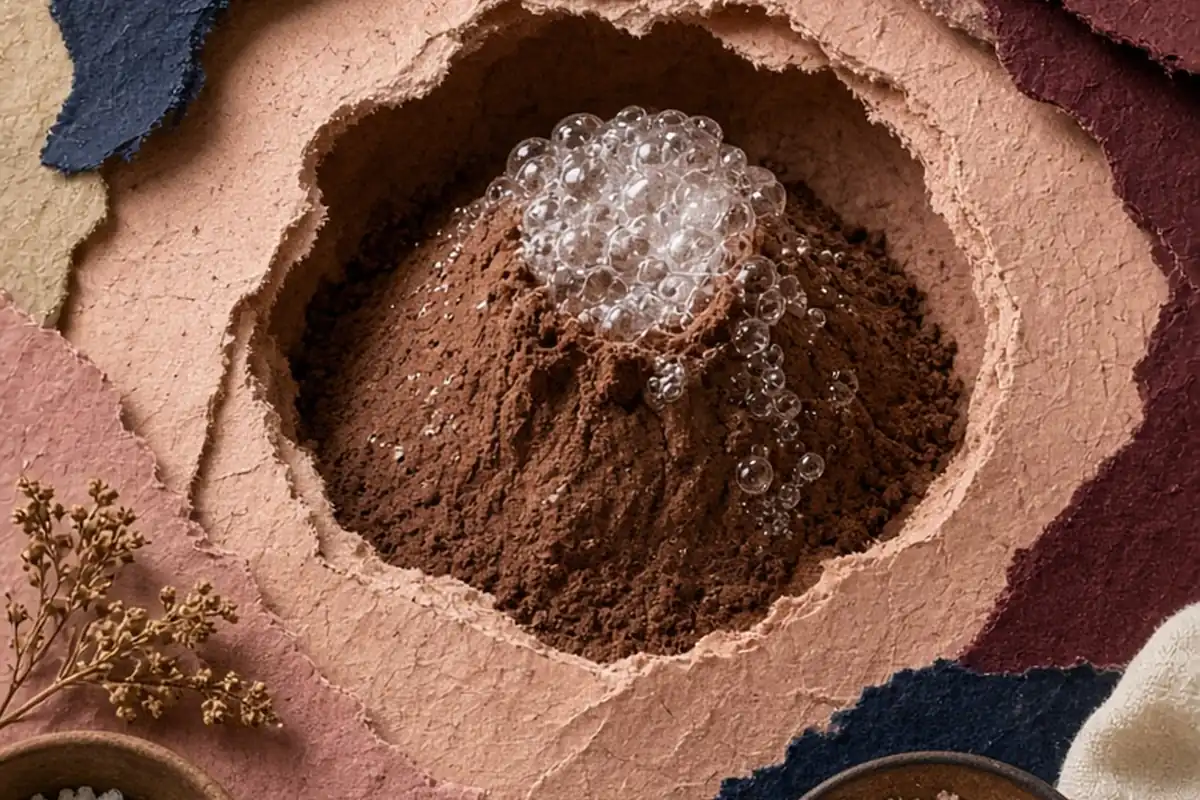
A volcano pedicure is a luxury spa treatment that uses effervescent ingredients to create an active, bubbling foot soak. The service pairs raw materials like sodium bicarbonate and citric acid with moisturizing collagen, exfoliating scrubs, clay masks, and massage lotions. It softens stubborn calluses, deeply hydrates rough skin, and delivers a relaxing sensory experience that goes well beyond standard nail maintenance.
If you have noticed a bubbling, multi-step upgrade on your local salon menu, you are likely looking at a volcano pedicure. This specialty treatment has gained steady popularity for turning routine toenail grooming into a deeply relaxing, tactile foot care ritual.
The Core Concept: How the Effervescent Reaction Works
At the heart of every volcano pedicure is a controlled chemical reaction designed to provide gentle warmth, aromatic fizz, and deep softening. The technician begins by adding detoxifying crystals formulated with minerals and sodium bicarbonate into warm basin water. Next, an activating solution containing citric acid is poured directly over the crystals. When these two components meet, they immediately produce carbon dioxide gas, generating thick, foaming bubbles that envelop your lower legs and feet.
This bubbling action does more than create an engaging visual display. The carbonated effervescence helps loosen dead skin cells, clear away surface impurities, and gently stimulate circulation in tired feet. The warmth of the water combined with the bubbling sensation relaxes tense muscles around the arches and ankles, preparing the skin so that subsequent exfoliating scrubs and rich moisturizers can penetrate much more effectively than they would during a basic basin soak.
While the eruption phase is the defining feature, the quality of the treatment relies heavily on the full sequence of products that follow. The foaming soak serves as the foundational prep step, transforming dry, hardened calluses into softened tissue that technicians can safely smooth without abrasive pulling or excessive scraping.
Step-by-Step Breakdown of the Full Salon Experience
A complete volcano pedicure follows an intentional five-step or six-step protocol that elevates it above standard nail appointments. After your technician trims, shapes, and preps your toenails and cuticles, the treatment transitions into the signature multi-phase sequence packaged in pre-measured, single-use packets to ensure ingredient freshness and proper hygiene.
The service moves systematically through cleansing, resurfacing, nourishment, and deep moisture to restore tired feet from heel to toe.
- Volcano Crystals and Activator: Poured into warm water to trigger the fizzing, aromatic soak that softens hard skin and relieves tension.
- Exfoliating Sugar Scrub: Massaged into the feet and lower calves to buff away flaky, dead skin cells and promote cellular turnover.
- Collagen Mud Mask: Applied evenly over the lower legs and wrapped in warm steamed towels to draw out impurities and infuse hydration.
- Collagen Massage Lotion: Worked into the muscles through an extended massage that locks in moisture and improves skin elasticity.
- Finishing Polish or Buff: Cleansed nail beds receive a protective base coat, two coats of regular or gel polish, and a glossy topcoat.
Key Ingredients and How They Support Foot Health
The formulation of volcano pedicure systems generally focuses on combining physical exfoliants with humectants and plant-derived emollients. Pure sugar granules serve as the primary scrub medium, offering a gentler, more uniform texture than crushed walnut shells or pumice powders, which can cause micro-tears on sensitive skin. As the sugar dissolves under warm water, it provides natural humectant properties, drawing ambient moisture into the newly exposed layers of the epidermis.
The mask and lotion phases rely heavily on hydrolyzed collagen, organic botanical extracts, and nourishing oils such as jojoba, olive, or argan oil. Collagen proteins work to reinforce skin moisture barriers, helping cracked heels maintain flexibility and resist further splitting. Many formulations also incorporate essential oils like lavender, peppermint, or tea tree, which deliver calming aromatherapy benefits alongside mild natural antimicrobial support.
It is worth noting that while these ingredients provide immediate textural improvements, their effects are superficial and cosmetic. The treatment will leave skin feeling supple and renewed for several days, but ongoing home hydration is necessary to preserve those results over the long term.
Comparing Volcano Pedicures to Standard and Classic Spa Services
Understanding where the volcano pedicure fits within salon menus helps you choose the right service for your budget and schedule. A standard or express pedicure focuses strictly on grooming essentials: soaking in plain soapy water, clipping and filing nails, managing cuticles, a brief lotion application, and nail polish. It is practical, fast, and economical, but offers limited skin restoration.
A traditional spa pedicure adds physical exfoliation, a standard foot mask, and a slightly longer massage, often using bulk salon products dispensed from pump bottles. In contrast, a volcano pedicure utilizes sealed, single-use product kits that guarantee consistent ingredient concentrations and higher hygiene standards. The active bubbling soak, heated towel wrap, and collagen-heavy massage lotion create a noticeably more luxurious and restorative experience than basic spa packages.
The primary trade-off comes down to cost and time. If you only need quick maintenance before an event, a standard pedicure is more efficient. If your heels are severely dry or you want a therapeutic wellness experience, the volcano upgrade offers superior sensory and skin-softening value.
Typical Costs, Appointment Length, and Salon Expectations
In most metropolitan and suburban nail salons across the United States, a volcano pedicure ranges in price from fifty-five to ninety-five dollars, depending on the salon tier, geographic location, and whether you add gel polish. High-end resort spas may charge one hundred dollars or more. By comparison, basic pedicures typically run between thirty and forty-five dollars, making the volcano option a mid-to-high-tier indulgence.
You should plan to spend between fifty and seventy-five minutes in the salon chair. The extra time accounts for the multi-stage soaking process, thorough physical exfoliation, mask setting time under warm towels, and an extended lower leg massage. Technicians frequently offer a menu of scent profiles for the kit, such as lavender, green tea, tropical citrus, or honey pearl, allowing you to customize your aromatic experience.
When booking, confirm what is included in the base price. Some salons bundle callus elimination treatments and extended massage time into their volcano package, while others treat high-grade callus smoothing or gel polish removal as separate add-on fees.
Who Benefits Most and Important Safety Precautions
Volcano pedicures are especially beneficial for people with rough, calloused heels, athletes dealing with tight calf muscles, or anyone seeking structured stress relief. The combination of thermal therapy from warm towels, targeted massage techniques, and intensive emollients softens thick skin while reducing general foot fatigue.
However, certain individuals should approach the service with caution. If you have active skin infections, open cuts, fungal issues, or deep heel fissures that bleed, you should avoid effervescent foot baths and intense scrubs until the skin heals completely. The active citric acid and fragrance oils in the formula can cause stinging or irritation on broken skin.
People with diabetes, neuropathy, or significant circulatory conditions should consult their healthcare provider before scheduling treatments with heavy heat wraps or vigorous massage. It is also wise to ask your technician to skip aggressive cuticle cutting or razor-style callus shaving to protect your skin barrier.
How to Recreate a Volcano Pedicure at Home
If you prefer at-home self-care or want to maintain salon results between professional appointments, you can recreate the volcano pedicure experience in your own bathroom. Many beauty supply retailers and online shops sell individual volcano pedicure kit packets identical to those used in salons, containing pre-measured packets for each step of the process.
To set up your home treatment, fill a wide basin or foot spa with warm water and prepare a pair of hand towels soaked in hot water and wrung out. Pour in the detox crystals, submerge your feet, and add the activating liquid to initiate the bubbling reaction. Soak for ten to fifteen minutes, then apply the sugar scrub in circular motions around your heels, balls of your feet, and calves.
Rinse off the scrub, smooth the clay mask over your skin, and wrap your lower legs in the prepared warm towels for seven to ten minutes. Finish by rinsing the mask, drying your skin thoroughly, and massaging the collagen lotion into your feet. Apply your favorite polish after wiping down the nail beds with rubbing alcohol to remove residual oils.
Frequently asked questions
How long do the smoothing results of a volcano pedicure last?
The skin-softening benefits usually last between one and two weeks, depending on your lifestyle, footwear, and daily moisturizing habits. Applying a rich foot cream every night after showering helps maintain that salon-smooth finish.
Does a volcano pedicure hurt or burn during the bubbling phase?
No, the bubbling reaction produces a gentle, fizzy warmth and a tickling sensation rather than pain or heat. If you have unhealed cuts or raw blisters, however, the citric acid components may cause mild stinging.
Can I get a volcano pedicure if I am pregnant?
Generally, yes, as long as the water temperature is kept comfortably warm rather than excessively hot. Inform your technician so they avoid intense acupressure around the ankles and verify that the scented oils used are gentle.
Are the packets used in volcano pedicures sanitary?
Yes, standard volcano pedicure systems come in single-use, factory-sealed packets designed for one client each. This packaging eliminates contamination risks from shared product jars and guarantees fresh ingredients for every service.
Your next step
Before your next salon visit, assess your feet's current hydration needs and ask your nail technician if their volcano pedicure includes callus smoothing and single-use sealed kits.