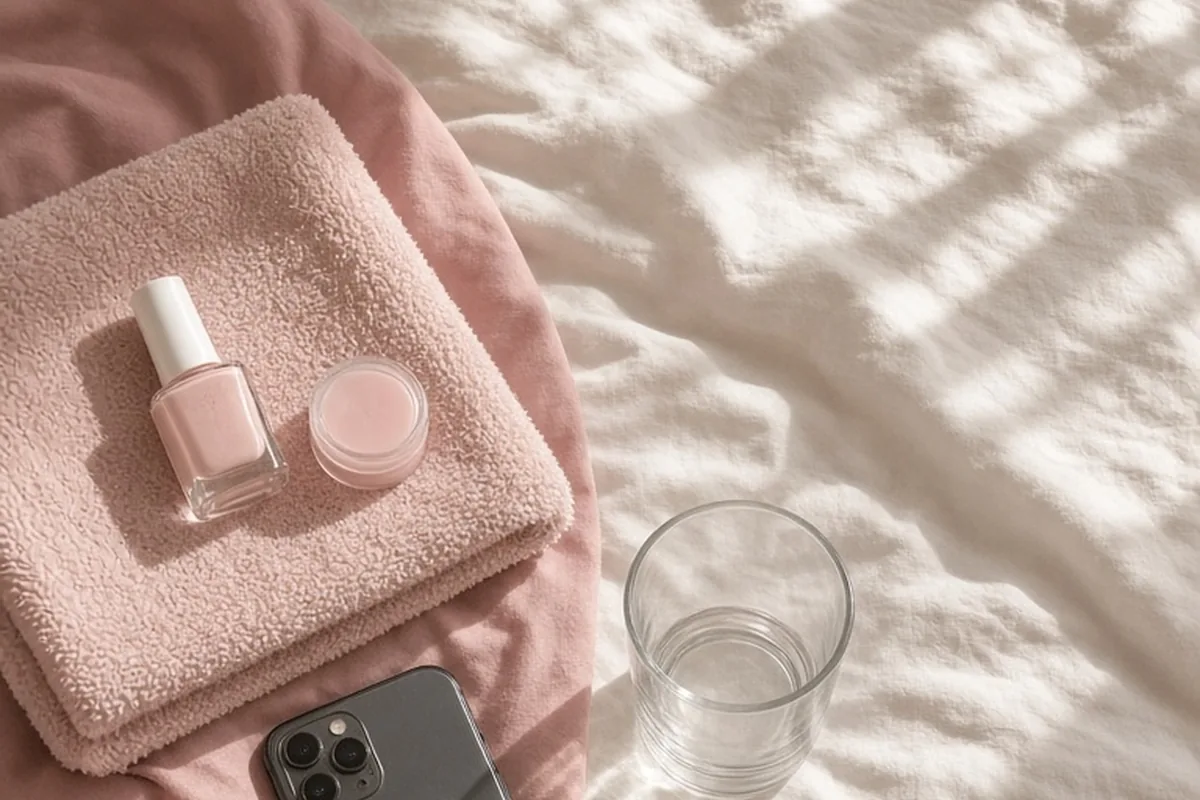
A manicure is a cosmetic grooming treatment for the hands and fingernails, while a pedicure is the equivalent treatment for the feet and toenails. Both services typically involve trimming, shaping, cuticle care, light exfoliation, skin hydration, and optional nail polish application. They promote personal hygiene, maintain nail neatness, and provide cosmetic enhancement through standard salon or at-home routines.
While frequently regarded as occasional salon indulgences, manicures and pedicures serve as foundational self-care rituals that support daily hand and foot comfort, skin hydration, and nail cleanliness.
Understanding the Standard Steps in a Manicure
A standard manicure focuses on cleansing, grooming, and refining the appearance of the hands and fingernails. The process begins with removing any existing polish, followed by soaking the fingertips in warm, soapy water to soften the skin and nail plates. A nail technician or home groomer then clips the nails to an even length and uses a nail file to smooth the edges into a chosen shape, such as oval, square, almond, or squoval. Shaping helps prevent snags and split edges that can tear further down the nail bed during daily tasks.
After shaping, cuticle care takes place. Cuticles are the thin layer of clear skin along the bottom edge of your fingers that acts as a protective barrier against bacteria. Rather than cutting this live tissue aggressively, best practices involve applying a cuticle softener and gently pushing the dead cuticle tissue back with a flat wooden or metal pusher. Technicians then lightly buff the nail surface, apply an exfoliating scrub or moisturizing lotion to the hands, and perform a brief hand and forearm massage to boost circulation and relieve muscle tension.
The final phase of a traditional manicure prepares the nail plate for finishing. The technician removes residual oils or lotion from the nail surface using a clean alcohol wipe, ensuring that base coats adhere properly. Clients can choose a natural buffed finish, clear strengthening treatment, or a multi-layered polish application consisting of a base coat, two thin color coats, and a protective top coat to seal the color and add shine.
Understanding the Standard Steps in a Pedicure
A pedicure is a comprehensive grooming treatment designed specifically for the feet, ankles, and toenails. The appointment starts with an extended foot soak in a warm, swirling basin infused with bath salts or softening oils. This soak relaxes tired foot muscles, washes away daily dirt and sweat, and prepares thick calluses and tough toenails for safe shaping and smoothing.
Once the feet are thoroughly softened and towel-dried, the technician clips the toenails straight across. Clipping toenails straight across, rather than rounding the deep corners, helps prevent the edges of the nail from growing inward into the surrounding skin fold. The edges are then lightly filed smooth. The technician applies cuticle remover to the toenail base, gently pushes back excess cuticle build-up, and uses a pumice stone or specialized foot file to gently slough away rough, dead skin along the heels and balls of the feet.
Foot exfoliation is often followed by a stimulating foot scrub and a deep lower-leg and foot massage using rich emollient creams. This step restores lost moisture to thick plantar skin that frequently suffers from dryness, friction, and cracking. Before applying polish, toe separators are inserted to keep toes apart, the nails are cleansed of excess oils, and base coat, pigment, and top coat are applied to complete the clean look.
Popular Types of Manicures and Pedicures
Salons offer a wide variety of nail services that cater to different durability needs, aesthetic preferences, and budget levels. Choosing the right option depends largely on your lifestyle, how frequently you use your hands for manual tasks, and how long you want your polish to last without chipping.
Understanding how common treatments differ can help you select the most suitable service for your routine:
- Classic (Standard) Service: Uses traditional air-dry lacquer. It is gentle on natural nails, easy to remove at home with standard polish remover, and ideal for quick touch-ups or low-commitment color choices.
- Gel or Shellac Service: Utilizes a specialized gel polish cured under an LED or UV light. It hardens immediately, provides a glossy, chip-resistant finish lasting up to two or three weeks, but requires soaking in pure acetone for removal.
- Dip Powder Service: Involves brushing a bonding agent onto the nail and dipping the finger into finely ground colored acrylic powder, followed by an activator seal. It offers a thick, highly durable layer that lasts three to four weeks.
- Acrylic Extensions: Uses a mixture of liquid monomer and powder polymer sculpted over natural nails or synthetic tips. It is primarily used to add significant length and structural strength to short or weak nails.
- Spa or Paraffin Service: An upgraded classic treatment that includes extended massages, hydrating masks, warm towel wraps, or warm paraffin wax dips to deeply moisturize dry, cracked hands or feet.
Hygiene and Wellness Benefits of Regular Hand and Foot Care
Beyond the cosmetic appeal of shiny, neatly painted nails, regular hand and foot care provides tangible hygiene and wellness benefits. Daily exposure to dirt, household cleaners, weather shifts, and friction from tight shoes places continuous stress on hands and feet. Periodic trimming and filing eliminate jagged edges that can harbor grime or catch on fabrics, while regular cleansing helps remove built-up debris from under the free edge of the nail.
Consistent moisturizing and gentle exfoliation during manicures and pedicures keep the skin barrier supple and intact. When skin around the heels or fingertips becomes overly dry, it can develop painful fissures and micro-tears that irritate easily. Massaging the hands, calves, and feet during these treatments also temporarily eases stiffness in joint areas and promotes localized blood flow, which is particularly beneficial for individuals who stand for long hours or spend their days typing.
Essential Hygiene and Safety Standards to Check at a Salon
Maintaining rigorous sanitary standards is critical when receiving professional nail services. Because nail tools come into contact with skin and nails across many clients, reputable salons follow strict disinfection protocols. Look for salons that sterilize metal instruments, such as clippers, cuticle pushers, and nippers, using a medical-grade autoclave, or that open individually sealed, sanitized pouches in front of you prior to starting your service.
Single-use items like wooden orange sticks, pumice sponges, toe separators, and sandpaper emery boards should be discarded after every client, as porous materials cannot be fully sanitized between uses. For pedicures, pipe-free foot baths or basins equipped with disposable single-use plastic liners offer the highest level of cleanliness. Furthermore, technicians should never use sharp razor blades (such as Credo blades) to cut off thick calluses, nor should they aggressively clip living skin around your cuticles, as removing live skin increases irritation risks.
Comparing Professional Salon Visits with At-Home Care
Deciding between visiting a professional salon and performing your own manicure or pedicure at home comes down to balancing cost, time, skill, and personal pampering. A salon appointment provides a relaxing environment, expert cuticle handling, professional shaping, and access to advanced formulas like hard gels and dip powders that can be challenging to apply neatly on yourself.
Conversely, maintaining an at-home nail care routine gives you complete control over your schedule and product ingredients while saving money over time. With a basic kit containing a stainless steel clipper, a high-grit glass file, a wooden cuticle pusher, a gentle foot rasp, cuticle oil, and a rich moisturizer, you can easily replicate the fundamental grooming steps of a classic salon treatment. For many people, a hybrid approach works best: scheduling an occasional salon visit for thorough seasonal maintenance while handling routine weekly clipping and moisturizing at home.
How to Maintain Your Manicure and Pedicure Results
To extend the longevity of your manicure and keep your hands and feet looking polished between appointments, daily aftercare is essential. Water and harsh household chemicals are the primary culprits behind premature polish chipping and nail peeling. Wearing protective rubber gloves while washing dishes, gardening, or cleaning with detergents protects your nail beds from absorbing excess water, which expands and contracts the nail plate and loosens polish adhesion.
Applying a drop of nourishing cuticle oil containing jojoba, almond, or vitamin E oil to each nail daily keeps the cuticle flexible and prevents dry hangnails from forming. For feet, applying a thick urea- or shea butter-based foot cream before bed and putting on clean cotton socks locks in moisture, preventing rough calluses from returning quickly. Avoid using your fingernails as tools to pry open cans or scratch labels, as this direct pressure easily leads to cracked tips and chipped edges.
Frequently asked questions
How often should you get a manicure or pedicure?
Most people find that scheduling a manicure every two to three weeks keeps fingernails neat, shaped, and properly moisturized. Pedicures typically last longer because toenails grow more slowly, making an interval of four to six weeks sufficient for foot grooming.
Can men get manicures and pedicures?
Yes, manicures and pedicures are basic personal hygiene services suitable for anyone regardless of gender. Many clients choose natural grooming sessions that focus solely on nail clipping, cuticle cleaning, callus smoothing, and hand or foot hydration without applying colored polish.
Does getting a manicure or pedicure hurt?
A standard manicure or pedicure should be a comfortable, painless experience. If you ever feel pinching, burning during light curing, or pain during cuticle care and callus buffing, inform your technician immediately so they can adjust their technique.
Your next step
Assess your current hand and foot grooming routine today, assemble a basic home maintenance kit with a gentle file and cuticle oil, and choose a clean, reputable salon if you prefer a full professional treatment.