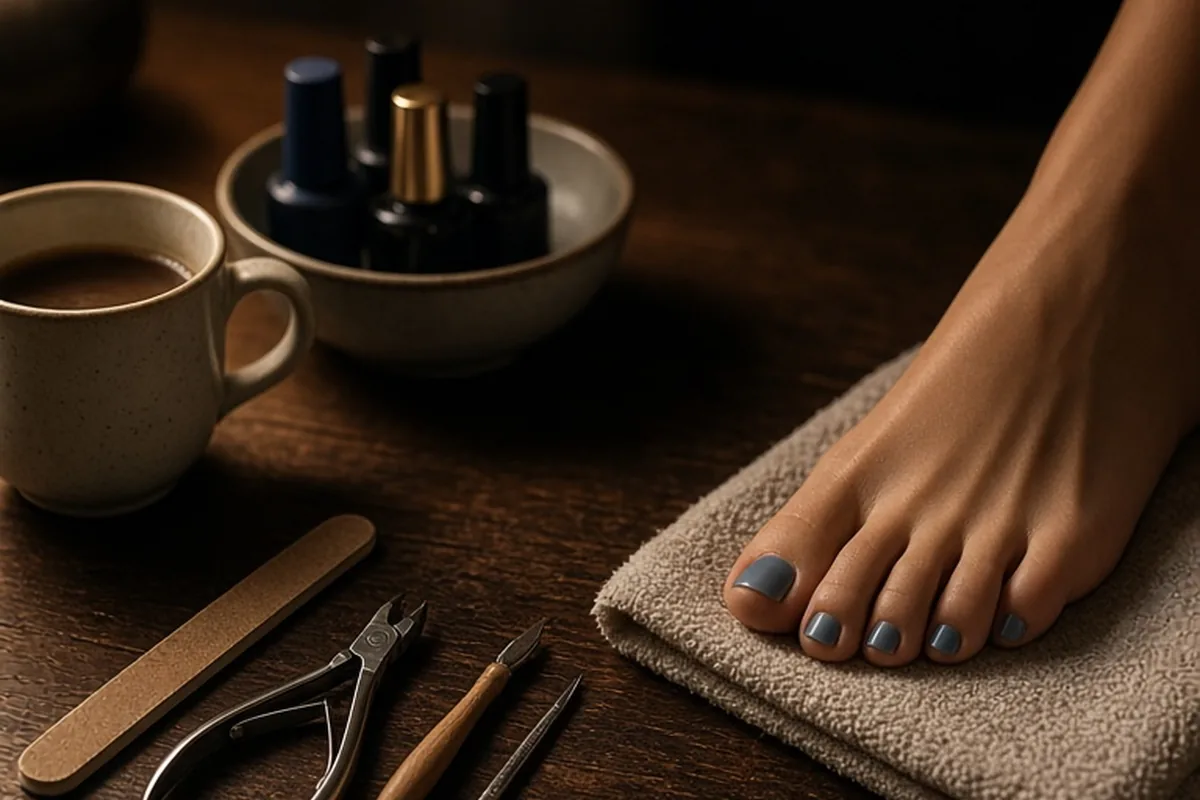
A manicure treats the hands and fingernails, focusing on shaping delicate nail plates, softening cuticles, and exfoliating thin hand skin. A pedicure cares for the feet and toenails, addressing thicker skin, calluses, and heavier toenails through warm soaking, scrubbing, and deep hydration. While both groom nails and massage skin, pedicures require stronger physical exfoliation and distinct tools to manage weight-bearing foot stress.
While both treatments fall under standard salon care, understanding their distinct anatomical focuses, tool requirements, and hygiene considerations helps you select the right appointment for your grooming goals.
Anatomical Differences Between Hands and Feet
Hands and feet endure vastly different daily mechanical stresses, which directly influences how a nail technician approaches each extremity. Hands possess delicate, thin dorsal skin with minimal subcutaneous fat, but their palms and finger pads are packed with sensitive nerve endings and sweat glands. Fingernails are relatively thin, flexible, and exposed to constant environmental washing, detergents, sunlight, and fine motor tasks. Consequently, manicures prioritize gentle refinement, precise cuticle hydration, and non-abrasive smoothing that preserves the integrity of delicate surface layers without causing irritation.
Feet, in contrast, bear your entire body weight with every step and spend hours confined inside socks and closed-toe shoes. The stratum corneum on the soles and heels is significantly thicker than anywhere else on the body, frequently forming dense calluses, friction zones, and dry patches to protect underlying tissue. Toenails are also thicker, flatter, and structurally rigid compared to fingernails. A pedicure must therefore incorporate robust mechanical exfoliation, concentrated softening agents, and targeted tension relief in the arches and calves that would be far too aggressive for the hands.
Key Procedural Steps and Service Workflows
A traditional manicure workflow begins with a dry or briefly dampened assessment where old polish is removed, nails are clipped, and edges are shaped using a fine-grit file. Technicians typically apply a cuticle softener before gently soaking the fingers in a small bowl of warm water or conditioning lotion. Cuticles are carefully pushed back with an orangewood stick or stainless steel pusher, followed by gentle hand exfoliation, a targeted forearm massage with rich lotion, and thorough nail plate cleansing before applying base coats, color, and topcoats.
A pedicure follows a more intensive, water-centric sequence designed to break down hardened epidermal buildup. The service opens with a lengthy warm foot soak, often enhanced with Epsom salts, essential oils, or antimicrobial cleansers to soften dense calluses. After trimming toenails straight across to prevent ingrown edges, the technician employs foot files or pumice stones along the heels and balls of the feet. This is followed by a coarse scrub up to the knees, thorough rinsing, a deep lower-leg massage to stimulate circulation, and complete moisture sealing before toenails are prepped and polished.
Specialized Tools and Equipment Requirements
The physical tools used during manicures and pedicures reflect the structural differences between fingernails and toenails. Manicurists rely on fine-grit emery boards or etched glass files to shape natural fingernails without splintering their thin keratin layers. Delicate cuticle nippers, silicone pushers, and small ceramic buffers are standard hand tools. Equipment for manicures is compact, consisting primarily of small finger bowls, soft armrests, and tabletop LED or UV curing lamps.
Pedicures require heavy-duty implements capable of safely managing thicker nail plates and stubborn calluses. Technicians use straight-edge toenail clippers, sturdy podiatry-grade nippers, and coarse foot rasps or pumice blocks. Salon pedicure infrastructure includes plumbed whirlpool chairs or pipeless standalone foot basins, disposable plastic liners, toe separators to prevent wet polish smudging, and specialized footrests that position the client safely while reducing ergonomic strain for the service provider.
Popular Varieties and Customization Options
Both hand and foot treatments offer multiple specialty variations tailored to specific cosmetic and lifestyle preferences. Express services focus strictly on rapid nail trimming, shaping, and basic polish application for clients on tight schedules. Classic or standard appointments incorporate essential soaking, gentle buffing, and basic massage. Gel and shellac upgrades use curable polymers that resist chipping for extended periods, making them particularly popular for fingernails that undergo constant daily friction or for feet during vacation seasons.
Luxury and therapeutic variations introduce deeper conditioning and relaxation techniques. Paraffin wax treatments immerse hands or feet in warm, melted wax to trap heat, open pores, and deeply soften severely dehydrated skin. Spa pedicures often feature thermal clay masks, hot towel wraps, and extended hot stone massages across the calf muscles. Meanwhile, waterless services utilize steam towels and specialized keratin-infused gloves or booties, offering a sanitary alternative that minimizes water immersion for individuals with sensitive skin.
Hygiene, Sanitation, and Safety Considerations
Hygiene protocols are vital in both services, but foot baths present unique sanitation considerations. Pedicure basins with internal pipes can harbor bacterial or fungal biofilm if not dismantled and disinfected between clients. Seeking salons that utilize pipeless tubs, magnetic jets, or single-use disposable basin liners significantly minimizes contamination risks. All metal implements must be medical-grade stainless steel that undergoes intermediate chemical disinfection or autoclave steam sterilization between appointments.
Understanding healthy boundary practices helps protect your skin barrier during any salon appointment. Living cuticle tissue around fingernails and toenails serves as a natural waterproof seal against microbial invasion, meaning cutting or aggressively trimming intact eponychium should be avoided. If you have active open cuts, foot abrasions, or conditions affecting circulation or sensation, such as diabetes or peripheral neuropathy, communicate this to your technician beforehand to ensure non-invasive filing and lukewarm water temperatures are used.
Duration, Maintenance, and At-Home Upkeep
Fingernails grow approximately three to four times faster than toenails, growing roughly three millimeters per month compared to one millimeter for toenails. Because hands are constantly exposed to water, soaps, cooking, and typing, standard manicure polish typically shows wear or chipping within five to seven days, while gel manicures last two to three weeks. In contrast, pedicure polish often remains visually intact for four to six weeks because toenails experience far less daily friction, though regular trimming is still recommended to maintain proper alignment.
Maintaining results at home involves distinct routines for hands and feet. For hand care, apply daily cuticle oil containing jojoba or vitamin E, and wear protective rubber gloves when washing dishes or handling harsh cleaning solvents. For foot upkeep, use a gentle pumice stone in the shower once weekly on softened heels, apply a thick urea-based moisturizing cream before bed, and wear breathable cotton socks to lock in hydration without trapping excess moisture around the toes.
Pricing Factors, Preparation, and Salon Etiquette
Pedicures generally carry a higher price tag than basic manicures due to longer service times, specialized equipment maintenance, and the physical labor required for callus management. A basic manicure usually takes thirty to forty-five minutes, whereas a thorough pedicure runs forty-five to sixty minutes or longer for deluxe packages. When scheduling services together as a combo appointment, many salons offer bundled pricing, but allocating sufficient time ensures the technician can perform thorough prep without rushing delicate steps.
Preparing for your appointment ensures a comfortable and seamless experience. Avoid shaving your legs within twenty-four hours prior to a pedicure to prevent micro-nicks that could expose sensitive skin to irritation from scrubs or foot baths. Bring open-toe sandals or flip-flops if opting for regular air-dry polish to avoid ruining fresh toenail lacquer when leaving the salon. For manicures, arrive with clean hands and inform your nail specialist of any nail enhancements or sensitivities before the consultation begins.
Frequently asked questions
Can you get a manicure and a pedicure during the same salon appointment?
Yes, many salons offer combination appointments, often called mani-pedis, where both services are performed sequentially or simultaneously by two technicians. Booking them together saves travel time and often comes with discounted package pricing.
How often should you schedule a manicure compared to a pedicure?
Manicures are typically maintained every two to three weeks because fingernails grow rapidly and experience frequent physical wear. Pedicures usually only require scheduling every four to six weeks due to slower toenail growth and reduced daily polish friction.
Is gel polish better suited for a manicure or a pedicure?
Gel polish is exceptionally beneficial for manicures because it resists daily chipping from manual activities, whereas regular polish often lasts several weeks on toenails without chipping. However, gel pedicures are advantageous if you need to put on closed-toe shoes immediately after your service.
Should salon technicians cut your cuticles during either treatment?
Technicians should generally avoid cutting living cuticle tissue on hands or feet because it forms a natural barrier against bacterial and fungal infections. The safest approach is applying a softening solution and gently pushing the cuticles back, trimming only loose, dead hangnails.
Your next step
Evaluate your immediate grooming priorities by deciding whether your hands need delicate shaping and hydration or your feet require callus smoothing and relaxation, then book a tailored service with a licensed salon.