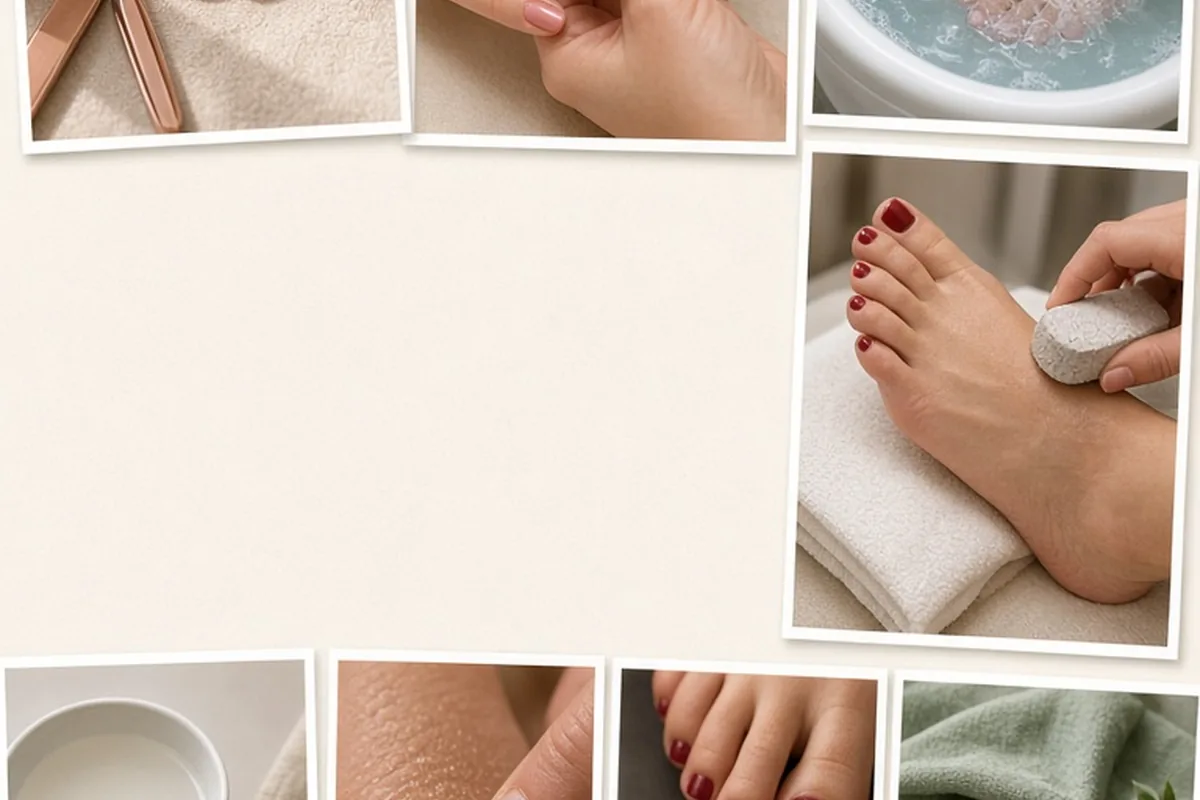
The primary difference between a manicure and a pedicure is the target anatomy and tailored skin treatment. A manicure focuses on the fingernails, cuticles, and hand skin, prioritizing precise shaping, gentle softening, and forearm massage. A pedicure treats the toenails, feet, and calves, addressing thicker nail plates, tough calluses, deep sole exfoliation, and foot hydration using specialized soaking tubs and specialized smoothing implements.
While both treatments offer structured personal grooming and a polished appearance, the physical demands placed on hands versus feet require fundamentally distinct approaches to care, hygiene, and product formulation.
Anatomical Differences and Skin Physiology
Hands and feet experience completely different environments throughout the day, which dictates how technicians approach each service. Hands are in near-constant motion, exposed to dry air, frequent handwashing, harsh household detergents, and sunlight. Because the skin on the back of the hands is thin and contains few sebaceous glands, manicures focus heavily on restoring moisture, protecting the lipid barrier, and maintaining delicate skin elasticity around knuckles and finger pads.
Feet, by contrast, carry body weight and absorb repetitive impact inside shoes, which naturally triggers the skin to generate thick layers of protective keratin. The soles and heels develop stubborn calluses and dry cracked areas as a defense against friction. Toenails are also notably thicker and grow at roughly a third of the rate of fingernails. Consequently, a pedicure must address heavy friction zones, structural pressure points, and dense keratin deposits that never develop on the hands.
Step-by-Step Procedure and Soaking Methods
A standard manicure begins with dry shaping or a brief soak in a shallow, warm water dish enriched with mild oils or softening agents. Because prolonged water exposure temporarily expands natural fingernail plates and causes them to hold water, excessive soaking can actually cause applied polish to chip prematurely when the nail contracts during drying. Technicians therefore keep hand soaking brief, focusing quickly on softening the cuticle borders before pushing them back and applying nourishing creams.
Pedicures start with a deep, warm foot bath that lasts anywhere from ten to twenty minutes. Feet require sustained immersion in warm water mixed with Epsom salts, essential oils, or antimicrobial cleansers to soften dense calluses, heel cracks, and tough toenails. After the soak, technicians systematically work across the soles, arches, and heels with abrasive paddles or pumice stones, a step that has no equivalent in a standard manicure.
Exfoliation and Callus Smoothing Protocols
Exfoliation during a manicure uses gentle manual scrubs, such as fine sugar crystals or mild alpha-hydroxy acids, to lift dead surface cells from the palms, wrists, and forearms without damaging fragile skin. Coarse abrasives are avoided on the hands because vigorous friction can cause irritation, broken capillaries, or raw patches on thin skin. The goal is light brightening and improved absorption of hand lotions.
Pedicure exfoliation is far more intensive and targets physical callus reduction on the heels, balls of the feet, and outer edges of the big toes. Technicians utilize professional foot files, foot paddles, or volcanic pumice to remove dead stratum corneum cells. Salons must balance safety here, as removing too much skin can leave feet sensitive to walking or stimulate rapid reactive callus regrowth. Responsible salons also avoid metal razor blades or credo blades, which can easily slice into live tissue and elevate infection risks.
Nail Shaping and Cuticle Care Differences
Fingernails offer wide aesthetic flexibility during a manicure, allowing clients to choose profiles such as oval, almond, coffin, stiletto, squoval, or square. Technicians shape the free edge using fine-grit emery boards that prevent splitting the delicate layers of the dorsal nail plate. Cuticle care involves gently lifting the eponychium and removing non-living tissue adhered to the nail plate, clipping only loose or ragged hangnails.
Toenail shaping follows strict mechanical guidelines rather than purely aesthetic preferences. Toenails must always be trimmed and filed straight across, softening the sharp corner edges only slightly. Rounding the edges or filing deeply down the lateral nail folds significantly increases the likelihood of painful ingrown toenails as the nail grows forward under shoe pressure. Additionally, toenails require heavier, straight-edged clippers to cut through dense keratin without splintering the plate.
Polish Durability, Wear Cycles, and Longevity
One of the most noticeable practical differences between the two treatments is how long the finish lasts. Fingernails come into continuous contact with keyboards, water, car keys, and cleaning supplies, meaning standard lacquer on hands typically begins to wear or chip within five to seven days. Even long-wearing gel manicures usually need replacement or removal after two to three weeks due to visible new growth at the cuticle line.
Pedicures offer exceptional durability, often remaining pristine for four to six weeks. Because toenails grow slowly and are rarely subjected to the friction or moisture fluctuations that hands endure, polish rarely chips on toes. The primary reason for refreshing a pedicure is natural nail growth and the eventual return of dry skin on the heels, rather than polish failure.
Sanitation, Tool Disinfection, and Health Risks
Hygiene protocols are vital for both services, but pedicures introduce distinct sanitation considerations due to the equipment used. Foot baths, especially traditional whirlpool tubs with internal pipes, can trap dead skin cells and hair inside internal circulation lines if not disinfected with hospital-grade biocides between clients. Modern salons frequently use pipeless basins, disposable tub liners, or non-porous stainless steel bowls to prevent bacterial and fungal cross-contamination.
For manicures, sanitation centers on hand hygiene, clean towels, and properly sterilized metal instruments like cuticle pushers and nippers. An autoclave or EPA-registered hospital-grade disinfectant should be used on all metal tools between clients, while single-use items like nail files, orange wood sticks, and buffing blocks should be discarded. Clients can protect themselves by ensuring technicians open fresh, sterilized tool packs and by declining any aggressive cutting of living cuticle skin.
Service Time, Cost Factors, and Salon Preparation
A standard manicure typically takes 30 to 45 minutes, while a thorough pedicure generally requires 45 to 60 minutes or longer if specialized masks, hot stones, or extended foot massages are included. Pedicures typically carry a higher price point than manicures to reflect the extended appointment duration, larger volume of consumable exfoliating products, and specialized ergonomic equipment such as massage thrones and water systems.
Preparing for each appointment also involves different steps. For a manicure, you simply need clean hands and an idea of your preferred nail shape and color. For a pedicure, avoid shaving your legs within 24 hours of the appointment, as razor micro-nicks create microscopic entry points for bacteria during foot baths. You should also wear loose-fitting pants that roll up easily past the calf and bring open-toed sandals or flip-flops if you choose traditional lacquer to prevent smudging while the polish cures.
Choosing Between Individual Services or a Mani-Pedi Combo
Deciding whether to book a manicure, a pedicure, or both depends on personal lifestyle, season, and physical comfort. A manicure is ideal before professional events, interviews, or gatherings where your hands are visible, or when dry winter weather causes painful hangnails and cracking around nail beds. Pedicures are especially valuable for athletes, runners, people who stand on their feet all day, and anyone preparing for sandal season or warm-weather travel.
Booking a combined manicure and pedicure appointment, often called a mani-pedi, maximizes salon efficiency because technicians can sometimes work on your hands while your feet soak. If you are balancing a tight budget or schedule, staggering the treatments—getting manicures every two to three weeks while scheduling pedicures once a month—offers an effective balance between hand maintenance and foot comfort.
Frequently asked questions
Can I get a manicure and a pedicure performed at the exact same time?
Yes, many full-service salons provide simultaneous manicures and pedicures where two technicians work together while you sit in a pedicure chair. This arrangement cuts appointment time roughly in half, though it requires sitting relatively still while both hands and feet are treated.
Why do technicians advise cutting toenails straight across while fingernails are rounded?
Toenails are under constant forward pressure from footwear, and rounding down the edges can cause the nail corners to pierce the surrounding skin fold, causing ingrown nails. Fingernails do not face closed-toe friction, so gentle curves and varied shapes remain structurally safe.
How often should I schedule each treatment for optimal maintenance?
Most people schedule manicures every two to three weeks, as hands grow rapidly and experience frequent polish wear and dry cuticles. Pedicures generally require attention only once every four to six weeks due to slower nail growth and longer-lasting polish.
Is it safe to let a technician trim my cuticles during either service?
It is generally safest to ask the technician to gently push the cuticles back and only trim loose, dead skin or hangnails. Cutting living cuticle tissue breaches the body's natural barrier against bacterial and fungal infections on both hands and feet.
Your next step
Assess your current grooming priorities, check whether your heels require deep callus softening or your fingernails need reshaping, and book your preferred salon service while remembering to bring open-toed sandals for pedicures.