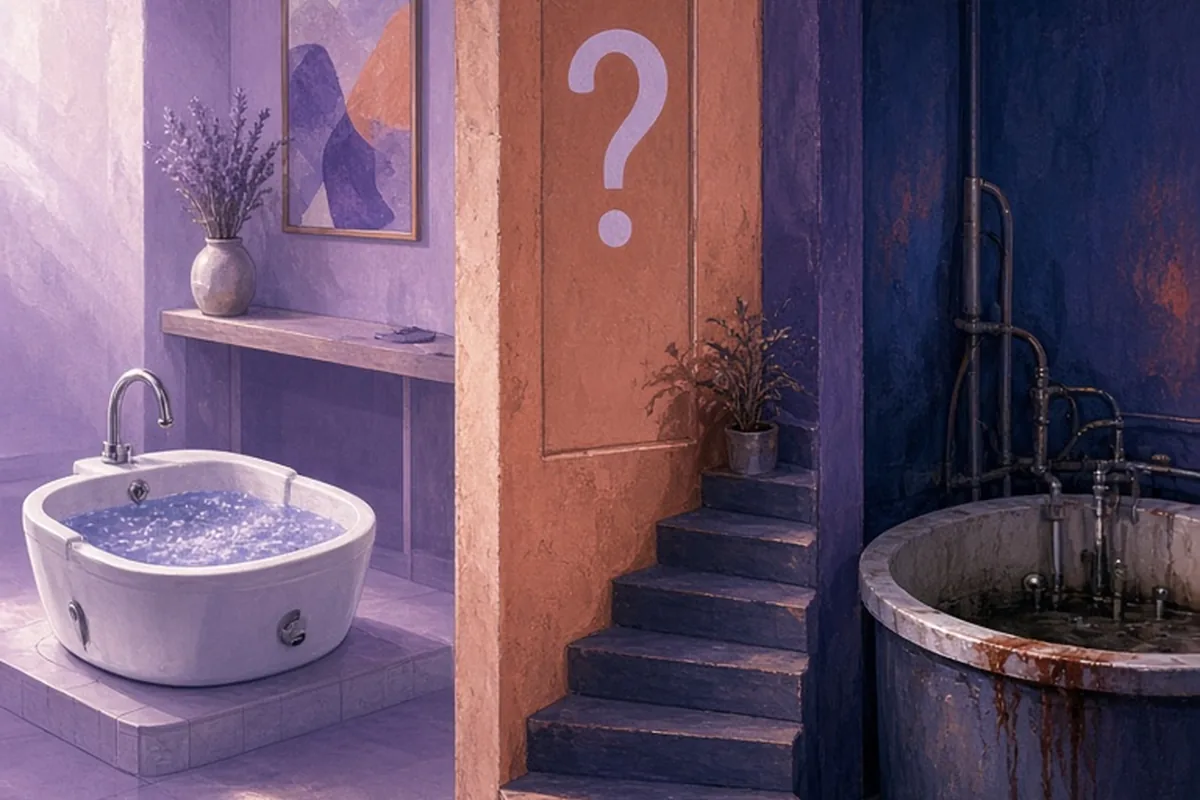
When disinfecting pedicure equipment that holds water, you must clean and disinfect the basin after every single client, at the end of each operating day, and through a deep-cleaning cycle weekly. The process requires draining all water, washing surfaces with soap to remove visible debris, and circulating or soaking with an EPA-registered hospital disinfectant for the full label contact time before rinsing and drying.
Maintaining sanitary foot-care equipment prevents buildup and ensures a clean, welcoming environment whether you manage a busy salon station or care for your feet at home.
The Core Protocol for Cleaning Between Every Client
The moment a pedicure concludes, the sanitization process must begin immediately before another person uses the equipment. Water-holding units—including piped whirlpool foot spas, pipeless magnetic-jet basins, and simple freestanding tubs—accumulate organic debris such as skin cells, nail fragments, oils, and cosmetic residues during every soak. Applying a disinfectant directly to dirty water or an unwashed surface does not work because organic material neutralizes active germicidal agents and acts as a physical shield. You must first drain all water completely and scrub the entire interior basin with warm water, liquid soap or detergent, and a clean, non-abrasive brush. Pay close attention to the water line, drain gate, and corners where residue settles.
Once the basin has been rinsed clear of soap and visible residue, chemical disinfection takes place. Refill the basin with clean water and add an EPA-registered, hospital-grade broad-spectrum disinfectant according to the manufacturer's exact dilution ratios. If the unit features circulating jets or impellers, turn the system on so the disinfectant liquid circulates through all internal pathways for the full contact time listed on the product label, which is typically ten minutes. For non-circulating foot basins, saturate all interior surfaces thoroughly and allow them to remain visibly wet for the required duration. Draining or wiping the basin before this dwell time elapses compromises the disinfection process and leaves microbial hazards behind.
- Drain all used water completely and discard any single-use tub liners or disposable items.
- Scrub all interior surfaces with warm water, liquid detergent, and a dedicated brush to remove oils and debris.
- Rinse the tub with clean water and drain the rinse water completely.
- Refill with fresh water and add the designated measure of EPA-registered hospital disinfectant.
- Run jets or allow the solution to sit undisturbed for the full label contact time (typically 10 minutes).
- Drain, perform a final fresh-water rinse, and wipe dry with a clean, lint-free cloth or disposable towel.
End-of-Day Sanitation and Nightly Component Care
A standard between-client wipe down is insufficient for handling the gradual buildup that collects during a full day of operations. Standing moisture left overnight in pump housings, behind jet covers, or around drain assemblies creates a prime environment for bacterial biofilms and fungal spores to anchor. At the close of each business day, water-holding equipment requires systematic mechanical disassembly and targeted chemical soaking to ensure hidden passages remain clean.
Begin the nightly procedure by removing all detachable components from the basin. This includes intake screens, jet covers, magnetic impellers, footplates, and drain stoppers. Immerse these individual parts in a dedicated container filled with an EPA-registered hospital disinfectant mixed to the recommended dilution. While the parts soak for their designated contact time, use a firm brush to scrub behind the jet housings and inside the exposed recesses of the tub basin where hair and skin flakes tend to lodge. After cleaning the internal housings, replace the disinfected components, fill the tub with clean water and disinfectant, run the circulation system for ten minutes, drain, and let the basin air dry completely with the drain open.
Weekly Deep-Cleaning and System Purging Cycles
Even with diligent daily care, microscopic residues and mineral scale can slowly accumulate in circulating lines and difficult-to-reach plumbing junctions. A weekly deep-cleaning cycle addresses this hidden accumulation by utilizing an extended chemical contact period that breaks down stubborn deposits. Schedule this deep clean at the end of the final operating day of the week so the solution can work uninterrupted without disrupting client appointments.
To execute a weekly deep clean, first complete the standard end-of-day cleaning and component scrubbing. Next, fill the basin to the maximum water level with clean water and a non-foaming disinfectant or a specialized spa line purge solution. Turn the circulating jets on and run the system for ten to fifteen minutes to disperse the solution evenly throughout all internal plumbing. Turn the system off and allow the disinfectant solution to remain soaking in the basin for a minimum of six to ten hours, or overnight. The following morning, turn on the circulation for five minutes, drain the unit completely, and flush the system by refilling with clean water and running the jets for another five minutes before draining and drying.
Piped Whirlpools, Pipeless Spas, and Portable Basins
Different styles of pedicure equipment present distinct maintenance challenges based on their engineering. Traditional piped foot spas circulate water through a concealed network of internal pipes beneath the chair. These pipes are prone to harboring debris because physical brushes cannot reach inside the plumbing lines. As a result, piped systems rely heavily on strict chemical flushing protocols, proper circulation times, and regular descaling to prevent biofilm accumulation within the hidden loops.
In contrast, pipeless foot spas utilize localized magnetic impellers or quiet fans set directly into the basin wall to agitate the water. Because these systems lack extensive internal plumbing, they are substantially easier to inspect, disassemble, and physically sanitize between appointments. For standalone, non-circulating mobile basins, there are no internal motors or pipes to flush, but the smooth interior walls and drain mechanisms still require rigorous scrubbing and disinfection. While disposable plastic basin liners provide an extra physical barrier in portable or pipeless tubs, they do not replace the requirement to clean and disinfect the solid basin surfaces between uses if moisture seeps beneath the liner.
Chemical Safety, Contact Times, and Material Compatibility
Using sanitizing chemicals effectively requires a balance between antimicrobial strength and material preservation. The most reliable products for water-holding pedicure systems are EPA-registered hospital-grade disinfectants verified as bactericidal, virucidal, and fungicidal. Quaternary ammonium formulations and accelerated hydrogen peroxide compounds are common industry standards because they provide reliable germicidal action without rapidly degrading plastic and rubber components.
Always adhere strictly to the manufacturer's specified contact time, which is the exact duration a chemical must remain wet on a surface to neutralize target microorganisms. Shortening this duration renders the disinfectant ineffective, while letting concentrated chemicals dry unrinsed can cause acrylic basins to crack, discolor, or become brittle over time. Furthermore, never mix different chemical cleaners—such as combining chlorine bleach with ammonia-based solutions or acidic descalers—as this generates hazardous fumes. Staff should always wear protective gloves and safety glasses during chemical handling and ensure the treatment room maintains adequate airflow.
Sanitation Logs and Troubleshooting Equipment Issues
A rigorous cleaning routine must be paired with structured record-keeping to ensure consistency, state regulatory compliance, and client safety. Salons and spas should maintain a dedicated pedicure equipment cleaning log located near each station or in a central sanitation binder. Each entry should record the specific unit identifier, the date and time of cleaning, whether it was a between-client, daily, or weekly cycle, and the signature or initials of the technician who performed the service.
Routine maintenance also serves as an early detection system for mechanical and sanitation issues. If a foot spa begins emitting a sour or musty odor, exhibits sluggish drainage, or shows dark flecks in the water when the jets start, these are clear signs of biofilm buildup or mechanical failure. When these symptoms appear, remove the unit from service immediately. Conduct a thorough physical disassembly, scrub all reachable parts, and execute multiple purge cycles with a dedicated line cleaner until the circulating water runs completely clear.
Frequently asked questions
Can I use household bleach to disinfect a pedicure foot spa?
Household bleach can be used if mixed to a proper low-concentration ratio specified by local health authorities, but it is often harsh on acrylic surfaces, seals, and internal motor parts. An EPA-registered hospital disinfectant formulated specifically for salon foot spas is generally safer for equipment longevity and provides balanced antimicrobial efficacy.
Are single-use basin liners enough to skip chemical disinfection?
No, single-use liners do not eliminate the need to sanitize the equipment. Condensation, pinhole leaks, and handling can allow water and contaminants to contact the basin walls, so you must still clean and disinfect the basin surfaces between clients.
What should I do if the disinfectant dries before the required contact time?
If the surface dries before the full contact time elapses, the disinfection process is incomplete. You must reapply the disinfectant solution to keep the surface continuously wet for the entire duration stated on the product label.
Your next step
Inspect your current foot-care basins today, verify that your disinfectant is an EPA-registered hospital-grade formula, and establish a written daily and weekly cleaning checklist at every station.