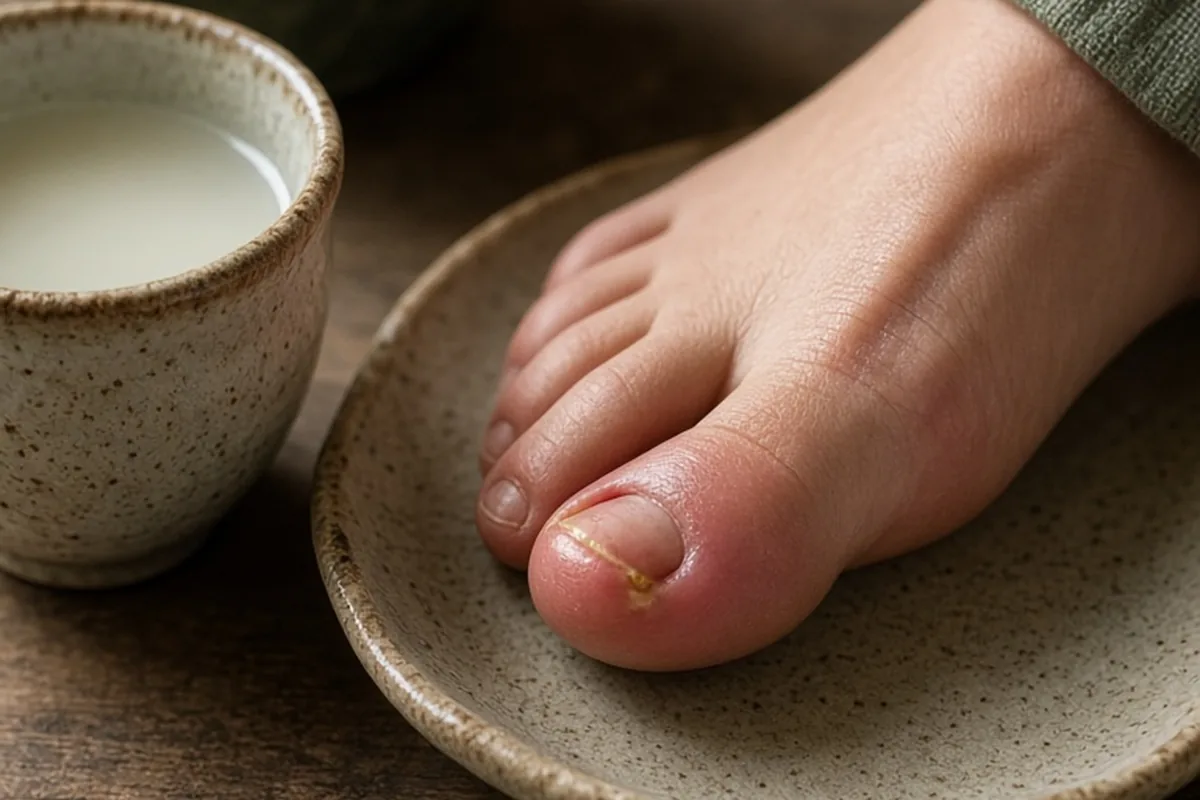
A standard pedicure will not cure an ingrown toenail and can make an active, inflamed, or infected nail worse. Nail technicians are trained for cosmetic grooming, not minor surgery or medical extraction. While a gentle pedicure can help prevent future ingrowns by trimming healthy nails straight across, an existing painful ingrown toenail requires gentle home soaking or treatment by a podiatrist.
When a toenail starts digging into the sensitive skin of your toe, booking a salon appointment might feel like the fastest route to relief. However, turning to a cosmetic service for a painful structural nail problem often introduces unexpected complications rather than soothing comfort.
Why a Pedicure Cannot Cure an Ingrown Toenail
A pedicure is designed exclusively as a cosmetic and relaxation treatment, focused on cleaning the skin, softening calluses, shaping nails, and applying polish. When a toenail curves downward and penetrates the surrounding nail fold, it creates a physical wound in the skin. Expecting a nail technician to resolve this issue is problematic because treating embedded nail borders requires clinical tools, sterile techniques, and medical expertise that nail salons are neither equipped nor licensed to provide.
Attempting to resolve an ingrown nail in a salon chair often leads to what professionals call bathroom surgery in a commercial setting. If a technician uses metal cuticle pushers, curettes, or nippers to dig out the embedded corner of the nail, the sharp clipping action often leaves behind a jagged spur or spicule deep in the nail groove. This jagged edge continues to pierce the soft tissue as the nail grows forward, worsening inflammation and significantly increasing the likelihood of a serious bacterial infection from shared foot basins.
What a Nail Technician Can and Cannot Legally Do
State cosmetology licensing boards establish strict legal boundaries to protect client safety. Licensed nail technicians are permitted to work only on healthy, intact skin and nails. They are trained to gently file the free edge of the nail plate, push back soft eponychium tissue, and exfoliate surface dead skin. By law, they cannot perform invasive procedures, cut living tissue, drain fluid, or attempt to excise embedded nail margins.
If you arrive at a salon with a red, throbbing, or draining toe, a responsible technician should politely decline service on that specific toe or refuse the pedicure entirely until the condition has been evaluated by a physician. When technicians attempt to accommodate clients by cutting deep into the lateral nail folds, they not only risk worsening the injury but also violate professional licensing standards, exposing both themselves and the client to avoidable health risks.
How Routine Pedicures Can Help Prevent Future Ingrown Nails
While pedicures should never be used as a treatment for active problems, regular professional grooming can serve as an effective preventive measure when your toes are completely healed and healthy. Routine maintenance keeps the nail plate at a manageable length and prevents the overgrowth that causes nails to press against the front of tight footwear, which is one of the leading contributors to ingrown borders.
To ensure a pedicure acts as prevention rather than a trigger, the technician must follow proper nail anatomy guidelines. Toenails must always be trimmed straight across rather than rounded at the corners or tapered down the sides. Lightly smoothing the sharp outer edges with a fine-grit emery board prevents snagging on socks without removing the structural support of the nail corners that keeps the nail riding above the lateral skin folds.
Safe At-Home Steps for Early, Mild Ingrown Discomfort
If your toe is only mildly tender and shows no signs of active infection such as heat, spreading redness, or discharge, conservative home measures can help relieve pressure and encourage the nail to grow out naturally over the skin fold. Consistency and cleanliness are essential during this early stage to prevent minor irritation from progressing into an open wound.
Begin by soaking your foot in warm water mixed with Epsom salt for fifteen to twenty minutes, two to three times per day. The warm water softens both the nail plate and the surrounding skin, reducing tension along the nail groove. After soaking, gently dry the foot completely with a clean towel and apply a thin layer of over-the-counter soothing ointment or plain petroleum jelly to keep the lateral fold pliable.
Throughout the day, protect the affected toe by switching to wide-toed shoes or open-toed sandals that eliminate lateral compression. Never attempt to slide tweezers, dental floss, or cotton wedges under the nail corner at home, as these unsterilized foreign materials can trap moisture and introduce bacteria directly into irritated tissues.
Signs Your Ingrown Toenail Needs a Podiatrist Instead
Mild irritation can quickly escalate into a localized infection if the nail edge breaks the skin barrier. You should bypass both the nail salon and home remedies in favor of a medical evaluation by a podiatrist if you notice severe throbbing pain, visible pus or clear fluid weeping from the side of the toe, expanding redness, or excessive tissue growth that looks like raw meat overlapping the nail edge.
Medical attention is also urgently necessary regardless of symptom severity for individuals with diabetes, peripheral artery disease, neuropathy, or compromised immune systems. These conditions impair circulation and sensation, turning minor toe injuries into slow-healing ulcers or deep tissue infections. A podiatrist can perform a quick, virtually painless in-office procedure under local anesthesia to remove only the offending sliver of nail, providing immediate relief and a permanent solution if the condition is recurrent.
How to Communicate with Your Nail Salon if You Are Prone to Ingrowns
If you have a history of ingrown toenails but your feet are currently pain-free and healthy, clear communication before your pedicure begins is vital to protect your toes. Many technicians default to shaping toenails into gentle curves or digging under the lateral borders to clear debris, which can inadvertently set off a new cycle of ingrown nails.
Before the technician begins clipping, explicitly state your preferences: ask them to cut your nails straight across, leave the corners visible above the skin fold, and avoid using metal tools to probe deep down the sides of the big toenails. If you feel any pinching, poking, or discomfort at any point during the service, speak up immediately and request that they stop working along the side margins.
Frequently asked questions
Can a salon pedicure fix an ingrown toenail if it just started hurting?
No, a salon pedicure cannot fix an early ingrown toenail. Salon tools and footbaths can irritate the sensitive tissue and introduce bacteria into the micro-tears around the nail. Mild early discomfort is better managed with warm water soaks and pressure-free footwear at home.
Why do some nail technicians offer to cut out ingrown toenails?
Some technicians try to be helpful to clients requesting relief, but cutting into the lateral nail border goes beyond cosmetic licensing and standard hygiene safety. This practice often leaves a jagged nail fragment behind that worsens the problem within a few weeks.
What is a medical pedicure, and can it treat an ingrown nail?
A medical pedicure is a specialized, waterless cosmetic foot treatment performed in a sterile clinical environment, often by a certified medical nail technician under podiatric supervision. While they provide safer maintenance for high-risk feet, an active, painful ingrown nail still requires clinical assessment and treatment by a licensed podiatrist.
How should toenails be trimmed to prevent ingrown borders?
Toenails should always be clipped straight across using a clean, straight-edge toenail clipper, leaving the nail long enough so that the outer corners rest flat above the skin. Avoid rounding the edges down toward the cuticle or tearing the sides off with your fingers.
Your next step
Inspect your toe today: if you see redness, swelling, or open skin, cancel any salon appointments and schedule an evaluation with a podiatrist instead of attempting cosmetic fixes.