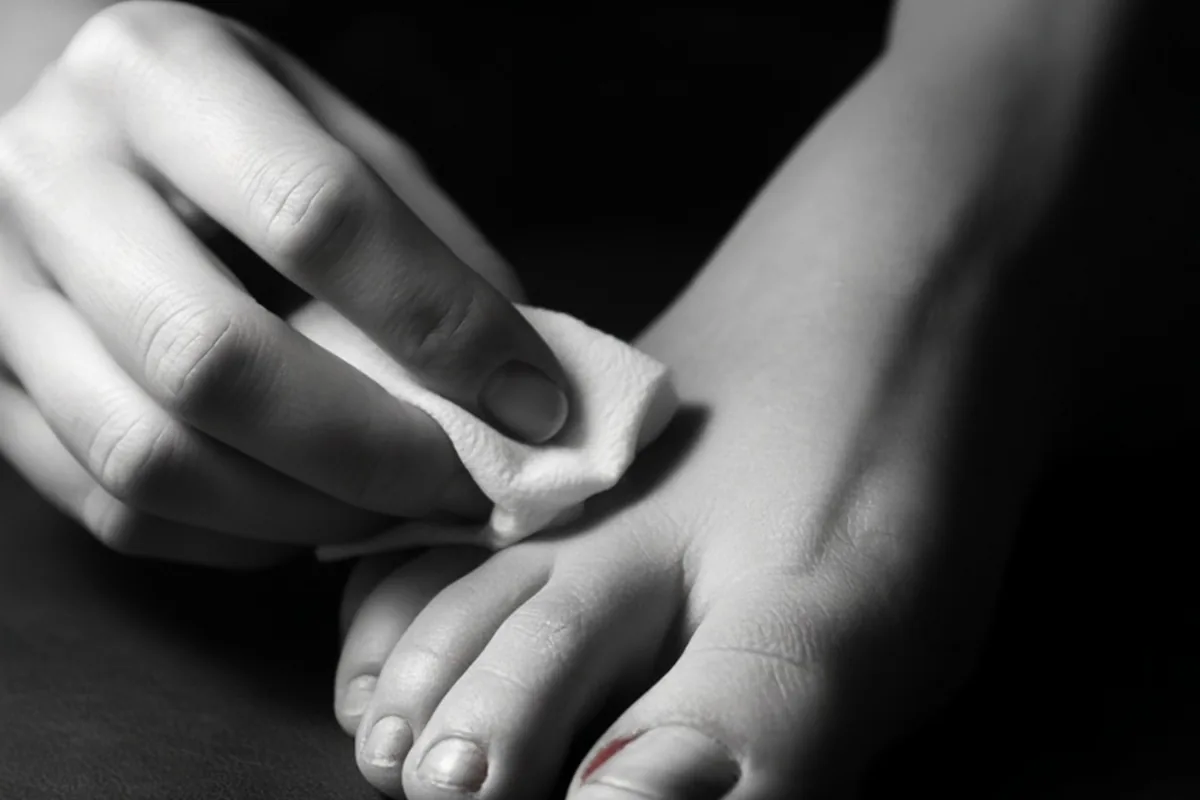
A standard pedicure will not cure an existing ingrown toenail and often worsens the irritation. Nail technicians are trained for cosmetic grooming, not medical treatment. Attempting to cut out an embedded nail border in a salon can trigger infections and deeper tissue trauma. Pedicures only help prevent future ingrown nails when technicians trim nails straight across without digging into the side borders.
When a toe begins throbbing with the sharp, persistent ache of an ingrown nail, scheduling a salon pedicure can feel like an easy, pampering solution. It is tempting to hope that a warm foot soak, professional clippers, and an experienced technician can relieve the painful pressure along the nail edge. However, navigating foot discomfort requires understanding the critical boundary between cosmetic maintenance and medical foot care.
Why Salon Pedicures Cannot Cure an Active Ingrown Nail
A salon pedicure is fundamentally structured around aesthetic hygiene, skin softening, and visual grooming of the feet and toenails. When a toenail becomes ingrown, the rigid edge or sharp corner of the nail plate has curved downward and breached the periungual skin surrounding the lateral nail groove. This penetration turns the nail border into a physical foreign body within soft tissue, sparking inflammation, tenderness, and localized swelling. Because salon environments are licensed solely for non-invasive cosmetic services, nail technicians do not possess the clinical training, sterile surgical instruments, or legal authorization to extract embedded nail spikes or treat inflamed subcutaneous tissue.
Attempting to resolve an active ingrown toenail in a salon chair introduces meaningful health risks. Foot spas and whirlpool basins, even when sanitized between clients, can harbor resilient bacteria, fungi, and micro-organisms in their internal pipes, filter screens, and jets. When an inflamed toe with compromised skin barrier integrity is submerged in communal warm water, opportunistic pathogens can readily penetrate the microscopic tears along the nail fold. Furthermore, the standard physical manipulation involved in a pedicure, such as vigorous foot massages, exfoliating scrubs, and warm towel wraps, can aggravate the inflamed tissue, converting mild discomfort into acute throbbing.
The Real Risks of Salon Excavation and Bathroom Surgery
Well-meaning nail technicians frequently encounter clients begging them to cut out a painful corner. When a technician yields to this request by using sharp nippers to dig deep down the side of the nail groove, the result is colloquially known as salon surgery. While this intervention may create immediate, short-lived relief by temporarily freeing the trapped skin from the hard nail edge, it almost universally creates a worse problem several weeks later. Cutting blindly into the side wall usually leaves behind an uneven, jagged spur of keratin buried deep beneath the visible surface of the skin fold.
As the toenail naturally advances forward along the nail bed over the following month, that hidden, jagged spur acts like a barbed hook, driving deeper into the surrounding flesh. The skin responds with heightened inflammation, hyper-granulation tissue, and intense pain. Additionally, non-medical tools like standard cuticle nippers or curettes can easily slip, causing micro-lacerations in the delicate nail sulcus. Without medical-grade sterilization like an autoclave, these micro-cuts become prime entryways for bacterial infections like paronychia, which can rapidly spread across the toe.
How Proper Pedicures Can Function as Preventative Care
While a pedicure cannot remedy an existing ingrown nail, routine and mindful salon visits can serve as an effective preventative tool against future occurrences. The primary preventive benefit comes down to precise cutting and filing mechanics. When a technician follows best practices by cutting toenails straight across without tapering down the edges, the flat nail border is guided to grow cleanly over the distal skin fold rather than curling inward into the surrounding tissue sulcus.
Beyond trimming, standard pedicures help maintain healthy foot mechanics by reducing heavy calluses and softening the thick, hardened skin that accumulates along the periungual grooves. Overgrown lateral skin folds can exert constant mechanical pressure against the outer edges of the nail plate, encouraging it to curve downward. Regular gentle exfoliation, careful cleaning beneath the free edge, and consistent moisturizing keep the tissue supple and resilient. To reap these preventative benefits, you must explicitly instruct your technician to leave the corners square and avoid digging tools under the side walls.
- Instruct your technician to trim nails straight across, leaving the free edge roughly level with the tip of the toe.
- Request gentle emery board filing straight across rather than rounded shaping at the lateral edges.
- Ask the technician to avoid cutting live cuticle tissue or aggressively probing the lateral nail folds with metal curettes.
- Decline vigorous scrubbing or harsh mechanical friction near toes that feel even slightly tender.
Safe At-Home Steps for Soothing Mild Nail Irritation
If your toe is experiencing early-stage irritation where the skin is slightly pink and tender without drainage, pus, or severe swelling, conservative home management is the safest initial path. The cornerstone of at-home care is a gentle warm-water soak performed two to three times daily for fifteen to twenty minutes. Adding plain Epsom salt to the warm water helps draw out fluid, soothe local irritation, and soften both the nail plate and surrounding skin folds. After soaking, gently pat the foot dry with a clean towel, taking care not to rub or irritate the tender area.
Following the soak, apply a thin layer of over-the-counter petroleum jelly or antibiotic ointment to keep the skin pliable and create a protective barrier against external friction. You can gently massage the swollen lateral skin fold downward and away from the nail margin using clean fingers, which encourages the soft tissue to separate naturally from the hard nail plate. Avoid aggressive home remedies such as stuffing cotton balls beneath the nail corner, cutting a V-shaped notch into the center of the nail, or using sewing needles to pry the edge loose, as these folklore methods dramatically increase the risk of deep bacterial infection.
Recognizing Warning Signs That Demand Medical Attention
Mild nail irritation can escalate into a clinical infection if the skin barrier is breached and bacterial proliferation occurs. It is crucial to monitor your toe for definitive warning signs that indicate home soaks are insufficient and salon visits are strictly contraindicated. Severe, pulsating pain that interferes with walking, disrupts sleep, or prevents you from wearing loose socks is a primary indicator that the nail has penetrated deep into the subcutaneous tissue.
Visible clinical red flags require prompt evaluation by a podiatrist or primary care physician. If you observe spreading redness that extends beyond the immediate nail fold, significant localized heat, marked swelling, or any yellow, white, or green discharge, the toe is likely infected. Another common complication is the emergence of granulation tissue, which appears as a raw, red, fleshy overgrowth along the nail border that bleeds easily with light contact. Individuals with underlying health conditions, such as diabetes mellitus, peripheral arterial disease, neuropathy, or autoimmune disorders, should bypass all home treatments and seek immediate medical care at the first sign of nail discomfort due to the heightened risk of serious foot complications.
What Podiatrists Do That Salons Cannot
A visit to a podiatrist provides a sterile, targeted, and definitive clinical resolution to an ingrown toenail that no cosmetic salon can replicate. Podiatrists utilize local anesthesia to completely numb the affected digit, ensuring that any procedure is entirely pain-free. Once the area is anesthetized and prepped with surgical antiseptics, the specialist can perform a partial nail avulsion, which involves carefully cutting away only the narrow, problematic vertical border of the nail from the tip straight back to the growth base beneath the cuticle, leaving the remainder of the healthy nail intact.
For individuals who suffer from recurring ingrown nails due to genetic curvature or abnormal nail bed anatomy, a podiatrist can perform a chemical matrixectomy. In this quick in-office procedure, a mild chemical agent, typically phenol or sodium hydroxide, is applied directly to the specific localized root cells that produce the problematic outer edge. This prevents that tiny outer sliver of nail from ever regrowing into the skin while preserving ninety percent of the natural nail's appearance. The procedure requires minimal downtime, completely resolves chronic inflammation, and eliminates the cycle of recurring salon digging and infection.
Everyday Habits to Stop Ingrown Toenails Before They Start
Long-term relief from ingrown toenails relies on addressing the daily environmental and physical factors that force the nail into the skin. Footwear selection plays an outsized role in nail health. Shoes with narrow, pointed toe boxes, high heels that shift body weight forward onto the toes, and tight athletic shoes squeeze the digits together, forcing the lateral nail folds directly against the rigid nail plate. Opt for footwear with a wide, anatomical toe box that allows your toes to splay naturally, and ensure there is roughly a half-inch of space between your longest toe and the end of the shoe.
Hosiery choices and nail trimming tools also matter significantly. Tight socks, compressive pantyhose, or non-breathable synthetic materials can compress toes together and trap moisture, softening the skin fold and making it easier for the nail to cut through. When trimming your own toenails at home, use clean, straight-edged toenail clippers rather than curved fingernail clippers, and avoid trimming the nails too short. The free white edge of the nail should rest just slightly past the fleshy border of the toe, providing a smooth, continuous guard that prevents surrounding soft tissue from rolling over the edge.
Frequently asked questions
Can I get a pedicure if my toe is only slightly sore?
You can still get a pedicure if the toe has very minor tenderness and no broken skin, but you must establish clear boundaries. Inform the technician before the session starts that your toe is sensitive and instruct them not to dig into the corners or use sharp nippers along the lateral groove. If there is visible redness, swelling, or open skin, cancel the appointment until the toe has healed.
Why does my nail feel better immediately after a salon pedicure but hurt worse later?
When a technician clips away the top visible corner of an ingrown nail, it temporarily removes the direct pressure against the skin fold, offering instant relief. However, this cut often leaves a sharp, jagged edge deeper in the nail groove. As the nail grows outward over the next few weeks, that hidden edge pierces the surrounding soft tissue, causing worse inflammation and pain.
Does soaking my feet in Epsom salt cure an ingrown toenail?
Epsom salt soaks help reduce localized swelling, soften hardened skin, and soothe mild inflammation, making them an excellent supportive comfort measure. However, soaking cannot alter the physical shape or growth trajectory of a nail that has already penetrated the skin. If conservative soaking does not relieve the discomfort within a few days, medical evaluation is necessary.
Is it safe to let a nail technician cut out an ingrown nail if they use sterilized tools?
No, it is not safe even if the salon sterilizes its tools. Nail technicians lack medical training in anatomy and surgical technique, meaning they cannot safely extract embedded nail roots without risking tissue damage or incomplete removal. In many jurisdictions, invasive cutting of living tissue by a cosmetologist is also illegal.
Your next step
Inspect your toe carefully today: if you notice redness, swelling, or throbbing pain, cancel your salon pedicure and schedule an evaluation with a podiatrist, while managing mild tenderness at home with warm, plain water or Epsom salt soaks.