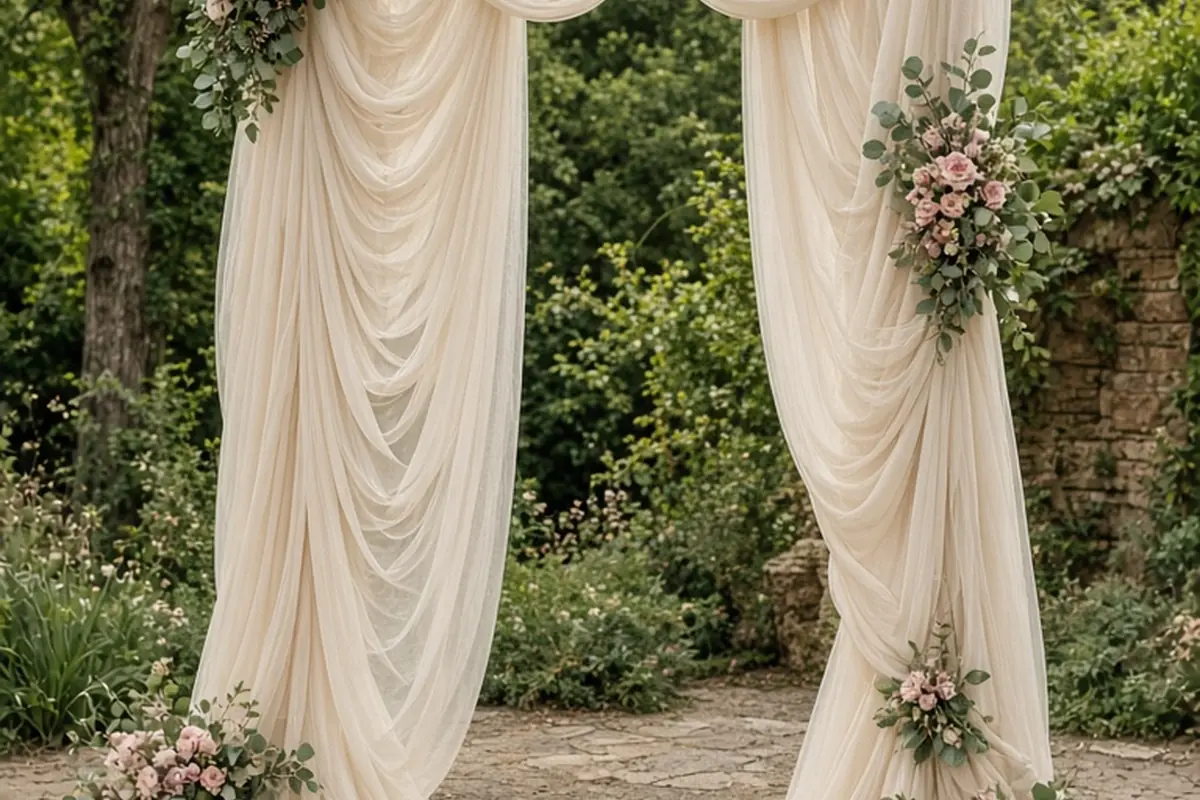
To transform your wedding with elegant tulle decorations, pair soft netting with structured anchor elements like florals, warm fairy lights, or greenery across high-impact focal points. Rather than stretching fabric taut or scattering it thin, gather generous yardage at your ceremony arch, aisle chairs, or sweetheart table. Focus on fabric weight, choosing bridal illusion or soft nylon tulle over stiff craft mesh, to ensure a fluid, graceful drape that elevates your entire venue aesthetic.
Tulle is one of the most versatile textiles in wedding design, capable of softening rigid venue architecture or adding romantic dimension to an outdoor setting without overwhelming your budget. When chosen thoughtfully and styled with intention, this sheer fabric shifts from a simple craft staple into a sophisticated backdrop that ties together your entire celebration.
Selecting the Right Tulle Fabric and Weave for Bridal Styling
Not all sheer netting is created equal, and selecting the wrong material is the most common reason wedding decor ends up looking rigid rather than romantic. The standard spools sold in big-box craft stores are typically basic polyester craft netting with large, stiff hexagonal holes. While useful for structured wreaths or petticoats, this craft-grade material stands out stiffly, resists falling into organic waves, and creates sharp, awkward creases when tied to wedding arches. For an elevated bridal finish, you need bridal illusion tulle or soft nylon netting. Bridal illusion is a fine-gauge nylon textile woven with microscopic diamond or hexagonal netting that falls under its own weight into soft, cascading ripples.
Texture and sheen are equally critical considerations when sourcing your yardage. Crystal tulle possesses a high-gloss finish that catches and reflects ambient light; while striking in dimly lit evening halls, it can produce harsh glare and blown-out highlights in outdoor daylight photography. Matte tulle, by contrast, diffuses natural light evenly, mimicking the appearance of expensive silk organza while blending seamlessly into greenery and soft florals. If budget allows for specialized focal areas like an intimate sweetheart table, English net or silk tulle provides an exceptionally heavy, liquid drape with zero synthetic shine, making it worth considering for close-up portraits.
Draping Ceremony Arches and Altars for Dimension and Flow
The secret to a high-end ceremonial arch drape lies in calculating generous volume rather than stretching fabric flat across the framework. Wrapping tulle tightly around arch posts like a spiral bandage exposes the underlying metal or wood poles unflatteringly and flattens the dimensional nature of the textile. A professional installation relies on continuous, sweeping lengths that dip organically across the top bar before cascading down the sides. To calculate proper yardage, measure the full height of your arch, multiply by two for both sides, add the top width, and multiply the grand total by two or three to accommodate deep swags and luxurious puddle folds on the floor.
When attaching tulle to an altar structure, work from designated anchor points rather than binding the entire perimeter. Fasten your focal drape at the top corners and mid-posts using clear industrial zip ties, neutral velcro floral ties, or chenille stems twisted tightly against the frame. Hide these mechanical connection points entirely under asymmetric floral cages, eucalyptus sprays, or cascading silk ribbons. For a modern, balanced silhouette, combine two contrasting widths: suspend a broad, 108-inch bolt as a softened background veil, and gather a narrower, 54-inch runner into deep, undulating swoops that cross the front of the frame.
Designing Modern Ceremony Aisles and Pew Markers Without Stiff Bows
Aisle styling has evolved far beyond the oversized, starched bows that defined ceremonies in past decades. Today, tulle serves as an architectural guide that frames the bridal processional path with subtle, ethereal movement. One contemporary approach involves creating low, continuous swags that dip gracefully along the outside edges of aisle seating. By clipping the tulle gently at every second or third chair and allowing the fabric to hover an inch above the floor, you create a cohesive visual pathway leading the eyes of arriving guests straight toward the altar.
If you prefer individual chair markers, skip rigid pre-made rosettes in favor of vertical waterfall drops. Cut long lengths of wide matte tulle, gather them by hand around the top chair rail, and secure them with raw-edge silk or velvet ribbons in your wedding color palette. Insert a single stem of Italian ruscus, olive branch, or spray rose directly into the tie to ground the airy textile with fresh botanical life. Ensure the hem of each vertical drop clears the aisle floor by two inches to eliminate tripping hazards as wedding attendants and guests navigate the rows.
Elevating Reception Tables With Layered Runners and Soft Skirting
Reception tables offer an ideal canvas for introducing tactile romance into your dining space. Instead of traditional flat runners, modern table styling favors gathered, organic textures that cascade effortlessly past table ends. To construct an opulent runner, lay three to four long strips of 54-inch tulle together and scrunch them longitudinally down the center of bare wooden farm tables or over solid cotton base linens. The sheer layers create subtle shadows and dimension while still allowing the natural grain of exposed wood to peek through underneath.
Head tables and sweetheart setups can be transformed into standout centerpieces through custom tulle skirting. Avoid stiff, commercial pleated skirts attached with plastic table clips, which can look dated and commercial. Instead, attach generous double-layered drops of gathered tulle along the table apron using hidden pins under a primary linen, allowing the fabric to puddle softly around the base. Weave micro-fairy lights or battery-operated LED wire beneath the sheer skirting to emit a warm, radiant glow that turns your sweetheart table into an inviting focal point throughout dinner.
Illuminating Tulle Backdrops Safely and Photographically
Pairing sheer textiles with ambient lighting creates an undeniably magical atmosphere, but achieving the look requires careful attention to safety and optical balance. Because synthetic tulle is made from petroleum derivatives like nylon or polyester, it is heat-sensitive and can scorch or melt quickly under high temperatures. Never use traditional incandescent holiday lights against tulle fabric. Always specify cool-running LED curtain lights or copper micro-fairy lights. Keep light strings placed behind an opaque backing fabric or nestled safely between distinct fabric layers so the wiring remains invisible to the naked eye.
Color temperature plays a deciding role in how your lit backdrop looks both in person and on camera. Light strings rated above 4000K produce a cool, bluish light that can render white tulle cold and clinical, clashing with the warmth of dining candles and floral arrangements. Aim for warm-white LEDs in the 2700K to 3000K range to emit a soft, champagne glow that flatters guest skin tones. Before finalizing the setup, have your photographer run a quick lighting test against the illuminated tulle, verifying that bright backlight LEDs do not silhouette the couple or create excessive lens flares.
Handling Outdoor Variables: Wind, Static, and Ground Moisture
While tulle creates a breezy, enchanting effect in open-air venues, its lightweight weave can become chaotic when subjected to shifting weather. On breezy days, unweighted tulle panels can billow excessively like boat sails, knocking over adjacent floral stands or obscuring the view of the wedding party. Counteract wind resistance by concealing heavy drapery fishing weights or smooth river stones inside the bottom folds of your puddling fabric. For ceremony arches, secure the lower sections firmly to the base anchors or heavy iron plates with hidden fasteners.
Static electricity and surface moisture pose additional complications in outdoor environments. In dry, arid climates, synthetic netting generates static cling quickly, wrapping awkwardly around bridal party garments and wooden seating. Lightly mist the back of your tulle drapes with a fabric anti-static spray several hours before ceremony start time to keep the material hanging plumb. In damp or grassy settings, morning dew will readily wick up sheer fabric hems, collecting soil and grass stains. Trim floor drops so they float a half-inch above lawn turf, or place a clean drop runner underneath until right before processional time.
Setup Logistics, Steaming Techniques, and Post-Wedding Disposal
Proper on-site prep work separates pristine, ethereal decor from a wrinkled, amateur presentation. Tulle develops sharp creases when compressed into shipping boxes or packed into vehicle trunks. Never apply a hot clothes iron directly to nylon or polyester tulle; direct metallic heat will melt the delicate fibers instantly. Instead, hang your cut panels the day prior to allow gravity to release major folds, then smooth out stubborn creases using an upright garment steamer held four to six inches away from the material.
Because nylon and polyester fabrics do not biodegrade quickly, planning responsible teardown logistics is just as important as the initial installation. During venue breakdown, use floral snips to cut zip ties cleanly without tearing the textile bolts. Gently fold and roll clean lengths around cardboard tubes to prevent future tangling. These preserved lengths can be donated to community theater costume departments, gifted to local preschools for art programs, or resold on wedding decor exchanges, giving beautiful fabric a second life rather than sending yards of synthetic material into local landfills.
Frequently asked questions
Can you safely wash and reuse tulle wedding decorations after an event?
Yes, tulle can be washed if handled gently. Submerge the fabric in cool water mixed with mild liquid laundry detergent, avoid aggressive wringing or machine agitators that snag the mesh, and hang it outdoors to air dry. Once dry, roll the fabric onto tubes rather than folding it to minimize stubborn creases during storage.
How do you keep table candles from catching tulle runners on fire?
Always enclose open flames inside tall glass hurricane cylinders that rise several inches above the candle wick. Alternatively, switch to high-quality LED pillar candles and taper candles for reception tables, which eliminates open-flame hazards while allowing you to tuck fabric closely around decorative centerpieces without safety risks.
How much tulle is typically needed to drape a standard ceremony arch?
A standard rectangular wedding arch measuring seven feet tall by six feet wide usually requires between twenty and thirty yards of 54-inch or 108-inch wide tulle. This length provides enough continuous yardage to drape across the frame with natural dipping swags, wrap anchor points, and create elegant pooling on the floor.
What is the best way to cut tulle cleanly without fraying the edges?
Tulle does not fray because of its knit netting structure, so it does not require stitched hems. To achieve clean, straight lines, lay the fabric across a flat cutting mat and use a sharp rotary fabric cutter alongside a metal straightedge ruler rather than household scissors, which can slip and produce jagged notches.
Your next step
Measure the height and width of your main ceremony arch and reception tables today, then order sample swatches of nylon bridal illusion tulle alongside your floral samples to test draping fluidity and color warmth under your venue's lighting.