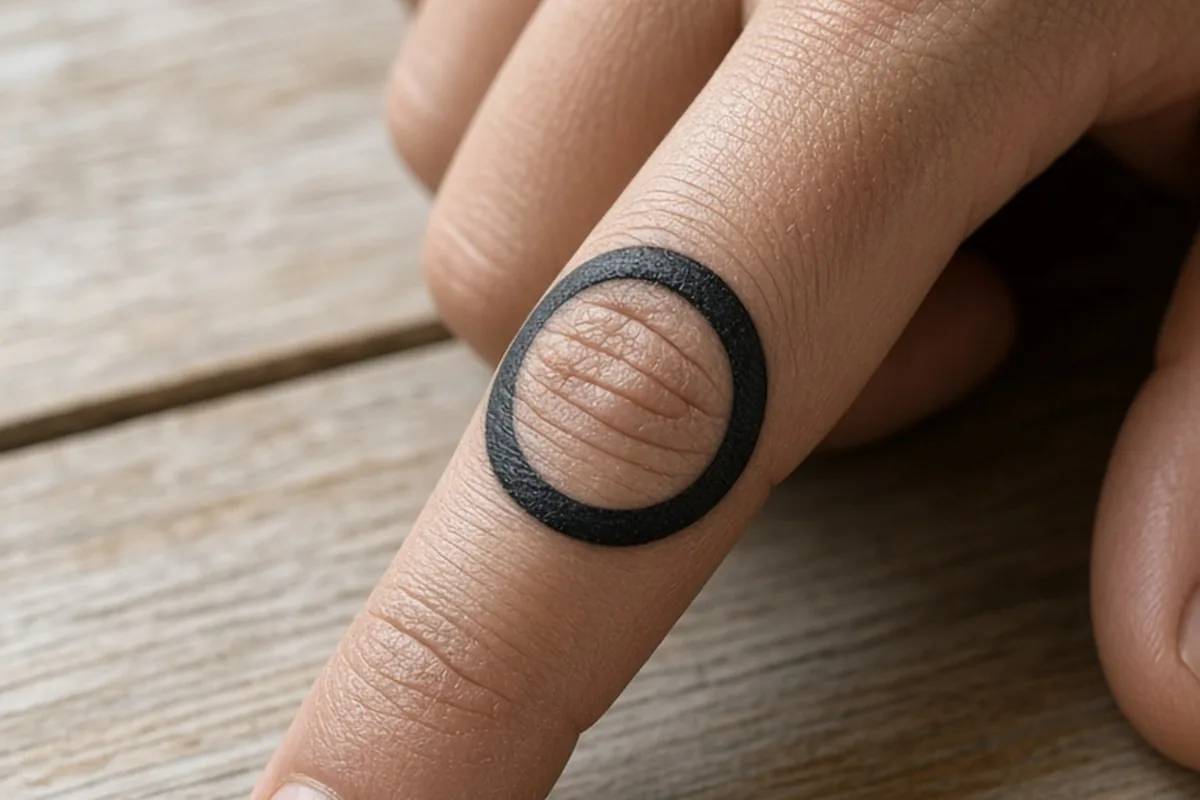
Meaningful alternatives to wedding rings include fine jewelry necklaces or lockets, permanent ring-finger tattoos, engraved luxury timepieces, flexible silicone or ceramic bands, and shared legacy investments like commemorative trees or custom artwork. Couples select these options to bypass workplace hazards, accommodate sensory preferences, reduce material expenses, or honor personal ethics. The most successful choice reflects your everyday physical routine, personal comfort with public visibility, and how you want to mark your commitment during the ceremony.
While the polished metal wedding band remains the customary symbol of marriage across Western culture, it is neither a legal requirement nor a universal fit for every lifestyle. Many couples find that rigid metal rings clash with their daily work, create physical discomfort, or simply fail to represent their mutual values.
Permanent Ring Tattoos: Placement, Fading Risks, and Studio Selection
A tattooed ring band offers permanence without the risk of misplacement, snagging, or occupational interference. It appeals directly to people who dislike the tactile sensation of jewelry or whose professions involve food handling, laboratory work, or mechanical equipment where loose metal poses a safety hazard. Tattoos allow partners to design completely custom iconography, ranging from minimalist unbroken lines and meaningful dates in Roman numerals to interlocking abstract geometry. Because the ink is permanently embedded in the dermis, it remains present through every activity without requiring maintenance routines like polishing or prong tightening.
However, hand and finger skin possesses distinct biological traits that affect how tattoos age over time. The skin on the fingers experiences rapid cellular turnover, frequent friction, and constant sun exposure, which leads to ink drift, premature fading, and blurring far faster than on flatter, less exposed body areas. Very intricate linework or micro-lettering can bleed into indistinct shadows within a few years. Before booking an appointment, consult an artist with an established portfolio of healed hand work rather than fresh, just-finished photographs. Expect that a finger tattoo will likely require touch-ups every several years to retain crisp edges, and choose bold, clean strokes over dense, micro-scale designs.
Fine Jewelry Pendants and Necklaces: Keeping Symbols Close to the Heart
Suspended jewelry serves as one of the most natural transitions away from finger bands for individuals who still desire the elegance of fine metals and precious stones. Wearing a symbol on a chain around the neck keeps it shielded from abrasive physical tasks, harsh cleaning agents, and high-impact sports. This option suits healthcare workers, fitness instructors, artists, and machinists who must frequently wash their hands, wear tight sterile gloves, or handle heavy tools. Pendants can be kept entirely private beneath clothing or displayed openly depending on personal preference and professional dress codes.
Design possibilities range from custom-engraved tags and bezel-set birthstones to heirloom rings worn on a chain or bespoke lockets holding written promises. When evaluating this direction, prioritize the strength and construction of the chain itself over decorative flair. Delicate cable chains can snap easily under incidental tension, so opt for sturdier link profiles such as wheat, box, or curb chains fabricated in high-tensile metals like platinum, titanium, or solid gold. Check that the clasp is robust, such as a secure lobster claw mechanism, to prevent accidental loss during physical movement.
Commemorative Fine Timepieces: Functional Watches That Mark Shared Time
Selecting a finely crafted wristwatch transforms matrimonial symbolism into everyday utility. While a traditional wedding ring exists purely as an ornament, a dependable watch carries both symbolic weight and constant functional value. The metaphor of a timepiece emphasizes shared time, patience, and moving through life together minute by minute. This choice appeals particularly to partners who already appreciate mechanical craft, collectors of horology, or individuals who find hand jewelry uncomfortable but naturally wear an accessory on the wrist.
To make a timepiece uniquely matrimonial, couples often personalize the solid case back with laser-engraved wedding dates, personal vows, or geographic coordinates of their ceremony location. Consider daily wearability when picking a model: high water resistance, scratch-resistant sapphire crystal, and neutral dial styling ensure the watch transitions smoothly between outdoor recreation and formal environments. Mechanical automatic watches offer lifelong longevity with periodic servicing, while high-grade quartz movements deliver zero-maintenance accuracy. Make sure to keep the original documentation and box in a safe location for insurance appraisals and long-term provenance.
Living Heirlooms: Shared Land, Commemorative Trees, and Home Artifacts
For couples whose core values center on environmental stewardship, permanence, or domestic life, redirecting jewelry budgets toward a living or communal asset provides deep fulfillment. Planting a long-lived native hardwood tree, such as an oak or sugar maple, on shared residential property provides a living marker of marriage that matures alongside the relationship. Alternatively, contributing to land conservation trusts or purchasing an easement creates a permanent ecological legacy that stands far beyond personal possessions.
If you do not own land or prefer indoor heirlooms, commissioning a custom, functional household artifact fulfills a similar emotional purpose. Commissioning a hand-carved dining table from a local artisan, a collaborative sculptural commission, or an archival ceramic collection embeds your milestone directly into daily domestic life. The primary consideration with living or spatial commitments is geographic mobility. If career shifts or relocations are likely in your near future, invest in movable commissioned art or conservation dedications rather than immovable outdoor plantings that you may have to leave behind.
Silicone Bands, Wood Inlays, and Modern Industrial Materials
Couples who like the visual aesthetic of a traditional circular band but dislike precious metals often gravitate toward modern alternative materials. Medical-grade silicone rings have surged in popularity among athletes, military personnel, and tradespeople because they eliminate the risk of ring avulsion—a severe injury where metal catches on equipment and damages the finger. Silicone bands flex under pressure, tear away safely if snagged, cost very little to replace, and cause zero irritation for people with severe metal allergies.
For those seeking a non-traditional rigid aesthetic, engineered materials like carbon fiber, titanium, aerospace-grade ceramics, and reclaimed hardwood inlays offer compelling textures. These materials provide a contemporary, understated look and weigh substantially less on the finger than heavy gold or platinum alloys. However, buyers must note a major physical limitation: refractory metals, ceramic compounds, and resin-stabilized wood cannot be cut, stretched, or reshaped by a jeweler. If your finger size shifts significantly over time due to weather, age, or health changes, a non-resizable alternative band must be completely replaced rather than adjusted.
Ceremony Mechanics: Exchanging Nontraditional Symbols at the Altar
Wedding rituals historically culminate in the exchange of rings, meaning that choosing an alternative requires planning how you will mark the moment during your ceremony. Without guidance, guests or officiants accustomed to traditional programs might feel uncertain about when vows end and the transition occurs. Clear scripting gives your choice purpose and narrative weight, allowing attendees to understand why you chose this specific expression of commitment.
Work with your officiant to design an exchange that naturally accommodates your chosen item. If you selected necklaces or watches, partners can fasten the jewelry around each other's neck or wrist directly following the spoken vows. If your commitment takes the form of tattoos completed prior to the wedding, you can join tattooed hands while the officiant recites a blessing on the permanent ink. For couples dedicating a tree or commissioned home artwork, you can display a framed rendering, sign a decorative certificate or historical ketubah, or pour soil into a ceremonial planting pot during the altar proceedings.
Navigating Cultural Expectations and Family Inquiries Respectfully
Foregoing traditional rings can invite curiosity or unsolicited skepticism from relatives, coworkers, or acquaintances who associate the absence of a ring with marital instability. Dealing with these questions requires calm boundaries rather than defensive arguments. Recognizing that most inquiries stem from conventional habits rather than malice allows you to address questions smoothly without feeling pressured to validate your private marital choices to outsiders.
Prepare a brief, matter-of-fact response that explains your reasoning in one simple sentence. For instance, explaining that your work safety standards forbid metal jewelry, that you prioritized a shared home purchase, or that you prefer wearing a durable heirloom watch closes the topic quickly without room for debate. Mutual agreement between both partners is the single most critical factor; as long as both of you feel entirely secure and valued in the chosen symbol, external social commentary carries very little weight.
Frequently asked questions
Is exchanging a physical ring legally required to finalize a marriage?
No jurisdiction in the United States requires the exchange of rings for a marriage to be legally binding. Legal marriage depends exclusively on obtaining a valid marriage license, satisfying residency rules, having an authorized officiant and required witnesses, and signing the official certificate according to state statutes.
How can we safely clean and maintain alternative materials like wood or silicone?
Silicone rings can be washed simply with warm water and mild dish soap to remove trapped skin oils and sweat. For wood-inlay or hybrid bands, avoid soaking them in water or exposing them to harsh household chemicals like bleach; wipe them clean with a soft, damp microfiber cloth and occasionally apply a tiny drop of natural mineral oil if recommended by the maker.
What should couples do if their jobs prohibit all forms of wearable jewelry?
If workplace safety or hygiene regulations ban all wrist, neck, and finger items, consider choosing an alternative that lives entirely outside the workplace. Options include dedicated home art commissions, mutual legacy investments, or keeping small engraved pocket stones or coins in your wallet that you can touch throughout the day.
Can we wear temporary inexpensive silicone bands while traveling even if we have another primary symbol?
Yes, many couples choose to keep functional silicone bands specifically for international travel, backcountry hiking, or water recreation. Having an inexpensive silicone backup allows you to display a recognizable commitment status in unfamiliar settings without risking the loss, damage, or theft of a valuable heirloom watch or pendant.
Your next step
Sit down together to review your typical work environments, sensory preferences, and long-term values, then choose one physical or commemorative alternative that naturally complements your daily routine.