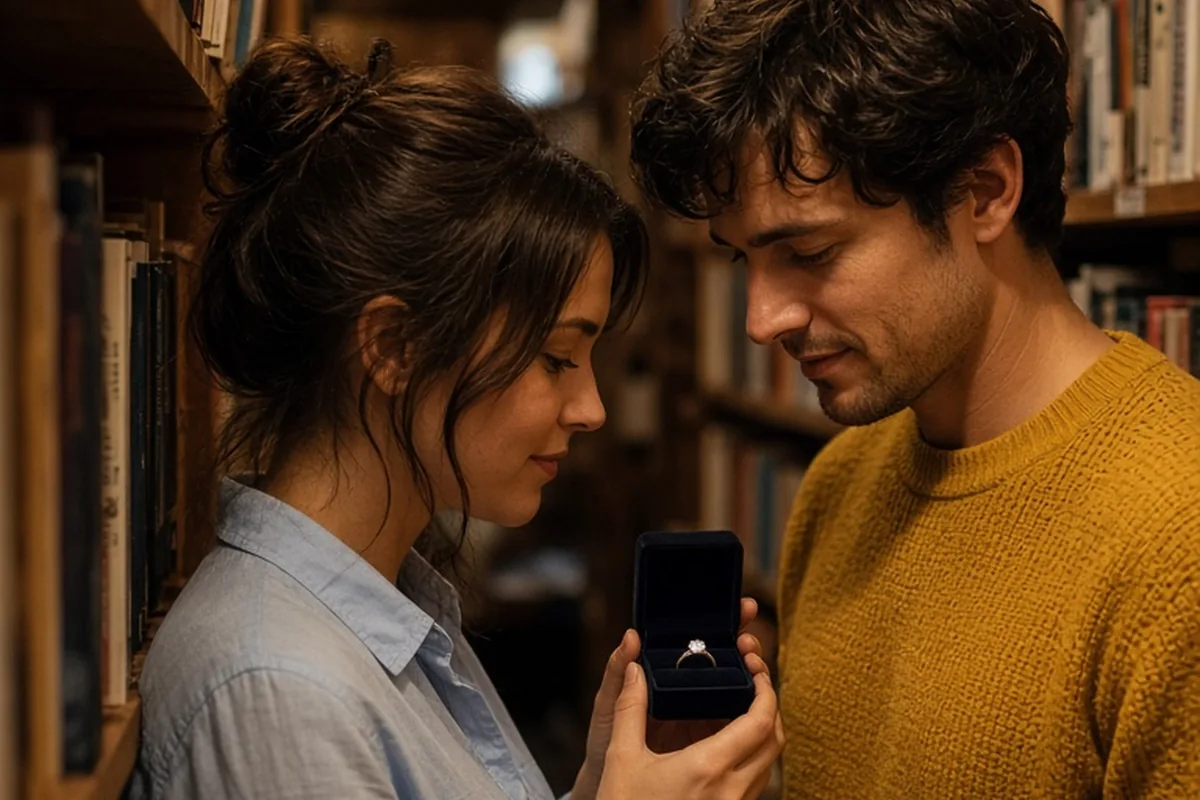
The average cost of lab grown diamonds varies significantly based on carat weight, cut precision, color, clarity, and the manufacturing process. While lab grown diamonds share the same physical and chemical properties as mined diamonds, they typically carry a much lower per-carat price point. Final retail prices depend on whether you purchase from an online wholesaler or a traditional jeweler, the grading laboratory issuing the certificate, and the metal choice for the finished ring setting.
Shopping for a diamond involves balancing aesthetic preferences with practical budget constraints. Understanding how laboratory created stones are valued enables you to evaluate quotes accurately and avoid paying for microscopic features that do not alter everyday visual appeal.
How Laboratory Created Diamond Pricing Works Across Different Carat Weights
In the jewelry market, diamond pricing does not increase in a flat, linear fashion as carat weight increases. Instead, prices generally rise in tiers corresponding to benchmark carat sizes such as one full carat, one and a half carats, two carats, and three carats. Because growing larger gem-quality rough crystals requires extended time in specialized reactors and carries a higher risk of structural flaws during synthesis, stones at or just above these benchmark thresholds command higher per-carat rates.
A practical purchasing approach involves exploring diamonds slightly below popular milestone weights, often referred to as off-size or shy weights. For instance, a diamond weighing zero point nine carats displays nearly the same surface area and diameter as a full one-carat stone once mounted in a four-prong or six-prong setting, but it frequently costs noticeably less per carat. When reviewing live inventory lists, compare the total price against the per-carat calculation across various weight brackets to identify where the sharpest price increases occur.
The 4Cs and Their Direct Impact on Lab Diamond Price Quotes
Cut quality represents the single most significant factor influencing a diamond's sparkle, fire, and perceived brightness. Even a stone with completely flawless clarity and colorless grading will appear dull, dark, or smaller than its actual weight if cut too shallow or too deep. Jewelers typically place a premium on stones with an ideal or excellent cut grade because precision cutting demands greater rough diamond loss during the faceting process. Prioritizing cut quality ensures that light reflects directly back to the eye rather than leaking out the sides or bottom of the stone.
Color and clarity grades determine the remaining proportion of the stone's base cost. Laboratory diamonds are evaluated on the standard D-to-Z color scale and clarity tiers ranging from Included to Flawless. Stones in the colorless D, E, and F range carry the highest quotes, whereas near-colorless stones graded G, H, or I offer significant savings while still appearing bright white to the naked eye when set in white gold or platinum. Similarly, eye-clean clarity grades such as VS1, VS2, or SI1 look identical to internally flawless stones under normal viewing conditions, allowing buyers to allocate more of their budget toward cut excellence or total carat weight.
Manufacturing Method Costs: Chemical Vapor Deposition vs High Pressure High Temperature
Lab diamonds are produced primarily through two distinct technological processes: High Pressure High Temperature (HPHT) and Chemical Vapor Deposition (CVD). HPHT replicates the extreme heat and pressure conditions found deep within the earth's mantle, utilizing massive mechanical presses to crystallize carbon around a seed crystal. HPHT synthesis frequently yields diamonds with very high initial color and clarity, but the machinery requires substantial electrical power and complex maintenance, which shapes the baseline manufacturing overhead.
CVD utilizes a vacuum chamber filled with carbon-rich gasses that are ionized into plasma, allowing pure carbon atoms to deposit layer by layer onto a diamond substrate. While CVD allows for precise growth control, stones grown through this method sometimes develop internal strain lines or faint brown undertones that require subsequent heat treatment to clear. Treated CVD diamonds and untreated HPHT diamonds compete closely in retail catalogs, but differences in post-growth treatments, crystal strain, and growth speeds contribute to varying wholesale costs that ultimately filter down to consumer retail pricing.
Setting, Metal Selection, and Additional Ring Assembly Expenses
The loose diamond represents only one portion of the overall expense when creating a finished piece of jewelry. The setting, precious metal alloy, and bench jeweler labor make up the rest of the total invoice. Simple solitaire settings in 14-karat white or yellow gold represent the most cost-effective mounting options, providing dependable durability with minimal structural complexity. Moving to 18-karat gold increases the gold purity and material cost, while platinum commands a further premium due to its higher density, weight, and specialized bench fabrication requirements.
Intricate setting styles also add directly to the final quote through added labor and accent stones. Pavé bands, hidden halos, cathedral shoulders, and three-stone arrangements require stone setters to hand-seat multiple micro-diamonds, each requiring individual prongs and microscopes. When gathering quotes, always verify whether the stated price covers the complete assembly, rhodium plating for white gold, ring sizing fees, and any labor guarantees, or if the merchant quotes the loose center stone separately from the mounting.
Certification, Grading Reports, and Hidden Purchase Fees
An independent grading report provides objective verification of a diamond's authenticity, laboratory origin, dimensions, and quality characteristics. The International Gemological Institute (IGI) and the Gemological Institute of America (GIA) are the two primary authorities issuing grading reports for lab grown stones. Diamonds accompanied by comprehensive laboratory documentation generally carry a modest administrative surcharge over uncertified inventory, reflecting the cost of spectroscopic analysis, grading time, and microscopic laser inscription on the diamond's girdle.
Beyond grading certificates, buyers should look for auxiliary fees that can quietly expand the final purchase total. These include domestic or international insured shipping charges, return shipping liabilities, restocking fees on custom-ordered settings, and local sales tax. Furthermore, every fine jewelry purchase should account for long-term ownership costs, such as independent appraisal fees required to secure an accurate personal property insurance policy against loss, theft, or accidental damage.
Comparing Total Retail Markups Between Online Vendors and Brick-and-Mortar Jewelers
Retail distribution models play a massive role in the final price tag presented to the consumer. Online jewelers typically operate on a virtual inventory model with centralized fulfillment centers, which significantly reduces commercial real estate leases, showroom security systems, and high inventory holding overhead. As a result, digital diamond merchants often work on tighter percentage markups, passing operational efficiencies along through lower retail listing prices across comparable carat and quality specifications.
Physical brick-and-mortar storefronts carry higher structural overhead, but they provide tangible service advantages that many consumers value highly. In a local jewelry store, you can examine stones under multiple lighting conditions, inspect cut symmetry through a loupe, compare color grades side by side against master stones, and consult directly with a master jeweler. Additionally, traditional retailers frequently bundle lifelong aftercare services into their prices, such as free lifetime cleaning, annual prong tightening, complimentary first-time resizing, and walk-in ultrasonic inspection.
Step-by-Step Method to Request and Compare Current Market Quotes
To secure an accurate and competitive price on a lab grown diamond, begin by defining your target visual parameters rather than chasing theoretical perfection on paper. Aim for an Ideal or Excellent cut grade, an eye-clean clarity rating such as VS2, and a near-colorless grade such as F or G. By anchoring these standards, you eliminate low-performing stones while avoiding the steep price premiums associated with VVS1 clarity or D-color grades that offer no discernible visual improvement in daily wear.
Next, request itemized quotes from at least three different retailers for stones matching your target dimensions, table percentage, and depth percentage. Request high-resolution thirty-degree rotational video footage and the official certificate number for each stone under consideration. Enter the grading certificate numbers into independent diamond databases to verify that the stone is not subject to excessive strain or tint. Finally, ask each vendor to confirm the complete out-the-door price, including setting labor, resizing policies, warranty terms, and return windows, before submitting payment.
Illustrative Scenarios
Balancing Diamond Specifications for an Engagement Ring Budget
A buyer shopping for an engagement ring initially sought a two-carat, D-color, VVS1-clarity lab grown diamond in a platinum halo setting. When initial estimates exceeded the target budget, the buyer shifted specifications to an Excellent cut, 1.90-carat, F-color, VS2-clarity diamond mounted in a 14-karat white gold solitaire setting. The diamond remained completely eye-clean and bright white, while the slightly lower carat weight and streamlined setting brought the total project well within financial limits.
Key point: Adjusting clarity and color slightly down to eye-clean and near-colorless tiers yields substantial savings without compromising the physical beauty or everyday brilliance of the finished ring.
Frequently asked questions
Do lab grown diamonds hold resale value like mined diamonds?
Lab grown diamonds generally have limited secondary market liquidity compared to mined diamonds because production capabilities continue to expand. While some jewelers offer trade-in credits toward future upgrades, buyers should purchase lab diamonds for their aesthetic appeal and cost efficiency rather than as financial investments.
Why do two lab diamonds with identical 4C grades have different prices?
Diamonds with matching certificate grades can differ in precise proportional ratios, table percentages, optical symmetry, and growth quality. Subtle differences such as faint brown or gray undertones, internal crystal strain, or varying vendor markup structures will create noticeable pricing variations between seemingly identical stones.
Is an IGI certificate as dependable as a GIA certificate for lab diamonds?
Yes, both the International Gemological Institute (IGI) and the Gemological Institute of America (GIA) provide rigorous, scientifically backed grading standards for laboratory created diamonds. IGI grades a large majority of lab diamonds in the market, while GIA uses identical grading criteria for both mined and lab grown stones.
Can a standard jeweler tell a lab diamond from a natural diamond with a loupe?
A jeweler cannot reliably differentiate a high-quality lab diamond from a natural diamond using standard handheld magnification because both share identical optical, physical, and chemical structures. Specialized spectroscopic laboratory equipment is required to detect the specific crystal growth patterns and nitrogen aggregations that identify synthetic origin.
Your next step
Obtain independent grading reports and request itemized written quotes from both online and local jewelers before committing to a purchase.