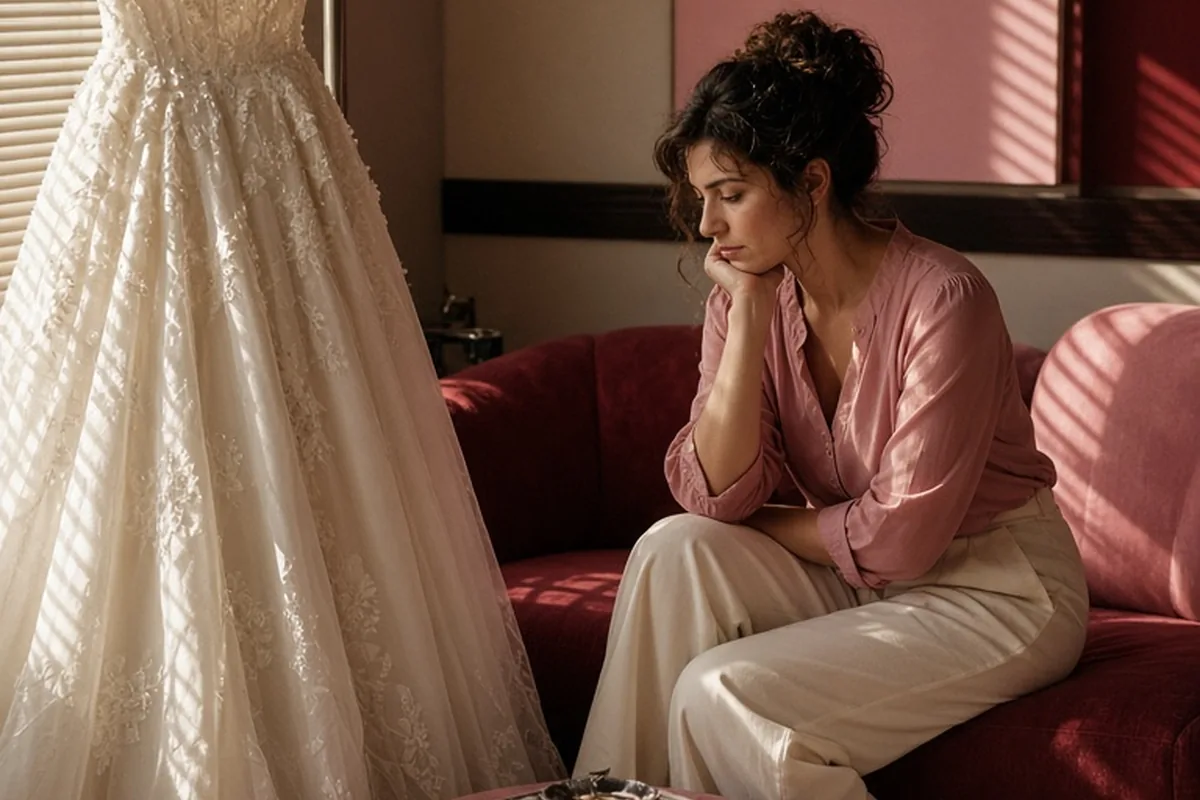
The overall expense of a wedding dress varies widely based on designer tier, construction method, fabric choice, and location, ranging from affordable off-the-rack retail options to high-end custom couture gowns. Because retail pricing fluctuates across seasons and regional boutiques, an accurate final cost must account for the base gown price alongside mandatory line items such as professional alterations, undergarments, sales tax, rush fees, and post-wedding cleaning or preservation.
Shopping for a bridal gown is often one of the most anticipated parts of wedding planning, but setting a realistic financial target can be challenging without knowing how bridal salons structure their pricing. Gown tags represent only the starting point of an overall apparel investment that requires careful line-item planning.
Base Price Categories Across Bridal Gown Market Tiers
Bridal attire falls across distinct market categories that dictate initial retail pricing before any customizations or tailoring take place. Mass-market and ready-to-wear online retailers produce standard sizes in large volumes, which keeps overhead low and offers the most economical entry point for couples managing strict apparel allocations. These garments typically feature machine stitching, synthetic textiles, and minimal internal boning, making them convenient for short timelines and straightforward celebrations.
Traditional independent bridal boutiques occupy the mid-range designer tier, where dresses are ordered made-to-order rather than custom-tailored from scratch. In this tier, a boutique takes the client measurements, orders the closest standard manufacturer size from an established bridal design house, and coordinates production over several months. At the highest tier, bespoke couture ateliers craft individual patterns specifically to a bride's proportions, utilizing hand-sewn embroidery, imported European laces, and layered internal corsetry that demand hundreds of hours of manual labor.
Fabric Selection, Embellishments, and Gown Construction Quality
The specific raw materials chosen for a gown represent a major portion of manufacturing expenses. Natural fibers such as pure silk charmeuse, silk organza, and silk mikado command premium prices due to agricultural cultivation requirements, textile processing complexities, and their delicate handling during assembly. In contrast, synthetic polyester blends, dupioni imitations, and synthetic tulles provide similar visual volume and drape at a substantially reduced manufacturing cost.
Surface ornamentation and structural engineering also dictate the final boutique quote. Intricate hand-beaded crystals, pearl applique work, and genuine French Chantilly or Alencon lace require painstaking needlework that increases production time significantly. Internal elements that remain invisible from the outside—such as multi-piece horsehair hems, layered petticoats, built-in bustiers with steel boning, and reinforced waist stays—add stability and shape retention to heavy silhouettes, directly influencing the overall retail price point.
Professional Wedding Dress Alterations and Tailoring Expenses
Because made-to-order bridal gowns arrive sized to standard manufacturer sizing charts rather than unique personal measurements, nearly every dress requires professional alterations to achieve a secure fit. Alteration costs depend heavily on the gown architecture and the number of distinct adjustment points needed. Basic alterations involve taking in or letting out side seams along the bodice, adjusting shoulder straps, shortening multi-layered hems, and installing a secure bustle system to lift the train after the ceremony.
Complex modifications elevate tailoring totals quickly. If a gown features an intricate scalloped lace border along the bottom hemline, the seamstress must painstakingly detach the lace applique by hand, trim the underlying structural fabric layers, and re-stitch the lace border seamlessly. Adding custom sleeves, reshaping a neckline, building structural cups, or resetting delicate illusion mesh requires specialist bridal tailoring expertise and multiple progressive fitting sessions across several months leading up to the event date.
Bridal Accessories, Foundation Garments, and Post-Wedding Care
Completing a bridal look requires allocating funds for supportive undergarments, specialty accessories, and post-event garment protection that are rarely factored into initial gown shopping. Cathedral or fingertip-length veils trimmed with matching lace can represent a noticeable percentage of the apparel budget when purchased directly through specialty boutiques. Additional finishing pieces such as headpieces, hair vines, custom jewelry, specialty shoes, and specialized backless or plunge shapewear contribute substantially to the total wearable wardrobe expenditure.
Financial considerations extend beyond wedding day logistics to include cleaning and archival storage. Standard dry cleaners lack the specialized solvent baths and neutral pH packaging required to remove acidic beverage spills, body oils, and outdoor grass or dance floor dirt from delicate bridal textiles. Professional museum-quality textile preservation involves meticulous spot treatment, steam pressing, and placement in an acid-free presentation chest with archival tissue paper to prevent long-term yellowing or permanent fiber breakdown over decades.
Sample Sales, Consignment, and Off-the-Rack Buying Strategies
Couples looking to maximize value without compromising on craftsmanship can explore alternative purchasing avenues such as boutique sample sales, pre-owned bridal platforms, and trunk show promotions. Sample sales occur when bridal salons rotate their floor inventory to make room for incoming seasonal collections, selling existing try-on gowns at deep discounts. While sample gowns offer immediate delivery and reduced price tags, buyers must carefully inspect seams, zipper tracks, and hemlines for minor floor wear that might require cleaning or repair.
Designer trunk shows provide another strategic avenue for savings. During these scheduled boutique weekend events, designers showcase their full current collections, often offering a standard percentage discount or complimentary customization incentives on orders placed during the event. Additionally, vetted pre-owned luxury marketplaces and local bridal consignment shops allow brides to acquire pristine designer silhouettes from past seasons that have been worn once or preserved without being utilized due to altered wedding plans.
Important Questions to Ask Your Bridal Salon Before Signing
Before providing an initial deposit or signing a binding sales agreement at a bridal boutique, clients should clarify all potential peripheral fees and store policies in writing. Delivery schedules should be confirmed explicitly, including standard manufacturing lead times, estimated shipping transit windows, and any potential fees associated with rush production or expedited delivery. Inquiring whether the salon employs dedicated in-house seamstresses or refers clients to independent regional tailoring studios helps establish realistic timelines and budget expectations.
Ask salon consultants whether alteration packages operate on a flat-rate tier structure or bill strictly a la carte per modification task. Clarify what happens if the gown arrives with manufacturing flaws, whether garment storage at the boutique is complimentary until your first fitting, and whether local sales tax or credit card transaction fees are included in the quoted estimate. Understanding cancellation terms, non-refundable deposit parameters, and return policies ensures you avoid unexpected disputes after placing your order.
How to Build a Transparent Line-Item Bridal Apparel Budget
Creating a realistic apparel budget requires building an itemized worksheet rather than assigning a single lump sum to the gown purchase. A comprehensive plan divides the total allocation across the base gown price, alteration allowances, accessory purchases, regional sales taxes, and post-wedding preservation services. Financial advisors and bridal planners generally recommend setting aside fifteen to twenty-five percent of your total bridal wardrobe budget exclusively for alterations and emergency tailoring contingencies.
To gather precise quotes tailored to your aesthetic preferences and location, schedule appointments with two or three reputable local boutiques to evaluate their average price ranges across lines they carry. Request written itemized quotes whenever possible, noting whether standard accessories such as garment bags or fabric swatches for matching bridal party palettes incur supplemental charges. Keeping a transparent spreadsheet ensures your overall wedding financial plan remains balanced and fully predictable from initial try-on through the final reception dance.
Frequently asked questions
How far in advance should someone order a wedding dress to avoid rush fees?
Most made-to-order bridal salons recommend purchasing your gown nine to twelve months prior to your wedding date. Standard manufacturing typically requires four to six months, followed by two to three months dedicated to multi-stage alteration fittings. Ordering later than six months out frequently incurs manufacturer rush surcharges or expedited alteration fees.
Why do wedding dress alterations cost more than regular clothing tailoring?
Bridal gowns feature delicate structural elements such as internal boning, horsehair hem braids, multiple layers of delicate tulle, and intricate hand-sewn lace or beadwork. Adjusting these garments requires specialized hand stitching, dismantling multiple layers without damaging fine fabrics, and constructing secure multi-point bustling systems tailored to gown volume.
Are bridal trunk show discounts guaranteed at every salon?
Trunk show discounts depend entirely on agreements between individual bridal boutiques and visiting designers during specific showcase weekends. While many events offer promotional savings ranging from modest percentage discounts to complimentary design customizations on orders placed on-site, availability and terms vary by brand and location.
Your next step
List every expected apparel item—including base gown, estimated alterations, veil, undergarments, and preservation—in a dedicated spreadsheet before booking your first salon appointment to establish a firm spending cap.