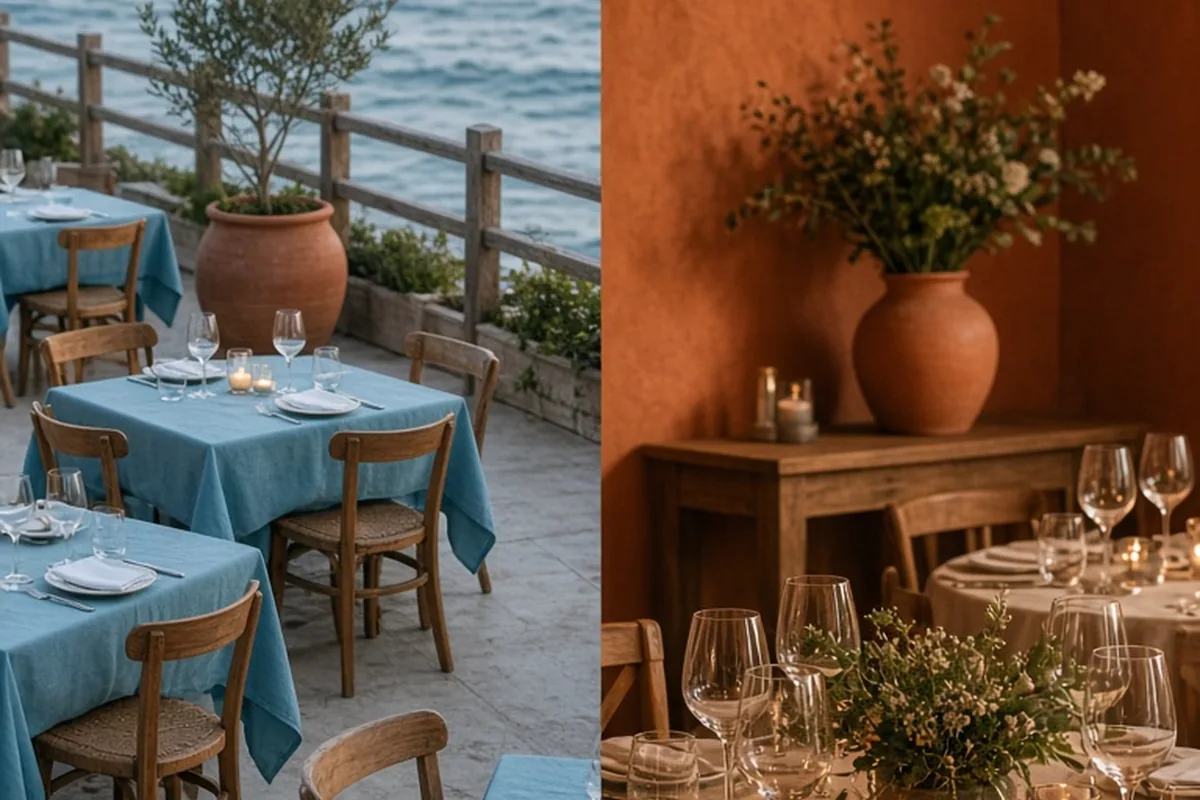
The total cost of a wedding rehearsal dinner depends primarily on guest count, venue type, dining format, and beverage selections. Rather than relying on a static national figure, hosts calculate expenses using a per-person catering rate combined with venue rental fees, mandatory service charges, beverage minimums, and local sales tax. Overall spending varies significantly between informal backyard gatherings, rented private dining rooms, and high-end restaurant buyouts, making individualized vendor quotes essential for accurate budgeting.
A wedding rehearsal dinner sets the tone for the entire wedding weekend, offering an intimate environment where close family, wedding attendants, and honored guests connect before the main celebration. Navigating the financial side of this event requires understanding how restaurants, caterers, and private venues structure their pricing so you can host a memorable gathering that aligns with your financial plan.
The Core Expense Categories That Shape a Rehearsal Dinner Invoice
Evaluating the cost of a rehearsal dinner begins with understanding how hospitality venues structure their billing. The most substantial line item on any rehearsal dinner proposal is food and beverage service, which venues typically calculate on a per-person basis or against a contractual food and beverage minimum spend. For seated restaurant dinners, this generally covers a set multi-course menu featuring appetizers, entrées, and dessert. When renting an independent event space, catering proposals often separate culinary preparation, kitchen equipment rentals, and on-site staff labor into distinct line items that must be totaled to reveal the true baseline price per attendee.
Beyond baseline food and drink, venue contracts introduce administrative and operational fees that significantly adjust the final invoice. Most private dining contracts apply a mandatory service charge, which generally ranges between eighteen and twenty-five percent of the food and beverage subtotal. It is critical to distinguish between an administrative service fee and staff gratuity, as some venues retain the administrative fee for overhead costs while expecting an additional discretionary tip for the serving staff. Finally, state and local sales taxes, alongside potential credit card processing surcharges, apply to the combined subtotal, which can add substantial costs above the base menu rate.
How Dining Styles and Venue Types Alter Overall Costs
The format you choose for serving dinner directly influences both labor costs and food expense. A traditional multi-course plated dinner represents the highest end of the service spectrum, requiring dedicated culinary precision, synchronized service staff, and extensive table settings. In contrast, family-style dining provides a warm, communal atmosphere while slightly reducing staffing requirements, though it still demands ample table space and larger serving platters. Buffet-style setups and food stations lower service labor expenses but occasionally require higher food volumes to keep display dishes looking fresh and abundant throughout the entire dining window.
Selecting the venue itself introduces distinct financial trade-offs between turnkey convenience and custom flexibility. Booking a private dining room inside a full-service restaurant provides an all-inclusive solution where tables, chairs, linens, glassware, and serving staff are built into the agreement, minimizing organizational complexity. Alternatively, renting an unconventional venue, such as an art gallery, botanical greenhouse, or historic loft, requires contracting an independent caterer, renting furniture, and possibly securing sound equipment. While independent spaces allow full control over your aesthetic and menu choices, the compounding rental, delivery, and cleanup fees often match or exceed the total cost of an all-inclusive restaurant reservation.
Beverage Packages and Bar Service Financial Models
Bar service represents one of the most volatile variables in rehearsal dinner budgeting. Venues generally offer three distinct beverage billing structures: a flat per-person hourly package, a consumption-based tab, or a modified beer-and-wine arrangement. A flat per-person open bar provides complete financial predictability, allowing guests to order freely while locking in a fixed rate per adult attendee. However, if your guest list consists primarily of light drinkers, paying a flat hourly rate per guest may result in paying for beverages that are never actually consumed.
A consumption-based tab charges the host exclusively for drinks ordered during the event, tracked through the point-of-sale system. This approach offers substantial savings for shorter dinners or gatherings with fewer alcohol consumers, but it carries the risk of an unpredictable final bill if guests order premium spirits or high-end wine selections. To manage costs on a consumption tab, hosts frequently elect to cap the bar menu by offering signature cocktails, house wine, and draft beer while excluding top-shelf liquors. Alternatively, providing a complimentary sparkling toast and allocating a specific number of drink tickets per guest allows you to extend warm hospitality while maintaining a strict ceiling on total beverage expenditure.
Managing the Rehearsal Dinner Guest List and Headcount Multipliers
Because nearly every rehearsal dinner expense is tied directly or indirectly to the number of attendees, managing the guest list is the most effective lever for budget control. The traditional rehearsal dinner core list includes the couple, immediate family members, bridal party members, and their significant others, alongside any young participants such as flower girls or ring bearers and their parents. This tight roster ensures that the individuals actively participating in the wedding ceremony rehearsal are thanked and fed beforehand.
Modern etiquette questions often arise regarding out-of-town guests and extended family members who travel long distances to attend the wedding weekend. Expanding the rehearsal dinner invitation to include all out-of-town attendees can easily double or triple your headcount, rapidly transforming an intimate dinner into a secondary wedding reception. If accommodating every traveler at a sit-down dinner exceeds your financial boundaries, consider hosting a private dinner for the core bridal party and immediate family first, followed by a broader, informal welcome reception with light desserts or a cash bar where all traveling guests can mingle.
Contract Terms, Minimum Spends, and Ancillary Venue Charges
When reviewing event agreements with private dining managers, pay close attention to minimum spend requirements rather than focusing solely on per-person menu prices. Venues commonly institute food and beverage minimums, which represent the baseline dollar amount you must spend on food and drink before taxes and service charges are applied. Minimum spends fluctuate dramatically depending on the day of the week and time of year, with prime Friday and Saturday evening slots demanding substantially higher minimum commitments than Thursday evenings or weekend afternoon timeframes.
Beyond the minimum spend, watch for ancillary fees that can quietly inflate your final invoice if not clarified during initial negotiations. Common add-on charges include audio-visual rental fees for displaying photo slideshows or using wireless microphones for speeches, room rental fees applied on top of catering minimums, and corkage or outside dessert plating fees if you bring wine or a specialty cake from an outside bakery. Additionally, confirm the precise duration of the room rental and the associated overtime rates, as lingering conversations that extend past the contracted checkout time can trigger steep hourly penalties.
Practical Approaches to Lower Rehearsal Dinner Expenses
If you want to host an exceptional gathering while keeping total costs reasonable, shifting the event format offers significant financial relief without diminishing guest enjoyment. Hosting a rehearsal luncheon, a midday brunch, or a casual early-evening gathering immediately reduces menu pricing, as daytime catering menus are routinely priced lower than prime dinner seatings. Brunch menus featuring gourmet egg dishes, artisan pastries, and mimosa stations deliver a stylish, celebratory experience at a fraction of the cost required for multi-course steak and seafood dinners.
Another effective strategy involves choosing casual, high-flavor cuisine formats such as wood-fired pizza ovens, street taco bars, or authentic regional barbecue hosted at a family residence, private clubhouse, or local park pavilion. Utilizing drop-off catering from a beloved neighborhood restaurant allows you to provide generous, delicious portions without paying steep restaurant buyout fees or elevated full-service dining markups. Pairing self-serve gourmet food with bulk-purchased wine and craft beer delivers an effortless, hospitable environment that encourages genuine mingling and storytelling.
Step-by-Step Method to Request Quotes and Calculate Local Pricing
To establish an accurate, localized budget for your rehearsal dinner, begin by reaching out to three to five potential venues within a fifteen-minute drive of your ceremony rehearsal site. When submitting inquiries, request an itemized proposal based on your estimated guest count that explicitly outlines baseline menu options, beverage package tiers, room rental requirements, and mandatory service percentages. Ask venue coordinators to clarify whether children's meals or vendor meals are discounted, and ensure you receive quotes for both weekday and weekend evenings if your timeline remains flexible.
Once you receive preliminary proposals, build a comparison spreadsheet to evaluate the true bottom-line cost rather than comparing menu prices alone. Calculate the total cost for each option using the following formula: multiply your guest count by the combined food and beverage package rate, add any flat room rental or audio-visual fees, apply the contractual service charge percentage, and finally calculate state and municipal taxes on the full sum. This thorough approach eliminates unexpected billing surprises and allows you to make an informed, confident venue decision.
Frequently asked questions
Who traditionally pays for the wedding rehearsal dinner?
Historically, the groom's parents or family covered the rehearsal dinner expenses while the bride's family financed the wedding reception. In modern wedding planning, financial responsibilities are often shared flexibly, with the couple paying for the event themselves, both families contributing jointly, or the hosts funding whatever format best fits their resources.
How far in advance should a rehearsal dinner venue be booked?
Securing your rehearsal dinner venue four to six months prior to the wedding is recommended, particularly if your wedding takes place during peak spring or autumn months. If you are targeting a highly sought-after private dining room or planning an event in a popular destination city, initiating inquiries six to nine months ahead ensures optimal availability.
What happens if our final bill does not reach the venue's required minimum spend?
If your food and beverage selections fall short of the agreed minimum spend, the venue will typically charge an unmet minimum fee or room differential to make up the balance. You can often avoid paying for unused value by upgrading your menu with higher-tier entrées, offering premium wine selections, or adding passed hors d'oeuvres during the opening cocktail hour.
Your next step
Draft your initial rehearsal guest list and contact three nearby venues today to request itemized event packets with minimum spend details.