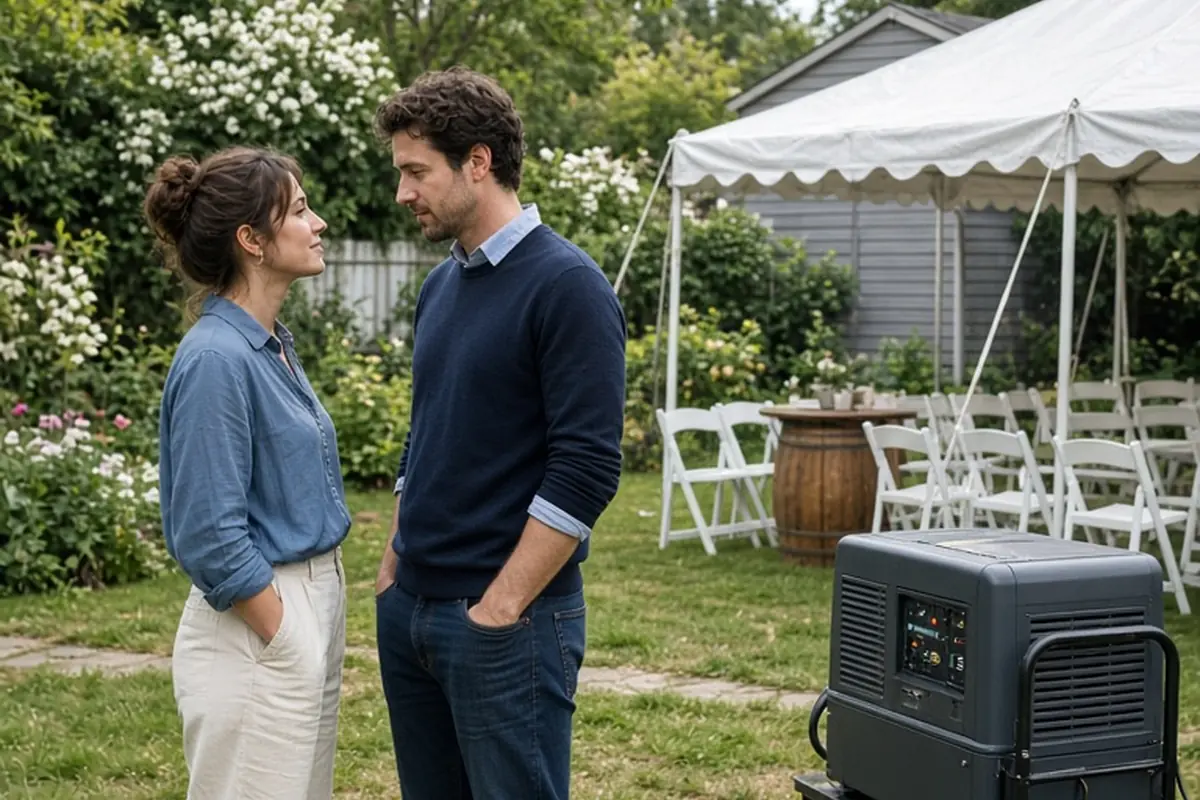
A backyard wedding often costs more than expected because private residential properties lack commercial event infrastructure. Major hidden expenses include commercial pole or frame tents with sidewalls and weighted anchoring, high-output quiet generators, luxury restroom trailer rentals, temporary commercial catering kitchens, municipal noise and parking permits, specialized event liability insurance, and post-event turf repair. Instead of an all-inclusive venue fee, hosts must separately source, permit, and manage every utility, structure, and logistical service required for a large gathering.
A wedding in a private backyard often promises an intimate atmosphere, sentimental value, and complete creative freedom. Many couples also assume that trading a traditional venue fee for a family lawn or garden will automatically trim their overall investment. However, transforming a residential space into a fully functional event venue introduces complex structural and logistical demands that commercial facilities handle behind the scenes. When private properties host large gatherings, hosts must build an entire venue from scratch, making infrastructure one of the most significant budget categories.
Backyard Wedding Tent Rentals, Anchoring, and Weather Contingencies
Securing an outdoor shelter involves far more than picking a canopy from a catalog. Tents are engineered temporary structures, and their rental rates reflect size, design, engineering ratings, and site requirements. Frame tents, which do not have center poles, are necessary when working over patios, driveways, or tight yards, but they generally cost more to rent and construct than traditional pole tents. If underground irrigation lines, gas mains, or electrical conduits prevent the rental crew from driving three-foot steel stakes into the ground, the team must secure the structure with water barrels or concrete ballast blocks. Transporting, positioning, and filling these heavy anchors requires dedicated labor and specialized trucking, quickly adding substantial line items to the basic tent quote.
Inclement weather plans demand structural additions that frequently double initial estimates. A sudden downpour requires solid or clear cathedral sidewalls, seamless rain gutters to channel water away from connected canopies, and raised subflooring to keep guests out of standing mud. On unlevel lawns, building a level timber or plastic subfloor requires comprehensive site surveying and extensive labor hours. Furthermore, climate control is not optional during seasonal extremes. Industrial forced-air propane heaters or commercial air conditioning ducting require fuel reserves, ongoing monitoring, and transport, all of which carry substantial delivery surcharges and technician fees.
Temporary Restroom Trailers and Residential Plumbing Limits
Standard home plumbing and residential septic systems are engineered for small household daily usage, not continuous operation by dozens or hundreds of guests over an eight-hour period. Subjecting a residential drain field to rapid, heavy flushes risks catastrophic wastewater backup, structural pipe failure, and costly environmental remediation. To protect residential infrastructure, couples must bring in standalone sanitation facilities. While standard construction portable toilets are budget-friendly, most couples prefer multi-stall luxury restroom trailers equipped with running water, flushing toilets, interior illumination, and mirrors.
The hidden expenses of luxury sanitation units extend beyond the daily rental fee. These trailers require level, firm ground and clear clearance for delivery trucks, which can be difficult on properties with narrow gates, low tree canopies, or soft soil. Many trailers require dedicated electrical circuits and pressurized freshwater hose connections, while dry-hire units without continuous water hookups require on-board water tank fills and post-event waste pumping services. Site walk inspections, extended delivery windows, travel surcharges, and scheduled mid-event attendant cleaning services are standard contract additions that raise the final invoice.
Electrical Power Generation, Distribution Panels, and Rigging
A residential electrical panel cannot support the cumulative amperage drawn by a full-scale wedding production. A standard household circuit easily trips when commercial food warmers, electric coffee makers, band sound systems, DJ mixing consoles, perimeter uplighting, and restroom trailer air conditioners operate at the same time. Overloading home circuits not only cuts power mid-reception but can also damage household wiring or sensitive vendor equipment. To prevent blackouts, an off-grid power infrastructure is almost always mandatory.
Rental generators designed for public events differ significantly from construction generators. Couples must lease whisper-quiet mobile generators engineered with sound baffling so engine noise does not drown out ceremony vows, dinner toasts, and acoustic music. Along with the generator, vendors require heavy-duty distribution boxes, spider panels, commercial multi-phase cables, and heavy rubber cable ramps to cover pathways and prevent guest tripping hazards. You must also account for fuel delivery charges, technician standby fees, and the cost of conducting an advance electrical load calculation across every vendor contract.
Catering Field Kitchens, Water Access, and Waste Management
Most residential kitchens lack the physical capacity, commercial ventilation, and counter space required to prepare and plate meals for a large guest list safely. As a result, off-premise caterers must construct an on-site field kitchen from scratch. This temporary staging space requires its own dedicated tent, sidewalls, outdoor lighting, heavy prep tables, commercial propane convection ovens, insulated food transport cabinets, and sanitation stations that meet local board of health food handling regulations. Caterers routinely bill these staging rentals directly to the client alongside supplemental off-site kitchen buildout fees.
Disposal logistics add unexpected operational expenses. Large gatherings generate enormous volumes of food waste, empty glassware, cardboard packaging, and greywater. Residential curbside trash pickup will not accommodate dozens of heavy commercial trash bags, nor can caterers pour cooking oils or dirty dishwater down residential drains or onto garden beds. Couples must arrange and pay for commercial trash hauling services, rental dumpsters, recycling disposal, and private ice deliveries with insulated storage containers to keep drinks and raw ingredients cold throughout warm afternoons.
Municipal Permits, Street Parking Regulations, and Sound Curfews
Unlike commercial event halls holding permanent operating licenses, residential neighborhoods operate under strict municipal zoning ordinances. A private wedding often requires several distinct permits before setup can begin. Depending on the city or county jurisdiction, hosts may need temporary mass gathering permits, fire marshal inspections for flame-retardant tent fabric, and environmental permits for temporary amplified sound. Skipping these filings can result in administrative fines or law enforcement shutting down the reception early following neighbor complaints.
Parking logistics frequently introduce major logistical bills. Residential streets are rarely wide enough to accommodate dozens of parked vehicles while keeping lanes clear for fire trucks and ambulances. When street parking is prohibited or unsafe, hosts must lease nearby commercial lots, such as schools, houses of worship, or corporate offices, and hire professional shuttle vans or passenger buses to transport guests back and forth. If street parking is permitted, the municipality may still require hiring off-duty police officers or private traffic directors to manage vehicular flow and ensure neighborhood safety.
Site Preparation, Turf Protection, and Post-Event Property Repairs
Preparing a private yard for high-traffic use requires extensive landscaping and groundskeeping adjustments. Tree branches overhanging the planned tent perimeter or dance floor must be professionally trimmed to avoid structural snags or wind damage. Lawns with subtle undulations, mole tunnels, or slopes often require grading, topsoil fill, or localized leveling to prevent twisted ankles and wobbly dining tables. In addition, professional pest mitigation services are usually necessary, requiring tick and mosquito treatments applied several days ahead so odors dissipate before guests arrive.
The impact of the event itself often leaves the lawn significantly damaged. Heavy delivery trucks carrying tent frames, portable restrooms, and rental equipment can leave deep ruts in damp soil and crack residential driveway edges. Hundreds of guests walking across turf compacts the root zone, while tents and dance floors smother the grass beneath them for days. Repairing the property afterward typically entails hiring landscape contractors for mechanical soil aeration, top dressing, over-seeding, or installing fresh sod, alongside repairing any subterranean sprinkler heads broken during tent stake removal.
Event Liability Insurance, Host Liquor Policies, and Contract Waivers
A standard homeowner insurance policy is designed to cover routine domestic liability, not commercial-scale private events involving hired independent contractors and elevated liquor service. Most basic policies explicitly exclude or severely cap coverage for injuries or property destruction arising from large private functions. If an external vendor damages the home or a guest experiences a slip-and-fall accident on an unpaved garden path, the homeowner could face direct personal financial exposure without supplemental coverage.
To mitigate this risk, property owners should purchase a standalone commercial special event liability insurance policy with comprehensive host liquor liability coverage. This policy protects against third-party bodily injury, property damage, and alcohol-related legal claims. Furthermore, professional tent companies, caterers, and lighting technicians almost universally demand to be named as additional insureds on the host policy, and they require reciprocal certificates of insurance. Reviewing coverage limits, paying policy endorsement premiums, and navigating cross-indemnity clauses represent unavoidable administrative and legal expenditures.
Frequently asked questions
Is a backyard wedding always cheaper than booking a traditional venue?
No. While you eliminate the baseline venue rental fee, you must individually source, transport, and assemble every utility and service the venue would normally provide. When factoring in tents, subflooring, power generators, luxury restroom trailers, and site repairs, a backyard wedding can match or exceed traditional venue costs.
How do I know if our home electrical panel can handle a wedding?
Have a licensed electrician audit your panel alongside the equipment spec sheets from your caterer, band or DJ, and lighting vendor. If the total simultaneous amperage draw approaches or exceeds your main service capacity, you will need a commercial whisper-quiet generator to prevent breaker trips.
What is the biggest unexpected cost property owners face after the wedding?
Lawn and landscape restoration is frequently the most surprising post-event expense. Heavy foot traffic, heavy delivery trucks, and several days under dense flooring can kill turf, compact soil, and crush buried sprinkler lines, requiring professional grading, re-sodding, and irrigation repairs.
Your next step
Schedule a joint on-site walkthrough with your tent company, off-premise caterer, and a licensed electrician to audit utility access, ground slope, and delivery clearance before finalizing your budget.