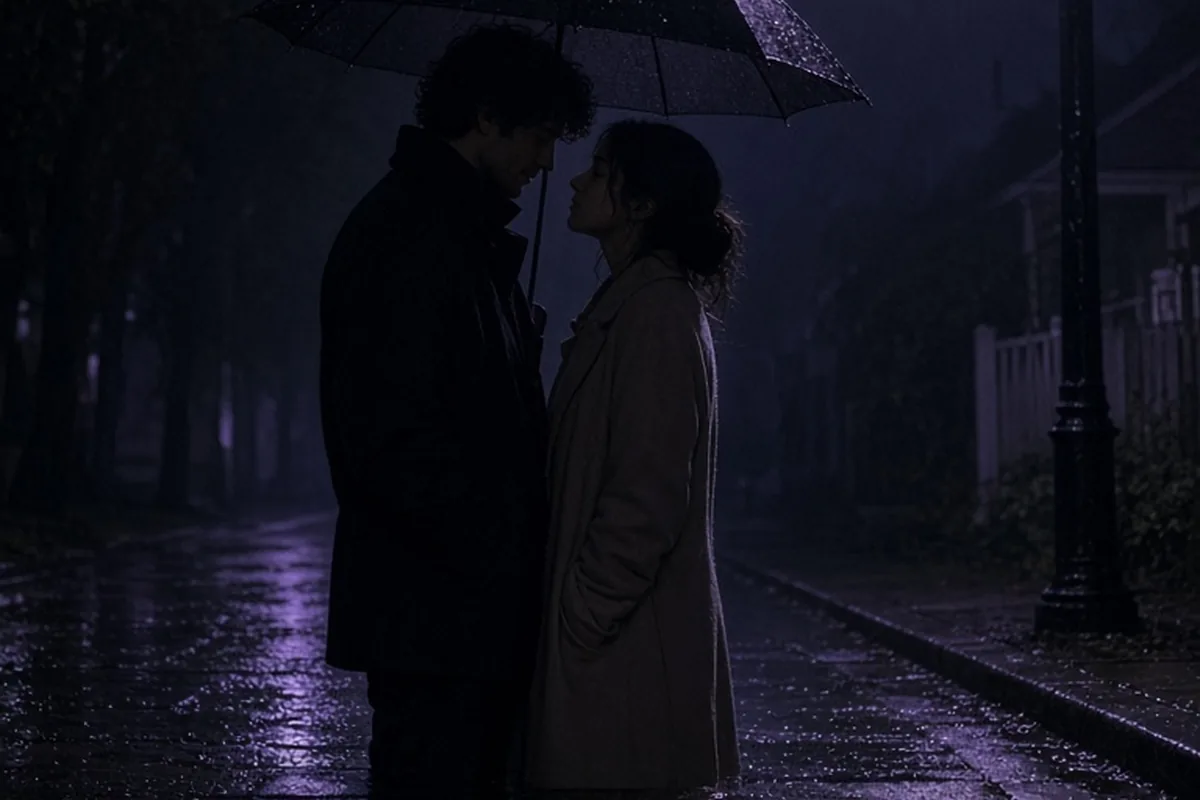
Hosting a backyard wedding offers emotional intimacy, total scheduling flexibility, pet-friendly freedom, and complete vendor autonomy. However, it requires building a venue from the ground up, which often brings unexpected costs for infrastructure such as portable restrooms, commercial generators, tenting, and permits. While a private property provides unmatched creative control and sentimental value, it demands significantly more logistical coordination, hands-on labor, and risk management than a traditional wedding venue.
Couples often envision a backyard celebration as an effortless, relaxed, and budget-conscious alternative to commercial event spaces. Transforming a private residence into a functional gathering space creates unforgettable memories, but the logistical reality is far more complex than simply setting up a few banquet tables on a lawn. Evaluating whether an at-home wedding suits your priorities means weighing the unique charms of a private setting against the practical demands of site preparation, utility management, neighborhood regulations, and guest comfort.
The Core Benefits: Total Scheduling Freedom, Personalization, and Intimacy
One of the most compelling advantages of a backyard wedding is the complete autonomy over your timeline and environment. Commercial venues frequently impose strict booking windows, requiring you to arrive at a precise morning hour and vacate the premises immediately after the reception ends. On private property, you control the schedule entirely. Setup can happen over several days leading up to the event, eliminating the rush of decorating within a two-hour window before guests arrive. Furthermore, you can host a casual morning-after brunch or an open-ended afterparty without paying steep overtime fees to a venue coordinator.
A private property also allows for deeply personal touches that commercial spaces rarely permit. If you want your beloved pets to roam freely or serve as ring bearers throughout the entire celebration, private land accommodates that with ease. You also have total freedom regarding vendor choices. Rather than being tied to a venue's required catering list with high food-and-beverage minimums, you can hire local food trucks, work with favorite neighborhood restaurants, or curate your own specialty bar menu. This level of creative control ensures that the gathering feels authentically tailored to your personalities and shared history.
The Hidden Logistics: Building a Full Wedding Venue from Scratch
The primary drawback of hosting an event at home is that residential properties are rarely designed to support the electrical, plumbing, and structural demands of a large group. Commercial venues provide industrial kitchens, high-capacity electrical panels, and heavy-duty restrooms as standard features. In a backyard setting, you must supply every element yourself. A standard residential electrical system cannot safely power a live band, extensive sound systems, professional catering warmers, and high-wattage decorative lighting simultaneously. Tripping a breaker mid-reception is a common hazard unless you rent dedicated commercial whisper generators to handle the heavy equipment loads.
Plumbing limitations present another major operational challenge. Standard residential septic and sewer lines are not equipped to handle dozens or hundreds of flushes over a four-to-six-hour period. Relying exclusively on indoor home bathrooms risks plumbing backups, long guest queues, and excessive foot traffic through private living quarters. Renting a self-contained, multi-stall luxury restroom trailer is generally necessary. These trailers require dedicated flat parking spaces, separate power hookups, and accessible water connections, adding another layer of coordination to your site map.
Financial Realities: Why Backyard Weddings Are Rarely Free
Many couples assume that eliminating a venue fee translates directly into massive budget savings, but this is often a misconception. While you avoid standard venue rental charges, the cost of sourcing every fork, glass, plate, table, chair, and trash can individually adds up quickly. Rental companies charge not only for the items themselves but also for delivery, assembly, damage waivers, and late-night teardown services. When you factor in the necessity of flooring over grass, lighting rigs, catering prep tents, and luxury restrooms, the infrastructure bill can easily match or exceed the rental fee of a standard event facility.
In addition to equipment rentals, preparing a private yard for a large crowd involves substantial property preparation expenses. Homeowners often need to invest in pre-event landscaping, tree trimming to ensure overhead safety, professional lawn aeration, and targeted pest control treatments to keep mosquitoes away from dining areas. After the event, repairing sod damaged by heavy foot traffic, high-heel indentations, and heavy rental trucks is often necessary. When analyzing potential costs, it is essential to request comprehensive quotes from rental suppliers and landscape professionals before assuming the at-home route is the cheaper option.
Weather and Environmental Planning for Backyard Spaces
Weather dependency is a significant stress factor when planning an outdoor celebration on private property. While traditional venues typically offer built-in indoor backup ballrooms or covered verandas, an outdoor residential setting requires a fully engineered Plan B. A commercial-grade tent is not merely an optional upgrade; it is an essential insurance policy against rain, intense direct sun, and sudden wind gusts. Tents must be sized appropriately to fit dining tables, a dance floor, a bar, and catering staging areas, and they must be anchored securely using long stakes or heavy water barrels depending on underground utility lines.
Environmental comfort also demands careful temperature control strategies. In midsummer, high humidity and direct heat can cause guest fatigue, food spoilage, and melting floral arrangements, requiring industrial misting fans or portable air conditioning units. For spring or autumn dates, temperatures often plummet as soon as the sun sets, making propane patio heaters or tent-ducted heating systems mandatory to keep guests comfortable. Managing these outdoor variables requires monitoring local weather trends closely and securing necessary rental equipment months in advance, as rental companies frequently sell out of climate-control gear during peak wedding seasons.
Legal, Municipal, and Neighborhood Considerations for At-Home Weddings
Operating a full-scale event in a residential zone requires navigating municipal bylaws and community relations. Most municipalities enforce strict noise ordinances that dictate specific evening quiet hours, usually requiring amplified music to cease by ten or eleven in the evening. Violating these rules can result in visits from local law enforcement, formal citations, or early shutdowns. It is critical to consult your city or county zoning office well before sending invitations to determine whether you need a special event permit, amplified sound permit, or temporary street use permit.
Neighborhood parking and street congestion require equal diligence. Standard residential streets quickly become impassable if dozens of cars park along curbs, potentially blocking emergency vehicle access or neighbors' driveways. You may need to arrange off-site parking at a nearby school, church, or community center and hire private shuttle vans to transport guests back and forth. Additionally, homeowners must contact their insurance provider to discuss special event liability coverage. A standard homeowner insurance policy rarely covers slip-and-fall injuries or alcohol-related incidents involving large crowds, making a dedicated single-event liability policy an essential layer of financial protection.
Guest Experience and Accessibility on Private Property
Providing an enjoyable and safe guest experience requires looking at the property through an objective, hospitality-focused lens. Residential yards naturally feature uneven ground, hidden root systems, sloped lawns, and soft turf that can be difficult to navigate, particularly for guests wearing formal footwear or elderly relatives using mobility aids. Laying solid subflooring, wooden boardwalks, or temporary carpeted pathways ensures that movement between the ceremony site, dining area, and restrooms is safe, stable, and compliant with accessibility needs.
Lighting is another critical safety consideration that is easy to overlook during daylight site walkthroughs. As evening falls, familiar residential paths become tripping hazards. You must install adequate illumination along all walkways, near restroom facilities, throughout parking areas, and around potential hazards like swimming pools, ponds, or garden steps. Clear physical signage is equally helpful for orienting guests, discreetly pointing them toward restrooms, coat areas, and reception zones while keeping private residential quarters off-limits.
How to Decide If a Backyard Wedding Fits Your Goals
Deciding between a backyard wedding and an established venue ultimately comes down to your personal bandwidth, budget flexibility, and comfort with hands-on coordination. If your priority is a deeply meaningful setting where you can celebrate on your own terms, incorporate unique personal elements, and enjoy an unhurried atmosphere, a private property offers an experience no commercial venue can replicate. This option is particularly rewarding for couples who genuinely enjoy event logistics, custom design projects, and detailed vendor management.
Conversely, if the thought of sourcing generators, coordinating delivery windows for half a dozen rental vendors, monitoring noise ordinances, and preparing a contingency plan for inclement weather causes significant anxiety, a traditional venue with all-inclusive infrastructure is often the wiser path. An established venue provides dedicated staff, built-in amenities, and structured contingency plans that allow you to step back and enjoy the day without shouldering property liability. Being honest about your time, tolerance for unexpected logistical hurdles, and overall property capability is the best way to choose the right setting.
Frequently asked questions
Is a backyard wedding always cheaper than a traditional venue?
Not necessarily. While you avoid a standard venue rental fee, the accumulated costs of hiring a full rental inventory—including a weather-rated tent, dance floor, lighting, tables, chairs, luxury restroom trailers, and commercial generators—can equal or surpass the price of a traditional venue package.
How much physical space do you need for a backyard wedding?
A general rule of thumb for outdoor events is to allocate approximately 25 to 30 square feet of flat, usable lawn space per guest for dining and dancing, not including space needed for catering tents, bars, or staging areas. Be sure to measure clear acreage that is free from dense trees, steep slopes, garden beds, and septic drain fields.
Do I need special insurance to host a wedding at home?
Yes, standard homeowner insurance policies rarely offer sufficient liability protection for large social gatherings involving commercial vendors and alcohol service. Purchasing a private, standalone special event liability policy with host liquor liability coverage protects the property owner against personal injury claims and property damage.
How do you handle wedding catering in a residential home?
Most professional caterers bring mobile kitchen setups and require a separate, covered staging area with dedicated electricity, lighting, and potable water access. Residential kitchens are typically used only for light staging rather than heavy cooking, so you should consult caterers early about their on-site space and power requirements.
Your next step
Measure the flat, usable square footage of your property, check your local municipal noise and event permitting regulations, and request itemized rental quotes for essential infrastructure before committing to an at-home wedding.