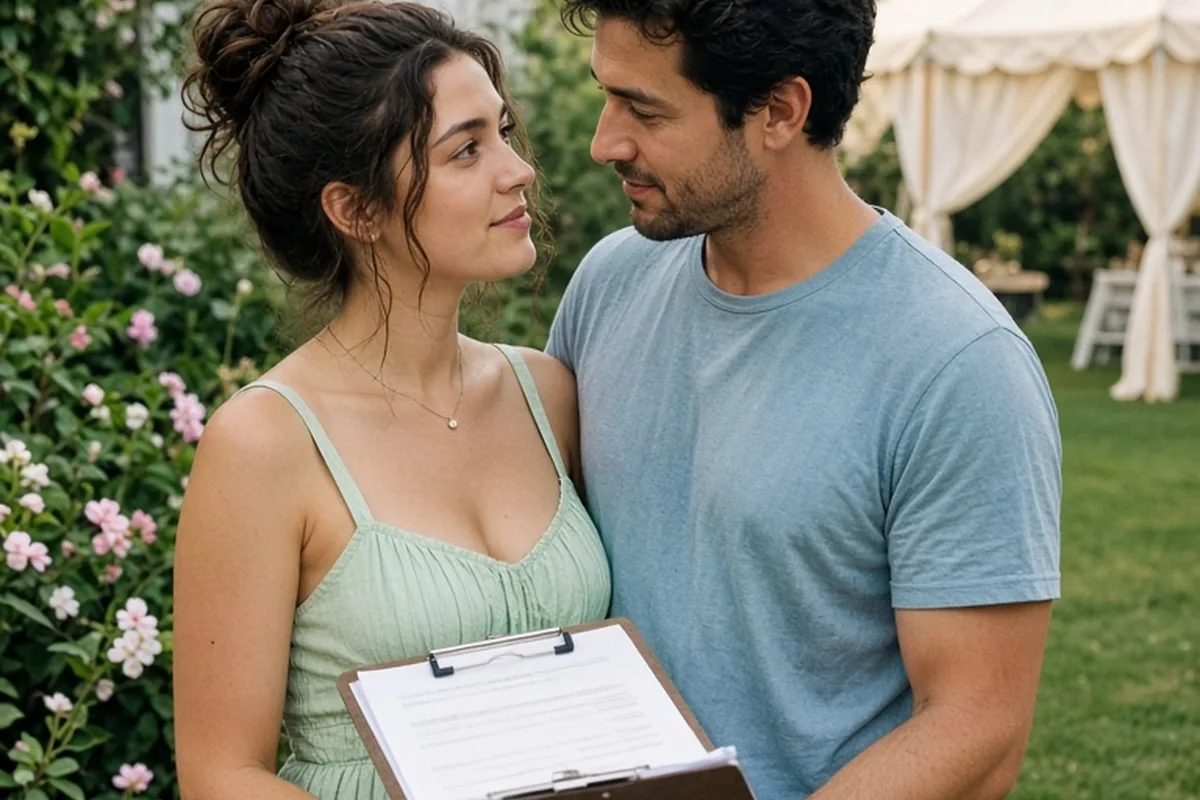
Couples planning a backyard wedding need to evaluate five critical operational areas: municipal permits and neighbor boundaries, ground terrain and square footage capacity, dedicated electrical and restroom infrastructure, vendor accessibility and kitchen prep needs, and comprehensive weather contingencies. Asking targeted questions about zoning ordinances, utility loads, property insurance riders, and delivery logistics early prevents unexpected expenses and ensures a private residential property can safely support a full event setup.
Hosting a wedding on private property offers unparalleled personal meaning and schedule flexibility, but converting a residential lawn into a functioning venue requires infrastructure that commercial spaces manage automatically. Asking the right operational questions before signing rental agreements or sending invitations ensures the property can comfortably support your guest count without structural damage, legal issues, or budget overruns.
Evaluating Ground Terrain, Square Footage, and Tent Feasibility
Before selecting decor or booking rentals, couples must determine whether the physical grounds can support their intended guest count and layout. A standard residential lawn often features subtle slopes, hidden drainage swales, or soft turf that cannot safely accommodate dining tables, dance floors, or heavy catering equipment. Couples should measure usable square footage rather than total acreage, accounting for unusable zones such as garden beds, swimming pool borders, retaining walls, and mature tree roots. Staking a large event tent requires driving long steel anchors deep into the earth, which introduces significant risk if underground irrigation lines, gas pipes, or electrical conduits are unmarked.
To assess the property accurately, schedule a professional site walkthrough with a local tent rental company and contact your local utility location service before finalizing any layout. Ask the tent provider what clearance they need around the perimeter for guy wires and whether uneven grades will necessitate an elevated subfloor system to keep dining tables level. Clarify what happens if the ground becomes saturated by rain in the days leading up to the celebration, including whether protective ground mats or heavy-duty subflooring will be required to prevent the lawn from turning into deep mud. Documenting these physical constraints early establishes realistic boundaries for your layout and helps avoid costly last-minute adjustments.
Navigating Municipal Permits, Noise Curfews, and Neighbor Communication
Residential zoning laws differ significantly from commercial hospitality regulations, meaning your event must comply with municipal codes regarding noise, street parking, structural permits, and waste handling. Many townships enforce strict amplified sound curfews that take effect at specific evening hours, as well as decibel limits measured from the property boundary line. If your celebration includes a live band or DJ operating outdoors, exceeding these limits can prompt neighbor complaints and visits from local code enforcement or law enforcement, potentially halting the reception early.
Couples should contact the local city or township clerk to identify all required permits, including temporary structure permits for tents exceeding specific dimensions, street parking waivers, and noise variance applications. In parallel, engage neighboring homeowners directly well before wedding day. Share an exact timeline covering sound checks, guest arrivals, and scheduled music cutoffs, and provide a designated point-of-contact phone number for the day of the event so neighbors can address concerns directly with your coordinator rather than calling municipal authorities. Open communication fosters goodwill and significantly reduces the risk of disruptions.
Assessing Electrical Demands, Generator Sizing, and Lighting
Residential electrical panels are engineered for standard household appliances, not the simultaneous power draw of commercial warming ovens, professional sound rigs, high-wattage lighting, and climate control units. Attempting to run catering warmers, a sound engineer's console, and perimeter string lighting from standard outdoor household outlets will almost certainly trip breakers and could cause electrical damage. Couples must catalog the exact electrical specifications of every vendor to determine the total wattage and amperage required across the entire property.
Ask each vendor for their dedicated circuit requirements, minimum amperage needs, and preferred plug types. In most cases, hiring a temporary power specialist or renting a whisper-quiet commercial event generator provides the cleanest, safest power distribution. Position generators away from ceremony and dining spaces to prevent engine noise or exhaust fumes from interfering with the atmosphere, and map cable runs along perimeter fences using heavy-duty rubber cable ramps to eliminate tripping hazards across guest walkways.
Managing Restroom Capacity, Plumbing Loads, and Sanitation
A private home's indoor plumbing and septic system are not designed to handle dozens or hundreds of flushes over a concentrated six-to-eight-hour period. Relying exclusively on one or two household bathrooms leads to long guest queues, potential plumbing backups, and unnecessary foot traffic through private living areas. Furthermore, properties operating on septic tanks risk catastrophic overflow or drain field damage if subjected to high-volume commercial use during a single evening.
Renting a luxury restroom trailer is the most reliable solution for outdoor residential events. These self-contained units provide multiple private stalls, interior lighting, flushing porcelain toilets, running water sinks, and climate control. When booking, verify the trailer's water connection requirements, electrical plug configurations, and placement logistics. Ensure the trailer can be positioned on flat, stable ground accessible to the delivery truck without damaging underground pipes or overhead tree branches, and confirm whether the rental company provides on-site maintenance and restocking services during the event.
Coordinating Backyard Wedding Vendor Access, Kitchen Prep, and Parking
Commercial wedding venues feature dedicated loading docks, commercial kitchens, and marked parking lots, whereas a residential property requires couples to design these operational zones from scratch. Caterers need adequate staging areas with level prep tables, handwashing stations, safe food storage, and clear lighting. If the home's residential kitchen is off-limits or too small, caterers must set up a separate catering field tent complete with prep tables, power sources, and potable water access.
Evaluate vehicular access for delivery vans, floral trucks, and guest vehicles along narrow residential driveways or neighborhood roads. Ask vendors about the height, length, and turning radius of their vehicles to ensure they can enter and exit without damaging landscaping, fences, or curbs. For guest parking, determine whether street parking is legal and sufficient, or if hiring an off-site shuttle service from a nearby commercial parking lot or organizing professional valet parking is necessary to keep neighborhood streets passable for emergency vehicles.
Structuring Weather Contingencies and Climate Control Plans
A successful outdoor residential celebration requires a comprehensive, non-negotiable secondary plan for inclement weather rather than a vague hope for sunshine. Rain, sudden wind gusts, extreme heat, and unexpected cold snaps directly affect guest comfort and safety. If you plan an open-air lawn ceremony, identify the exact threshold for moving under a tent or indoors, and establish a firm deadline with your vendors—typically 24 to 48 hours prior—to initiate the backup plan without chaotic last-minute changes.
Ensure your tent rental contract includes solid sidewalls with clear window panels, heavy-duty drainage gutters between connected canopies, and appropriate climate control equipment. During summer months, plan for industrial misting fans or enclosed tent air conditioning units, along with shaded lounge areas and ample cold beverage stations. For cooler seasons, reserve commercial propane tent heaters with external ducting to maintain comfortable ambient warmth without releasing carbon monoxide or safety hazards into enclosed dining spaces.
Reviewing Homeowner Liability, Event Insurance, and Cleanup Contracts
Hosting a large private gathering introduces substantial legal and property liability risks that typical homeowner insurance policies do not cover. Standard policies frequently exclude coverage for commercial-scale parties, third-party vendor injuries, or alcohol-related incidents occurring on the premises. If a guest trips over an exposed tree root or a vendor's delivery vehicle damages a neighboring fence, the property owner could be held personally liable without appropriate coverage.
Couples should secure a comprehensive event liability policy that includes host liquor liability and property damage coverage, naming the property owner as an additional insured. In addition, require every hired vendor—including caterers, florists, rental companies, and musicians—to provide a Certificate of Insurance (COI) that verifies their active general liability and worker's compensation policies. Finally, outline an explicit end-of-night cleanup agreement designating who is responsible for post-event trash sorting, recycling removal, dumpster rentals, and next-day lawn restoration.
Frequently asked questions
How many guests can comfortably fit in a typical residential backyard?
Guest capacity depends on usable flat lawn space after subtracting gardens, pools, and service paths. As a general operational guide, allow roughly 25 to 30 square feet per guest to accommodate a seated dining table, chairs, dance floor, and circulation space under a tent.
Do caterers charge extra fees for working at a private home?
Caterers may include additional service or equipment fees if the property lacks a commercial kitchen. These fees cover mobile prep equipment, field kitchen tents, portable handwashing sinks, and additional staffing needed for remote staging and cleanup.
How do we handle trash and recycling disposal after a large home wedding?
Residential curbside bins cannot handle the volume of waste generated by an event. Couples should arrange for a temporary roll-off commercial dumpster rental or contract with their catering team for full off-site trash and recycling haul-away services.
Your next step
Schedule an on-site walkthrough with a tent rental specialist and your caterer to map usable square footage, assess electrical access, and confirm property logistics before committing your budget.