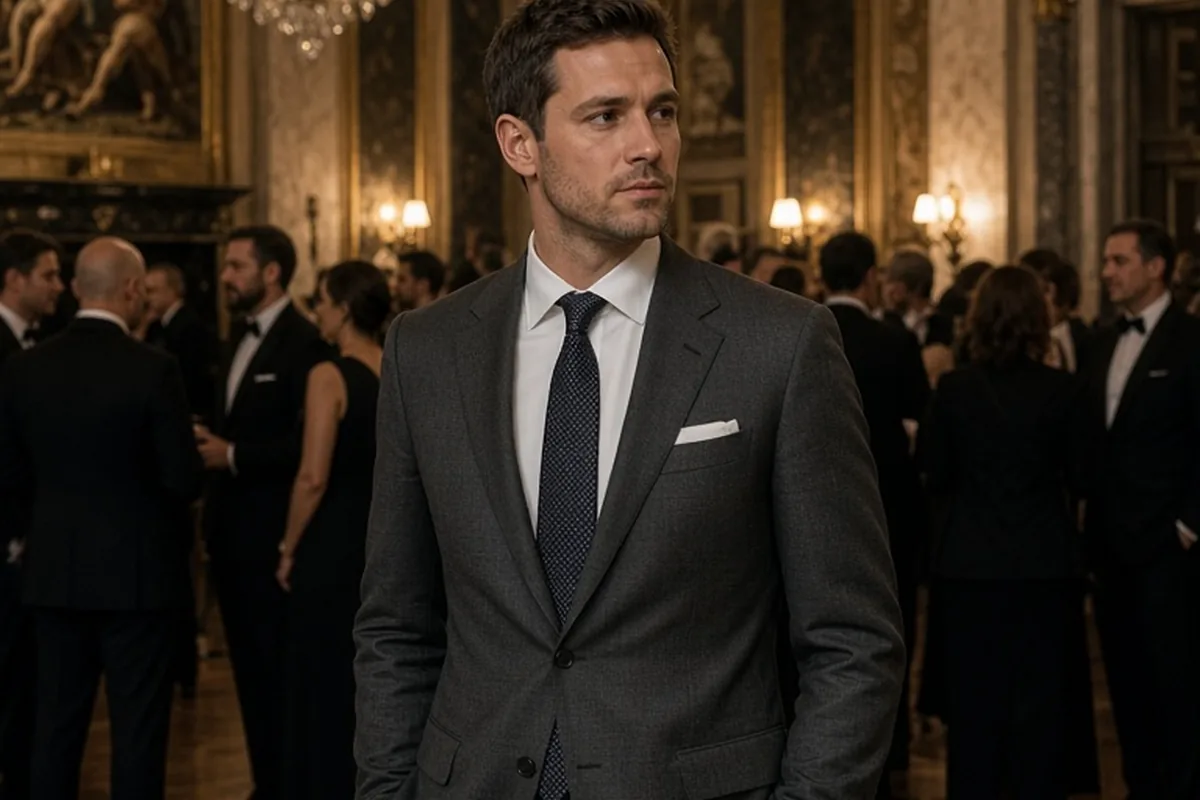
A black-tie optional wedding dress code means the hosts encourage guests to wear traditional black-tie attire, such as tuxedos and floor-length gowns, while welcoming formal alternatives for those who prefer them. For men, a tailored dark navy or charcoal suit with a white shirt, silk tie, and polished shoes is completely acceptable. For women, an elegant floor-length gown, an elevated midi cocktail dress, or a dressy evening pantsuit satisfies the request.
Receiving an invitation with a black-tie optional dress code often sparks confusion because it sits between full gala formalwear and standard cocktail party attire. Knowing how to interpret this guidance helps you choose an outfit that honors the hosts, fits the setting, and keeps you comfortable from the ceremony through the final dance.
What Black-Tie Optional Means for Wedding Guests
When couples designate a wedding as black-tie optional, they are setting a tone of elevated elegance while offering practical leeway to their guests. The hosts, immediate family members, and wedding party will almost certainly wear formal tuxedos and full-length gowns. By adding the word optional, the couple signals that they would love for you to dress to that same standard if you own the attire, but they deliberately do not wish to obligate every guest to rent a tuxedo or purchase a specialty gown. The dress code establishes a formal foundation rather than an absolute mandate.
Understanding this distinction requires looking at where black-tie optional sits relative to nearby dress codes. Strict black-tie is rigid, demanding black or midnight-blue dinner jackets, formal evening bow ties, and floor-sweeping dresses. In contrast, standard cocktail attire permits playful prints, lighter suit colorways, knee-length dresses, and relaxed textures. Black-tie optional sits squarely on the formal end of that continuum. It is not an opening to wear business casual attire, sport coats, or daytime floral sundresses. Instead, it invites you to wear the most formal garments in your existing wardrobe without forcing you into costume-level formality.
Suits Versus Tuxedos: Choosing the Right Masculine Option
If you own a classic black or midnight-blue tuxedo that fits well, a black-tie optional wedding is an ideal occasion to wear it. A proper tuxedo features satin or grosgrain facings on peak or shawl lapels, matching trim down the outer seam of the trousers, a crisp white dress shirt with French cuffs, a black silk bow tie, and patent leather or high-shine calfskin dress shoes. Wearing a tuxedo respects the hosts' highest styling preferences and blends naturally with the visual aesthetic of the wedding party and evening decor.
Guests who do not own a tuxedo should not feel compelled to rent one. A well-tailored dark suit represents the premier alternative under this dress code. The color must be unmistakably dark: solid charcoal gray, deep midnight navy, or black are the only colors that fit the occasion. Light gray, tan, olive, or patterned suits read far too casual. Combine the dark suit with a clean white dress shirt featuring a spread collar, a silk necktie in a restrained shade like dark slate, burgundy, or black, and polished black oxfords. A neatly folded white linen pocket square adds a deliberate finish that distinguishes an evening ensemble from regular office clothing.
Styling nuances make the difference between looking like a distinguished wedding guest and appearing as though you arrived straight from a corporate meeting. Avoid novelty ties, wide stripes, and casual button-down collars. Ensure that your trousers break neatly over the tops of your shoes without excess fabric puddling at the ankles, and choose over-the-calf dress socks that match your trousers. Keep jewelry subtle by choosing a slim dress watch with a dark leather band or a quiet metal link bracelet, leaving casual fitness trackers and sports watches at home.
Floor-Length Gowns Versus Cocktail Dresses: Selecting Feminine Attire
For feminine attire, black-tie optional provides wide stylistic latitude. A floor-length evening gown is always the safest and most traditional route. However, if wearing a full-length gown feels impractical, you can confidently wear an elevated cocktail dress, provided the silhouette and fabrication convey evening sophistication. An ideal non-gown alternative is an ankle-length or tea-length dress that falls comfortably below the knee. Dresses with hemlines above the knee generally lack the visual weight needed for a black-tie optional evening and should be saved for afternoon or semi-formal events.
Tailored evening pantsuits and formal jumpsuits offer refined, contemporary alternatives to traditional dresses. A tuxedo-inspired women's suit cut from heavy silk crepe, satin-backed crepe, or plush velvet carries the exact gravitas expected in formal settings. When selecting a jumpsuit, focus on wide-leg trousers, clean structural lines, and substantial fabrics rather than lightweight jersey or unlined knit materials. Styling plays a decisive role: accessorize with pointed-toe evening shoes, a sleek clutch, and striking earrings to signal intentional evening glamour.
Pay close attention to proportions and design balance when choosing your dress. If a gown features an alluring design element such as a deep neckline, an open back, or an off-the-shoulder cut, balance it with clean tailoring and a modest hemline so the garment remains stately. Steer clear of high-low hemlines, casual tiered ruffles, or sheer beach-style cover-up aesthetics. The objective is an outfit that feels composed, statuesque, and at ease in a beautifully appointed banquet room.
Fabric Textures and Color Palettes by Season
Fabric texture communicates formality before any other element of an outfit is noticed. High-formality textiles include silk shantung, heavy crepe, satin, brocade, velvet, structured mikado, and fluid chiffon. These materials hold structure, drape smoothly, and catch evening ambient lighting with subtle refinement. Casual fabrics such as breathable linen, cotton poplin, seersucker, and casual stretch jerseys flatten the silhouette and automatically downgrade an outfit to daytime status, regardless of how formal the garment's pattern or cut might be.
Color choices should harmonize with the formal atmosphere and the time of year. For autumn and winter weddings, deep jewel tones such as emerald green, sapphire blue, rich plum, ruby, and midnight black provide timeless drama. For spring and summer celebrations, deep hues remain completely appropriate, but lighter options like dusty rose, sage green, slate blue, or muted terracotta work well when constructed from heavyweight formal textiles. Avoid loud neon tones and busy tropical prints. Most importantly, leave all shades of white, ivory, cream, and eggshell entirely to the couple.
Venue and Ceremony Timing as Formality Clues
The physical setting of the celebration provides essential clues about where your outfit should land on the formality spectrum. A wedding hosted at a metropolitan private club, a historic cathedral, or a luxury hotel ballroom naturally pulls toward the stricter end of black-tie optional; in those spaces, tuxedos and floor-length gowns will be widespread. If the wedding is held at a private vineyard, an outdoor estate, or a coastal tented pavilion, dark tailored suits and elevated midi dresses feel wonderfully suited to the surroundings and make walking across grass or garden pathways much simpler.
Ceremony and reception start times also reveal critical expectations. Black-tie optional weddings almost always take place in the late afternoon or evening, typically starting at five o'clock or later. The later start time indicates that the reception will occur under warm, dim dinner lighting where richer fabrics, darker colors, and metallic jewelry shine brightest. If the schedule includes an earlier religious ceremony, bring a coordinating wrap, light jacket, or structured shawl to provide shoulder coverage before heading into the evening celebration.
Footwear, Accessories, and Evening Layering
Footwear must harmonize with formal aesthetics while offering practical support for an evening of standing, walking, and dancing. For masculine dress, black patent leather shoes pair effortlessly with a tuxedo, while mirror-shined black leather oxford shoes or clean wholecuts complement a dark suit. Avoid brown leather, casual loafers with thick rubber lug soles, and fashion sneakers. For feminine attire, formal block heels, delicate heeled sandals, or classic satin pumps provide polished sophistication. Choose a heel height you can comfortably wear for several hours so you never feel forced to switch into casual daytime flats on the dance floor.
Evening accessories should be selected with restraint. Trade everyday work bags for a compact satin clutch, an acrylic box purse, or a metallic evening bag that carries only your essentials. When selecting jewelry, choose one focal piece, such as a statement necklace or chandelier earrings, balanced by quiet supporting pieces, rather than piling on competing items. Outerwear also requires thought: do not cover a formal outfit with a casual puffer jacket or utility coat. Choose a long wool overcoat, a sharp tailored trench, or a soft cashmere wrap that maintains the integrity of your evening look.
Common Wardrobe Missteps to Avoid
A frequent question among wedding guests is whether a solid black suit works as well as navy or charcoal. A tailored black suit is entirely acceptable for a black-tie optional wedding, but it requires mindful styling to avoid looking like a business uniform or event staff attire. Combine the black suit with a crisp white shirt, French cuffs, and a textured silk tie in black, graphite, or deep wine. Avoid pairing a black suit with a black shirt, as monochromatic black shirt-and-suit combinations read like nightclub attire rather than wedding formalwear.
The most common mistake guests make with black-tie optional is confusing the word optional with permission to dress casually. Foregoing a necktie, wearing an unbuttoned shirt, arriving in khaki trousers, or selecting a cotton daytime sundress undermines the hosts' vision for their special day. If you ever feel caught between two outfits, choose the more formal option every time. Arriving slightly more dressed up than another guest feels natural and respectful at a formal celebration, whereas being noticeably underdressed creates enduring awkwardness.
Illustrative Scenarios
Deciding Between an Owned Dark Suit and a Rented Tuxedo
A guest invited to an evening autumn wedding at an art museum debated whether to spend money renting a tuxedo or wear his existing charcoal suit. After confirming the reception started at six o'clock and was followed by a formal seated dinner, he decided to wear his tailored charcoal suit paired with a crisp white spread-collar shirt, a dark navy silk tie, and polished black oxfords. Upon arriving, he noticed about half of the masculine guests wore tuxedos while the rest wore dark suits, and his attire fit into the room seamlessly without unnecessary expense.
Key point: A tailored dark suit accessorized with evening-ready silk pieces meets the black-tie optional dress code with full elegance, removing the need to rent a tuxedo if you already own high-quality formalwear.
Frequently asked questions
Can women wear a midi-length dress to a black-tie optional wedding?
Yes, women can wear a midi dress if the fabric, cut, and accessories communicate evening formality. Look for sophisticated materials such as heavy crepe, satin, or velvet that fall to the mid-calf or ankle. Pair the dress with elevated heels, formal jewelry, and a structured evening clutch to maintain the necessary visual weight.
Should I wear a bow tie if I choose to wear a dark suit instead of a tuxedo?
It is best to avoid wearing a black bow tie with a standard dark suit. A black bow tie is traditionally meant for tuxedo lapels, and pairing one with a standard business suit can make you resemble venue staff. Instead, wear a refined silk necktie in a dark, understated shade such as charcoal, black, or deep navy.
What should men do if they do not own a dark navy or charcoal suit?
If your closet only holds light-colored suits, casual sport coats, or business separates, renting a tuxedo or investing in a versatile dark suit is the most appropriate step. Black-tie optional does not accommodate tan, light gray, or patterned blazers, which look out of place at an evening formal reception.
Are formal evening jumpsuits acceptable for black-tie optional?
Yes, tailored evening jumpsuits and women's tuxedo pant suits are modern, stylish choices for this dress code. Ensure the jumpsuit is crafted from formal fabrics like structured crepe or velvet and has wide-leg or straight-leg tailoring. Complete the outfit with formal evening jewelry and refined heels.
Your next step
Review your wardrobe now for an existing dark tailored suit or an elegant floor-length or midi dress, and confirm that your footwear and formal accessories are cleaned, polished, and ready well before the celebration.