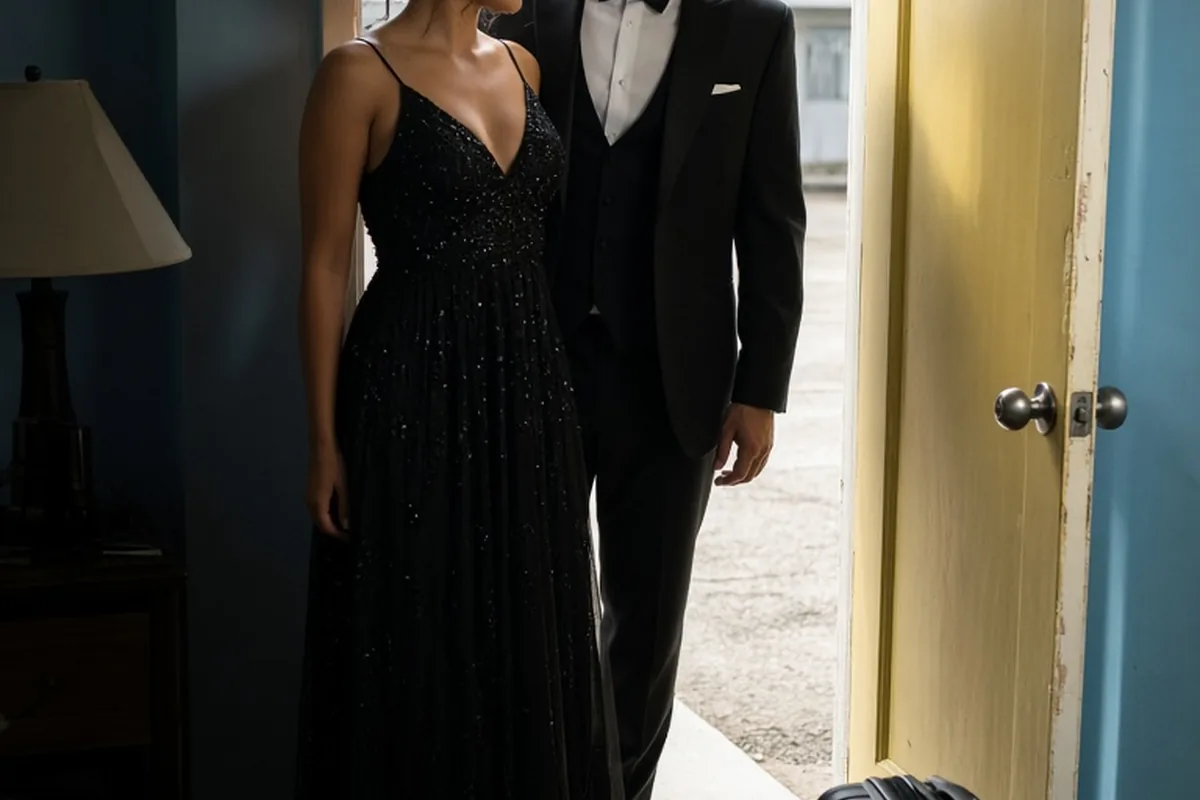
For a 100-guest black tie wedding, guests should wear traditional formal evening attire: a floor-length gown for women or a classic black or midnight-blue tuxedo with a black bow tie for men. Because a 100-person guest list creates an intimate setting where every guest is visible to the hosts and featured in professional photography, strict adherence to black tie standards is expected over casual or cocktail alternatives.
Receiving an invitation to a black tie wedding is an invitation to celebrate at the highest level of social formality, but the guest count changes how that dress code feels in practice. When an event is capped at roughly 100 attendees, the celebration balances grand evening formality with personal intimacy, making thoughtful, well-fitted wardrobe choices essential.
Why Guest Count Matters at an Intimate 100-Person Black Tie Wedding
A wedding with approximately 100 guests sits in a distinct category of event design. Unlike large ballroom galas with 300 or more attendees where individual outfits blend into a vast crowd, an intimate formal wedding places every attendee in direct line of sight. At this scale, the couple has curated a deliberate guest list composed primarily of close family members, treasured friends, and long-standing colleagues. You will likely interact directly with both hosts, share a dining table with immediate relations, and appear in numerous wide-angle ceremony shots, candid reception moments, and group portraits.
This level of proximity eliminates the margin for cutting corners on the dress code. At larger events, an underdressed guest wearing a dark business suit or a knee-length party dress might pass largely unnoticed in the background. In a room of 100 people, relaxed interpretations of formalwear stand out immediately and can unintentionally signal a lack of respect for the hosts' formal vision. Embracing true black tie attire honors the couple's hospitality, complements the curated venue, and ensures you feel completely poised throughout the entire evening.
Floor-Length Gowns and Elevated Silhouettes for Women
For female guests, the standard requirement for black tie is an authentic floor-length evening gown. The hemline should graze the floor or sit just a fraction of an inch above the top of your evening shoes, creating an unbroken vertical line. While high-low hems or ankle-length midi cuts occasionally appear in creative formal environments, a traditional 100-guest black tie wedding calls for classic evening proportions. Look for silhouettes that hold their shape gracefully, such as structured A-line skirts, tailored column gowns, or fluid bias-cut styles crafted from substantial evening textiles like silk crepe, velvet, mikado, or layered chiffon.
Color choices should feel festive and evening-appropriate while respecting standard wedding etiquette. Rich jewel tones like emerald, sapphire, rich plum, and ruby are timeless options, as are deep neutrals including navy, charcoal, chocolate brown, and classic black. Black has become an exceptionally chic, widely accepted choice for North American black tie weddings, provided the silhouette feels celebratory rather than somber. Avoid white, off-white, ivory, champagne, or pale pastel shades that photograph as bridal white under evening flash. If you choose an embellished gown featuring sequins, beadwork, or metallic thread, ensure the construction is refined and the pattern balanced so the gown looks elevated rather than distracting in close-up photos.
Classic Tuxedos and Essential Tailoring for Men
Masculine attire for black tie centers strictly on the dinner jacket and matching trousers, universally known as a tuxedo. A standard charcoal or black business suit is not an equivalent substitute for black tie, as it lacks the specialized structural accents that define formalwear. The dinner jacket should be tailored from black or deep midnight-blue wool, with midnight blue offering a rich, ink-dark appearance under warm indoor chandeliers. The jacket should feature either peak lapels, which accentuate the shoulders and chest, or a curved shawl collar for a vintage, Old Hollywood aesthetic. Both lapel styles must be faced in contrasting silk, grosgrain, or satin.
The accompanying trousers must match the jacket fabric precisely and feature a single satin or grosgrain stripe running down the outer side seam of each leg. Formal trousers are designed without belt loops; they are held cleanly in place with interior brace buttons and silk suspenders. Pair the suit with a formal white evening shirt featuring either a pleated bib or a pique bosom, French cuffs fastened with understated cufflinks, and black studs or a hidden fly placket. Complete the ensemble with a self-tied black silk bow tie that matches the texture of your lapel facing, along with a cummerbund or a low-cut evening waistcoat to cover the trouser waistband.
Tailored Tuxedo Suiting and Jumpsuits as Modern Alternatives
Guests seeking alternatives to traditional evening gowns can look to sharp, formal suiting designed specifically for black tie evening wear. A beautifully cut women's or gender-neutral tuxedo, often referred to as a Le Smoking silhouette, offers an exceptionally chic statement. The key to making suiting work for black tie lies in the fabric and lapel construction. The jacket must possess formal satin or grosgrain facings, structured shoulders, and tailored trousers with a formal evening drape. Style the suit with a fine silk camisole, an evening blouse with French cuffs, or a tailored high-neck evening top, finished with pointed-toe formal heels or patent evening loafers.
Formal jumpsuits can also fulfill a black tie dress code, provided they feature the architectural weight and elegance of an evening gown. The silhouette should incorporate wide, floor-sweeping legs that emulate the movement of a long skirt, paired with a fitted, structured bodice made of crepe, heavy satin, or velvet. Avoid casual daywear jumpsuits made from jersey knits, cotton blends, or relaxed linens. Pay close attention to hardware and closures: exposed metallic zippers or casual utilitarian pockets will undermine the formal nature of a black tie event, whereas concealed fastenings, rich drapery, and pristine hems maintain the required standard of elegance.
Fabric Selection and Venue Realities for a 100-Guest Celebration
A 100-person guest list frequently points to distinct venue styles: historic private mansions, luxury boutique hotels, private art museums, rooftop conservatories, or upscale country club dining rooms. These venues feature intimate spaces where guests spend considerable time seated for a formal, multi-course plated dinner. Your choice of fabric must balance visual beauty with practical performance. Heavier textiles such as wool barathea, silk crepe, and structured mikado resist creasing during long dinner courses, ensuring you look as crisp during midnight dancing as you did when stepping out of the car for the ceremony.
Seasonal nuances should also guide your fabric decisions. For autumn and winter celebrations, plush velvet dinner jackets, heavy brocades, and dense crepe gowns provide both warmth and luxurious texture. For late spring or summer black tie events, opt for lightweight tropical-weight wool tuxedos and airy silk chiffon, georgette, or organza gowns. Even in warmer months, indoor formal venues maintain aggressive air conditioning to keep tuxedo-clad guests comfortable. Always plan for an elegant evening wrap, such as a silk-lined cashmere pashmina, tailored evening capelet, or structured velvet shawl that complements your outfit without obscuring its silhouette.
Footwear, Evening Accessories, and Jewelry Proportions
Footwear for black tie requires a high level of polish without sacrificing your ability to stand through cocktail hours and dance into the night. For tuxedo wearers, traditional footwear consists of black patent leather oxfords or opera pumps finished with grosgrain bows. Highly polished, mirror-shined black calfskin wholecut oxfords are also acceptable. Pair them with over-the-calf black silk or ultra-fine merino socks to ensure no bare leg is exposed when seated. For those wearing gowns or formal suits, choose refined evening sandals, satin pumps, or embellished evening flats. Ensure shoes are thoroughly broken in prior to the wedding day to prevent discomfort during mingling.
Accessories should reflect deliberate restraint and high refinement. Handbags should be small evening styles: an architectural metal minaudiere, a petite silk clutch, or a delicate satin envelope bag. Everyday totes, structured work bags, and crossbodies with casual leather straps should remain at home or in your hotel room. Jewelry should focus on one or two statement elements rather than a competing set. If you wear bold chandelier earrings or an ornate cuff bracelet, pair them with a minimal neckline. A crisp white linen or silk pocket square folded neatly into the dinner jacket breast pocket provides the final, indispensable polish for a tuxedo.
The Pre-Event Tailoring and Fit Checklist
Flawless tailoring is the definitive factor that distinguishes an exceptional black tie ensemble from an ill-fitting one. Because ready-to-wear formal garments are constructed for generic proportions, taking your outfit to an experienced tailor is practically mandatory. For gowns and formal jumpsuits, your tailor must pin the hemline while you are wearing the exact shoes and undergarments you plan to wear at the event. Even a half-inch difference in heel height can cause a floor-length gown to puddle awkwardly on the floor or hang too high, breaking the elegant line of the garment.
For tuxedos, ensure the jacket sleeves hit right at the wrist bone, allowing approximately a quarter to half an inch of shirt cuff to show. The jacket collar must sit flush against the shirt collar without gaping or bunching behind the neck. Trousers should feature a clean, minimal break where the hem gently touches the top of your shoes without bagging around the ankles. Test all closures, hooks, and buttons while standing, sitting, and walking to ensure complete freedom of movement. Finally, have your garments professionally steamed or pressed shortly before the event, and transport them in a breathable fabric garment bag to prevent unexpected creasing.
Frequently asked questions
Can female guests wear a cocktail dress if the black tie wedding only has 100 guests?
A floor-length gown is standard for a black tie wedding regardless of the guest count. Because a 100-guest event is highly intimate, wearing a shorter cocktail dress will be noticeable and underdressed compared to the rest of the attendees. If you do not own a floor-length gown, renting an evening dress or choosing a tailored evening tuxedo suit is recommended.
Is it acceptable for a man to wear a dark suit if he does not own a tuxedo?
For an event specifically designated as black tie, a classic tuxedo is expected. If you do not own a tuxedo, renting one or investing in a versatile dinner suit is the appropriate choice. A dark charcoal or navy business suit should only be used as a last resort if the invitation indicates black tie optional rather than strict black tie.
Are black dresses appropriate for women at an intimate black tie wedding?
Yes, black evening gowns are entirely appropriate and considered very chic for modern black tie weddings. As long as the dress features an elevated, celebratory silhouette in an evening textile like crepe, satin, or velvet, it serves as an elegant and flattering option for the occasion.
What is the difference between black tie and black tie optional for a 100-guest wedding?
Strict black tie requires a tuxedo or a floor-length evening gown. Black tie optional signals that the hosts encourage full black tie attire, but guests who do not own a tuxedo may wear a dark, well-tailored business suit with a white shirt and conservative silk tie, or an upscale formal midi dress.
Your next step
Schedule a professional tailoring appointment at least three weeks before the wedding, bringing your planned evening shoes and undergarments to guarantee an exact hemline and flawless silhouette.