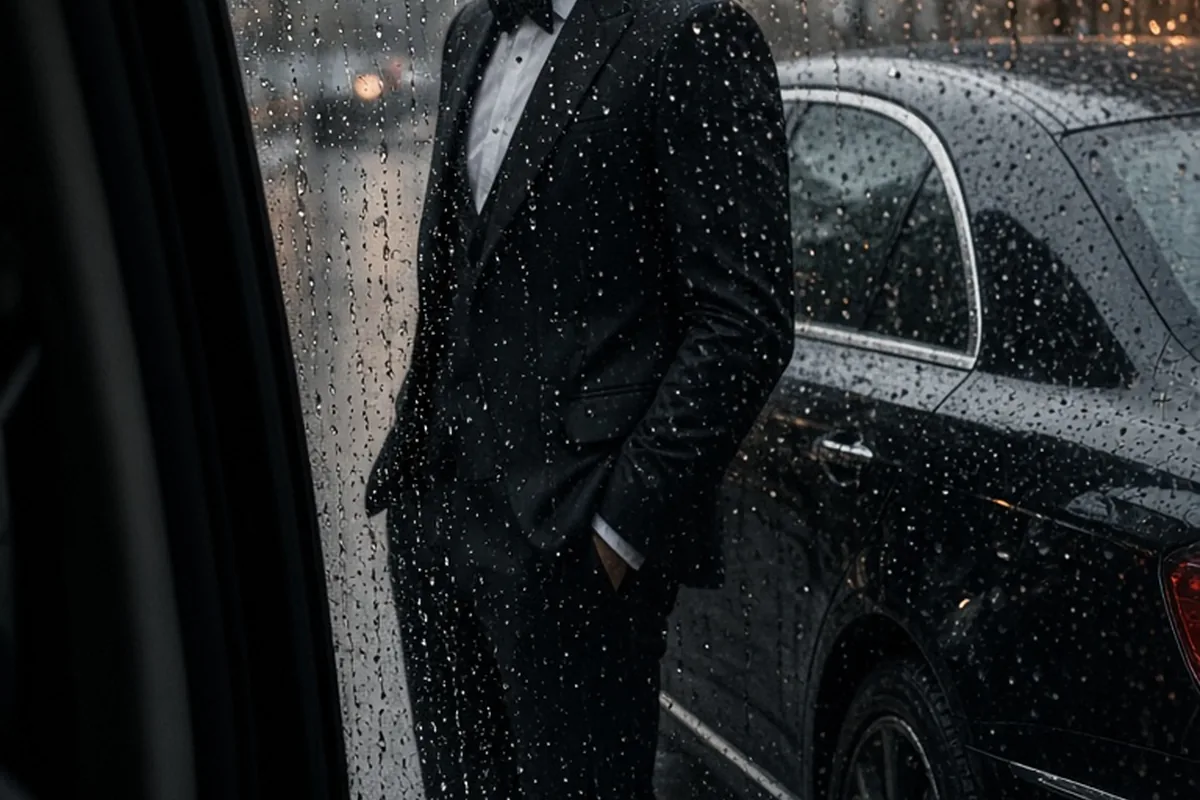
For a 200-guest black tie wedding, men should wear a traditional black or midnight blue tuxedo with a silk bow tie, formal dress shirt, and patent leather shoes. Women should wear a floor-length evening gown or an ultra-formal dressy jumpsuit paired with refined jewelry and evening footwear. At a large celebration, strict adherence to formal dress codes is standard, so avoid business suits, knee-length cocktail dresses, and white or bridal party hues.
A wedding with two hundred guests represents a grand, highly coordinated event where the dress code establishes a cohesive atmosphere for formal photographs, seated multi-course dinners, and ballroom receptions. Navigating this scale requires balancing classic formality with practical comfort, ensuring your attire looks impeccable while allowing you to move easily through crowded reception rooms and dance floors.
Understanding Black Tie Formality at Large-Scale Weddings
When an invitation for a large event specifies black tie, hosts expect traditional evening attire rather than creative interpretations or business-casual hybrids. In a gathering of two hundred guests, group photos, wide-angle venue shots, and structured seating arrangements highlight visual consistency. Straying from the established standard can make you stand out noticeably against a sea of classic silhouettes.
Black tie differs distinctly from black tie optional. In an optional setting, dark suits and sophisticated midi dresses are acceptable alternatives. For pure black tie, the baseline shifts strictly to formal tuxedos and floor-length gowns. Understanding this distinction prevents underdressing at high-profile venues such as historic estates, luxury hotel ballrooms, or private country clubs commonly chosen for large guest counts.
Tuxedo and Suiting Guidelines for a 200-Guest Evening Reception
A proper black tie ensemble for men starts with a well-fitted dinner jacket and matching trousers made from black or midnight blue wool. Midnight blue is a traditional alternative that often appears richer and deeper under artificial ballroom lighting than standard black. The jacket should feature satin or grosgrain facing on either a peak lapel or a shawl collar. Notch lapels, while common on business suits, are generally considered less traditional for formal evening wear.
The supporting elements complete the black tie framework. Wear a white formal dress shirt featuring a spread or wing collar, with either a pleated or pique bib front, fastened with black or metallic studs and matching cufflinks. The trousers must feature a single satin or grosgrain stripe down the outer seam and should be worn with suspenders rather than a belt, as belts disrupt the clean line of the waist.
To cover the waistband, select either a classic black silk cummerbund with the pleats facing upward or a low-cut formal waistcoat. Complete the outfit with a hand-tied black silk bow tie that matches the texture of your jacket lapels. For footwear, opt for black patent leather oxfords or polished calfskin opera pumps paired with over-the-calf black silk or fine wool socks.
Evening Gown Silhouettes, Fabrics, and Colors for Formal Celebrations
For women, a floor-length evening gown remains the gold standard for black tie gatherings. The hemline should graze the top of your shoes or sit just above the floor to maintain an elegant line without presenting a tripping hazard. Structured silhouettes such as A-line, column, trumpet, and empire cuts work exceptionally well in formal ballroom environments, providing architectural elegance that complements the grandeur of the setting.
Fabric selection dictates how formal a gown appears under professional event lighting. Luxurious, structured textiles like silk crepe, velvet, jacquard, mikado, and heavy satin offer a stately presence, while layered chiffon, georgette, or tulle bring romantic fluidity. Avoid casual daywear fabrics like cotton jersey, linen, or raw daytime knits, which lack the luster and weight necessary for an evening gala.
When choosing colors, rich jewel tones such as emerald green, sapphire blue, ruby, amethyst, and deep plum are timeless and flattering choices. Elegant dark neutrals like navy, charcoal, and classic black are equally appropriate for evening weddings. Always avoid shades of white, ivory, champagne, and light cream to prevent any confusion with the bride. It is also helpful to check the wedding website or invitation palette so you do not accidentally match the bridesmaids.
Managing Gown Volume and Mobility in High-Traffic Ballrooms
A reception with two hundred guests involves navigating densely arranged banquet tables, crowded cocktail spaces, and lively dance floors. While dramatic ballgowns and extended trains look stunning in staged portraits, excessive fabric volume can become impractical when maneuvering tight aisles or sitting through a seated dinner service. Steer clear of sweeping trains that can easily be stepped on by other guests or service staff.
If you prefer a fuller skirt, choose an A-line gown with structured inner support rather than loose, dragging layers. Slits can offer ease of movement and ventilation, but they should remain tasteful and structured to suit the formal context of a wedding. Testing your ability to sit, stand, walk, and turn comfortably during your garment fitting ensures you enjoy the evening without constantly adjusting your outfit.
Footwear and Foundation Strategies for Extended Event Timelines
Large-scale black tie weddings typically span six to eight hours, starting with an evening ceremony, transitioning into an extended cocktail hour, and concluding with several hours of dining and dancing. Wearing unsupportive shoes can quickly turn an elegant evening into an uncomfortable ordeal. For women, structured block heels, elegant platforms, or supportive kitten heels offer greater stability on marble floors and outdoor terrace walkways than ultra-thin stilettos.
Men should break in new patent leather or polished dress shoes several weeks before the event to prevent chafing and blisters during prolonged standing. Using silicone heel protectors, padded leather insoles, and moisture-wicking dress socks provides discrete, long-lasting comfort. Always have your trousers or gown hemmed to the exact height of the shoes you plan to wear to avoid dragging fabric or awkward proportions.
Seamless foundation garments and proper undergarments ensure that structured formal wear fits smoothly without visible lines. Choose breathable shapewear or backless adhesive options designed specifically for your gown's neckline and fabric weight. Securing straps and necklines with double-sided fashion tape provides extra security throughout an active evening.
Outerwear, Layering, and Coat Check Logistics for 200 Guests
Arriving at a high-end venue requires outerwear that matches the sophistication of your evening wear. Casual parkas, puffer jackets, and denim jackets look out of place when arriving at a formal reception. Instead, pair your black tie outfit with a tailored wool or cashmere topcoat, an elegant faux-fur stole, a structured velvet cape, or a fine silk-cashmere wrap.
At an event with two hundred attendees, coat check lines can become congested during peak arrival and departure times. Keep your outerwear accessories organized by using coat pockets for disposable items and carrying all personal essentials in a compact clutch or inner jacket pocket. If parts of the event occur in different microclimates—such as an open-air tent followed by an air-conditioned ballroom—a refined shawl or evening jacket ensures you remain comfortable without compromising your formal aesthetic.
Accessorizing, Clutches, and Grooming for Formal Consistency
Accessories should enhance your black tie look with refined sophistication rather than overwhelm it. Women should select an evening clutch, hard-case minaudière, or small satin pouch that holds only the necessities, such as a phone, identification, lipstick, and emergency pins. Large shoulder bags or daytime totes detract from the elegance of an evening gown and should be left at home or in your vehicle.
Jewelry should be curated around one or two focal points. If your gown has an intricate neckline or heavy embellishments, simple diamond or pearl drop earrings and a delicate bracelet create balance. For minimalist dresses with open necklines, a statement collar necklace or bold chandelier earrings add striking visual interest. Men should wear classic cufflinks in onyx, mother-of-pearl, or polished silver and avoid oversized sports watches in favor of slim dress watches with leather bands.
Polished grooming ties the entire look together. Hair styled in a sleek updo, polished blowout, or neat, textured waves remains secure throughout hours of celebrating. Men should ensure a fresh haircut, clean neck shave, and neatly trimmed facial hair to match the crisp lines of their formal dinner suit.
Renting Versus Buying Formal Attire for Large Occasions
Deciding whether to rent or purchase formal black tie attire depends on how frequently you attend formal galas and your budget preferences. Renting a tuxedo or designer evening gown provides access to premium garments at a fraction of retail prices, making it a sensible choice for one-off events. However, rental garments often feature standard sizing with limited alteration options, which may affect precision fit around the shoulders, waist, or hem.
Investing in a purchased tuxedo or versatile evening gown allows for custom tailoring that fits your exact measurements. A classic black tuxedo in high-twist wool can serve as a dependable wardrobe staple for years of formal celebrations, charity galas, and milestone events. If you decide to purchase, schedule alterations at least four to six weeks prior to the wedding date to accommodate sleeve, waist, and hem adjustments.
Frequently asked questions
Can I wear a dark navy or charcoal business suit to a black tie wedding?
A standard business suit is not considered appropriate for a strict black tie dress code. Black tie calls specifically for a tuxedo with satin or grosgrain lapel facing, formal shirt, and bow tie. If the invitation states black tie optional, a dark charcoal or navy suit paired with a conservative tie is acceptable.
Is a midi or high-low dress acceptable for a black tie wedding with 200 guests?
For a strict black tie wedding, floor-length gowns are the expected standard. While a very structured, dressy ankle-length gown made from luxury evening fabric may pass, above-the-ankle and high-low hems generally lean toward cocktail attire and may look underdressed at a large, formal ballroom event.
Can men wear a pre-tied bow tie to a black tie wedding?
While a pre-tied bow tie is functional in an emergency, a self-tied bow tie is strongly preferred for its natural shape, authentic texture, and classic appearance. Taking the time to tie your own bow tie adds a polished touch that elevates the entire tuxedo.
How do I avoid wearing the same color as the bridesmaids at a large wedding?
Check the couple's wedding website for hints regarding the wedding color palette, florals, or bridal party theme. If the details are not listed, sticking to timeless tones like deep navy, emerald, or black is generally a safe strategy, as bridesmaids often wear lighter pastels, blush, or coordinated theme shades.
Your next step
Check the wedding invitation and venue details now to confirm if the dress code is strict black tie, then book your tailoring or rental fitting at least one month in advance.