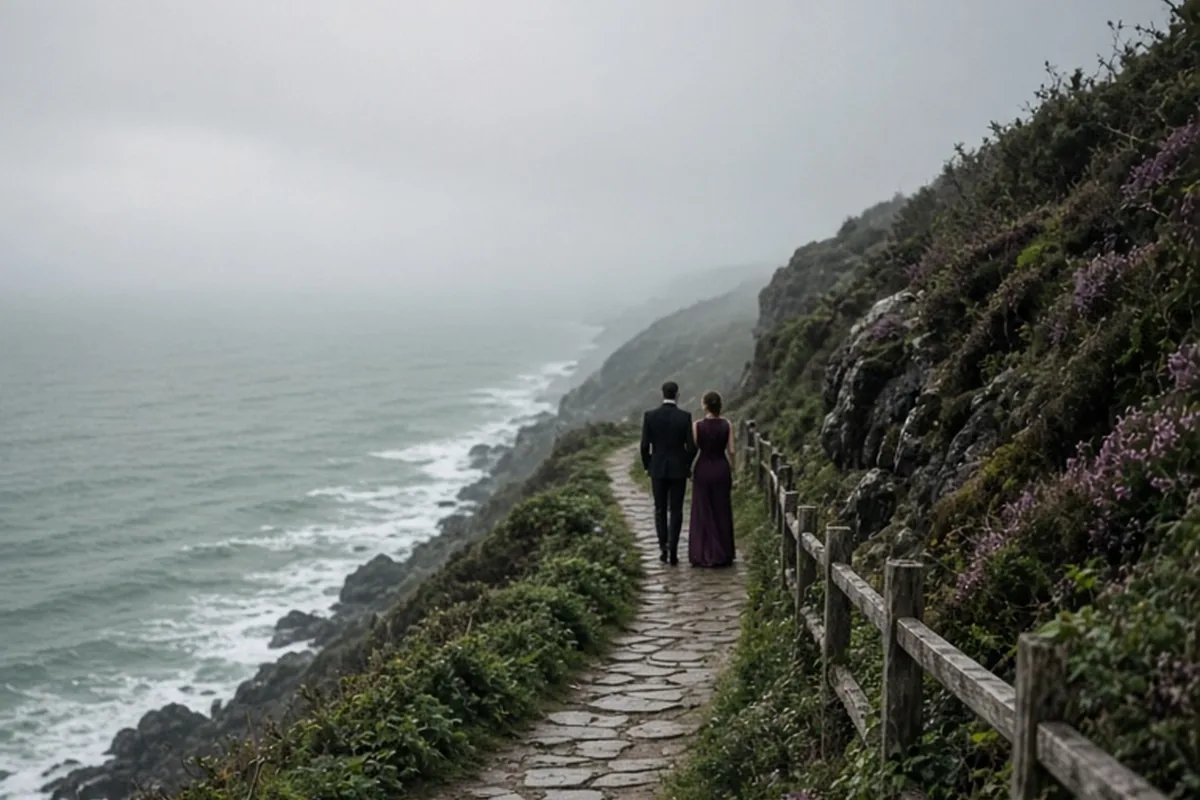
For a small black tie wedding, wear a classic black tuxedo with a bow tie or a floor-length evening gown crafted from elevated fabrics like silk, velvet, or crepe. Intimate guest lists mean every outfit is noticeable in close quarters and group photos. Opt for impeccable tailoring, understated fine jewelry, and polished footwear that honor formal tradition while feeling refined rather than theatrical in a smaller private dining room, historic estate, or boutique venue.
When an intimate wedding specifies a black tie dress code, the smaller guest count changes the dynamic of formal dressing. In a gathering of twenty to sixty people, formalwear feels personal, visible, and immediate. Striking the right balance requires choosing garments that respect high-formality traditions while adapting to close-quarters settings like historic townhouses, private dining salons, or boutique estates.
Navigating the Small-Venue Black Tie Aesthetic
Small black tie celebrations differ fundamentally from grand ballroom galas in scale and spatial dynamics. In a sprawling event space with hundreds of attendees, dramatic volume, sweeping trains, and bold contrasts help outfits stand out across large distances. In contrast, an intimate venue brings guests into close physical proximity during cocktail hour, seated dinners, and toasts. Bulky crinolines, stiff capes, or overly wide lapels can feel awkward when navigating narrow dining spaces, winding staircases, or cozy lounge areas.
To adapt formalwear for intimate environments, focus on the tactile quality and drape of your garments rather than exaggerated silhouettes. High-end natural fibers, immaculate edge finishing, and precision tailoring communicate sophistication without demanding excessive physical space. Choose silhouettes that look balanced when seated around a communal dining table, as you will likely spend significant time in close conversation with neighboring guests.
Lighting in boutique venues also influences how evening attire presents in person and on camera. Intimate weddings frequently rely on warm candlelight, dimmed architectural sconces, or low chandeliers. Deep jewel tones, matte textures, and subtle lustres catch soft ambient light beautifully, whereas overly reflective sequins or synthetic finishes can produce harsh glare under directional pendant lamps or close-up flash photography.
Floor-Length Gowns and Elevated Silhouettes for Women
A floor-length gown remains the foundational expectation for women attending a black tie wedding, even when the guest list is brief. For an intimate gathering, column gowns, sleek slip silhouettes made from heavyweight silk, and tailored A-line cuts offer an ideal combination of elegance and comfort. Fluid designs allow effortless movement between tight seating arrangements and standing reception areas without catching on table legs or neighboring chairs.
Fabric selection is critical when garments are inspected at close range. Heavyweight silk crepe, double-faced satin, fluid chiffon overlays, and plush velvet drape cleanly and resist creasing during long dinner courses. If you prefer architectural structure, opt for mid-weight faille or mikado with minimalist seaming rather than multi-layered tulle skirts. Clean lines ensure the outfit feels elevated without appearing over-costumed for a private dining room.
Necklines provide an opportunity to introduce subtle personal style while keeping the overall look formal. High halter necks, asymmetric one-shoulder cuts, structural boat necks, and elegant square necklines look striking when seated at a dinner table. If choosing a gown with an open back or a lower décolletage, balance the exposure with a refined skirt silhouette and subdued accessories to maintain a polished, formal aesthetic.
Tuxedos and Formal Suiting Essentials for Men
The standard for men at any black tie wedding is a properly fitted tuxedo rather than a standard dark business suit. A single-breasted dinner jacket with one button and either a grosgrain or satin peak lapel or shawl collar serves as the most versatile foundation. While traditional black remains timeless, deep midnight blue is equally appropriate and often renders richer under the warm, low-kelvin lighting common in boutique private dining spaces.
Your evening trousers should match the jacket fabric exactly, featuring a single braid or satin stripe running down the outer seam to align with traditional dress standards. Pair the suit with a white formal dress shirt featuring a turn-down collar, French cuffs, and a pleated or marcella bib front. Fasten the shirt with matching black or mother-of-pearl studs and cuff links rather than standard plastic buttons.
Completing the waistline is essential in black tie attire. A low-cut black evening waistcoat or a pleated silk cummerbund covers the waistband of the trousers, creating a smooth visual transition from shirt to slacks. Finish the ensemble with a hand-tied black silk bow tie sized proportionately to your collar and face, avoiding pre-tied alternatives that often appear stiff and unnatural in close-up event photography.
Alternative Formalwear: Tailored Tuxedo Suits and Jumpsuits
Women seeking an alternative to a traditional gown can confidently wear a tailored women's tuxedo or an evening jumpsuit to a small black tie wedding. A tailored tuxedo suit crafted from rich wool crepe, velvet, or silk satin delivers exceptional polish. Look for sharp peak lapels faced in contrasting satin, well-draped wide-leg trousers, and precise shoulder construction that maintains crisp lines throughout the celebration.
When selecting an evening jumpsuit for a formal dress code, the construction and fabric must distinguish it from casual daywear or cocktail attire. Choose designs with floor-grazing hems, wide flowing legs that mimic the motion of a gown, and high-quality textiles like heavy matte jersey, structured crepe, or silk jacquard. Architectural details such as subtle shoulder pads, integrated capelets, or cowl drapery elevate the piece into legitimate black tie territory.
Color palettes for non-traditional formalwear should remain rich and grounded. Saturated monochrome shades like onyx, emerald, dark sapphire, plum, and espresso maintain formal rigor. Avoid casual patterns, informal cottons, or visible metal zippers that detract from the tailored evening look.
Accessory Curation and Footwear for Intimate Venues
In a small wedding, accessories should complement your outfit without creating physical or auditory distractions. Compact clutch bags crafted from satin, smooth leather, or polished acrylic work best. Choose an evening bag that fits comfortably on your lap or sits unobtrusively behind you on a dining chair, avoiding oversized chain straps that clatter against hardwood tables or snag delicate fabrics.
Jewelry should be selected with restraint to create a focal point rather than a cluttered aesthetic. If your gown features an intricate neckline or heavy textural detail, prioritize a pair of striking diamond or pearl drop earrings and a clean bracelet. For minimalist column dresses or open necklines, a single substantial necklace or statement cuff provides an intentional, luxurious accent.
Footwear selection requires balancing formal aesthetics with venue-specific surfaces. Small weddings often take place in historic manors with polished parquet flooring, outdoor stone verandas, or boutique hotels with steep stairwells. Classic black patent leather oxford shoes or velvet evening slippers are ideal for men. For women, elegant stiletto sandals, pointed-toe satin pumps, or refined block-heel formal sandals offer stability on uneven historic tiles while maintaining a delicate profile.
Seasonal Fabric Adaptations for Indoor and Micro-Weddings
Temperature regulation is an important consideration for small black tie events. Private dining spaces, historic conservatory rooms, and wine cellars can fluctuate significantly in climate depending on heating, air circulation, and body heat from close quarters. Choosing fabrics that breathe while retaining their formal drape prevents discomfort across long multi-course meals.
For spring and summer gatherings, lightweight wool-mohair blends for dinner jackets and fluid silk georgette or lightweight crepe for gowns provide structure without trapping excessive heat. Opt for open-weave linings in jackets and breathable natural garment foundations. If the ceremony takes place in an outdoor garden before moving into an air-conditioned salon, bring a coordinating silk wrap or structured evening bolero to transition comfortably.
In autumn and winter, heavier textiles add richness and warmth to micro-weddings. Velvet dinner jackets, wool-barathea suiting, and heavy brocades offer insulation against cold drafts in historic properties. For women, long-sleeve velvet gowns, heavy satin columns, and cashmere-lined evening wraps provide thermal comfort while honoring the formal grandeur of the season.
Garment Tailoring and Fit Verification Protocols
Because every guest is prominently featured in group portraits and candid photos at a small wedding, precision tailoring is non-negotiable. Ill-fitting shoulders, pulling buttons, or dragging hemlines become immediately obvious in close-range settings. Schedule an alteration appointment at least three to four weeks before the event to fine-tune your garment to your exact measurements.
When tailoring a gown or formal trousers, bring the exact footwear and undergarments you plan to wear on the wedding day. Gown hems should skim roughly a quarter-inch to a half-inch above the floor to avoid tripping when navigating tight spaces. Men's dinner trousers should rest cleanly with a slight break or no break over the top of the shoe, preventing fabric from bunching around the ankles.
Perform a comprehensive movement test during your final fitting. Sit down in a straight-backed dining chair to ensure jacket buttons do not strain, gown waists do not constrict breathing, and side slits do not shift uncomfortably high when seated. Finally, steam or press your garments carefully before the event to eliminate all shipping or storage creases.
Frequently asked questions
Can I wear a midi-length dress to a small black tie wedding?
A floor-length gown is the standard expectation for black tie, regardless of the wedding size. While an exceptionally formal, structured midi dress in luxurious fabric like brocade or heavy silk may work in certain modern settings, a full-length silhouette remains the safest and most respectful choice for formal dress codes.
Is a dark navy suit acceptable instead of a tuxedo for a micro-wedding?
A regular dark navy business suit does not meet traditional black tie criteria. If you do not own a black tuxedo, choose a formal midnight blue dinner jacket with satin lapels and matching tuxedo trousers rather than standard business suiting.
What colors are best for a guest at an intimate black tie wedding?
Classic black, deep jewel tones like emerald, sapphire, and amethyst, and rich neutrals like espresso and champagne are ideal. Avoid white, ivory, or pale shades that photograph close to bridal wear, and steer clear of overly bright neon patterns that can dominate small group photos.
Do I need to wear black patent leather shoes with a tuxedo?
Yes, traditional black tie calls for highly polished footwear. Classic black patent leather oxfords or grosgrain-trimmed velvet evening slippers complement formal dinner suiting and preserve the integrity of the dress code.
Your next step
Try on your complete black tie outfit—including shoes, undergarments, and evening accessories—at least two weeks before the wedding to verify fit while seated and standing.