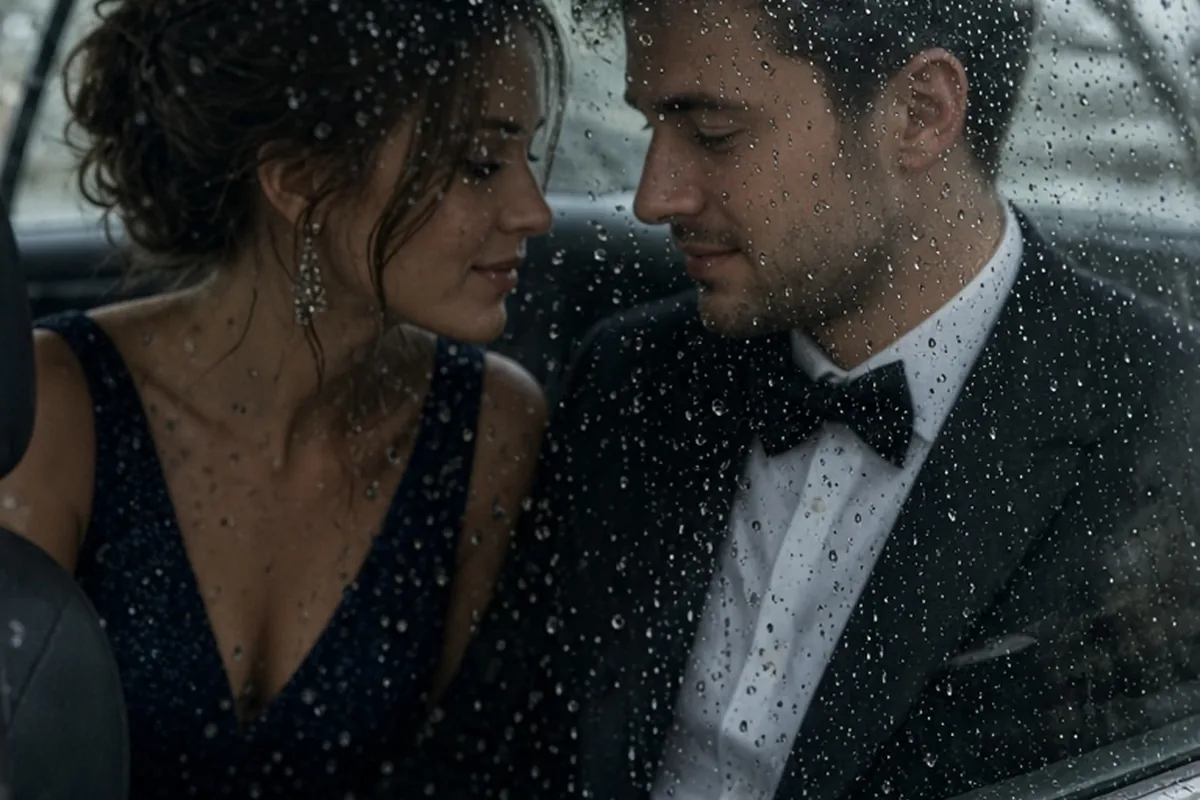
To save on a black-tie wedding guest outfit, audit what you already own before spending money, then compare renting against buying secondhand formalwear. Prioritize versatile foundations—such as a classic black tuxedo or an unembellished floor-length gown—that accommodate budget alterations. Trim secondary expenses by borrowing statement accessories, styling existing footwear, and booking garment care early. This systematic checklist ensures you meet strict formal dress codes without absorbing full retail price tags or incurring unexpected last-minute rush fees.
Receiving a wedding invitation marked with a black-tie dress code often triggers immediate financial stress alongside celebration. Between floor-length gowns, formal tuxedos, bespoke tailoring, and specialized footwear, assembling a compliant ensemble can easily spiral into hundreds or thousands of dollars if approached without a structured plan.
Deciphering the Black-Tie Dress Code Before Spending Money
Before setting an outfit budget or browsing retail websites, confirm the host's exact expectations. Traditional black tie carries explicit aesthetic guidelines that differ markedly from semi-formal or cocktail standards. For masculine attire, the standard involves a black or midnight blue tuxedo with silk or grosgrain facing on the lapels, a matching formal trouser with a side stripe, a formal white dress shirt, a self-tied bow tie, and formal footwear. For feminine attire, black tie almost universally calls for a floor-length evening gown, an elegant formal evening suit, or an upscale formal jumpsuit made of rich, structured fabric. Confusion often arises with hybrid dress codes such as 'black-tie optional' or 'creative black tie.' Under black-tie optional, guests may wear a dark, tailored charcoal or navy suit with a conservative tie if they do not own a tuxedo, or an ankle-length sophisticated cocktail dress in place of a full-length ballgown.
Knowing these boundaries prevents two expensive errors: buying pieces that fail to meet the code, and overpaying for strict elements that the couple never expected. Check the wedding website, review the venue architecture, or consult a member of the wedding party to clarify expectations if the invitation text seems ambiguous. A historic metropolitan ballroom generally enforces stricter standards than an open-air coastal resort or botanical garden pavilion, even when both indicate black tie on paper. Defining the firm parameters early lets you establish what is non-negotiable versus what allows flexibility, keeping you from spending premium rates on unnecessary formalwear add-ons.
The Black Tie Wedding Guest Outfit Savings Checklist
A systematic, phase-by-phase checklist eliminates impulse purchases and keeps spending focused on high-impact items. Work through each milestone methodically starting six to eight weeks before the celebration:
Phase one begins with your existing closet. Conduct an honest inventory of your formal footwear, neutral evening bags, wraps, cuff links, and formal accessories. Many guests already own eighty percent of a black-tie look without realizing it. Phase two establishes your sourcing pathway: determine whether your body type, event calendar, and location make renting, buying pre-owned, or borrowing the most cost-effective option. Phase three reserves alteration and tailoring windows. Phase four audits secondary gear, such as specialized undergarments, lint brushes, and travel garment bags. Phase five locks down post-event maintenance, scheduling dry cleaning or returns well within deadlines.
- Step 1: Audit your closet for neutral evening shoes, foundational shapewear, wraps, and classic jewelry.
- Step 2: Check your upcoming calendar to decide whether one-time renting or permanent purchasing offers a better cost per wear.
- Step 3: Source candidate garments through certified consignment portals, sample sales, or formalwear rental libraries.
- Step 4: Take your garment to a trusted independent tailor alongside your chosen event footwear to assess hem and fit costs.
- Step 5: Borrow secondary accent pieces, such as metallic clutches, silk pocket squares, or cuff links, from friends or relatives.
- Step 6: Schedule garment steaming, fitting pick-ups, and post-wedding return shipments to eliminate rush fees.
Renting Versus Buying Pre-Owned Tuxedos and Evening Gowns
Deciding whether to rent or purchase formalwear depends largely on how often you attend formal events and how easily you fit off-the-rack sizing. Rental platforms provide access to high-end designer gowns and complete tuxedo packages for a fraction of their retail list prices. This route works exceptionally well for single-event seasons or for guests who want to wear an elaborate, memorable silhouette without committing to long-term ownership. However, rentals carry hidden financial friction: non-refundable damage waivers, strict return shipping windows that risk daily late fees, and restrictions prohibiting any physical tailoring or permanent alterations. If your body requires tailored adjustments through the shoulders, waist, or hemline, a standard rental may look ill-fitting despite its designer pedigree.
Secondhand platforms, consignment boutiques, and designer resale apps offer an alternative that balances affordability with tailoring freedom. When you purchase a pre-owned tuxedo or evening gown, you acquire the legal right to adjust the garment to your exact measurements, resulting in a cleaner, more flattering fit that mimics bespoke formalwear. Furthermore, a well-cared-for classic black gown or timeless shawl-collar tuxedo retains resale value. Once the wedding concludes, you can clean the garment and relist it online, effectively recouping a portion of your original investment. For those who anticipate attending two or more formal weddings within a three-year span, buying pre-owned almost always yields a lower cost per wear than multiple individual rentals.
Strategic Alterations That Elevate Inexpensive Formalwear
The difference between an outfit that looks visibly inexpensive and one that looks luxurious almost never comes down to the brand tag; it comes down to proportion and fit. An off-the-rack gown purchased from a discount outlet or an economical secondhand suit can easily look like couture when adjusted by a skilled alterations professional. Conversely, an expensive designer garment that puckers at the chest or pools clumsily on the floor signals a rushed purchase. When shopping with savings in mind, deliberately choose simpler, unembellished designs that allow for easy, cost-effective adjustments rather than intricate pieces that require high-labor reconstruction.
Budgeting for tailoring requires understanding what alterations are straightforward and what changes drive up labor costs. Hemming a straight skirt, taking in side seams on an unlined dress, shortening tuxedo jacket sleeves, and tapering trouser legs are standard adjustments with predictable rates. In contrast, altering garments covered in heavy sequins, intricate beadwork, delicate lace borders, or structured horsehair braid hems requires hand-stitching that can double your tailor's bill. Similarly, altering jacket shoulders or recutting armholes demands significant deconstruction that rarely justifies the cost on an entry-level garment. Always bring the exact shoes and undergarments you plan to wear to your initial fitting, as variations in heel height or corset structure will alter the hemline and torso fit entirely.
Neutral Foundations and Borrowed Accent Pieces
High-impact savings emerge when you separate the main structural garment from its decorative accents. Rather than investing in a bold, highly recognizable printed ballgown or a trendy novelty-color tuxedo that cannot easily be worn again, invest your attention in neutral, timeless foundations. A clean, architectural black crepe column gown, an unadorned midnight-blue slip dress with an elevated drape, or a traditional peak-lapel tuxedo acts as a blank canvas. These foundational silhouettes blend seamlessly into any formal environment and can be completely transformed across different weddings through deliberate, inexpensive restyling.
Lean heavily on your personal network for accent pieces. Luxury evening clutches, genuine fine jewelry, faux-fur stoles, pashmina wraps, silk bow ties, and mother-of-pearl stud sets sit unused in closets for most of the year. Borrowing these high-margin, low-wear accents from friends or family members saves significant capital that would otherwise go toward items you may never wear again. When borrowing, treat the items with extreme care: keep them in dedicated dust covers, avoid spraying perfume directly onto metal or fabric surfaces, and return them promptly after the event in pristine condition with a thoughtful note of appreciation.
Footwear, Grooming, and Garment Care Without Hidden Fees
Secondary wedding guest expenses routinely erode outfit savings if not monitored closely. Footwear is an area where guests frequently overspend out of perceived necessity. Standard black-tie dress codes require polished, elegant shoes, but they do not require brand-new footwear. A classic pair of black patent leather oxfords or plain-toe dress shoes for masculine wear can be restored to showroom shine with a small tin of polish and a horsehair buffing brush. For feminine attire, an understated, comfortable pair of black, nude, or metallic evening sandals you already own will spend the majority of the evening hidden beneath a full-length hemline anyway. Prioritize comfort and stability with discreet gel insoles rather than purchasing towering new heels that cause blisters during the reception.
Undergarments and grooming also demand early planning. Specialized adhesive brassieres, high-waisted shaping briefs, and seamless undergarments should be sourced well in advance rather than purchased at premium airport or hotel retail shops. Similarly, do not assume you must book salon-grade blowouts, professional makeup artists, or barbershop luxury packages. Polished, minimalist styling—such as a sleek chignon bun, neat Hollywood waves, or a clean home shave and trim—often projects greater elegance and timeless sophistication than ornate professional styling. For garment care, use an upright home garment steamer or hang your outfit in a steamy bathroom rather than paying for rush hotel pressing on the afternoon of the ceremony.
Avoiding Costly Rush Charges and Return Penalties
Disorganized timelines are among the fastest ways to destroy a carefully planned formalwear budget. Tailors routinely apply thirty to fifty percent surcharges for turnaround times under seven days, especially during peak spring and autumn wedding seasons. Sourcing a garment at the eleventh hour also limits your shipping choices, forcing you into expensive overnight delivery options that wipe out the discounts you gained from hunting down a sale. Build a six-week timeline that accounts for shipping delays, a primary fitting, a secondary pick-up fitting, and final at-home steaming.
If you opt for a rental, pay strict attention to return terms and transit schedules. Rental companies typically mandate that garments be returned or scanned by the carrier by the fourth or fifth day following delivery. For out-of-town or destination weddings, traveling back on a Sunday or Monday morning can cause missed drop-off windows, resulting in daily late fees that quickly match the full retail value of the dress or tuxedo. Keep the original packaging, pre-printed shipping labels, and return hangers safely stored in your hotel room. Setting automated calendar reminders for shipping deadlines protects your baseline budget from avoidable administrative charges.
Frequently asked questions
Can I wear a dark suit instead of a tuxedo to a black-tie wedding?
If the invitation strictly specifies 'Black Tie,' a dark business suit technically falls short of the expected dress code, which calls for a tuxedo with satin or grosgrain details. However, if the invitation states 'Black Tie Optional,' a well-fitted dark charcoal or midnight navy suit paired with a crisp white shirt, conservative dark silk tie, and polished black dress shoes is completely acceptable. When attending a strict black-tie event on a tight budget, renting a standard tuxedo package or buying a used one is preferred over wearing a business suit.
Are short or midi-length dresses allowed for a black-tie guest?
Standard black-tie guidelines designate full-length evening gowns as the baseline standard for feminine attire. While sophisticated, heavily structured ankle-length tea dresses or dressy midi silhouettes in opulent fabrics are occasionally accepted in warmer or less traditional settings, a floor-length hemline remains the safest choice. To avoid feeling underdressed or having to buy a replacement dress at the last minute, look for an inexpensive floor-length option made from unembellished crepe or jersey.
How much should I set aside for formalwear alterations?
Alteration costs vary widely depending on the city, the tailor's expertise, and the garment's complexity, making a fixed universal price impossible to guarantee. Simple adjustments such as hemming a clean skirt or trousers and shortening unlined sleeves are relatively inexpensive, whereas adjusting beaded fabric, boned bodices, or jacket shoulders requires far more labor. Always request a clear, itemized quote before leaving your garment with an independent tailor so you can decide if the adjustment fits your total outfit budget.
Your next step
Take twenty minutes today to open your closet, inventory your current neutral formal shoes and accessories, and calculate your total outfit budget before browsing any retail or rental websites.