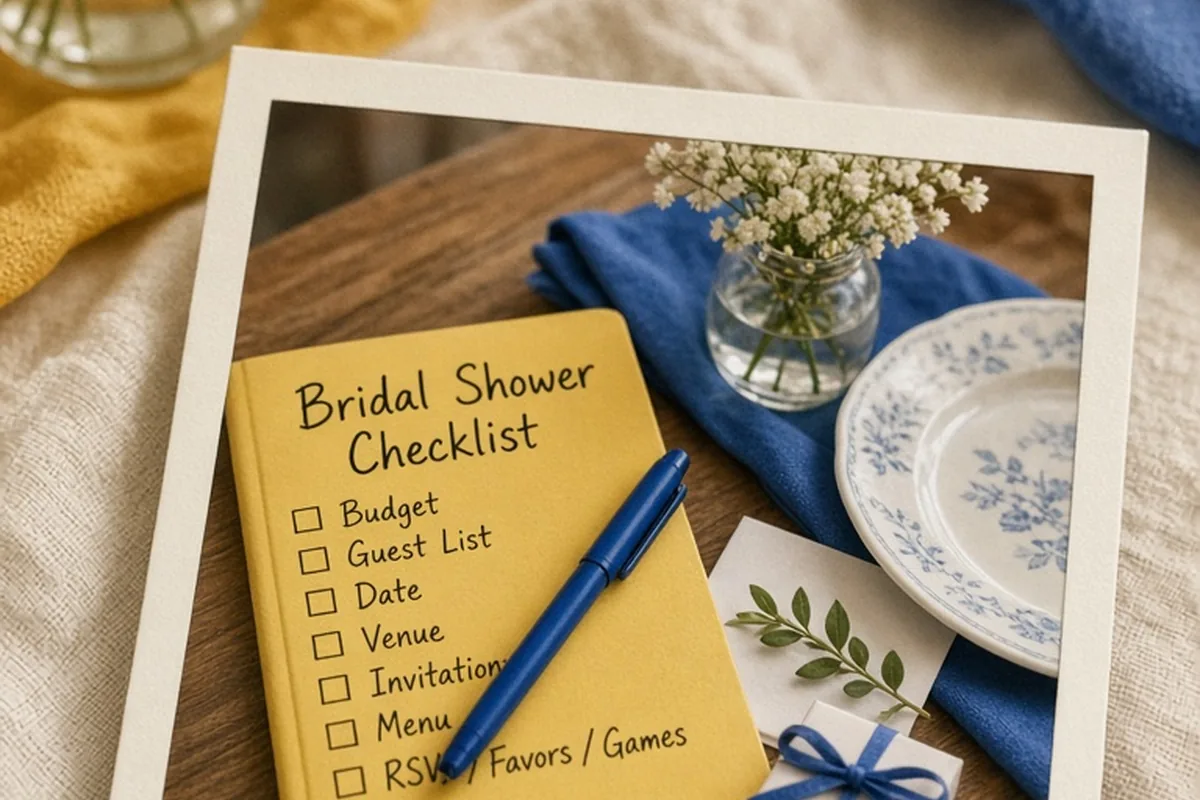
A complete bridal shower checklist organizes planning across four core milestones: establishing the budget, guest list, and date three to four months prior; securing the venue, invitations, and menu at two months; finalizing RSVPs, favors, and games at two to three weeks; and executing the day-of setup and gift recording. Assigning discrete tasks early prevents last-minute scramble, controls shared party expenses among hosts, and ensures the celebration reflects the guest of honor's distinct personality.
Planning a bridal shower brings loved ones together to honor someone entering a major life transition, but orchestrating the logistics can quickly feel overwhelming without an organized roadmap. Whether you are a maid of honor, a close family member, or co-hosting with a committee of friends, approaching the event step by step protects both your calendar and your sanity. Following a clear, sequential checklist allows you to distribute responsibilities smoothly, manage guest expectations, and keep the focus squarely on creating a warm, celebratory atmosphere.
Establishing the Host Committee, Budget, and Guest Count Early
The foundation of successful party planning begins three to four months before the event date by determining who will actively participate in hosting. In many modern celebrations, hosting duties are shared among bridesmaids, family members, or a combination of both circles. Before making any non-refundable commitments, gather the prospective co-hosts for an honest conversation about individual capacities. Agree explicitly on how party expenses will be split, whether expenses are shared evenly down the middle or divided according to specific assigned line items like floral arrangements, food, or printed paper goods. Clarifying financial boundaries at the very beginning eliminates unspoken resentment and establishes a realistic total budget that everyone feels comfortable supporting.
Once the financial framework is established, consult directly with the bride to assemble the master guest list before searching for spaces or ordering stationery. The golden rule of wedding etiquette is that everyone invited to the bridal shower must also receive an invitation to the main wedding ceremony and reception. Ask the bride for full names, physical mailing addresses, and email contacts for everyone she hopes to include, while noting any hard capacity limits dictated by your initial budget. Having an accurate preliminary guest count prevents you from falling in love with a charming venue that cannot comfortably accommodate the party size or signing a contract with a caterer whose per-person minimum exceeds your shared resources.
Selecting the Bridal Shower Date, Theme, and Location
Selecting the right date requires cross-referencing multiple calendars roughly three to four months in advance. The ideal window for a bridal shower typically falls anywhere between two to eight weeks before the wedding ceremony, giving the bride ample time to enjoy the gathering without competing with final wedding vendor meetings or dress alterations. Check the availability of essential attendees—including mothers, grandmothers, siblings, and members of the wedding party—before finalizing a date. If out-of-town guests are traveling specifically for the shower, choose a date that allows them to book travel accommodations well before peak booking windows inflate regional flight and hotel prices.
With the date secured, select a venue that matches the desired scale, tone, and financial parameters of the gathering. A private home or backyard offers flexibility, intimacy, and zero rental fees, though it places the burden of thorough pre-party cleaning, furniture arrangement, and post-party trash removal on the homeowner. Renting a private dining room at a local bistro or restaurant provides built-in tables, chairs, dedicated service staff, and cleanup, making it an efficient option for hosts with demanding work schedules. When evaluating any potential space, inspect practical considerations: verify parking accessibility, determine whether the venue permits outside food or alcohol, check for adequate refrigeration space, and assess the temperature control of the room to keep guests comfortable regardless of seasonal weather.
Invitations, Registry Details, and Guest Communication
Six to eight weeks before the shower, the invitations should be finalized and distributed to give guests sufficient notice to adjust their schedules. Decide whether traditional printed paper invitations, custom digital invitations, or a hybrid approach best fits the guest demographic. Printed invitations mailed in high-quality envelopes carry a classic, formal weight and serve as tactile keepsakes for close family members, but they require extra lead time for printing and postal transit. Digital platforms offer instant delivery, simplified RSVP tracking, and automated reminders, which can significantly reduce administrative overhead for busy host committees. Whichever medium you select, clearly state the date, start and end times, physical venue address, host contact information, and an RSVP deadline set roughly two to three weeks before the gathering.
Etiquette surrounding gift registries requires careful presentation. While wedding registry information should never appear printed on formal wedding invitations, it is customary and helpful to include registry links or store names on the bridal shower invitation. This provides practical guidance for attendees seeking to gift items the couple genuinely needs and selected themselves. As responses arrive, maintain a centralized digital spreadsheet that tracks attendance, gift contributions, and any special dietary requirements such as gluten intolerance, nut allergies, or vegan preferences. Having this data organized in one accessible document prevents miscommunication when placing final orders with bakeries or catering teams.
Menu Planning and Refreshment Logistics
Designing the menu four to six weeks out ensures you have adequate time to book vendors or coordinate prep schedules. The structure of your menu should align directly with the time of day and the physical setup of the venue. A mid-morning gathering naturally lends itself to a seated brunch or a self-serve display featuring quiches, seasonal fruit platters, pastries, and yogurt parfaits. An afternoon celebration between standard meal times works wonderfully with heavy hors d'oeuvres, savory finger sandwiches, charcuterie boards, and petite desserts. If hosting at a private residence, consider balancing hot and cold items carefully so that the kitchen's domestic oven capacity is not overwhelmed right as guests arrive.
Beverage logistics require equal attention to ensure all attendees feel welcomed and refreshed. Offer an intentional variety of drinks, pairing alcoholic options such as a signature cocktail, mimosa station, or crisp white wine with premium non-alcoholic alternatives like infused sparkling water, iced herbal teas, or fresh mocktails. Plan the logistics of glassware, serving pitchers, ice supply, and chilling bins well ahead of the event. A common oversight in residential hosting is underestimating the quantity of ice required for both chilling bottled beverages and serving in individual glasses; securing an extra bag of ice and storing it in a secondary cooler guarantees you will not run out during warm-weather gatherings.
Curating Activities, Music, and Thoughtful Keepsakes
A thoughtful activity schedule enriches the event without placing guests in awkward or performative situations. Consult the bride's temperament before committing to traditional shower games. If she dislikes being the center of high-energy parlor games, pivot toward low-pressure, interactive stations that guests can engage with at their own leisure. Popular alternatives include a display where guests write favorite recipes, share written marriage wisdom, or sign a custom guestbook print. If incorporating group games, opt for couple trivia or a well-crafted newlywed-style questionnaire, keeping the activity brisk, lighthearted, and capped at roughly fifteen to twenty minutes so conversation continues to flow organically.
Background music sets an inviting baseline energy that softens pauses and prevents quiet rooms from feeling stagnant. Curate a playlist of warm, mid-tempo songs three weeks ahead of the party, ensuring the volume remains dialed to a level where guests of all generations can converse across a table without raising their voices. For guest favors, prioritize consumable or genuinely useful keepsakes over customized knickknacks that may ultimately be discarded. Small potted succulents, artisanal chocolate bars from a local confectionery, locally roasted coffee beans, or hand-poured mini candles offer refined, appreciative tokens of thanks that guests can readily enjoy in their own homes.
The Final Countdown and Day-Of Execution Checklist
The final week before the shower centers on confirming details and delegating real-time responsibilities. Contact your venue coordinator or caterer five to seven days out with the verified headcount and finalize any specialty dietary plates. Gather non-perishable supplies, including table runners, welcome signage, floral vases, paper goods, serving utensils, and a designated emergency kit containing scissors, floral tape, permanent markers, adhesive strips, and safety pins. Review the party timeline with all co-hosts so everyone understands when to arrive for setup, who will oversee food replenishment, and who will welcome guests at the front door as they enter.
During the event itself, clear division of labor keeps the atmosphere relaxed and prevents any single host from being trapped in the kitchen. Appoint one specific co-host to sit near the bride during the gift-opening portion of the shower with a pen and notepad or digital tablet. This person's sole job is recording precisely which guest gave which specific present, creating an organized, legible log that spares the bride immense stress when she sits down to write handwritten thank-you notes later that week. Finally, establish an efficient teardown protocol before the party starts, assigning designated cars for transporting gifts back to the bride's home and packaging leftover food into reusable containers so the venue can be cleared quickly and smoothly.
Frequently asked questions
Who traditionally pays for and hosts the bridal shower?
Traditionally, the maid of honor, bridal party, or close family friends host and share the financial responsibilities of the bridal shower. However, modern etiquette allows close relatives such as mothers, aunts, or even co-workers to host separate showers or partner together to share costs. The most crucial factor is that all participating hosts agree on the total budget and payment division before committing to deposits.
How far in advance should bridal shower invitations be sent?
Invitations should ideally be mailed or digitally delivered six to eight weeks before the event date. This window gives out-of-town guests sufficient time to book travel and local guests adequate room to clear their weekend calendars. Setting an RSVP deadline two to three weeks prior to the shower provides a firm guest count in time to finalize orders with caterers and venues.
Is it acceptable to skip traditional bridal shower games?
Yes, it is completely acceptable to forgo traditional bridal shower games in favor of unstructured social time, a seated meal, or passive interactive stations. Many modern brides prefer an atmosphere closer to a relaxed cocktail hour or celebratory brunch without formal games. Always consult the bride's personal preferences to ensure the day reflects her comfort level and social style.
How can hosts handle gift opening if the bride is uncomfortable being the center of attention?
If the bride feels overwhelmed by opening gifts in front of a large group, hosts can arrange a display shower where gifts arrive unwrapped and are placed on an aesthetic presentation table for guests to admire. Alternatively, the bride can mingle and open presents in small, casual clusters throughout the event, or bypass public gift opening entirely to prioritize socializing.
Your next step
Draft your host committee communication today, confirm the shared spending limit, and ask the bride for her approved wedding guest list and registry links to kick off the planning process.