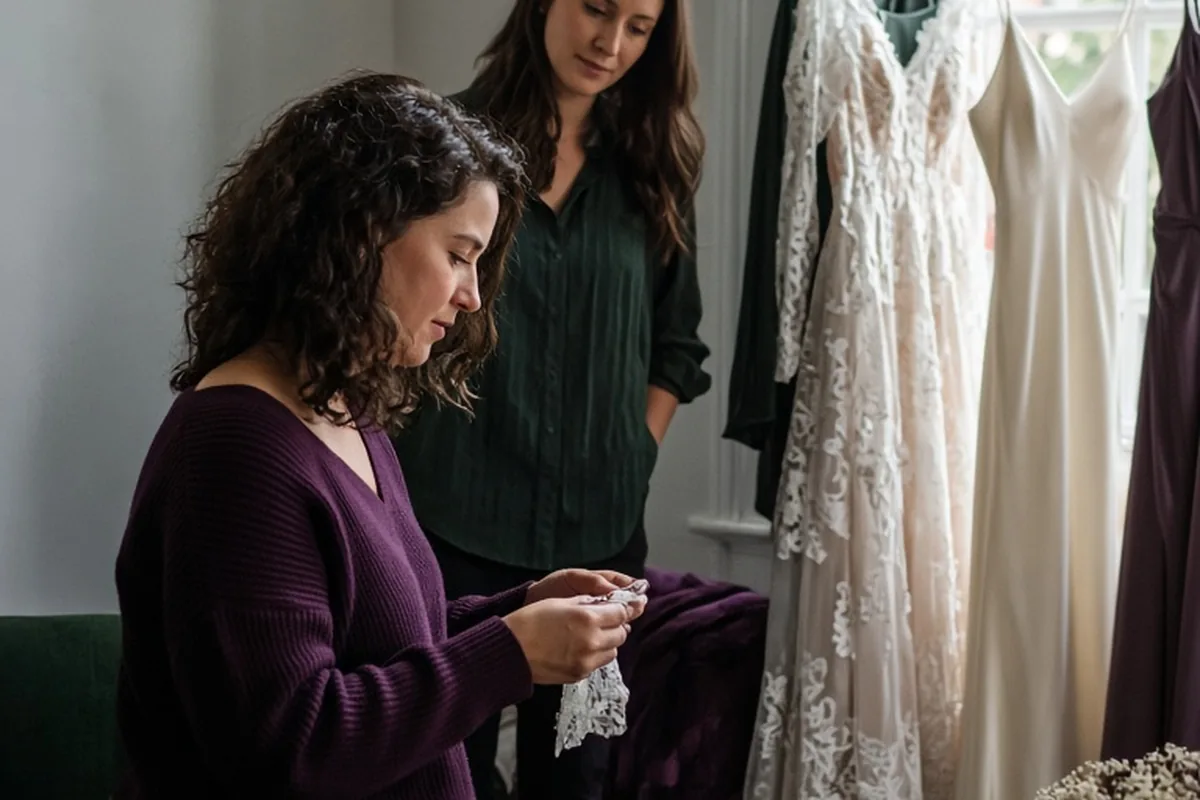
Budget wedding dress shopping involves setting a total apparel limit that reserves room for alterations, undergarments, and cleaning, then exploring alternative inventory channels. High-value options include bridal salon sample sales, pre-owned bridal marketplaces, non-traditional ready-to-wear evening collections, and bridal rental platforms. Choosing simpler silhouettes with fewer structural internal layers and minimal beadwork significantly reduces both the initial purchase price and subsequent tailoring expenses.
Navigating the bridal apparel market does not require accepting retail markups or overspending on a single day of wear. By understanding how the bridal retail cycle operates, evaluating different garment sources, and factoring in the true cost of alterations from the start, you can secure a well-made wedding dress that aligns comfortably with your overall financial plans.
Comparing Bridal Sourcing Channels: Sample Sales, Pre-Owned, Retail, and Rentals
Finding an affordable gown begins with evaluating where to look beyond standard custom-ordered bridal boutique dresses. Traditional salon orders involve ordering a dress made to a designer standard size, which often carries significant manufacturing lead times and full retail margins. Shifting your search toward alternative inventory streams allows you to acquire high-end materials and skilled construction at a fraction of standard showroom prices.
Each alternative purchasing channel presents distinct advantages, trade-offs, and operational realities. Reviewing these models side by side helps clarify which route matches your wedding timeline, comfort with pre-owned items, and desire for specific designer labels.
- Bridal Salon Sample Sales: Showroom floor models sold off-the-rack to clear space for incoming seasonal inventory. Benefit: Access to authentic designer gowns at substantial markdowns. Trade-off: Gowns may exhibit minor handling wear, makeup dust, or stretched loops that require spot cleaning or minor mending.
- Pre-Owned and Consignment Marketplaces: Gently used or canceled-order gowns sold directly by previous brides or curated consignment storefronts. Benefit: Significant price reductions on recent collections, sometimes with bustling already installed. Trade-off: Final-sale conditions are common, and garments may already be hemmed to another person's proportions.
- High Street and Ready-to-Wear Brands: Off-the-rack formalwear collections, bridesmaid lines ordered in white or ivory, and dedicated retail bridal capsules. Benefit: Transparent return policies, reliable modern sizing, and rapid shipping times. Trade-off: Lighter internal construction with less built-in corsetry or heavy fabric layering.
- Bridal Rental Services: High-end luxury designer gowns leased for a specific event weekend. Benefit: Access to runway-level craftsmanship for a minor fraction of the retail tag. Trade-off: Tailoring is strictly limited to temporary adjustments, and any permanent damage incurs replacement penalties.
- Direct-to-Consumer Made-to-Measure Platforms: Online-only bridal makers that produce dresses based on self-submitted body measurements. Benefit: Lower initial price points due to the lack of physical showroom overhead. Trade-off: You cannot try on the exact fabric weight or structural fit prior to placing the production order.
Allocating Your Full Dress Budget: Purchase Price, Alterations, and Foundation Layers
A common pitfall in wedding apparel budgeting is dedicating the entire garment fund to the initial purchase invoice. A wedding dress rarely fits straight off the hanger, and the downstream services required to make a gown wearable can alter your overall financial calculation. To maintain control of your total spend, divide your apparel budget into explicit operational categories before trying on a single silhouette.
A sensible planning framework allocates approximately sixty to seventy percent of the total apparel funds to the dress itself, setting aside the remaining thirty to forty percent for tailoring, professional cleaning, specialized undergarments, and accessories. Estimating these ancillary expenses early prevents unexpected final invoices from distorting your overall wedding budget.
- Initial Gown Purchase: The invoice price paid to the boutique, online seller, or retail store, including any applicable sales taxes and standard ground shipping fees.
- Core Structural Alterations: Tailoring adjustments required for proper fit, such as shortening multi-layered hems, taking in or letting out side seams, adjusting shoulder straps, and installing an American or French bustle.
- Specialized Foundation Garments: Seamless shapewear, low-back bodysuits, adhesive silicone cups, or sewn-in bra cups that ensure smooth lines without compromising the dress structure.
- Garment Care and Preparation: Pre-wedding steaming, post-alteration pressing, or professional dry cleaning if purchasing a floor sample or pre-owned garment.
- Finishing Accessories: Footwear selected at the exact heel height intended for the hem fitting, veil, jewelry, and any garment travel bags required for transit.
Strategic Tactics for Navigating Bridal Sample Sales and Trunk Shows
Bridal salons regularly cycle out their floor inventory to make room for new collections, typically during mid-winter and mid-summer transitions. During these sample clearance events, boutiques discount display gowns that brides have tried on in the salon. Because these dresses are sold as-is and taken home the same day, they represent some of the highest value opportunities for budget-conscious shoppers looking for traditional bridal construction.
Navigating a sample sale successfully requires preparation and a clear eye for garment assessment. Because sample sizes are predominantly cut in standard bridal sizes eight through twelve (which frequently translate to street sizes six through ten), you should call the boutique beforehand to verify their current size range. When inspecting a prospective sample, carefully examine the zipper track, hook-and-eye closures, underarm seams for makeup or perspiration transfer, and the condition of delicate illusion tulle, as repairing torn mesh is significantly more complex than replacing a missing button.
Purchasing Pre-Owned Wedding Gowns: Sizing, History, and Verification
The secondary bridal market offers extensive variety, enabling brides to locate specific discontinued styles or premium fabrics at manageable price points. However, buying from an individual seller or online consignment platform introduces variables that do not exist when purchasing new from a retailer. The primary risk centers on dimensional differences caused by prior custom tailoring.
When communicating with a private seller, never rely solely on the designer size label or the seller's everyday clothing size. Ask for the precise flat-lay or three-dimensional measurements of the altered dress: bust apex, natural waist, high hip, low hip, and the hollow-to-hem length (measured from the center hollow of the collarbone straight down to the front hem). Verify whether the previous wearer wore heels, and request photos of the underside of the train to check for permanent ground staining or torn lace motifs.
Exploring Ready-to-Wear, Bridesmaid Lines, and High Street Alternatives
Modern fashion retailers and eveningwear designers offer clean, minimalist aesthetic options that rival traditional bridal collections in visual appeal. White, ivory, and champagne evening gowns from high-end department stores or ready-to-wear formal brands bypass bridal showroom markups entirely. Furthermore, several dedicated bridesmaid collections allow dresses to be ordered in ivory crepe, satin, or chiffon, delivering a streamlined look at an accessible base price.
Choosing ready-to-wear apparel also simplifies the purchasing process through straightforward return windows and standard off-the-rack sizing. The main structural difference lies in internal support: high street dresses rarely feature heavy interior waist stays, multi-bone corsets, or multi-layered crinoline skirts. If you prefer a lighter, more movement-friendly garment for an outdoor, courthouse, or intimate celebration, this lack of heavy internal infrastructure serves as a practical advantage rather than a drawback.
Controlling Alteration Costs Through Intentional Silhouette and Fabric Selection
Alteration costs are directly determined by the internal architecture and surface detailing of the gown. A dress purchased at an exceptional discount can quickly become expensive to tailor if its construction requires extensive hand labor to deconstruct and reassemble. Being mindful of tailoring complexity while shopping protects your bottom line.
Fabrics such as clean crepe, unembellished mikado, and smooth satin are straightforward for a tailor to take in along straight side seams. Conversely, bodices covered in dense beading, sequins, or continuous lace appliqués require the seamstress to hand-remove individual beads before cutting fabric, re-sewing the seam, and hand-stitching the beadwork back in place. Similarly, skirts with horsehair braid along the hem or multiple scalloped lace borders require complete detachment and reapplication during a hem adjustment, substantially increasing the required labor hours.
Managing Logistics, Shipping Windows, and Return Policies
When purchasing wedding apparel on a budget, logistical precision is essential for avoiding rush delivery surcharges and unreturnable mistakes. Many budget-focused online outlets and sample retailers operate under strict final-sale terms. Before finalizing an order, clarify whether returns are permitted, the length of the inspection window, and whether a restocking fee applies upon return.
Ensure your dress arrives at least eight to twelve weeks prior to the wedding date to accommodate standard fitting schedules. Tailors typically require two to three progressive fitting sessions: the initial pinning, a second fitting to evaluate structural adjustments, and a final fitting to verify the hemline with your exact wedding shoes. Leaving sufficient buffer time eliminates stress and prevents expediting fees from independent tailoring studios.
Frequently asked questions
How much should I reserve for wedding dress alterations when shopping on a budget?
A practical rule of thumb is setting aside roughly thirty percent of your total apparel fund for alterations. Simple adjustments like strap shortening and an unembellished hem require less labor, whereas modifying intricate lace, heavy beadwork, or multi-layered horsehair skirts requires significantly more tailoring hours.
Can a pre-owned wedding dress be altered if it was already tailored for someone else?
Yes, provided the dress measurements are equal to or slightly larger than your current dimensions. While taking a dress in is routine, letting a previously altered dress out depends entirely on whether the original tailor preserved the internal seam allowances rather than trimming them away.
Is it possible to negotiate the price of a wedding dress at a bridal salon?
Price negotiation is rare on standard special-order gowns, but boutiques are frequently open to reasonable offers on off-the-rack sample inventory. If you notice minor fabric wear, missing fasteners, or light floor dust on a sample gown, you can politely ask if the salon can offer a modest discount or include a garment bag.
What is the best time of year to find discounted wedding dresses?
Bridal salons most commonly hold inventory clearance sales during late summer (July through August) and early winter (December through January). During these periods, shops actively clear floor racks to make room for newly arriving designer seasonal collections.
Your next step
Take your current bust, waist, and hip measurements with a soft tape measure today, and set a comprehensive apparel budget that reserves at least thirty percent for tailoring before booking appointments or browsing online inventory.