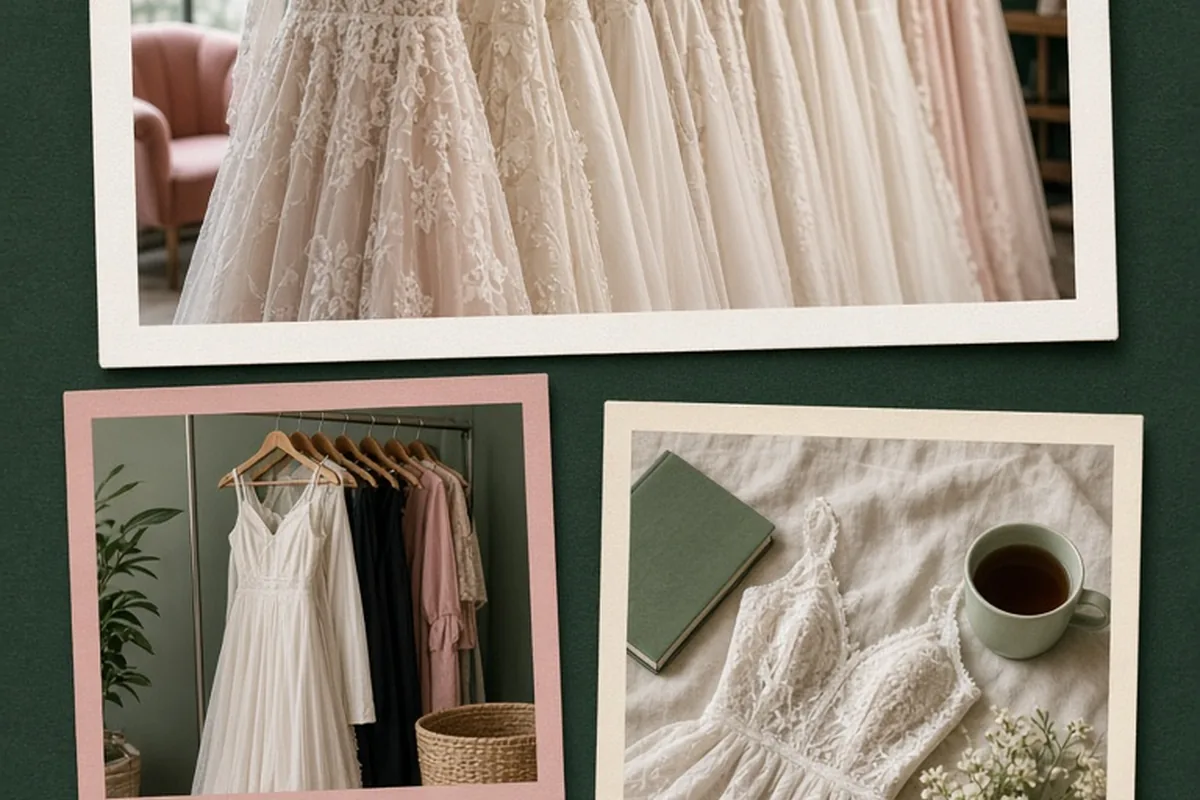
Finding a budget wedding dress involves looking beyond traditional full-service salon orders. Brides can secure well-crafted gowns by shopping boutique sample sales, exploring reputable online consignment platforms, browsing ready-to-wear evening collections in white or ivory, or choosing bridesmaid lines ordered in bridal shades. Keeping overall costs down requires setting aside funds early for professional alterations, verifying return and cleaning policies before buying, and selecting silhouettes that do not require complex structural restructuring.
Shopping for a wedding gown often feels tied to the expectation of spending an enormous sum in a hushed boutique with custom champagne service. However, high prices in bridal retail frequently reflect personalized salon overhead, brand marketing, and lengthy made-to-order manufacturing cycles rather than purely superior materials or design. By rethinking where and how you shop, you can acquire an elegant, beautifully constructed gown that aligns with your financial priorities while still feeling entirely special on your wedding day.
Finding Designer Quality on Bridal Sample Racks and at Trunk Sales
One of the most effective methods for acquiring a high-end designer gown on a modest budget is shopping bridal boutique floor samples. Traditional salons purchase sample dresses directly from fashion houses for clients to try on during appointments. Periodically, salons must clear out these sample racks to make room for incoming seasonal collections. When salons host sample sales or maintain permanent markdown racks, these floor models are offered at steep discounts off their original retail prices because they are sold directly off the rack as-is.
To make the most of sample sales, contact independent boutiques in your region and ask about their annual clearance schedules or permanent discount inventory. Inspect each garment carefully under bright lighting before committing to a purchase. Check the condition of the hemline for dirt, inspect the underarms and neckline for makeup transfer, examine the zipper track for smooth operation, and confirm that delicate beadwork or lace trim is intact. While minor wear can often be addressed with professional dry cleaning or spot repairs, extensive structural damage or torn illusion mesh can be difficult and costly to mend.
Adapting Off-the-Rack Ready-to-Wear and White Evening Gowns
A wedding dress does not need to carry a specialized bridal label to function as a stunning wedding gown. Mainstream contemporary brands, luxury department stores, and ready-to-wear designers consistently release formal evening wear, gala gowns, and cocktail attire in shades of white, ivory, champagne, and cream. Because these garments are produced in standard ready-to-wear manufacturing runs without the bridal industry markup, they frequently feature comparable silk blends, delicate pleating, or intricate sequins at a fraction of the cost of bridal-specific lines.
Another reliable path within this category is ordering floor-length bridesmaid dresses manufactured in off-white or porcelain tones. Many established bridal party labels construct their gowns using clean silhouettes, flowing chiffon, crepe, and satin with high-quality lining. These gowns are intentionally designed for easy alteration, comfortable movement, and broad shade availability. If your aesthetic favors minimalism, classic slip styling, or sleek architectural tailoring, ready-to-wear collections offer an immediate way to bypass bridal salon lead times and inflated bridal price tags.
Navigating Pre-Owned Marketplaces and Online Bridal Resale
The secondary wedding market has expanded significantly through dedicated peer-to-peer bridal platforms and general designer consignment websites. Brides frequently sell gowns that have been worn for only a few hours during a ceremony, as well as brand-new dresses with tags still attached due to wedding date shifts, venue alterations, or changes in personal preference. Browsing pre-owned listings allows you to target specific designer collections, vintage silhouettes, or discontinued styles that are no longer available in brick-and-mortar boutiques.
Shopping resale successfully requires diligence regarding sizing, condition, and seller authenticity. Bridal sizing rarely matches modern streetwear sizing, and previously worn gowns have almost always been custom-tailored to the original owner's body. Always request the seller's exact bust, waist, hip, and hollow-to-hem measurements rather than relying on the tag size alone. Inquire whether the gown has been professionally cleaned by a specialist bridal preservationist, whether any alterations were permanent or can be let out, and verify whether the selling platform provides buyer protection against undisclosed damage or misrepresentation.
Evaluating Fabric and Silhouette Choices on Budget Wedding Dresses
When purchasing an affordable gown, fabric selection and interior construction determine how expensive the dress looks and how comfortable it feels. Certain materials naturally translate better at lower production price points. For example, mid-weight crepe, stretch crepe, and layered polyester chiffon often drape fluidly and photograph identically to natural silk fibers. In contrast, inexpensive satin can sometimes exhibit an unnatural shine under flash photography, and low-cost tulle may feel stiff, scratchy, or prone to static cling.
Silhouettes also influence both aesthetic quality and construction durability. Ball gowns and heavily structured drop-waist silhouettes demand substantial internal boning, multi-layer crinolines, and reinforced seams to maintain their shape throughout an event. If a budget dress cuts corners on that internal architecture, the bodice can buckle, wrinkle, or collapse during wear. Meanwhile, A-line skirts, relaxed empire silhouettes, column gowns, and bias-cut slips rely on drape rather than heavy internal corsetry, making them far more forgiving and consistently flattering across accessible price points.
Factoring in Alterations, Undergarments, and Post-Purchase Tailoring
A common miscalculation among budget-conscious shoppers is treating the purchase price of the dress as the final attire expense. A wedding dress almost always requires tailoring to fit your frame properly, and complex alterations can quickly exceed the initial purchase price of an entry-level gown. Tailoring labor is billed based on garment complexity rather than what you paid for the dress. Shortening a multi-layered horsehair hem, moving intricate hand-sewn lace motifs, or reconstructing an illusion neckline takes extensive manual labor regardless of the brand on the label.
To protect your total wardrobe budget, choose a dress that already fits the most challenging part of your body. It is generally simpler and less expensive to take in a waist or shorten a simple hem than to add fabric to an overly snug bodice or lengthen a skirt that is too short. Furthermore, factor in the cost of your foundation garments early in the process. Plunge bodices, low backs, or sheer cutouts may necessitate specialized specialty bras, adhesive cups, or seamless shapewear that should be acquired before your first fitting to ensure accurate tailoring adjustments.
Exploring Gown Rentals, Two-Piece Separates, and Suit Alternatives
For brides who place little emotional weight on keeping an heirloom gown stored in an attic for decades, formalwear rental services offer access to luxury fashion at a small portion of purchase costs. Bridal rental companies typically handle round-trip shipping, dry cleaning, and minor wear-and-tear coverage within their service packages. The principal trade-off is the inability to perform permanent alterations, which means you must rely on adjustable corsetry, temporary safety basting, or standard sizing profiles that fit your natural dimensions closely.
Non-traditional bridal fashion also opens up versatile, affordable pathways. Tailored white pantsuits, tailored jumpsuits, and two-piece bridal separates—such as a lace topper paired with a satin maxi skirt—deliver chic modern appeal without bridal retail markups. Separates provide the added advantage of mixing and matching sizes to fit differing bust and hip proportions directly off the rack, reducing tailoring needs. Additionally, individual components like silk camisoles or tailored blazers can be integrated into your post-wedding wardrobe, extending the utility of your investment long after the ceremony ends.
Verifying Sizing Charts, Return Policies, and Production Deadlines
Whether you order an affordable dress from an online bridal retailer, a boutique closeout event, or a direct-to-consumer digital studio, confirming contractual terms is essential. Unlike everyday clothing retailers, many bridal and formalwear sellers enforce strict final-sale policies, high restocking fees, or tight return windows that begin the moment the parcel is marked delivered. Before entering payment details, read the merchant's return terms carefully and ensure you have an immediate plan to try the dress on with proper undergarments as soon as it arrives.
Pay strict attention to production and shipping windows. Some budget online dressmakers produce garments made-to-order, requiring several months between order placement and delivery, followed by transit time. Leaving inadequate buffer time before your wedding date can eliminate your window for necessary local tailoring or force you to pay rush fees to an independent tailor. Always order early enough to allow at least six to eight weeks between delivery and your wedding day, giving your local seamstress adequate breathing room to complete multiple fittings without stress.
Frequently asked questions
Can I buy a wedding dress off the rack and have it tailored to fit?
Yes, buying an off-the-rack dress is a common and practical way to save money and skip standard production lead times. However, tailors generally recommend purchasing a dress that is no more than one to two sizes larger than your true measurements. Sizing down more than two full sizes often requires deconstructing the entire bodice and repositioning armholes, which can alter the design balance and inflate alteration costs.
What should I look for when buying a used wedding dress online?
Ask the seller for their exact body measurements rather than the tag size, as most pre-owned dresses have been altered. Request unedited, well-lit photos of the hemline, underarm seams, zipper, and train to check for stains or snags. Finally, confirm whether the dress has been professionally cleaned and check if the platform offers dispute resolution should the item arrive damaged.
Which dress styles are the least expensive to alter?
Simple A-line, sheath, or slip dresses made from unembellished fabrics such as crepe or georgette are typically the most economical to tailor. Styles that feature plain straight hems, minimal internal boning, and clean strap designs avoid the labor-intensive hand-sewing required to alter scalloped lace borders, horsehair trim, or complex beaded motifs.
How far in advance should I purchase a budget wedding dress?
Aim to secure your dress six to nine months before your wedding date if purchasing from a direct-to-consumer bridal company or online custom maker. If buying off-the-rack, from a consignment rack, or through a ready-to-wear retailer, three to four months is generally sufficient, provided you reserve space with a local tailor in advance for final fitting sessions.
Your next step
Take your current bust, waist, and hip measurements with a soft tape measure, record them accurately, and contact two local bridal tailors to request their standard pricing and turnaround schedules before you begin shopping.