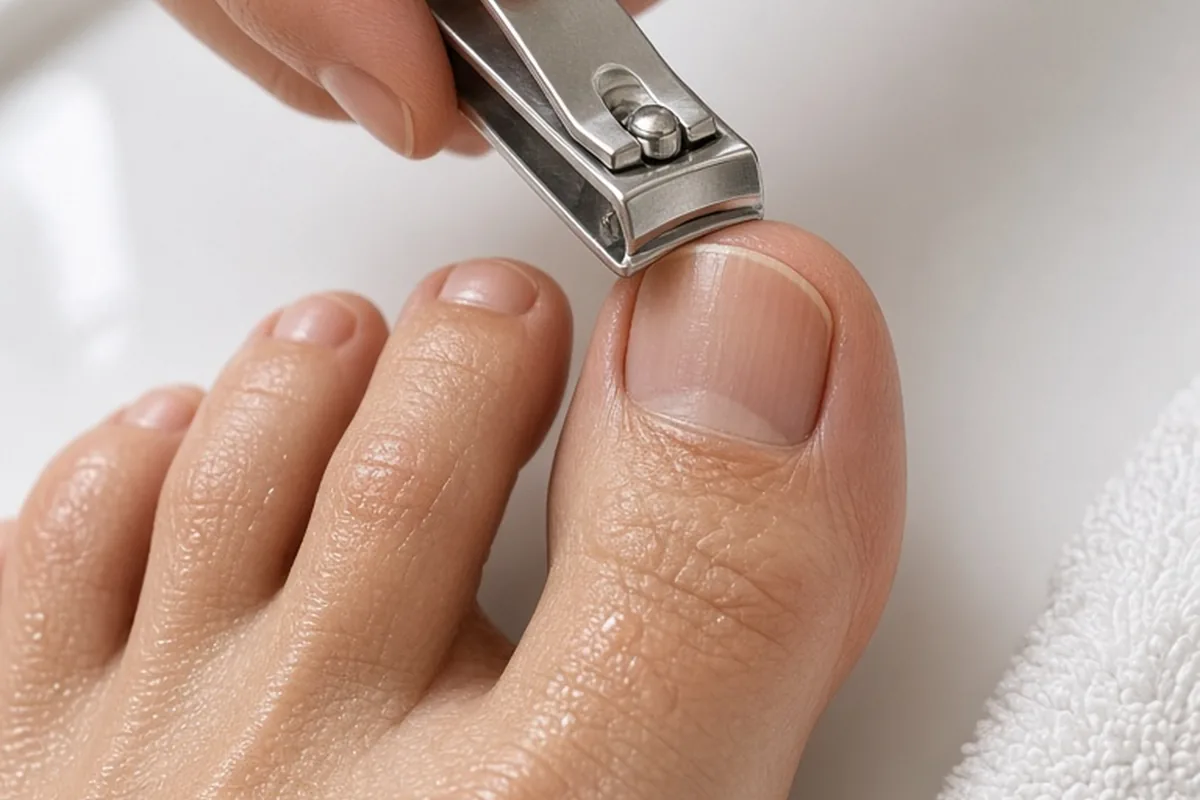
Pedicures can cause ingrown toenails before a wedding if a technician rounds the nail borders, trims too short, or probes aggressively into the side grooves. These practices leave jagged borders that pierce surrounding skin when compressed by narrow formal shoes. To protect your comfort, request a straight-across trim, schedule appointments at least a week before festivities, and decline invasive tool work in nail corners.
Preparing for a wedding ceremony often includes head-to-toe grooming, with pedicures serving as a relaxing ritual for brides, grooms, and wedding parties alike. While polished toenails look elegant in open-toe shoes and photographs, salon treatments can unintentionally set the stage for severe toe pain if improper trimming methods are used right before a major event.
How Salon Grooming Techniques Trigger Nail Border Irritation
The primary reason a professional pedicure can lead to an ingrown toenail involves how nail edges are filed and clipped. Many salon technicians are trained to give toenails an oval, tapered, or rounded shape that mirrors the curve of the toe pad. While this rounded silhouette appears neat in sandals, curving the corners downward encourages the sharp lateral edges of the nail plate to curl into the soft tissue of the lateral nail folds as the nail grows. When a nail is cut too short at the sides, the surrounding skin can fold over the fresh edge, setting up painful friction with every step you take.
Another contributing salon factor is aggressive cleaning beneath the nail borders using sharp metal tools, curettes, or cuticle nippers. In an effort to remove accumulated debris, dead skin, or stubborn lint, technicians sometimes pry along the delicate side walls of the nail bed. This mechanical disruption can traumatize the skin barrier, creating local swelling that pushes tissue directly against the nail border. If the technician attempts to relieve pressure by cutting a diagonal notch into the corner, a jagged spur or microscopic spike is often left behind beneath the gumline, which gradually digs deeper into the skin over the following days.
The Compounding Impact of Formal Wedding Footwear
A salon-induced nail issue rarely happens in isolation; formal footwear significantly amplifies the problem during wedding week. Bridal heels, pointed-toe pumps, sleek dress flats, and stiff leather men's dress shoes all feature tapered toe boxes that crowd the toes together. When your toes are forced against one another inside rigid shoes, the lateral nail wall is squeezed directly into the newly trimmed nail edge. Even a minor trimming error that might pass unnoticed in loose athletic shoes can become agonizing when compressed by satin or patent leather.
Wedding events also demand unusually long hours of weight-bearing activity. Rehearsals, lengthy photography sessions, ceremonial standing, and reception dancing exert continuous pressure on the forefoot, driving natural fluid accumulation and mild foot swelling by the end of the day. As feet swell, shoe volume decreases, intensifying the pinch on vulnerable big toes. If a nail was clipped too far down the sides only a day or two prior, this repetitive mechanical compression can turn mild post-salon tenderness into an acute, throbbing problem before you even reach the dance floor.
Strategic Scheduling for Pre-Wedding Foot Care
Timing is one of the most effective ways to mitigate the risk of salon-related toe problems. A common mistake is booking a comprehensive pedicure within twenty-four to forty-eight hours of the wedding ceremony to keep the polish as fresh as possible. While this approach maximizes lacquer shine, it leaves zero margin for error if a technician trims too deep, nicks a cuticle, or triggers tissue irritation. Soreness typically peaks twenty-four to seventy-two hours after an improper trim, placing the worst discomfort directly on your wedding day.
A safer strategy is dividing your foot care into two separate phases. Schedule your full restorative pedicure, shaping, and callus care roughly seven to ten days prior to the wedding date. This timeline provides adequate buffer for your toes to settle and ensures that any unexpected friction or minor trimming irritation resolves completely. If you want pristine polish for the ceremony, you can book a simple polish change or gentle touch-up without shaping or cuticle clipping one or two days before the festivities begin.
How to Direct Your Nail Technician with Confidence
Clear communication with your salon provider is your best defense against an overly aggressive trim. Technicians frequently default to shaping preferences requested by other clients unless you state your boundaries clearly at the start of the service. Politely inform your technician before they begin that you are preparing for a wedding where you must spend hours in formal shoes, and specify that you want your toenails cut straight across rather than rounded at the edges.
You should also feel comfortable establishing boundaries around tool use throughout the appointment. If you notice a technician reaching for metal probes to dig into the side grooves or attempting to clip deep into the corners, speak up immediately. You can say, 'Please leave the corners alone and do not cut down the sides.' A reputable technician will respect your preference. You can also decline the use of sharp cuticle clippers on the nail perimeter, asking instead for gentle pushing with an orange wood stick or a soft washcloth.
- Request that all toenails be trimmed straight across with only the sharpest corner points lightly smoothed by an emery board.
- Ask the technician to keep nail length just at or slightly beyond the tip of the toe pad to prevent skin overhang.
- Decline deep probing, scraping, or excavating beneath lateral nail walls with rigid metal curettes.
- Refuse any attempt to cut out suspected ingrown corners in a salon setting, as bathroom or salon surgery increases complication risks.
Gentle At-Home Preparation as an Alternative Option
If you have a history of sensitive nail borders or previous ingrown nails, bypassing deep salon trimming entirely may be the wisest choice for your wedding prep. Managing your own nail shaping at home puts you in complete control of the length and angle. Using clean, straight-edged toenail clippers, trim your nails after a shower when they are softer, taking small straight snips across the top without tapering downward toward the skin fold.
To achieve soft, wedding-ready feet without salon instruments, focus on gentle chemical exfoliation rather than mechanical scraping. Applying a moisturizing cream containing ten to twenty percent urea, lactic acid, or glycerin each night under cotton socks softens thick skin and rough heels over two weeks. This non-invasive routine eliminates the risk of accidental cuts, razor injuries, or deep trimming mistakes, leaving you with healthy, comfortable feet that slip effortlessly into bridal footwear.
Recognizing Post-Pedicure Irritation Versus Serious Issues
Knowing how to assess your toes after an appointment helps you respond appropriately without panicking before the celebration. Minor post-pedicure soreness is relatively common if toes were manipulated firmly, and it usually feels like a dull, diffuse ache that fades within a day when you wear open shoes. In contrast, an emerging ingrown toenail typically presents as sharp, localized pain specifically along one border of the nail plate, especially when light pressure is applied from the top or side.
If you notice increasing redness, noticeable swelling, skin warmth, or drainage around the lateral nail wall, the tissue may have developed an infection from a nail pierce or tool scrape. Do not attempt to dig out the nail corner with tweezers, manicure scissors, or pin tools at home, as this virtually always worsens the problem. Instead, soak the foot in lukewarm water with mild soap for ten to fifteen minutes, switch to loose footwear, and consult a qualified podiatrist or healthcare professional promptly for safe evaluation before your event.
Illustrative Scenarios
A Pre-Wedding Grooming Timeline Adjustment
Jordan planned an intensive spa pedicure forty-eight hours before her wedding weekend to ensure perfect polish. During the service, the technician rounded Jordan's big toenails deeply at the corners to produce a tapered look matching her pointed bridal shoes. By the rehearsal dinner the next evening, Jordan noticed a persistent throbbing along the outer edge of her right toe inside her satin heels, with the tissue becoming noticeably red from constant friction against the cut border. Because the ceremony was only twenty-four hours away, Jordan could not risk invasive procedures; she soaked her foot in warm water, switched to open-toe slide flats for the rehearsal, and placed a protective gel toe sleeve over the affected toe to buffer mechanical pressure during the reception.
Key point: Aggressively shaping toenails right before a high-stakes event eliminates the recovery window needed if an edge is trimmed too close. Scheduling shaping services well ahead of the wedding and enforcing straight-across cuts protects toe comfort when formal shoes are worn.
Frequently asked questions
What should I do if my toe feels sore after a pedicure a few days before my wedding?
Soak your foot in lukewarm water with mild soap for ten to fifteen minutes twice a day, and keep pressure off the toe by wearing open shoes whenever possible. Avoid poking or cutting into the corner with manicure tools, as home tampering usually worsens tissue inflammation. If redness, warmth, or sharp pain persists, have a medical professional or podiatrist evaluate the toe promptly.
Is it safe to get a pedicure the day before the wedding ceremony?
Getting a simple polish change or light massage the day before is generally fine, but full nail shaping and deep cuticle work should be avoided. Trimming nails too close to the event leaves no time for irritation to subside if the technician cuts into the corners. Complete all trimming and callus work at least one week in advance.
Can salon callus shavers or razors contribute to toenail problems?
While callus shavers target heel and ball calluses rather than the nail plate directly, aggressive shaving can alter your gait if feet become tender. Limping or favoring one side of your foot shifts excess mechanical pressure onto the big toes inside formal shoes. Stick to gentle pumice smoothing or hydrating lotions rather than blade treatments.
Should I let a salon technician fix a painful nail corner for me?
No, you should never allow a salon technician to dig out, clip, or perform minor procedures on a painful nail corner. Nail technicians are not licensed medical professionals, and salon clipping often leaves jagged hidden spurs that drive deeper into the skin fold. Seek an evaluation from a podiatrist who can safely manage nail issues with sterile instruments.
Your next step
Schedule your comprehensive pedicure seven to ten days before wedding festivities, insist on straight-across nail trimming without corner tapering, and break in your formal shoes early to ensure effortless comfort on your wedding day.