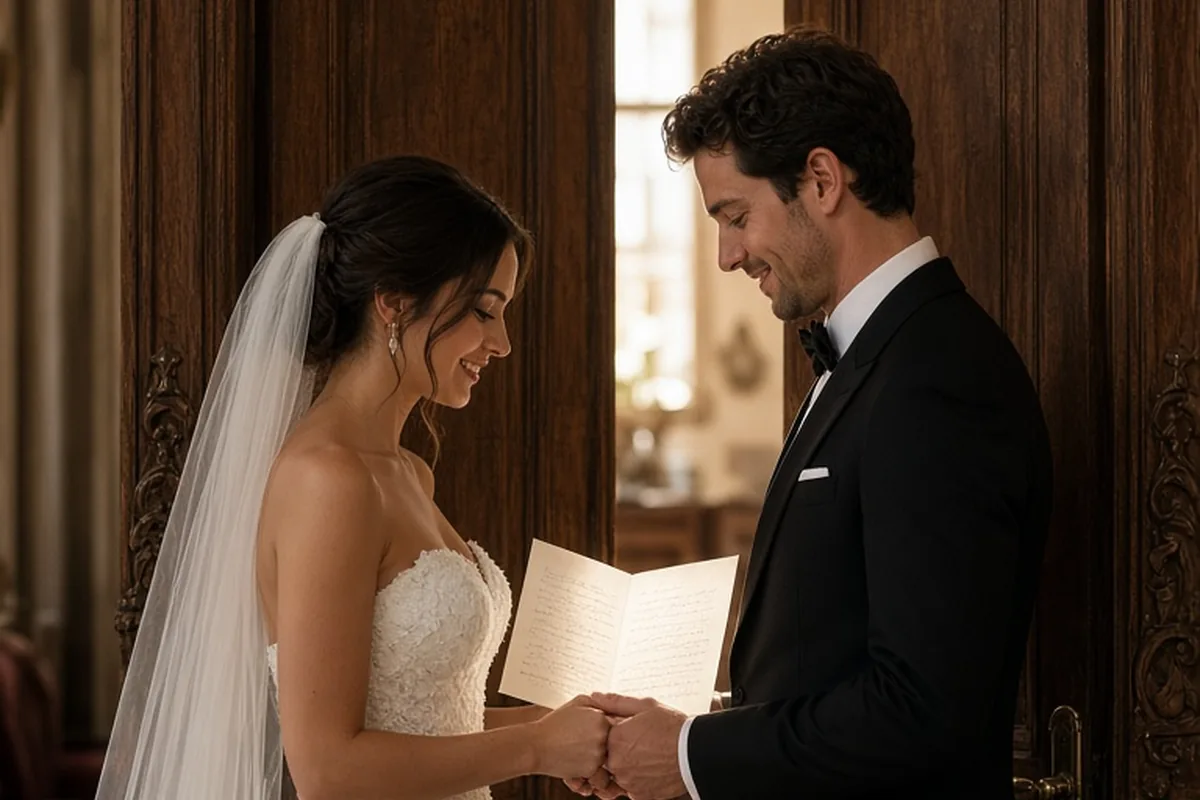
To capture unforgettable wedding photos that stand out from standard portraits, build intentional photo prompts around unscripted motion, private emotional milestones, and atmospheric lighting shifts. Swap static posing for interactive moments like private vow readings, motion-blurred dance celebrations, candid guest reactions during cocktail hour, and late-night direct flash photography. Planning these concepts into your day ensures artistic variety while preserving your personal presence.
A wedding gallery should reflect the genuine energy, quiet intimacies, and spontaneous joy of the day rather than a repetitive sequence of forced smiles and rigid stances. While traditional family group shots retain historical value, modern couples increasingly seek artistic images that carry genuine narrative weight and evoke how the celebration actually felt.
Reimagining the First Look Beyond the Standard Tap on the Shoulder
The traditional first look usually follows a rigid script where one partner stands facing away until tapped on the shoulder by the other. While this produces reliable reactions, transforming the setting or the mechanism of the reveal can yield far more evocative visual storytelling. Consider an auditory reveal instead, where you stand back-to-back on either side of an antique doorway, hedge, or partition wall to hold hands and read private letters or personal vows aloud before turning around. This setup allows the photographer to frame both emotional expressions within a single compositional plane, capturing tears and laughter as they develop organically rather than staging an abrupt visual shock.
Another compelling variation involves expanding the first look concept to individuals who played quiet, foundational roles in your life. While first looks with wedding parties or fathers are common, staging an intimate, private viewing with grandparents, siblings, or lifelong mentors often produces raw, nostalgic photographs. Set these reveals in serene corners of the venue bathed in natural window light, far away from the bustle of hair and makeup touch-ups. Giving these moments five dedicated minutes allows your photographer to capture genuine embraces, trembling hands, and contemplative pauses without the pressure of an audience watching from behind the camera.
Using Motion Blur and Shutter Drag for High-Energy Reception Photos
Sharp, technically flawless portraiture is ideal for ceremony coverage, but reception dancing often calls for visual chaos, momentum, and electric celebration. Photographers achieve this through intentional motion blur and shutter drag, a technique where the camera shutter stays open slightly longer while an on-camera flash freezes the primary subject. The resulting images feature luminous light streaks, spinning garments, and vibrant movement trails surrounding sharp, joyous expressions. This editorial approach transforms a standard dance circle into a dynamic, cinematic record of nighttime revelry.
To maximize this technique, identify moments with significant movement and contrast. Group dances, horns section performances, horah lifts, or spontaneous dance-offs provide ideal visual energy. Let your photographer know ahead of time that you appreciate experimental shutter speeds so they can bring appropriate modifiers and manual flash gear to the dance floor. The contrast between crisp foreground smiles and swirling neon or warm ambient room lights delivers an atmosphere that feels alive decades later, far surpassing static wide shots of a dim room.
Interactive Movement Prompts That Replace Stiff Couple Poses
Stiffness during golden hour portraits usually stems from trying to hold an unnatural physical posture while looking directly down the lens barrel. Replacing static positions with movement-based prompts creates effortless, authentic body language. Instead of standing side by side with hands formally locked, try walking slowly toward the camera while talking about your favorite part of the ceremony, or take turns gently leading each other through an open field, cobblestone courtyard, or museum colonnade. Physical motion relaxes facial muscles, softens posture, and allows garments like veils and train fabrics to drape with natural elegance.
Verbal prompts also generate authentic, micro-expressions that cannot be manufactured through instruction. Ask your photographer to give you conversational cues rather than geometric directions. Prompts such as whispering an absurd joke into your partner's ear, recounting the exact moment you realized you wanted to marry them, or closing your eyes together and listening to the ambient sounds of the venue yield distinct visual moods. These interactions create photos centered on intimate shared laughter, quiet foreheads touching, and spontaneous embraces where you are focused entirely on each other rather than the camera equipment.
Framing Negative Space and Architectural Scale for Dramatic Portraits
Close-up portraits capture facial nuances, but wide environmental portraits that celebrate negative space turn wedding images into wall-worthy pieces of fine art. Negative space refers to the intentional empty or uniform areas surrounding the subjects, such as an expansive mountain ridge, a minimalist concrete museum wall, a moody overcast sky, or a vast historic library ceiling. Positioning the couple as a relatively small element within a sweeping landscape or striking architectural interior highlights both the grandeur of the venue and the intimate solidarity of the two people within it.
Executing these shots requires thoughtful location scouting and patience with natural geometry. Look for leading lines, including long stone staircases, symmetrically planted orchards, dramatic arched doorways, or winding pathways that guide the viewer's eye straight toward you. Because your faces occupy a smaller proportion of the frame, focus on strong silhouettes, clean profiles, and expressive physical posture, such as holding hands at arm's length or embracing with a flowing veil catching the breeze. These broad landscape compositions bring editorial variety to an album and offer a breathtaking sense of scale.
Focusing on Guest Vignettes and Unfiltered Cocktail Hour Candids
A wedding is an extraordinary convergence of disparate social circles, yet traditional photo checklists often reduce guests to obligatory table photos or stiff reception receiving lines. A far richer approach treats cocktail hour as a street-photography playground. Ask your photographer or a designated second shooter to document unprompted vignettes: old college friends erupting in laughter over signature cocktails, an elderly aunt leaning in to whisper advice, or small children running across the lawn with half-eaten appetizers. These peripheral observations reveal the shared warmth of the gathering.
Speech reactions during dinner provide another goldmine for authentic candid photography. While one camera stays trained on the person giving the toast, ensure a second lens remains focused squarely on the parents' table or the wedding party. The unfiltered expressions of a mother wiping away a quiet tear, a maid of honor burying her face in her hands during an embarrassing anecdote, or the couple reacting spontaneously to an unexpected joke showcase emotional authenticity that cannot be re-enacted. These unguarded frames often become the most treasured photos in the entire collection.
Late-Night Direct Flash and Unconventional Exit Compositions
As celebrations transition into late evening, lighting shifts from natural warmth to high-contrast nocturnal moodiness. Direct on-camera flash, reminiscent of vintage party documentation and classic editorial spreads, adds a punchy, raw texture to nighttime photos. Rather than diffusing light into a soft, even wash, direct flash creates stark, dramatic shadows and crisp, saturated colors that emphasize authentic, unvarnished fun. This visual style is particularly suited for after-parties, basement lounges, and energetic outdoor departures.
Reconsider standard send-offs by choosing exits that match your venue's personality and personal taste rather than uniform trends. While sparkler tunnels remain popular, alternatives like running through a tunnel of glowing tambourines, popping bottles of sparkling cider under patio string lights, piling into the back of a vintage convertible, or standing under the warm illumination of a classic theater marquee create striking visual interest. For indoor venues or bad-weather days, simple direct-flash portraits taken against an elevator wall, in a hotel hallway, or beside a late-night street food cart provide playful, editorial punctuation to the wedding story.
Structuring a Wedding Day Timeline That Allows Creative Shots to Happen
Creative, nuanced photography cannot thrive within an overcrowded, minute-by-minute itinerary. If the schedule leaves only ten rushed minutes between family portraits and dinner introductions, your photographer will be forced to default to safe, generic poses simply to guarantee coverage. To foster genuine creativity, intentionally build fifteen-minute buffer blocks throughout the afternoon. These micro-breaks relieve stress, allow your photographer to scout spontaneous lighting shifts, and give you time to catch your breath, which directly improves how relaxed you appear on camera.
Lighting conditions dictate creative outcomes far more than location backdrops. Discuss the local sunset time with your photographer months in advance, scheduling your couple portraits for the thirty to forty minutes immediately preceding twilight when the sun produces golden, flattering sidelight. If your wedding occurs in a region or season prone to harsh midday overhead light, plan for indoor architectural portraits or shaded courtyard sessions during early afternoon, reserving outdoor wide-angle landscape shots for when the sun drops low. Clear timeline communication ensures your visual priorities receive the exact light quality they require.
Frequently asked questions
How can we make our formal family portraits look more natural and less stiff?
Ask your photographer to capture the in-between moments while people are walking into the grouping, adjusting clothing, and chatting. You can also mix standing and seated postures using armchairs or steps, rather than lining everyone up shoulder-to-shoulder in a straight line.
What should we do if it rains on our wedding day and ruins outdoor portrait plans?
Embrace the weather creatively by utilizing clear umbrellas, reflections in puddles, and covered architectural spaces like wrap-around porches or large window alcoves. Rain brings exceptional moodiness and soft, even lighting that often produces more dramatic, romantic photos than direct sunlight.
How do we balance unique artistic photos with traditional family expectations?
Dedicate a focused twenty to thirty minutes immediately after the ceremony to standard, well-lit formal family shots to honor tradition and satisfy parents. Once those essential records are secured, dedicate the rest of your portrait time and reception coverage to documentary candids and creative editorial experimentation.
How many specific shot ideas should we give our wedding photographer?
Limit your specific requests to five to ten meaningful inspirations rather than an exhaustive multi-page checklist. Overloading a photographer with rigid shot lists forces them to look at a piece of paper all day instead of watching for spontaneous emotional moments as they naturally unfold.
Your next step
Review your draft wedding schedule today and carve out one dedicated twenty-minute evening window specifically for unscripted creative portraits, then share your visual style preferences with your photographer.