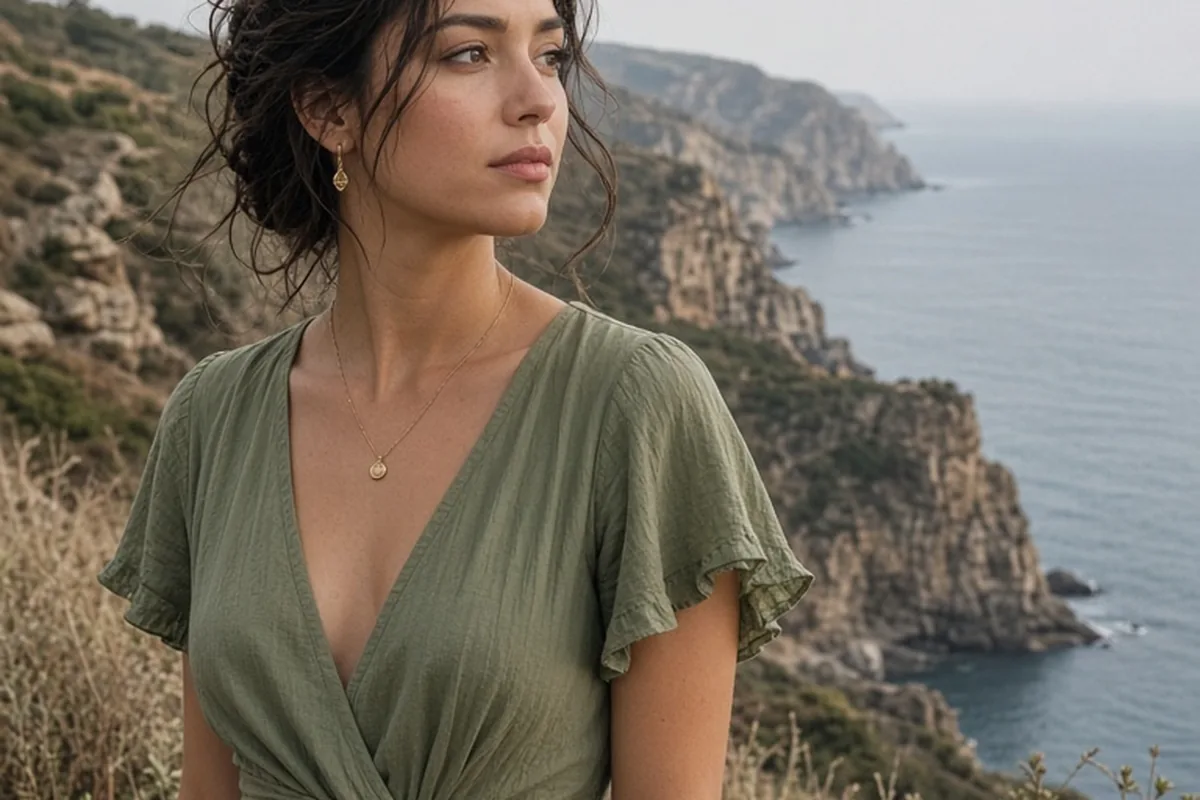
Cocktail attire for a wedding guest balances elevated polish with festive celebration, but your physical venue dictates the proper fabric, silhouette, and footwear. While metropolitan hotel ballrooms and modern art galleries demand structured midi dresses, tailored dark suits, and sleek dress shoes, outdoor settings like coastal bluffs, rustic vineyards, and private gardens call for breathable textiles, flexible layering, softer colors, and ground-conscious footwear such as block heels, wedges, or refined dress loafers.
Receiving a wedding invitation with a cocktail dress code often prompts an immediate sense of relief followed by practical confusion, especially when the event takes place in an unconventional or regionally distinct environment. The fundamental rules of cocktail dressing remain anchored in tailored silhouettes and elevated accessories, yet the ground under your feet, the regional humidity, and the transition from afternoon sunlight to evening chill determine what truly feels comfortable and looks appropriate.
The Cocktail Baseline for Modern Wedding Guests
At its core, wedding cocktail attire sits comfortably between daytime smart-casual and evening black-tie optional. For women and non-binary guests favoring dresses or jumpsuits, the silhouette centers on knee-length, midi, or high-low designs cut from premium textiles such as silk crepe, jacquard, satin, or structured lace. Floor-sweeping ballgowns feel overly theatrical for a cocktail designation, while casual jersey cotton sundresses skew too everyday. A sleek pantsuit in an energetic jewel tone or an architectural jumpsuit with clean, tailored lines offers an equally sophisticated alternative to conventional cocktail frocks, provided the garment features refined finishings such as interior lining, bound seams, and understated hardware.
For guests wearing traditional tailoring, a standard cocktail ensemble requires a well-fitted suit rather than a tuxedo or casual sport coat with denim. Classic navy, slate gray, deep olive, or rich charcoal serve as dependable foundations, paired with a pressed spread-collar dress shirt, an intentional necktie or bow tie, and leather oxfords or monk straps. While formal evening receptions lean heavily into monochrome black and midnight blue, daytime and semi-outdoor cocktail hours permit subtle deviations in shirt patterning, knit silk ties, and pocket square accents. Understanding this baseline is essential because regional locations do not erase these rules; they merely adapt the materials, colors, and structural stiffness to harmonize with the surroundings.
Adapting Cocktail Attire for Coastal and Beachside Venues
A beachside wedding venue introduces severe environmental variables, primarily marine winds, radiant midday heat, and unstable footing. When an invitation specifies cocktail attire for a coastal resort, seaside lawn, or shoreline deck, the goal is maintaining sartorial crispness without fighting natural elements. Flowing midi dresses crafted from silk georgette, chiffon, or high-twist rayon provide movement without adhering uncomfortably in high humidity. Stiffer, heavyweight brocades or thick polyester blends should be avoided because they trap moisture and restrict air circulation. Lighter, warm-weather hues such as seafoam, terracotta, soft ochre, and refined coastal florals mirror the natural scenery while meeting cocktail elegance.
Tailoring for a beach cocktail wedding shifts away from dense worsted wool toward lightweight tropical wool, wool-silk-linen blends, or structured cotton twill. While purely unstructured linen suits can wrinkle excessively and read as casual daytime resort wear, a blended suit that combines linen's breathability with wool's wrinkle recovery keeps you sharp throughout the dinner and speeches. Consider pairing the suit with a crisp white or pale blue poplin shirt, omitting the tie only if the venue is directly on the sand and the couple specifies relaxed coastal styling. Footwear presents the steepest hurdle: narrow stilettos are unwearable on sand or wooden boardwalks. Opt instead for tailored block-heel mules, refined espadrille wedges with minimal canvas exposure, or suede driving loafers worn with no-show socks.
Dressing for Garden Estates, Orchards, and Historic Vineyards
Vineyards and historic botanical estates blend agrarian charm with curated luxury, creating unique styling opportunities and distinct physical challenges. These properties frequently involve transitions across rolling lawns, gravel paths, and exposed wine-tasting terraces. Garments for garden cocktail events should embrace rich color palettes, including botanical prints, dusty rose, sage green, plum, and warm earth tones. A tea-length dress with an A-line skirt or a pleated midi offers ease of movement when stepping over uneven turf. Fabric selections like mid-weight silk crepe, printed organza, or structured cotton eyelet maintain their composure in shaded outdoor groves where breezes can drop the ambient temperature rapidly.
Guests choosing suits should look toward seasonal textures that complement natural foliage. Hopsack blazers, textured bird's-eye wool suits, or soft glen plaid patterns in muted browns, forest greens, or air-force blue harmonize beautifully with vineyard architecture. Avoid slick, high-shine formal fabrics that clash with the pastoral backdrop. Footwear choices must prioritize turf protection and personal safety: stilettos inevitably punch holes into damp grass, risking twisted ankles and ruined leather heel covers. A substantial block heel, a low architectural kitten heel with a wide base, or a dress shoe with rubber-injected leather soles ensures confident traction over crushed limestone paths and manicured lawns.
Navigating Urban Venues: Rooftops, Art Galleries, and City Ballrooms
Metropolitan wedding venues demand a noticeably sharper, more deliberate aesthetic. Art museums, boutique downtown hotels, historic social clubs, and high-rise rooftops feature polished concrete, marble foyers, and controlled climate conditions that invite modern minimalism and dramatic tailoring. In these environments, color palettes naturally migrate toward saturated jewel tones, deep emerald, sapphire, black, burgundy, and crisp metallics. A column midi dress with an asymmetric neckline, a tailored tuxedo dress, or a wide-leg crepe jumpsuit paired with architectural metal jewelry feels completely at home against sleek skyline glass and curated gallery lighting.
Suits in city settings should reflect tight tailoring and sharp silhouettes. Deep charcoal, stark black, and midnight blue suits made from smooth worsted wool with a slight natural sheen provide the necessary gravitas. You can experiment with contemporary styling details such as peak lapels, a knit silk necktie, an understated tie bar, and high-shine patent or calfskin leather dress shoes. Because floor surfaces in urban venues are uniformly flat and solid, footwear restrictions drop away, allowing for pointed-toe stilettos, high single-sole strap heels, or fine Italian leather lace-ups. Keep in mind that rooftop cocktail hours frequently expose guests to urban wind tunnels, so ensure hair styling, wraps, and lightweight hemlines are secured against sudden updrafts.
Mountain Lodges, Ranches, and Refined Rustic Venues
Rustic venues such as renovated timber barns, mountain ski chalets, and private ranches require guests to walk a careful line between pastoral utility and dress-code formality. The most common error in these settings is underdressing; a cocktail invitation at a ranch still requires tailored elegance rather than everyday flannel, denim, or casual work boots. Instead, incorporate the rustic setting through substantial tactile fabrics and warm, grounding tones like copper, amber, chocolate brown, and forest green. Mid-length dresses in velvet, heavier silks, or pleated satin provide both textural richness and practical warmth inside uninsulated or drafty wooden halls.
For suiting, consider heavier-weight wools, flannel, or fine-gauge corduroy in cool seasons, shifting to textured hopsack or wool-cotton twill in late spring and summer. A three-piece suit can be particularly practical in mountain environments, allowing you to remove your jacket during dancing while retaining a polished vest silhouette. Accessorizing with quality leather goods, such as burnished brogues, Chelsea dress boots with chisel toes, or subtle brass cuff links, honors the regional aesthetic without degrading the cocktail standard. When dressing for ranches, inspect your footwear soles: slick leather soles slide dangerously on polished hardwood dance floors or exterior flagstone steps, making low rubber-soled dress shoes or block-heeled leather boots a sensible selection.
Managing Extreme Microclimates and Day-to-Night Temperature Swings
Geographic regions known for dramatic diurnal temperature shifts, such as high-altitude desert settings, alpine valleys, and Northern coastal peninsulas, present a logistical puzzle for wedding guests. An outdoor ceremony may begin under baking sun at eighty degrees Fahrenheit, only for dinner and dancing to take place in a sixty-degree draft. Navigating this reality requires treating outer layers as an intentional element of your cocktail outfit rather than an afterthought. Draping a casual down jacket or an everyday fleece over a cocktail dress instantly undermines the look. Instead, invest in a tailored wool-blend topcoat, a structured capelet, a pashmina crafted from pure cashmere, or an evening trench that complements the length of your hemline.
Fabric selection also plays a decisive role in temperature moderation. Pure natural fibers, including silk, fine merino wool, and modal, breathe efficiently during hot daytime cocktail hours while insulating body warmth once the sun dips below the horizon. Synthetic fabrics like unlined polyester or acetate often trap sweat during warm ceremonies and feel icy cold against bare skin when the wind picks up. For guests wearing suits, maintaining an unbuttoned jacket during warm afternoon vows preserves comfort, while keeping a matching waistcoat or packing a tailored car coat in the venue coat check guarantees seamless adjustment throughout the evening.
Footwear and Foundation Guide for Unpredictable Terrain
Your footwear choice is often the single factor that decides whether an outdoor or multi-room wedding is an enjoyable celebration or a painful endurance test. Venues rarely feature uniform flooring throughout an entire event. A typical destination itinerary might guide guests across a soft lawn for the ceremony, through a coarse pea-gravel courtyard for cocktails, and onto a hard, polished wood or stone floor for dinner and dancing. Evaluating the venue's ground map before purchasing or packing shoes prevents irreversible damage to high-end leather, satin uppers, and delicate heel points.
When attending events on soft ground, heel stoppers or clear silicone heel protectors provide a temporary barrier against sinking, though a dedicated block heel, flared architectural heel, or elegant dress wedge remains a vastly more stable choice. For men and guests wearing flat formal shoes, look closely at the sole construction. Single-layer unstitched leather soles absorb dampness quickly from wet grass, which causes leather to warp and stain. Choosing shoes with Goodyear-welted rubber soles or adding a thin rubber half-sole tap through a local cobbler provides water resistance and traction without compromising the sleek side profile of a formal dress shoe.
Frequently asked questions
Can I wear a long maxi dress to a cocktail attire wedding?
Yes, provided the cut and fabric reflect cocktail party sophistication rather than a black-tie ballgown or an everyday casual sundress. Look for ankle-grazing column cuts, high-low silhouettes, or fluid silk slips with elevated details, avoiding billowing cotton tiers or voluminous floor-length trains.
Is a tie mandatory for male guests at an outdoor cocktail wedding?
A necktie or bow tie is standard for cocktail attire, even in outdoor venues like vineyards and estates. However, if the wedding is situated directly on a warm coastal beach or in a tropical resort setting, a finely tailored suit worn with an open-collar, high-thread-count dress shirt and a pocket square is widely accepted.
What colors should I avoid wearing as a cocktail wedding guest?
Always avoid wearing white, cream, ivory, or pale champagne shades that can photograph as white in daylight. Additionally, check the invitation or wedding website to avoid inadvertently matching the wedding party's chosen color scheme, and steer clear of overly loud neon tones unless requested by the couple.
How do I know what shoes to wear if the venue has multiple surfaces?
Plan your footwear around the softest or most hazardous surface mentioned on the invitation or wedding website. If any portion of the event takes place on lawn, sand, or gravel, choose an intentional block heel, dress wedge, or rubber-soled formal shoe that will transition smoothly onto indoor dance floors.
Your next step
Inspect the venue's satellite map and the week's regional weather forecast today to finalize your footwear heel width and outer layering pieces before packing your outfit.