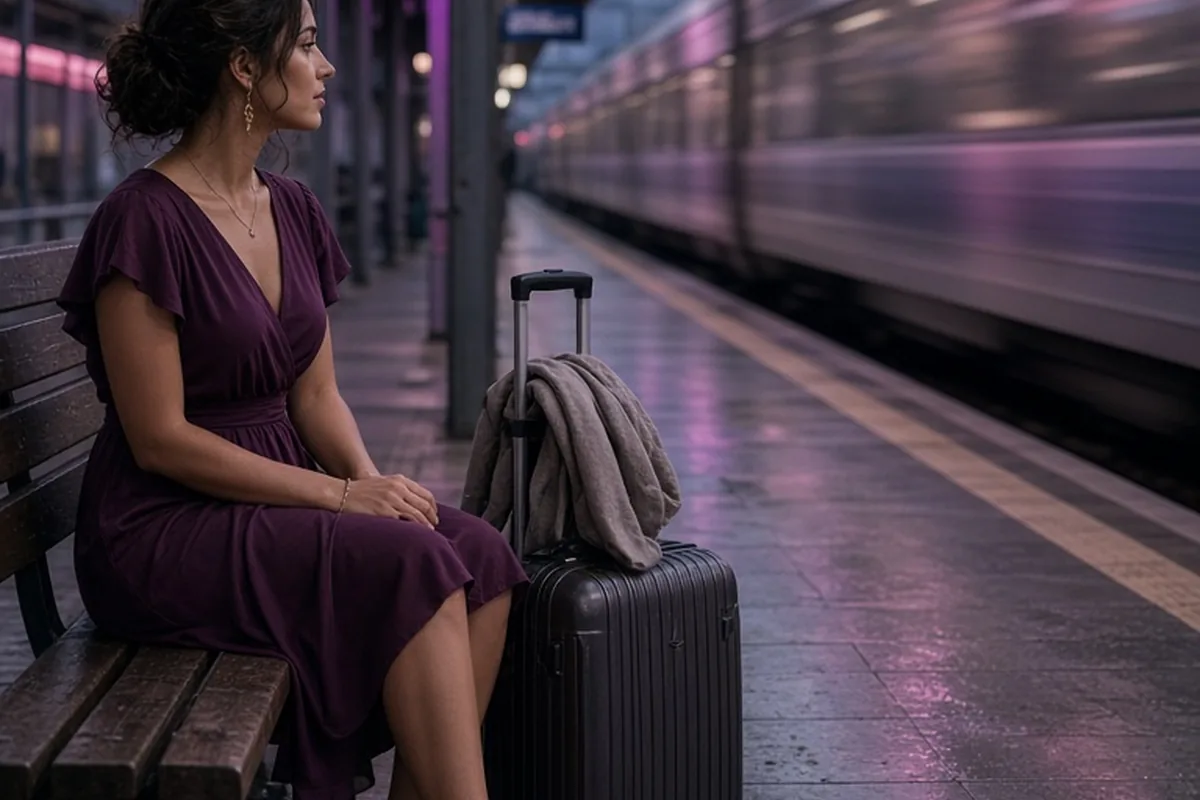
A cocktail attire wedding guest checklist centers on polished, semi-formal tailoring that bridges the gap between casual daywear and formal black-tie. Women should select knee-length, midi, or high-end jumpsuit silhouettes in elevated fabrics like silk, crepe, or satin, paired with heels or dressy flats. Men should wear a dark or mid-tone tailored suit with a collared dress shirt, dress shoes, and an optional necktie or pocket square.
Receiving a wedding invitation with a cocktail dress code is exciting, but it often leaves guests wondering how formal they actually need to dress. Cocktail attire strikes a deliberate balance between structured elegance and celebratory style, offering significant versatility while still demanding thoughtful refinement.
Decoding the Cocktail Dress Code for Modern Weddings
Cocktail attire originated as an early-evening dress code designed for social gatherings that occurred after work hours but before formal dinner dances. In the context of contemporary weddings, cocktail attire signals that the hosts expect a sharp, dressed-up appearance without the strict floor-length gowns or tuxedos required by black-tie events. It sits directly above smart casual and semi-formal on the traditional formality spectrum, requiring tailored construction, premium textiles, and deliberate styling.
The primary challenge with cocktail attire is avoiding extremes on either end of the spectrum. An outfit that is too casual, such as a jersey sundress, denim, or an unbuttoned shirt without a jacket, will look out of place in photographs and disrespect the celebratory atmosphere. Conversely, selecting a heavily beaded ballgown, a floor-sweeping train, or a classic tuxedo can make you appear overdressed and distract from the wedding party. Aim for an ensemble that feels sophisticated, intentional, and comfortable enough for an evening of mingling and dancing.
Women's Cocktail Attire Checklist: Silhouettes, Hemlines, and Fabrics
When assembling a cocktail outfit, the hemline is your most reliable guide. Midi dresses that hit mid-calf, structured knee-length sheath dresses, and elegant tea-length cuts are standard choices that reliably fit the dress code. High-low hemlines and sophisticated mini dresses can also work, provided the mini cut features a modest neckline, long sleeves, or substantial architectural tailoring to preserve formality. If dresses do not align with your personal style, a tailored jumpsuit crafted from structured crepe or draped silk offers an equally chic, modern alternative.
Fabric selection determines whether a garment reads as daytime casual or cocktail-ready. Prioritize materials with intrinsic luster, weight, or texture, such as silk, satin, chiffon, organza, structured crepe, velvet, or refined lace. Steer clear of casual cotton jersey, stretchy spandex blends, unlined linen that wrinkles easily, or everyday denim. Rich jewel tones, deep neutrals, soft pastels, and subtle floral prints are all widely accepted. The only non-negotiable color rule is avoiding solid white, ivory, cream, champagne, or any pale hue that could photograph as bridal white under ambient event lighting.
Men's Cocktail Attire Checklist: Tailoring, Shirts, and Accessories
For men, the foundation of a cocktail look is a well-fitted two-piece suit. Darker neutrals—such as charcoal grey, deep navy, midnight blue, and rich forest green—are fail-safe choices that seamlessly transition from late afternoon ceremonies to evening receptions. Lighter grey, taupe, or soft blue suits work exceptionally well for morning or outdoor summer celebrations. The suit jacket and trousers should match in fabric and color; pairing unmatched blazers with separate chinos or dress slacks lowers the formality closer to smart casual.
Underneath the suit jacket, wear a crisp, long-sleeved button-down dress shirt in solid white, pale blue, or subtle micro-patterns. Ensure the collar has enough structure to hold its shape throughout the event. While a necktie or bow tie is traditionally expected for cocktail attire, modern weddings frequently permit an open collar paired with an eye-catching pocket square, provided the suit is impeccably tailored. If you choose to wear a tie, select silk, knit, or fine woven blends rather than novelty prints. Finish the foundation with a leather dress belt that coordinates closely with the finish of your shoes.
Footwear and Outerwear Selection for Cocktail Events
Footwear plays a pivotal role in maintaining the polished nature of a cocktail ensemble while supporting your comfort for hours on your feet. For feminine styling, classic pointed-toe pumps, strappy heeled sandals, block heels, or ornate pointed-toe dress flats are ideal. If the ceremony takes place on grass or uneven cobblestone, opt for block heels or wedge profiles to avoid sinking into the turf. For masculine styling, leather Oxford shoes, Derby shoes, double monk straps, or polished leather dress loafers are recommended. Avoid athletic sneakers, boat shoes, canvas slip-ons, and casual work boots.
Outerwear is frequently overlooked until the day of the event, but throwing a casual puffer coat or denim jacket over tailored eveningwear immediately undermines your overall aesthetic. Plan your top layers in advance based on the forecast. A tailored wool overcoat, trench coat, structured blazer, velvet wrap, cashmere pashmina, or faux-fur stole provides necessary warmth while preserving the refinement of your look. When you arrive at the venue, take advantage of the coat check so you are not carrying heavy outerwear across the reception space.
Seasonal and Venue Adjustments for Cocktail Weddings
The venue setting and time of year should directly influence your fabric weights, color choices, and styling decisions. For spring and summer celebrations held at outdoor gardens, vineyards, or seaside resorts, lean into breathable textiles such as tropical-weight wool, silk blends, and high-thread-count cotton. Lighter color palettes, floral patterns, and playful accessories match the airy environment while maintaining formal integrity. Ensure you bring sunglasses with classic frames and a lightweight wrap for when temperatures dip after sunset.
Autumn and winter weddings hosted in historic estates, urban lofts, or hotel ballrooms call for richer textures and deeper saturation. Embrace heavyweight wool suits, velvet dinner jackets, brocade fabrics, and dark jewel tones such as emerald, ruby, sapphire, and plum. Evening lighting at winter receptions naturally flatters metallic jewelry, textured clutches, and deeper accent tones. Check the venue layout in advance: if transit between an outdoor chapel and an indoor hall is required, factor practical weatherproofing into your choice of footwear and wraps.
Final Pre-Event Checklist and Common Styling Mistakes to Avoid
Before stepping out the door, conduct a systematic review of your entire outfit to avoid preventable wardrobe malfunctions. Try on the complete ensemble—including underwear, shapewear, socks, and shoes—at least one week prior to the wedding. Check for proper garment fit, missing buttons, pulled threads, and visible hemlines. Verify that your dress socks are tall enough so that no bare leg shows when seated, and ensure any visible undergarment lines are smoothed out with seamless foundations.
A common mistake guests make with cocktail attire is over-accessorizing, which can create visual clutter and detract from clean tailoring. Select one statement piece—such as bold earrings, an artistic neckpiece, or a distinctive watch—and keep the supporting jewelry understated. Similarly, carry a compact clutch or structured mini bag rather than an everyday oversized tote. Finally, always consult the couple's wedding website for any specific color requests or venue warnings that could impact your wardrobe plan.
Frequently asked questions
Can I wear a black dress or black suit to a cocktail wedding?
Yes, black is entirely acceptable for modern cocktail weddings, especially for evening receptions and urban venues. To keep the look festive rather than somber, incorporate warm metallic jewelry, textured fabrics, or a colorful pocket square.
Are maxi dresses acceptable for a cocktail attire dress code?
Maxi dresses can work for cocktail attire if the cut and fabric remain lightweight, playful, or printed rather than intensely formal. Avoid floor-length gowns with heavy trains, voluminous ballgown skirts, or elaborate beading, as those lean toward black-tie.
Is it required for men to wear a tie for cocktail attire?
While a tie is traditional and safest, many modern cocktail weddings permit a well-tailored suit worn with an open-collar dress shirt. If you skip the necktie, add a silk pocket square to keep the suit looking deliberate and polished.
How does cocktail attire differ from semi-formal attire?
Cocktail attire is slightly dressier than semi-formal attire, typically leaning into evening party aesthetics with richer fabrics and darker suits. Semi-formal attire allows for more casual separates, daytime sundresses, and lighter layering pieces.
Your next step
Review your wedding invitation and venue details today, then assemble and try on your complete suit or dress ensemble—including shoes and accessories—at least one week before the event.