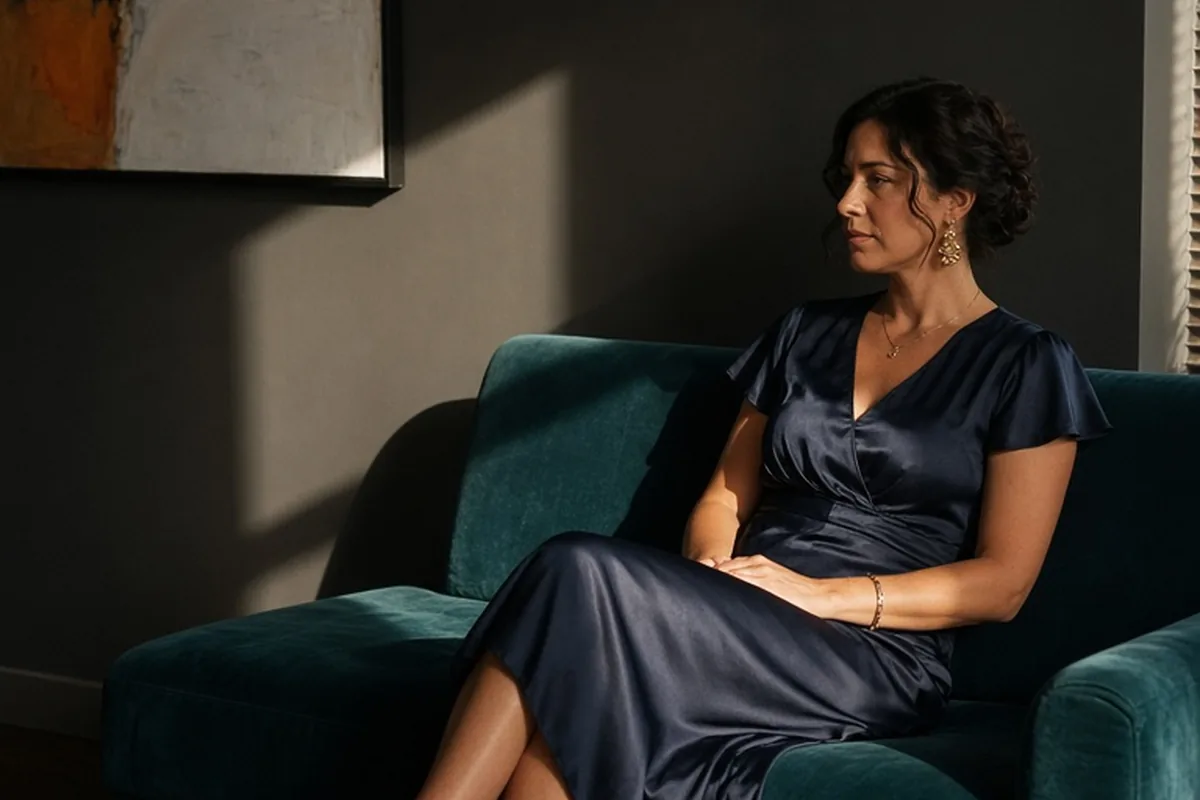
Cocktail attire for a 200-guest wedding strikes a balance between formal sophistication and comfortable celebration. Women typically wear knee-length, midi, or high-low dresses, dressy jumpsuits, or elevated separates in materials like crepe, satin, or lace. Men should wear a well-tailored suit in navy, charcoal, or seasonal tones with a crisp collared shirt, leather dress shoes, and an optional tie. In a gathering of 200 people, polished silhouettes and comfortable footwear ensure you look appropriate while navigating crowded bars, mingling areas, and the dance floor.
Attending a wedding with two hundred guests presents a lively, dynamic environment where visual elegance meets practical mobility throughout a long evening of social interaction.
Decoding Cocktail Attire for a 200-Guest Celebration
Cocktail attire occupies the versatile middle ground between semi-formal daytime dressing and floor-length black-tie formality. When a couple specifies this dress code for a gathering of approximately 200 guests, they are signaling an elevated evening party atmosphere where attendees are expected to dress purposefully without feeling constrained by ballgowns or tuxedos. In a room of this size, the guest list typically includes extended family, college friends, colleagues, and distant relatives, creating a visually diverse crowd where refined, understated choices always perform best.
The scale of a 200-guest event directly influences how your outfit functions during the reception. Mid-to-large weddings involve sustained standing during cocktail hour, navigating through dense seating layouts, waiting at crowded beverage stations, and active movement on the dance floor. Your attire must withstand hours of movement, temperature changes between indoor dining rooms and outdoor patios, and close-quarters socializing without creasing excessively or requiring constant readjustment.
Women's Cocktail Outfits: Lengths, Silhouettes, and Layering
When selecting a dress for a 200-guest cocktail wedding, hemlines that sit between just above the knee and mid-calf represent the gold standard. A tailored sheath dress, a structured A-line midi, or a sophisticated slip dress paired with structured undergarments delivers effortless style. Sophisticated jumpsuits crafted from heavy crepe, structured linen blends, or matte jersey offer a modern, chic alternative to traditional dresses, provided they feature clean architectural lines and formal detailing such as wide legs or subtle pleating.
Necklines and structural cuts should balance style with social ease. High-neck halters, boatnecks, asymmetrical one-shoulder cuts, and refined V-necks work exceptionally well across varied venues. Avoid floor-length gowns with dramatic trains that could easily be stepped on in a bustling ballroom or buffet line. Similarly, steer clear of ultra-casual sundresses or cotton daywear that feel too relaxed for an evening celebration. If your outfit features an open back or bare shoulders, carry an elegant pashmina, tailored blazer, or cropped jacket to adapt to aggressively air-conditioned banquet halls or brisk outdoor terrace cocktail hours.
Undergarments play an equally critical role in ensuring all-day confidence. Seamless shapewear, strapless brassieres tested for long-duration support, and anti-chafing shorts prevent wardrobe discomfort when moving through tightly arranged banquet tables or dancing for several consecutive hours.
Men's Tailoring and Suit Combinations for Mid-Sized Weddings
For men attending a 200-guest cocktail event, a well-fitted two-piece suit is the most reliable and respectful choice. Classic wool or wool-blend suits in charcoal, deep navy, slate blue, or rich forest green establish a sharp foundation that aligns with evening standards without mimicking the wedding party's formal tuxedos. Ensure the jacket shoulders align naturally with your frame and trousers are hemmed with a clean, slight break over your dress shoes to prevent fabric pooling around your ankles.
Pair the suit with a freshly pressed, 100 percent cotton dress shirt in white, pale blue, or subtle micro-patterns. While a necktie or bow tie is traditionally expected, modern cocktail dress codes often permit an open collar with a crisp spread or semi-spread collar, provided the suit is impeccably tailored and accented with a complementary pocket square. For evening events beginning after five o'clock, darker tones and classic silk ties in burgundy, midnight blue, or geometric weaves provide an extra layer of visual refinement that stands out nicely in group photography.
Grooming and finishing details complete the presentation. Polished leather oxfords, derbies, monk straps, or clean leather loafers worn with matching dark dress socks maintain continuity. Belts should match the leather tone and finish of your shoes, while watches and cufflinks should remain understated rather than overly flashy.
Fabrics, Colors, and Seasonal Adjustments in Busy Event Spaces
A venue hosting 200 people generates substantial ambient body heat, particularly once dinner concludes and guests move toward the dance floor. Choosing breathable, high-performance textiles prevents overheating while preserving a crisp appearance throughout the event. For warmer spring and summer weddings, choose tropical-weight wool, silk blends, structured modal, linen-silk blends, and lightweight crepe. For autumn and winter celebrations, heavier fabrics like velvet accents, rich jacquard, heavier wools, and tailored brocades provide warmth and seasonal depth.
Color palettes should reflect the season, venue, and time of day while respecting traditional wedding boundaries. Jewel tones such as emerald, sapphire, plum, and ruby are universally flattering for evening events across all seasons. Earth tones like terracotta, olive, and warm taupe suit vineyard or garden settings, while soft pastels and floral prints excel at daytime ceremonies transitioning into evening receptions. It remains standard etiquette to avoid white, ivory, cream, champagne, or any pale hue that photographs as bridal under flash photography.
When considering patterned garments, scale is essential. Subtle geometric patterns, watercolor florals, or micro-checks add visual interest without overwhelming group pictures. High-contrast neon hues, heavily branded apparel, and excessively loud novelty prints tend to distract from the celebratory atmosphere and can look disjointed in professional crowd photos.
Footwear, Commutes, and Standing Room Strategies for 200 Guests
Footwear selection requires balancing visual elegance with endurance. At a 200-guest wedding, attendees frequently spend forty-five to ninety minutes standing during the cocktail hour, walking across expansive venues, and standing in lines for transportation shuttles or bar service. For those wearing heels, block heels, architectural wedges, or kitten heels with cushioned footbeds provide significantly greater stability on gravel pathways, lawns, and slick wooden dance floors than fragile stilettos.
Men should break in dress shoes several weeks before the wedding date to eliminate pressure points and blisters. Adding silicone heel liners or cushioned leather insoles can dramatically reduce fatigue during prolonged standing. If you anticipate heavy dancing or substantial walking between the ceremony and reception locations, discreetly carrying a secondary pair of sleek, foldable flats or low dress shoes ensures you stay comfortable without having to resort to walking barefoot across public event spaces.
Consider the logistical flow of larger venues when planning footwear. Large hotels, historic estates, and multi-level event spaces often require climbing stairs, navigating long corridors, or boarding group charter buses. Sturdy, well-fitted footwear protects your safety and posture throughout these physical transitions.
Accessories, Outerwear, and Avoiding Common Wardrobe Clashes
Accessories serve as the finishing touches that elevate your cocktail attire from standard business wear to festive celebration. Women can incorporate statement earrings, a refined metallic cuff, or an embellished clutch to add personal flair. Choose a handbag that is compact yet functional enough to hold essentials like your phone, identification, lipstick, and emergency blister bandages. Clutches with detachable delicate chain straps offer convenient hands-free mobility during cocktail hour when balancing a beverage glass and hors d'oeuvres.
Outerwear must be coordinated with the rest of your ensemble rather than treated as an afterthought. A tailored wool overcoat, a structured trench coat, or a formal wrap complements cocktail attire far better than casual puffer jackets, denim coats, or athletic outerwear. Upon arrival at a 200-person venue, utilize the coat check service promptly to avoid carrying bulky garments through crowded dining areas or draping them over the backs of banquet chairs where they can create tripping hazards.
Finally, ensure your outfit does not unintentionally mirror the bridal party's specific colors if they were shared in advance on the wedding website. Opting for neutral metallic accessories, classic dark suits, and balanced color palettes guarantees you blend seamlessly into the celebration as an appreciative, stylish guest.
Frequently asked questions
Can I wear black to a 200-guest cocktail attire wedding?
Yes, black is entirely acceptable and very popular for modern evening cocktail weddings in the United States. To keep the look celebratory rather than somber, choose garments with interesting textures, modern cuts, or pair your black outfit with warm metallic jewelry, elegant shoes, and colorful accessories.
Is a tie mandatory for male guests at a cocktail attire wedding?
While a tie is traditional and recommended for evening events, it is not strictly mandatory if your suit fits impeccably and your shirt is crisp and structured. Pairing a well-tailored dark suit with a high-quality dress shirt and an elegant pocket square provides a modern, polished appearance that meets cocktail standards.
Are maxi dresses acceptable for cocktail dress codes?
Maxi dresses can work if they are made from refined fabrics like silk, chiffon, or satin and feature an elevated, modern cut rather than a casual bohemian sundress design. Avoid overly voluminous or formal ballgown skirts with trains, which lean too close to white-tie or black-tie dress codes.
What should I do if the wedding spans both indoor and outdoor spaces?
Bring a lightweight, formal layering piece such as a tailored blazer, shawl, or cropped jacket to handle varying temperatures. Choose block heels or dress shoes with rubber-grip soles so you can move smoothly between grassy lawns, gravel terraces, and polished indoor reception floors.
Your next step
Review your wedding invitation details for venue specifics, try on your complete outfit with footwear and undergarments several days in advance, and confirm that all garments are cleaned and pressed for the event.