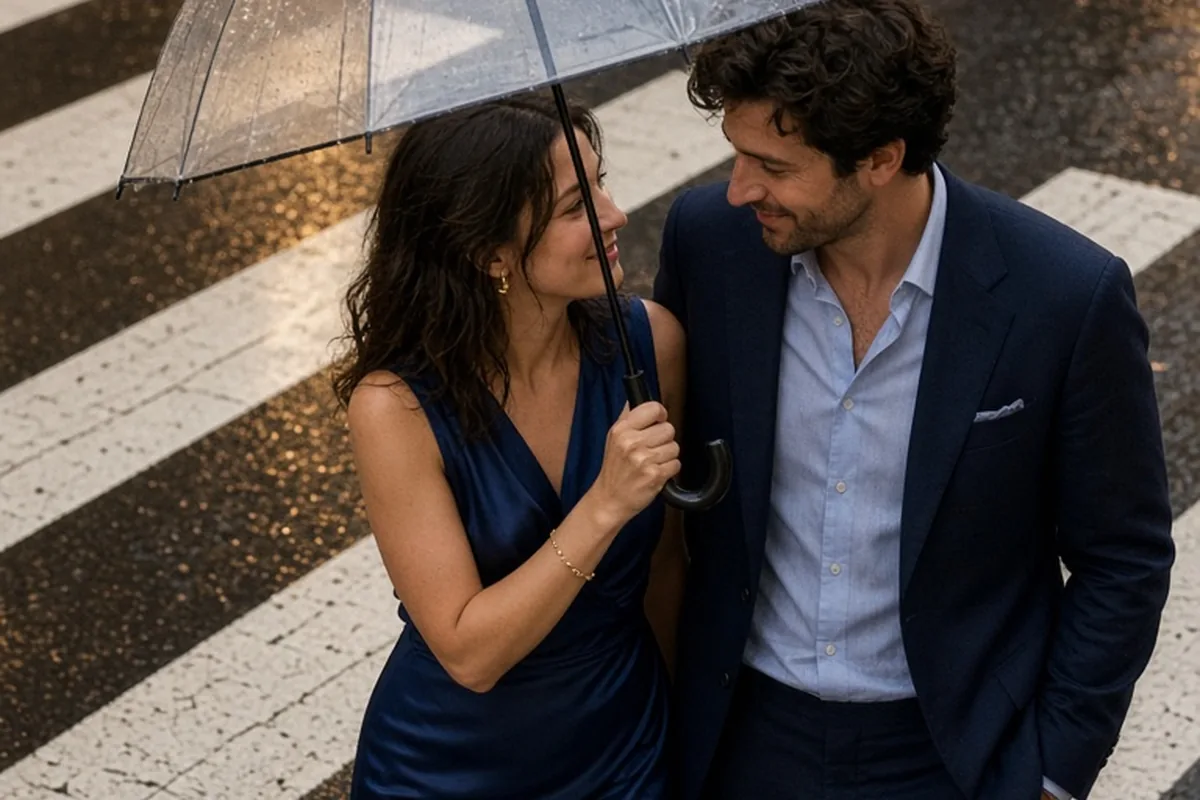
For a 50-guest wedding with a cocktail dress code, choose refined, celebratory attire that strikes a balance between formal sophistication and personal ease. Women typically wear midi-length dresses, elevated knee-length cocktail dresses, dressy jumpsuits, or tailored separates in quality fabrics like satin or crepe. Men generally wear a tailored dark or mid-tone suit with a collared dress shirt, leather dress shoes, and an optional tie. In an intimate setting, attention to fit, fabric quality, and venue setting matters more than extravagant embellishments.
Receiving an invitation to a 50-guest wedding means you are part of a curated, close-knit gathering where every attendee plays a visible role in the atmosphere of the day. When the invitation specifies cocktail attire, understanding how to interpret that dress code within a smaller setting ensures you look polished, photograph beautifully, and feel completely comfortable alongside the couple and their closest friends and family.
How an Intimate 50-Person Guest List Changes the Cocktail Attire Dynamic
In large weddings with several hundred guests, an outfit that leans slightly too formal or slightly too relaxed can easily blend into the crowd. At a 50-person wedding, however, the visual landscape is much tighter. You will interact directly with almost everyone in attendance, appear in candid photos from multiple angles, and share close quarters during both the ceremony and reception. This heightened visibility makes thoughtful styling choices far more impactful.
Small weddings often take place in specialized or boutique spaces such as historic brownstones, private estate gardens, upscale restaurant dining rooms, or contemporary art galleries. These environments naturally encourage a refined, curated feel. Cocktail attire in this context is less about making a loud fashion statement and more about displaying respect for the hosts through intentional tailoring, cohesive color harmony, and well-maintained garments that fit the specific ambiance of the venue.
Women's Cocktail Styling: Hemlines, Silhouettes, and Fabric Choices
The cornerstone of traditional cocktail attire for women is the midi-length dress, though elevated knee-length cuts and structured dressy jumpsuits are equally appropriate. Hemlines that sit between just below the knee and mid-calf offer a flattering, timeless silhouette that feels dressier than standard daytime wear without crossing into floor-length black-tie territory. If you prefer a shorter length, look for designs with higher necklines, long sleeves, or structured tailoring to preserve the formal balance.
Fabric selection defines how elevated your outfit looks in an intimate room. Rich textures like silk charmeuse, matte crepe, structured jacquard, velvet for cooler months, and refined chiffon convey luxury without excess volume. Avoid casual cotton jersey, denim, day-sundress linen blends, or overly sheer clubwear fabrics. Tailored separates, such as a silk blouse paired with a high-waisted pleated midi skirt or a sleek, wide-leg trouser suit in a jewel tone, also provide sophisticated alternatives to traditional dresses.
When evaluating necklines and details, aim for balanced sophistication. Asymmetrical one-shoulder cuts, tasteful boatnecks, halter styles, and soft cowl necks fit the cocktail aesthetic seamlessly. Subtle embellishments like delicate lace overlays, understated pleating, or a self-tie belt can elevate a solid-color garment without distracting from the couple during close-up group portraits.
Men's Cocktail Attire: Suit Colors, Shirts, Neckwear, and Footwear
For men attending a 50-guest cocktail wedding, a well-tailored suit is the standard expectation. Charcoal grey, deep navy, and rich midnight blue remain the most versatile choices for evening or indoor events, while medium grey, slate blue, forest green, or tailored taupe work exceptionally well for daytime or outdoor celebrations. While black-tie requires a tuxedo, standard cocktail attire relies on a classic two-piece suit crafted from high-grade wool, wool-silk blends, or structured cotton-linen blends for warm climates.
The dress shirt should be crisp, clean, and expertly fitted. A classic white or pale light blue dress shirt with a spread or semi-spread collar establishes a clean foundation. When it comes to neckwear, traditional cocktail attire leans toward wearing a silk or woven necktie or bow tie in a complementary color or subtle pattern. In some modern, warm-weather, or semi-outdoor micro-weddings, hosts may welcome a suit worn with an open collar; however, bringing a tie or wearing one to start the event is always the safer, more respectful baseline.
Footwear should complete the tailored aesthetic. Opt for polished leather dress shoes such as classic Oxfords, sleek Derbies, monk straps, or tailored leather loafers. Ensure your socks match your trousers or provide a subtle, tasteful complement. Leather should be clean, scuff-free, and matched to your belt and watch strap to create an intentional, cohesive presentation.
Evaluating the Venue and Season for a Small Wedding
Because smaller weddings frequently utilize non-traditional venues, the setting should heavily inform your practical styling choices. A 50-person gathering hosted at a Michelin-starred restaurant buyout calls for sharp, sleek tailoring, refined textures, and polished indoor footwear. Conversely, an intimate ceremony hosted on an oceanfront cliffside or private winery lawn introduces practical considerations like grass, gravel paths, and shifting outdoor temperatures.
Footwear stability is essential for outdoor or historic properties. Women should consider block heels, wedges, or dressy pointed-toe flats if navigating flagstone courtyards, soft turf, or narrow staircases. Men should ensure leather soles have adequate grip if walking on polished marble or outdoor decking. Always check the weather forecast 48 hours prior to plan for coordinated outerwear, such as a tailored wool overcoat, a structured trench, or a refined wrap that complements your outfit rather than covers it up carelessly.
Navigating Colors, Prints, and Accessories in a Tight-Knit Setting
Color etiquette remains straightforward even in modern micro-weddings. Avoid white, ivory, cream, champagne, or pale shades that could photograph as white under direct light or flash photography. It is also wise to steer clear of extremely bright neon tones that draw immediate attention in wide-angle group shots. Instead, embrace rich jewel tones like emerald, sapphire, plum, and ruby, or refined neutrals such as navy, slate, espresso, and blush.
Prints are entirely welcome at cocktail weddings as long as they feel refined. Subtle florals, geometric micro-patterns, and abstract water-color motifs on structured fabrics work wonderfully. Pair printed garments with muted, solid-toned accessories to keep the overall look cohesive. In a 50-guest setting, large, high-contrast novelty prints can feel visually overwhelming in group photos, so prioritizing scale and subtlety is recommended.
Accessories should enhance your outfit without producing physical discomfort or visual clutter. For women, an elegant clutch, mini structured crossbody bag, and delicate fine jewelry or one intentional statement earring complete the ensemble. For men, a white linen or subtle silk pocket square folded neatly into the suit pocket adds a classic finishing touch without appearing theatrical.
Common Cocktail Attire Pitfalls to Avoid When Every Guest Is in the Spotlight
The most frequent misstep with cocktail attire is confusing it with business casual or daytime professional wear. Wearing a corporate-style blazer with khakis, a basic cotton office shift dress, or polo shirts diminishes the celebratory atmosphere of a wedding. Cocktail attire requires elevated fabrics, evening-ready silhouettes, and an intentional festive finish that clearly separates it from workday apparel.
The opposite mistake is swinging too far toward formal white-tie or black-tie extremes. Wearing a floor-sweeping ballgown with heavy beading or a full black-tie tuxedo when cocktail attire is specified can make the hosts and other guests feel uncomfortable, particularly in a small gathering where your outfit stands out immediately. If you are ever uncertain whether an item is too formal or too relaxed, choosing a refined midi dress or a clean navy suit with a classic tie hits the dependable midpoint.
Frequently asked questions
Can I wear a black dress to a 50-guest cocktail wedding?
Yes, a chic black dress is fully acceptable for evening cocktail attire. To ensure it feels celebratory rather than somber, select an elevated fabric like silk, crepe, or lace, and pair it with warm metallic jewelry, polished footwear, and a sophisticated clutch.
Is a tie mandatory for men at an intimate cocktail attire wedding?
While some warm-weather or daytime micro-weddings allow an open-collar suit, wearing a tie is the standard guideline for cocktail dress codes. Wearing a necktie or bow tie ensures you meet the baseline formality, and you can always remove it later during the reception if the overall tone relaxes.
Are dressy jumpsuits appropriate for cocktail attire?
Yes, a tailored jumpsuit in a formal fabric like crepe, satin, or velvet is an excellent cocktail attire option. Look for structured cuts, elevated necklines, and wide-leg or straight-leg silhouettes paired with heels or dressy flats.
How do I find out more details if the venue is non-traditional?
Check the couple's wedding website or the location details listed on the invitation card. If you are unsure about walking surfaces or indoor versus outdoor arrangements, consult the venue's public website or reach out politely to the wedding coordinator or a member of the wedding party.
Your next step
Review your planned outfit against the venue flooring and expected temperature, then schedule any necessary garment steaming or tailoring at least one week before the wedding day.