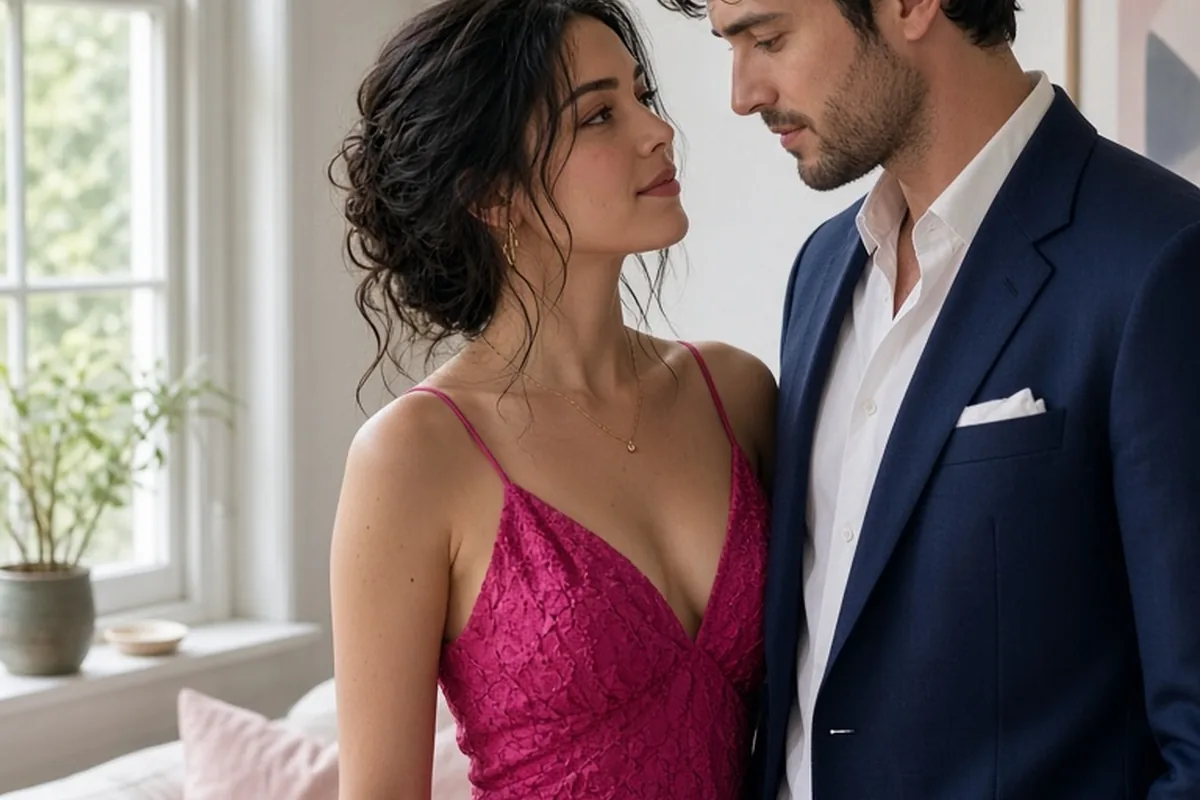
Setting a cocktail attire wedding guest dress code balances celebration with approachability. The main pros are guest convenience, broad wardrobe accessibility, lower attendee costs, and effortless mobility on the dance floor. The primary cons are style ambiguity, the potential for guests to underdress into business casual or overdress into evening wear, and less visual uniformity in formal wedding photography. Couples solve this by providing concise website guidance.
Establishing the dress code is one of the earliest aesthetic decisions couples make during wedding planning, directly shaping guest comfort and the overall atmosphere of the reception. A cocktail dress code remains one of the most frequently selected options because it strikes an intentional midpoint between rigid formality and casual gatherings, yet it frequently produces questions for both hosts and attendees.
Defining the Baseline: What Cocktail Attire Demands from Wedding Guests
Cocktail attire originated as an early evening wardrobe category designed for social gatherings occurring between late afternoon and formal dinner hours. In modern wedding etiquette, it represents an elevated, polished standard that is distinctly more celebratory than standard business wear without requiring the floor-length skirts or tailored dinner jackets of black-tie events. For guests wearing dresses or jumpsuits, cocktail attire typically points toward knee-length, midi, or tea-length hemlines crafted from structured or elevated fabrics like crepe, silk, satin, lace, or high-grade jacquard. Floor-length gowns are usually reserved for black-tie, while lightweight jersey sun-dresses belong to casual celebrations.
For guests wearing suits, cocktail attire requires a tailored two-piece suit paired with a crisp dress shirt, dress shoes, and almost always a necktie or bow tie, though an impeccably tailored suit worn with an open collar and pocket square can work in warm-weather settings. Sport coats paired with contrasting trousers can occasionally bridge the gap if styled formally, but casual chinos, polo shirts, denim, and sneakers fall well outside accepted cocktail conventions. Establishing this baseline clearly in your mind helps you evaluate whether your venue, schedule, and personal taste align with what guests will actually wear.
The Real Benefits of Selecting a Cocktail Dress Code
The most substantial benefit of choosing cocktail attire is high guest compliance driven by existing wardrobe ownership. Unlike black-tie or white-tie celebrations, which require guests to rent tuxedos, purchase evening gowns, or pay for specialized alterations, the vast majority of adult guests already own at least one ensemble that qualifies as cocktail-appropriate. Removing the financial and logistical hurdle of bespoke garment shopping fosters goodwill among your guests, reducing RSVP hesitation and sparing your friends and family from substantial out-of-pocket wardrobe expenses.
Cocktail attire also improves physical comfort and mobility throughout the event. Stiff cummerbunds, heavily boned corsets, and floor-sweeping trains can restrict movement during cocktail hour mingling and limit enthusiasm on the dance floor. By contrast, midi dresses, tailored trousers, and soft-shoulder suits permit fluid motion, allowing attendees to sit, dine, and dance for five or six consecutive hours without feeling physically constricted by their garments.
Another distinct advantage is stylistic versatility across changing light and temperature. Cocktail attire adapts smoothly from a sunlit 4:00 PM outdoor ceremony into an indoor, candlelit seated dinner and reception. This flexibility is particularly useful for weddings hosted in boutique hotels, urban lofts, restored warehouses, and private estates where the party moves through multiple indoor and outdoor spaces over the course of the day.
The Drawbacks and Style Ambiguities Couples Encounter
The primary disadvantage of specifying cocktail attire is its inherent interpretive elasticity. Because the term lacks the strict, codified boundaries of traditional black-tie, different generations, geographic regions, and social circles interpret it through widely disparate lenses. One guest may view cocktail attire as permission to wear a dark business suit they wear to corporate meetings, another might arrive in a short party dress better suited for a nightclub, while a third may wear an elaborate, floor-sweeping gown out of caution.
This stylistic variance can produce a fragmented aesthetic in formal group portraits. If visual consistency and architectural drama are top priorities for your wedding gallery, a cocktail crowd will present a patchwork of hemline lengths, suit patterns, jacket textures, and color saturation levels. Couples who envision a uniform, black-and-white gala aesthetic often find cocktail attire results in photos that feel lively and relaxed but visibly less cohesive than an event framed by uniform tuxedos and dark evening wear.
Furthermore, some guests feel an undercurrent of anxiety when trying to gauge how dressed up they ought to be. When a code is open to interpretation, attendees frequently text members of the wedding party or the couple themselves to ask whether specific items, such as knee-length floral prints or patterned blazers, meet the standard. If you prefer a dress code that requires zero clarifying communication, cocktail attire may invite more questions than either end of the formality spectrum.
Weighing Cocktail Attire Against Semi-Formal and Black-Tie Optional
To make a confident choice, compare cocktail attire against the two dress codes that sit immediately adjacent to it: semi-formal attire and black-tie optional. Semi-formal attire, sometimes termed dressy casual, leans slightly more daytime-oriented and relaxed. Under semi-formal expectations, ties become discretionary, fabrics like linen and cotton blends are welcome, and lighter tones are common. If your reception features a buffet, family-style lawn dinner, or an early afternoon end time, semi-formal is often a safer match than cocktail, which assumes an evening mood.
On the other end of the spectrum, black-tie optional signals that the couple prefers full formalwear while remaining sensitive to those who cannot obtain a tuxedo or formal gown. If your reception takes place in a historic ballroom, a grand museum, or a cathedral with a multi-course plated dinner, black-tie optional sets a stately tone without making formal rentals mandatory. Choosing cocktail attire instead of black-tie optional deliberately signals to your guests that the party prioritizes social ease, dance-friendly energy, and personal expression over stately grandeur.
Aligning Guest Dress Codes with Venue Architecture and Season
A dress code should never exist in isolation from your physical venue and the climate of your wedding date. Cocktail attire works seamlessly in settings that possess inherent charm or modern sophistication without overwhelming historical opulence. Art galleries, winery terraces, upscale restaurants, botanical garden pavilions, and contemporary industrial spaces are ideal environments for cocktail attire. In these venues, knee-length silk dresses and dark tailored suits complement the surroundings without looking underdressed or overly stiff.
Conversely, matching a cocktail code to a soaring, gold-leaf ballroom or a white-marble civic hall can sometimes leave guests feeling disconnected from the architecture. Seasonal shifts also warrant consideration when planning. A summer cocktail wedding in Georgia requires breathable fabrics, lighter suit weights, and airy footwear, whereas an autumn or winter cocktail wedding in New York encourages heavier wools, velvet accents, long sleeves, and rich jewel tones. Specifying seasonal context on your details card helps your attendees select garments that keep them comfortable in the actual room climate.
Invitation and Website Phrasing That Prevents Guest Confusion
The simplest way to eliminate the ambiguities inherent in cocktail attire is through thoughtful wording on your formal invitation suite and wedding website. On the printed reception card or the bottom corner of your invitation, state the code concisely using traditional etiquette terms: Cocktail Attire. Avoid inventing non-standard hybrid phrases like Garden Cocktail Chic or Elevated Festive Cocktail on the paper stationery, as idiosyncratic labels tend to generate confusion rather than artistic clarity.
Use your wedding website details page to provide the gentle guidance guests actually appreciate. A helpful website section might read: We ask our guests to join us in cocktail attire. For gentlemen, this means a tailored suit and tie or jacket and dress trousers. For ladies, we recommend midi-length dresses, elevated cocktail dresses, or chic dressy jumpsuits. If your ceremony takes place on grass, cobblestones, or gravel, explicitly mention that block heels or wedges are recommended over stilettos to spare your guests discomfort.
Fabric, Footwear, and Color Guidelines for Clear Guest Direction
When guests evaluate their closets for a cocktail wedding, material construction and footwear are the primary elements that separate an outfit from daytime streetwear or strictly corporate clothing. Encouraging high-character textiles such as silk, chiffon, structured crepe, wool-blend suitings, and refined jacquards ensures that even shorter hemlines carry an unmistakably celebratory feel. Discourage everyday casual textures such as jersey knit, raw linen, heavy denim, or activewear blends, which flatten the festive energy of evening receptions.
Footwear completes the distinction. For those wearing suits, classic Oxford shoes, monk straps, or polished loafers made of leather or suede anchor the tailoring properly. For dress and jumpsuit wearers, refined sandals, pointed-toe pumps, sleek slingbacks, or elegant dress flats provide the necessary polish. Clearly articulating these material expectations within your website FAQ clarifies boundaries for guests who are unfamiliar with formal dressing traditions.
Frequently asked questions
Can a guest wear a floor-length dress to a cocktail attire wedding?
Yes, a guest may wear a maxi or floor-length dress, provided the silhouette, fabric, and print feel light and festive rather than stiff and ornate. Simple slip dresses, chiffon prints, or tailored jersey columns in floor lengths fit comfortably into cocktail settings without looking like black-tie ballgowns.
Is a tie strictly mandatory for men under a cocktail dress code?
Traditionally, a necktie or bow tie is expected with a tailored suit for evening cocktail weddings. However, for daytime, outdoor, or warm-weather celebrations, a well-tailored dark suit paired with a crisp dress shirt, polished shoes, and a structured pocket square is widely accepted.
How does cocktail attire differ from semi-formal wedding attire?
Cocktail attire requires a sharper, more evening-focused aesthetic, typically demanding dark suits, neckwear, and polished party dresses in refined fabrics. Semi-formal attire is more relaxed, permitting lighter suit colors, sport coats without ties, and dressy sundresses or separates.
Can women wear dressy jumpsuits or pantsuits for cocktail attire?
Tailored pantsuits and dressy jumpsuits made from structured fabrics like crepe, satin, or silk are fully appropriate for cocktail weddings. Pairing them with statement jewelry, elegant heels, and an evening clutch matches the polish of any traditional cocktail dress.
Your next step
Review your venue photos and ceremony start time today, then write a two-sentence dress code note on your wedding website defining suits and midi-length dresses so your guests know exactly what to pack.