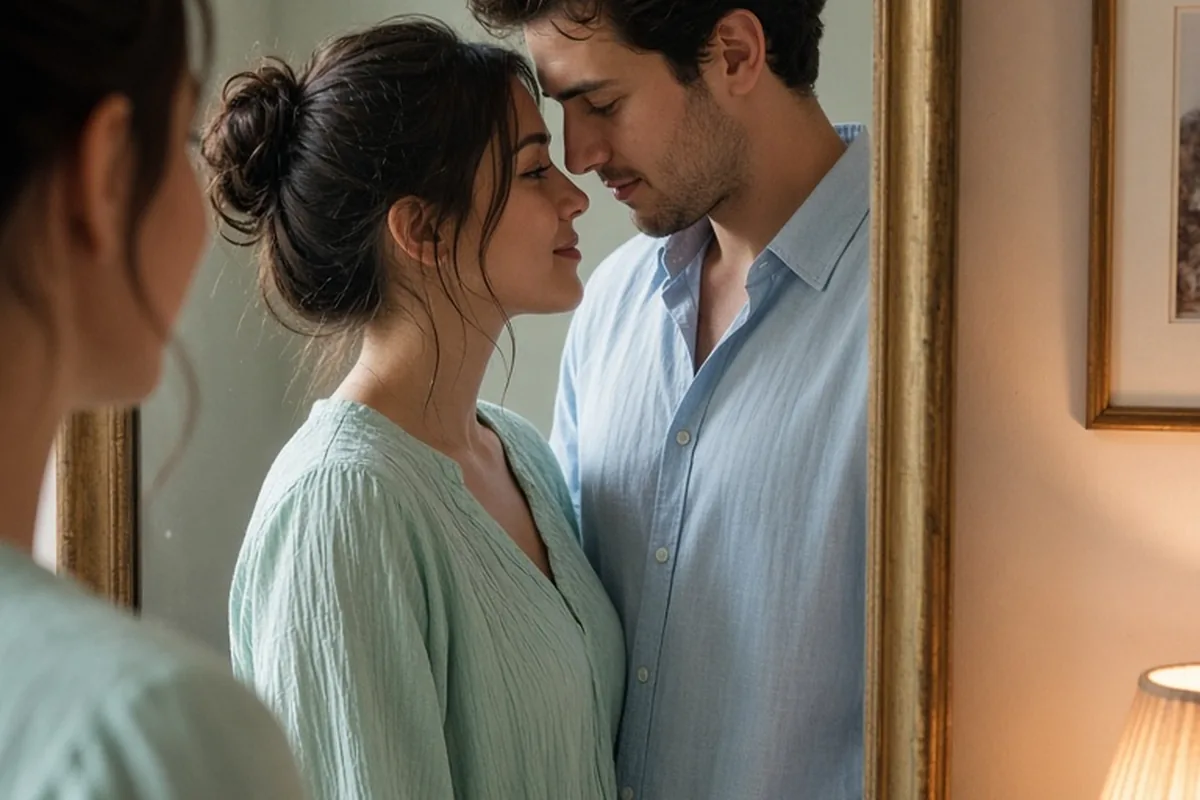
Courthouse wedding alternatives offer the low stress, affordability, and legal simplicity of a civil ceremony without the rigid setting of a government building. Popular options include public park or botanical garden ceremonies with small permits, private dining room celebrations at favorite restaurants, cozy backyard gatherings, boutique micro-venue rentals, and scenic outdoor elopements. Couples can hire an independent officiant or have a close friend ordained, giving them complete freedom over vows, guest counts, and celebration style.
While a civil ceremony at city hall is efficient and budget-friendly, many couples want a wedding experience that feels distinctly personal, visually memorable, and unhurried. Stepping away from the municipal clerk's office allows you to design a ceremony focused entirely on what matters to you, whether that means standing under a canopy of coastal pines or sharing an intimate multi-course dinner with immediate family.
Scenic Outdoor and Public Park Ceremonies
Public parks, botanical conservatories, regional nature reserves, and municipal rose gardens provide some of the most accessible and visually stunning settings for an intimate ceremony. These spaces offer architectural greenery, natural landscapes, and open skies at a fraction of the cost associated with commercial wedding venues. Because nature provides the primary backdrop, you eliminate the need for elaborate decorative arches, draping, or extensive floral installations, allowing you to focus your resources on photography and celebration dining.
To host a ceremony in a public outdoor space, you typically need to coordinate a special use permit or park pavilion reservation through the local municipal parks department. These permits generally govern group size, ceremony duration, setup permissions, and commercial photography rights. Many public gardens allow small groups of ten to thirty people on a walk-in or minimal-fee permit basis, provided there are no heavy structures or amplified sound systems involved.
When planning an outdoor park ceremony, always account for environmental variables and public presence. Parks remain shared community spaces, meaning casual passersby and changing light conditions will be part of the day. Selecting early morning or late afternoon time slots provides softer natural lighting for your photographer while avoiding midday park congestion. It is equally important to establish a clear rain backup plan, such as a nearby covered gazebo, a glasshouse rental, or moving directly to your reception dinner venue.
Private Dining Rooms and Restaurant Buyouts
For couples who prioritize exceptional food, hospitality, and effortless logistics, hosting both the ceremony and celebration in a private dining room is an ideal courthouse alternative. Neighborhood bistros, historic taverns, modern wine bars, and upscale restaurants frequently offer private or semi-private event rooms designed for gatherings of twelve to forty guests. This approach merges your vows and your celebration meal into one unified, comfortable experience.
The primary financial benefit of a restaurant wedding is the food and beverage minimum model. Rather than paying thousands of dollars for an empty hall rental alongside separate fees for tables, linens, flatware, and outside caterers, restaurants apply your event spending directly toward high-quality food, wine, and dedicated service. The on-site culinary team manages preparation, presentation, and cleanup, removing significant operational stress from your wedding day.
Logistically, restaurant ceremonies require thoughtful coordination with the general manager or private events coordinator. Many couples hold a brief, standing or seated vow exchange in the private room just prior to the first course, followed immediately by a celebratory champagne toast and dinner service. When evaluating restaurant spaces, ask about ambient sound isolation from the main dining room, dedicated background music controls, and any timeline restrictions between lunch and dinner seatings.
Intimate Backyard and Private Residence Gatherings
Hosting your vows at your own home, a parent's property, or a rented private estate creates a deeply personal and relaxed atmosphere that a municipal office cannot replicate. A residential setting provides unmatched emotional resonance and total schedule autonomy. You are free to determine your own timeline without watching the clock for the next couple in the courthouse waiting room, creating space for spontaneous conversations, unhurried toasts, and meaningful connection.
While a residential ceremony feels informal, proper infrastructure management is essential for a smooth event. Guest counts beyond fifteen to twenty people place unique demands on residential properties. You will need to evaluate street parking capacity, restroom access, electrical breaker loads for supplemental lighting or acoustic musicians, and clear pathways across lawns or garden beds. If you are considering a rented vacation property, you must confirm that the owner's contract explicitly allows small events and commercial photography.
Hospitality for a home ceremony can take many creative forms depending on your style and budget. Some couples arrange drop-off catering from a beloved local restaurant, others hire a private chef to prepare an intimate seated meal in the home kitchen, and some book a boutique food truck or mobile espresso bar to park in the driveway. Preparing an indoor living area as an immediate weather contingency guarantees that unexpected rain will not disrupt the flow of your day.
Courthouse Wedding Alternatives in Cultural and Historic Micro-Venues
Independent art galleries, historic libraries, boutique bed-and-breakfasts, historic societies, and architectural lofts offer an inspiring alternative to conventional civil ceremonies. These properties carry built-in character, distinctive textures, and curated aesthetics that require little to no additional styling. An exchange of vows surrounded by floor-to-ceiling bookshelves, contemporary sculpture, or mid-century brickwork creates memorable photography and an unforgettable atmosphere for your guests.
Many cultural and boutique venues offer flexible, partial-day micro-wedding rental packages. Unlike traditional wedding banquet halls that mandate full-day bookings and high guest minimums, smaller cultural spaces frequently rent their rooms by the hour on weekday mornings, Sunday afternoons, or off-peak evenings. This structure provides a refined, private architectural setting at a manageable investment level.
When booking a historic or artistic venue, review property preservation policies carefully during your initial walkthrough. Historic properties often have reasonable preservation guidelines, such as restrictions on open flame candles, prohibitions on red wine near artwork or antique flooring, and specific footwear or equipment load-in requirements. Requesting a clear list of allowable decor and confirming whether the space requires short-term event liability insurance will ensure a smooth partnership.
Destination Elopements and Scenic Adventure Vows
For couples who want their wedding to feel like a shared adventure rather than an appointment, a destination elopement offers complete freedom. Whether you choose a dramatic coastal headland, a quiet mountain overlook, a desert canyon, or a secluded forest clearing, exchanging vows in a breathtaking landscape creates an intensely personal and focused milestone. This option can be shared privately between the two of you or alongside a small inner circle of close friends and family.
Executing an outdoor adventure ceremony responsibly requires adherence to Leave No Trace principles and local land management regulations. National parks, national forests, and state recreation areas typically require a Special Use Permit for wedding ceremonies and commercial photography sessions. These permits establish designated ceremony locations, group size limits, and guidelines designed to protect fragile trail ecosystems, native flora, and wildlife habitats.
Practical considerations are paramount when planning outdoor destination vows. Choose attire that accommodates movement across natural terrain, and bring along practical footwear for hiking between photo locations. Plan your ceremony timeline around optimal lighting conditions and local weather patterns, ensuring you have necessary layers, hydration, and safe transportation arrangements for yourself and any attending guests.
Managing Legalities, Officiants, and Self-Solemnization
Leaving the courthouse means you must arrange the legal execution of your marriage license independently. The simplest method is hiring a professional independent officiant or celebrant who can conduct a custom ceremony tailored to your values, whether secular, spiritual, or traditional. Alternatively, many couples ask a trusted friend or family member to become ordained through a recognized non-denominational organization to preside over their vows.
In certain jurisdictions within the United States, couples can legally marry without an officiant or third-party witnesses through a process known as self-solemnization or self-uniting marriage. Locations such as Colorado, Washington D.C., and parts of Pennsylvania allow couples to sign their own marriage license as their own officiants. This legal framework offers complete privacy, making it particularly appealing for backcountry elopements or two-person celebrations.
Regardless of who conducts the ceremony, understanding your local county clerk's procedural requirements is essential. You must apply for your marriage license within the correct time window, as some states enforce mandatory statutory waiting periods between application and ceremony, while others have strict expiration windows. Verify the required number of witness signatures in your jurisdiction, and ensure the executed license is returned to the recorder's office within the state-mandated deadline.
Budget Structures and Vendor Priorities for Non-Courthouse Ceremonies
Transitioning from a courthouse ceremony to an alternative intimate wedding requires deliberate budget allocation. When you step outside a municipal office, your primary expenses shift from a flat government administrative fee to a custom mix of venue permits, officiant services, professional photography, intentional attire, and hospitality. Deciding early where to focus your resources ensures you achieve the exact atmosphere you want without unnecessary expenses.
Many couples find that professional photography and exceptional dining represent the two most rewarding areas of investment for an intimate wedding. Because your guest count remains small, your overall food and beverage outlay stays manageable even when selecting a high-end tasting menu or reserve wine pairings. Similarly, investing in an experienced photographer guarantees that your unique ceremony location and personal vows are captured with artistry.
You can choose between coordinating individual vendors yourself or booking a curated, all-inclusive micro-wedding package. Many modern elopement planners and boutique venues offer bundled packages that integrate the ceremony space, licensed officiant, floral bouquet, and photographer into a single flat rate. Request itemized contracts, review cancellation and rescheduling policies, and confirm all permit obligations before committing your budget.
Frequently asked questions
How much does a courthouse wedding alternative typically cost compared to city hall?
A municipal courthouse ceremony generally carries a modest administrative fee for the license and civil officiant. Alternative intimate ceremonies vary widely based on your chosen elements, ranging from minimal permit fees for a public park ceremony to the cost of a private dining room food and beverage minimum or an all-inclusive micro-venue package.
Can a friend or family member legally marry us outside of a courthouse?
Yes, in most states a friend or family member can become legally ordained through recognized online organizations to officiate your ceremony. However, officiant registration rules vary by state and county, so always verify your local county clerk's requirements before the ceremony date.
Do we need a permit to get married in a public park or beach?
Most public parks, state beaches, and botanical gardens require a special use permit for organized gatherings, formal ceremonies, or commercial photography. Permit costs and group size limits vary by municipality, so contact the governing parks agency several weeks in advance.
What is the legal difference between an elopement and a civil marriage?
Legally, there is no difference once a valid marriage license is properly executed by an authorized officiant (or the couple in self-solemnizing jurisdictions) and filed with the county. The difference lies entirely in the ceremony style, setting, and guest experience.
Your next step
Contact your local county clerk's office to confirm marriage license application timelines, witness requirements, and return deadlines for your chosen ceremony location.