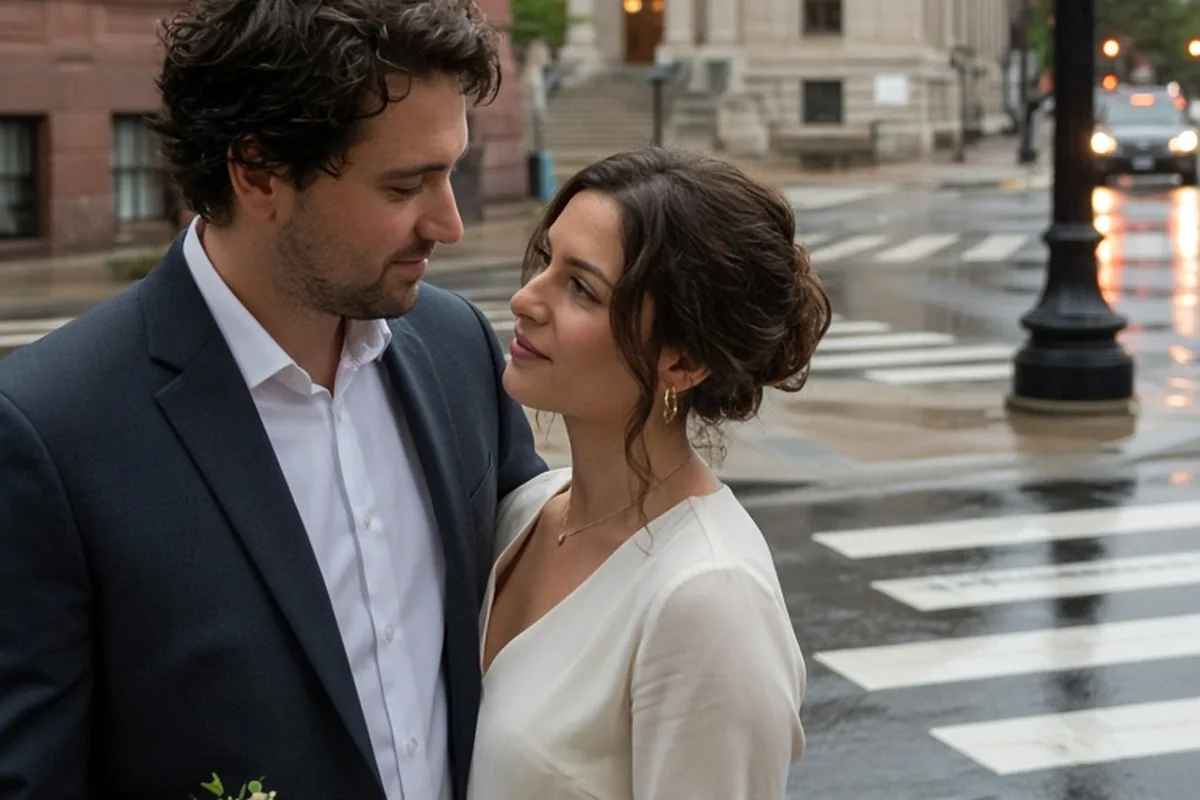
A courthouse wedding cost breakdown consists of mandatory administrative fees and optional celebration expenses. The base municipal cost includes the marriage license application, the civil ceremony or officiant fee, and certified copies of the marriage certificate. Optional spending categories include simple wedding attire, personal flowers, a professional photographer for portraits, and a celebratory post-ceremony meal with close guests. Because administrative rates vary by county and state, your baseline fee depends entirely on local jurisdiction rules.
Choosing a civil ceremony at city hall or a county clerk office is one of the most practical ways to legalize a marriage. While many couples choose this route to simplify their wedding experience, understanding the distinction between mandatory administrative costs and elective celebratory upgrades helps you build a realistic, stress-free financial plan.
Mandatory Municipal Fees: Marriage Licenses, Ceremony Costs, and Certified Copies
The only strictly non-negotiable expenses for a courthouse wedding are the legal and administrative fees established by your local municipal or county government. The foundational expense is the marriage license application fee, which grants legal permission to marry within that state or county. In addition to the license application, many municipal courts charge a separate civil ceremony or judicial administration fee if you choose to have a judge, magistrate, clerk, or designated civil commissioner perform your vows on site.
Beyond the initial ceremony, couples must also budget for official documentation following the nuptials. While your signed license is filed with the vital statistics bureau or county records office for free, physical certified copies of your marriage certificate almost always incur a per-copy fee. Certified copies are essential legal records required for updating identification, changing names with the Social Security Administration, modifying health insurance policies, and adjusting banking or property titles. Requesting two or three official copies during your initial filing helps prevent future application delays and processing charges.
Municipalities may also apply administrative convenience fees depending on how and where you complete your paperwork. For example, some county clerks charge small administrative surcharges for online appointment scheduling, credit card transaction processing, or expedited certificate turnaround times. If either partner is unable to appear in person and jurisdiction rules allow for notarized affidavit filings or remote witness processing, notary and legal filing expenses will add to your baseline administrative total.
City Hall Wardrobe and Styling Expenses for Any Budget
Courthouse wedding attire offers immense flexibility, allowing couples to spend as much or as little as their personal priorities dictate. Many couples choose ready-to-wear dresses, tailored blazers, matching two-piece suits, or vintage ensembles purchased from retail boutiques. Unlike traditional bridal boutique gowns that often carry long delivery lead times and significant alteration expenses, off-the-rack civil wedding garments can be worn with minimal tailoring adjustments.
Professional alterations represent a variable clothing expense that couples frequently overlook when purchasing off-the-rack garments. Even a simple hem adjustment, waist tapering, or sleeve shortening on a suit jacket or midi dress requires dedicated time from a local tailor. Factoring alteration estimates into your overall wardrobe allocation ensures you achieve a polished look without encountering surprise clothing bills right before the ceremony date.
Beauty, grooming, and accessory costs can be scaled based on your comfort level and daily routine. Some couples opt for professional hair and makeup appointments on the morning of the ceremony, while others handle their own grooming at home. Additional personal touches, such as seasonal coats for outdoor courthouse steps, specialty footwear, sentimental jewelry, and rings, can either be drawn from items you already own or purchased specifically to commemorate the occasion.
Capturing the Day: Photographer Rates and Municipal Permit Rules
Professional photography is often the largest elective expense for a civil marriage ceremony. Rather than booking an all-day wedding photography package designed for standard eight-to-ten-hour events, couples planning a courthouse ceremony typically hire a documentary photographer for a shorter, two-to-four-hour elopement block. This concentrated window covers the ceremony itself, candid interactions with witnesses, and a dedicated portrait session around the historic courthouse grounds or neighborhood streets.
When hiring a visual artist, you should carefully review the specific photography policies of your chosen government building. Some landmark city halls and historic municipal courthouses classify professional wedding photography as commercial activity and require couples or vendors to obtain a photography permit beforehand. Permitting rules may dictate whether external lighting, large flash units, or tripods are allowed inside clerk chambers, hallways, or judicial rotundas.
To optimize your photography expenditure, coordinate your schedule around the specific flow of the courthouse docket. Because civil ceremony appointments can experience minor delays if court schedules run behind, structuring your portrait session immediately before the scheduled check-in time or directly following the ceremony ensures your photographer captures all essential portrait groupings without billing for idle waiting time.
Florals, Decor, and Navigating Security Guidelines in Government Buildings
Floral arrangements bring a classic, celebratory feel to a civil wedding without requiring the extensive venue installations common at traditional wedding receptions. Most courthouse couples choose personal floral items, such as a compact bridal bouquet, a lapel boutonniere, or delicate hair florals. Sourcing these items through a local independent florist, a neighborhood farmers market, or specialized floral delivery allows for vibrant seasonal blooms at a manageable price point.
When planning decorative elements, it is essential to remember that government buildings operate under strict facility and security guidelines. Items commonly associated with wedding exits, such as confetti cannons, loose flower petals, sparklers, rice, and open flame candles, are universally prohibited inside and around municipal facilities. Trying to bring restricted items through courthouse security checkpoints can cause significant delays, confiscation of goods, or administrative fines.
If you wish to introduce personal decorative touches without violating building codes, focus on compact, portable keepsakes. Custom ring boxes, handwritten vow booklets, ribbon-tied marriage certificate folios, and embossed vow cards fit easily into a handbag or suit pocket and pass through security screening without issue, adding meaningful aesthetic detail to your official ceremony photos.
Post-Ceremony Receptions: Private Dining, Home Gatherings, and Celebrations
Following the civil ceremony, many couples choose to host a gathering to celebrate their union with family and friends. Because courthouse ceremony rooms generally have strict guest capacity caps, often limiting attendance to between two and fifteen individuals, receptions represent the primary opportunity to include extended loved ones. The style and scale of this gathering will significantly shape your overall post-ceremony financial plan.
A popular option for courthouse celebrations is reserving a private dining room, semi-private alcove, or chef table at a favorite local restaurant. Private dining venues typically structure their pricing around food and beverage minimums rather than separate room rental fees. This approach provides an elevated culinary experience with built-in hospitality staffing, eliminating the logistical coordination and rental expenses of full-scale banquet venues.
Alternatively, couples seeking a more casual atmosphere frequently host an intimate backyard cocktail party, a catered brunch at home, or a reserved gathering at a neighborhood brewery or lounge. When planning an off-site celebration, remember to account for secondary hospitality expenses such as cake delivery, celebratory beverage service, table linens, and transportation between the courthouse and your reception destination.
How to Request Accurate Quotes and Verify Local Courthouse Fees
Because civil wedding policies and fee schedules differ across thousands of municipal and county jurisdictions, direct verification is the only reliable way to establish your exact baseline cost. Begin by visiting the official website of the county clerk, probate court, or marriage bureau in the jurisdiction where you plan to marry. Look specifically for government web pages ending in official domain extensions to avoid third-party marketing services that charge inflated processing rates.
When reviewing the official clerk schedule, verify whether ceremony appointments must be reserved weeks in advance and whether payment must be made via specific methods. Many municipal offices accept debit or credit cards with added convenience fees, but some satellite court locations or historic chambers still operate on a cashier check, money order, or exact cash policy. Clarifying these rules in advance prevents last-minute disruptions on the day you apply for your license.
To finalize your complete budget worksheet, list your confirmed mandatory government fees alongside your desired elective upgrades. By separating legally required administrative costs from wardrobe, photography, floral, and hospitality decisions, you retain complete control over your overall investment while designing a memorable civil wedding day.
Frequently asked questions
Can we bring our own officiant or witnesses to a courthouse wedding?
Most courthouse ceremonies are officiated by a presiding judge, magistrate, or civil clerk provided by the court. Witness requirements depend strictly on your state and county laws; some jurisdictions require one or two adult witnesses to sign the license, while others require none. If your court requires witnesses and you do not bring guests, some offices can provide a staff witness for a nominal administrative fee or courtesy.
How many guests are typically allowed to attend a courthouse civil ceremony?
Guest capacity varies significantly based on the size of the court chambers and local courthouse security rules. Many municipal clerk offices limit guest counts to between two and ten people, while larger city hall rotundas can occasionally accommodate larger groups. Always check your specific municipal appointment guidelines before inviting family and friends to attend the legal ceremony.
Do we receive our official marriage certificate immediately after the courthouse ceremony?
In most jurisdictions, the officiant or clerk signs the marriage license immediately following the ceremony, but the document must then be recorded in the official county registry. While some offices can issue certified copies on the spot, many clerk offices require a processing window of several days to two weeks before official certified copies can be printed, picked up, or mailed to your home address.
Are weekend courthouse ceremonies available, and do they cost more?
Most municipal courthouses operate exclusively during standard government business hours from Monday through Friday. Some larger metropolitan city halls or specialized civil chapels offer weekend appointment slots, but these non-standard hours often carry an additional after-hours administrative fee. Contact your local clerk office to check availability if you require a weekend civil ceremony.
Your next step
Visit the official website of your local county clerk or city hall today to confirm their current marriage license fee, review acceptable payment methods, and reserve your civil ceremony appointment.