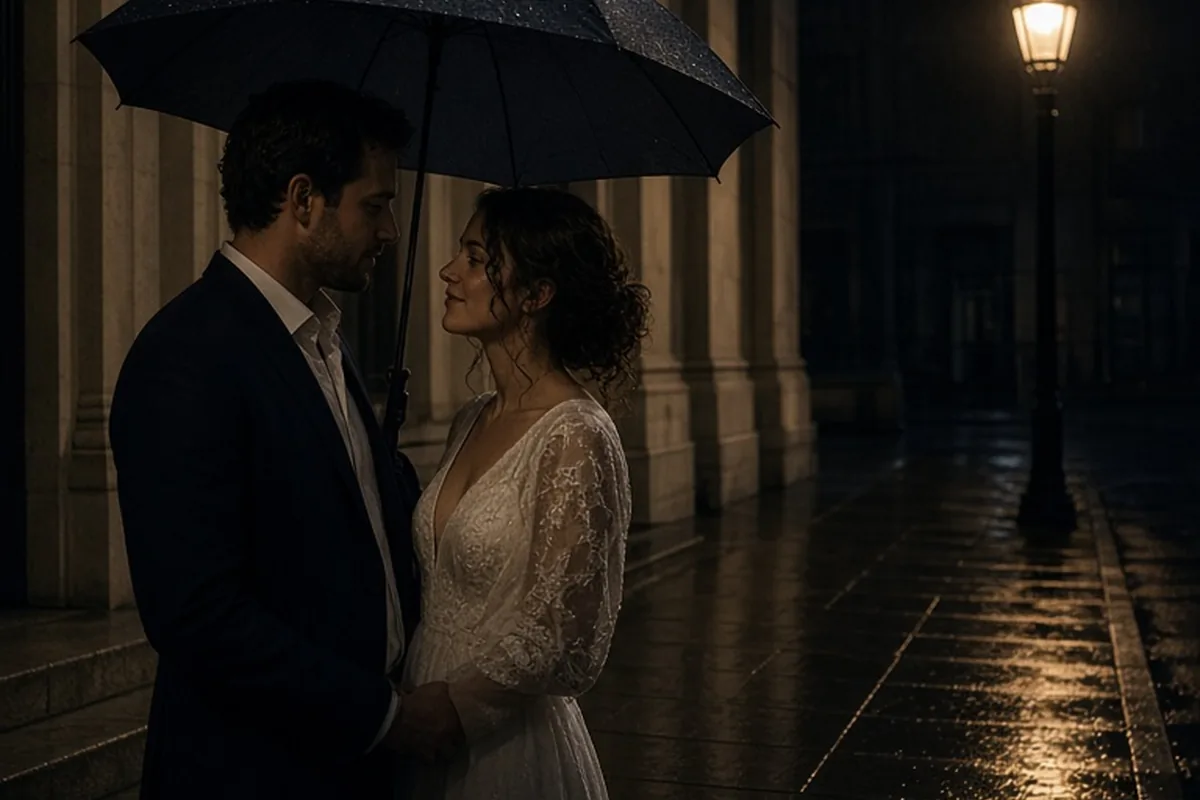
Planning a courthouse wedding for 50 guests requires choosing between two main models: renting a historic city hall or municipal auditorium that permits larger assemblies, or holding an intimate ceremony inside a standard clerk chamber for immediate family followed by a 50-guest reception nearby. Because routine civil ceremony rooms typically cap attendance between 10 and 20 people, you must verify your local municipality's specific room capacities, security checkpoint procedures, and permitted rental blocks before sending invitations.
A civil ceremony offers a meaningful, streamlined alternative to a traditional banquet hall wedding, but scaling a municipal ceremony up to 50 attendees introduces distinct logistical constraints that require careful advance planning.
Assessing Municipal Room Capacities and Historic City Hall Spaces
The primary challenge when organizing a courthouse wedding for 50 guests is the physical and legal occupancy limit of standard municipal chambers. Most operational county courthouses assign routine civil marriage ceremonies to small administrative offices, judicial hearing rooms, or standard clerk chambers designed to hold between 4 and 15 people. Bringing 50 guests into these working judicial rooms is rarely permitted due to fire codes, daily court operations, and building security regulations. If you arrive with 50 guests for a standard walk-in or basic calendar appointment, court security officers will likely turn the majority of your party away at the door.
To host all 50 guests for the actual vows, couples generally seek out landmark civic buildings, historic city halls, or county administration buildings that feature reservable public spaces. Major metropolitan halls and historic county seats frequently offer dedicated rental programs for their grand rotundas, historic ceremonial courtrooms, commissioner chambers, or outdoor civic plazas. These designated event spaces are legally rated for larger crowds and operate under separate event permit guidelines rather than routine walk-in marriage license procedures. Contact the county clerk or municipal facilities office to ask specifically for their ceremonial space rental policies rather than a standard justice of the peace appointment.
Choosing Between a Full-Group Ceremony and a Split Schedule
If your local municipal building cannot accommodate 50 people in a single room, you must choose how to structure your event schedule. The first approach is the unified model, which relies on securing a civic venue that fits all 50 guests throughout the entire ceremony. This allows everyone to witness the legal vows together, hear the pronouncement, and immediately join the celebratory exit on the courthouse steps. While this provides a cohesive experience, it requires securing specific private permits, paying facility rental fees, and coordinating with municipal event managers who handle civic calendar holds.
The second approach is the split schedule model, which divides the day into two distinct phases. Under this format, the couple enters the standard clerk chamber accompanied only by required legal witnesses, immediate family, or a bridal party of 10 to 15 people to complete the formal ceremony. Meanwhile, the remaining guests are invited directly to a nearby reception space, private dining room, or reserved lounge that begins shortly after the scheduled civil appointment. When using a split schedule, clear communication on your invitation suite is essential so that extended guests understand their invitation is specifically for the celebration and dinner rather than the municipal legal signing.
Navigating Marriage Licensing, Officiant Rules, and Permit Timelines
Executing a legal marriage in a municipal setting involves separate administrative tracks: obtaining the marriage license, securing the officiant, and reserving the physical space. State and county marriage laws govern license validity windows, mandatory waiting periods between license issuance and the ceremony, and required forms of government identification. In some jurisdictions, a marriage license expires within 30 to 90 days, requiring you to time your application precisely. You must confirm whether your chosen courthouse requires both parties to appear in person to obtain the license prior to the ceremony date or if you can complete documentation during the same appointment.
You must also determine who will legally officiate the ceremony. When booking a routine civil ceremony slot, the court typically assigns a sitting judge, justice of the peace, or court clerk on duty. However, when renting a larger historic municipal room for 50 people, the municipality may provide only the room, requiring you to supply your own legally recognized officiant, such as an ordained minister, civil celebrant, or authorized judge. Review local statutory requirements regarding who may solemnize marriages in your state, whether your officiant must register with the county clerk in advance, and what witness signatures are legally required on the completed license.
Managing Guest Logistics, Building Security, and Group Flow
Operational courthouses are active government centers subject to strict security protocols, which can create significant bottlenecks for a group of 50 people. Unlike private venues where guests can wander in at leisure, civic buildings require every visitor to pass through metal detectors, present valid identification, and have bags inspected by security personnel. A sudden arrival of 50 wedding guests at 10:30 AM for an 11:00 AM ceremony can overwhelm a single security line, causing delays that could result in missing a strictly timed municipal ceremony slot. Instruct guests to arrive at least 30 to 45 minutes before the scheduled start time.
Provide explicit guidance regarding prohibited items and building policies in your pre-wedding communications. Many judicial complexes strictly prohibit pocketknives, scissors, glass containers, professional camera lighting stands, and aerosol sprays. Furthermore, cell phones may need to be silenced or stowed away in working corridors. Outline accessible entry routes and elevator access for elderly family members or guests with mobility devices, as older historic courthouses often have grand outdoor staircases with ADA-compliant entrances located around the side or rear of the facility.
Planning a 50-Person Reception Near the Courthouse
Courthouse ceremonies are inherently brief, rarely lasting longer than 10 to 20 minutes from processional to pronouncement. Because of this brevity, the post-ceremony celebration serves as the central experience for your 50 guests. Selecting a reception venue within walking distance or a short drive from the municipal building minimizes transit friction and keeps the group together. Popular settings for a 50-person post-courthouse event include restaurant private dining rooms, boutique hotel lounges, microbrewery taprooms, or private garden patios that offer full food and beverage service without requiring external rental equipment.
When booking a private dining room or venue buyout for 50 people, evaluate the food service style that best matches your timeline. A seated multi-course dinner provides a structured, formal atmosphere, while a family-style meal or cocktail-style reception with heavy passed hors d'oeuvres encourages movement and conversation after sitting in civic pews. Confirm the venue's minimum spending requirements, setup access windows, and cancellation terms. If guests need to transport themselves between the courthouse and the reception, provide clear parking recommendations or arrange a local shuttle or rideshare vouchers to prevent group fragmentation in busy downtown centers.
Evaluating Civic Fee Structures and Budget Categories for 50 People
While a basic courthouse marriage ceremony is one of the most cost-effective ways to marry, expanding the celebration to 50 guests shifts the overall expense profile toward reception and facility management. When gathering cost estimates, separate your budget into municipal fees and private event expenses. Municipal fees generally include the marriage license fee, the civil officiant or judge administrative fee, and, if applicable, the municipal room rental fee. Larger municipal rotundas or historic ceremonial rooms often charge tiered hourly rental rates, mandatory security guard staffing fees, and non-refundable cleaning deposits.
Your private event budget will account for the majority of expenditures. For 50 attendees, key expense categories include food and beverage minimums, venue service charges, local sales taxes, gratuity, floral arrangements, attire, and professional photography. Working with a restaurant private dining room often eliminates the need to rent tables, chairs, glassware, and linens, which substantially reduces coordination complexity. Request itemized proposals from dining venues that clearly outline food costs, alcohol packages, cake-cutting fees, and overtime rates before signing contracts.
Addressing Photography, Audio, and Decor Restrictions in Civic Buildings
Historic municipal buildings often boast striking architectural features like marble staircases, soaring archways, and grand limestone pillars, making them visually compelling backdrops for wedding photography. However, government buildings impose operational limits that private venues do not. Flash photography may be banned inside working courtrooms, and photographers are rarely allowed to bring extensive lighting stands, backdrops, or external power cords into active civic hallways. Hire a professional photographer experienced in working with natural light and capable of capturing high-quality group portraits of 50 people under tight schedule windows.
Acoustics and decorations also require practical management. Large stone rotundas and historic rooms create natural echo, yet personal public address (PA) systems or amplified microphones are frequently barred to avoid disrupting adjacent government offices. Officiants and couples must project their voices clearly so all 50 attendees can hear the vows. Additionally, civic facilities almost universally prohibit adhesives on walls, loose glitter, confetti, open-flame candles, and rice tosses. Opt instead for freestanding floral arrangements at the altar area and handheld ribbon wands, bubbles, or a simple cheer as you exit onto the public steps.
Frequently asked questions
Can 50 guests fit into a standard courthouse ceremony room?
In most routine civil jurisdictions, standard ceremony rooms and clerk offices hold only 10 to 20 people due to space limits and municipal fire codes. To accommodate 50 guests, you must rent a dedicated historic courtroom, rotunda, or civic auditorium, or hold a small ceremony followed by a 50-person reception.
How long does a courthouse wedding ceremony usually take?
A standard civil ceremony typically lasts between 10 and 15 minutes. Even in reserved historic rooms with custom readings and music, the service rarely exceeds 20 to 30 minutes, meaning the majority of your event timeline will be dedicated to photography and the post-ceremony reception.
Do all 50 guests need to bring government identification to the courthouse?
Yes, because working courthouses are secure government facilities, adult guests are generally required to show valid photo identification at security checkpoints. Inform your guests well in advance to carry unexpired government IDs and leave prohibited items at home.
What should the wedding invitations say for a split courthouse event?
If only immediate family attends the civil vows, your invitations should explicitly state that guests are invited to the wedding celebration or reception honoring your marriage. Clearly list the reception venue, arrival time, and schedule to prevent uninvited guests from attempting to enter the restricted ceremony space.
Your next step
Contact your local county clerk or city hall facilities office this week to request the maximum guest capacity limits and rental guidelines for all reservable civil ceremony spaces in your area.