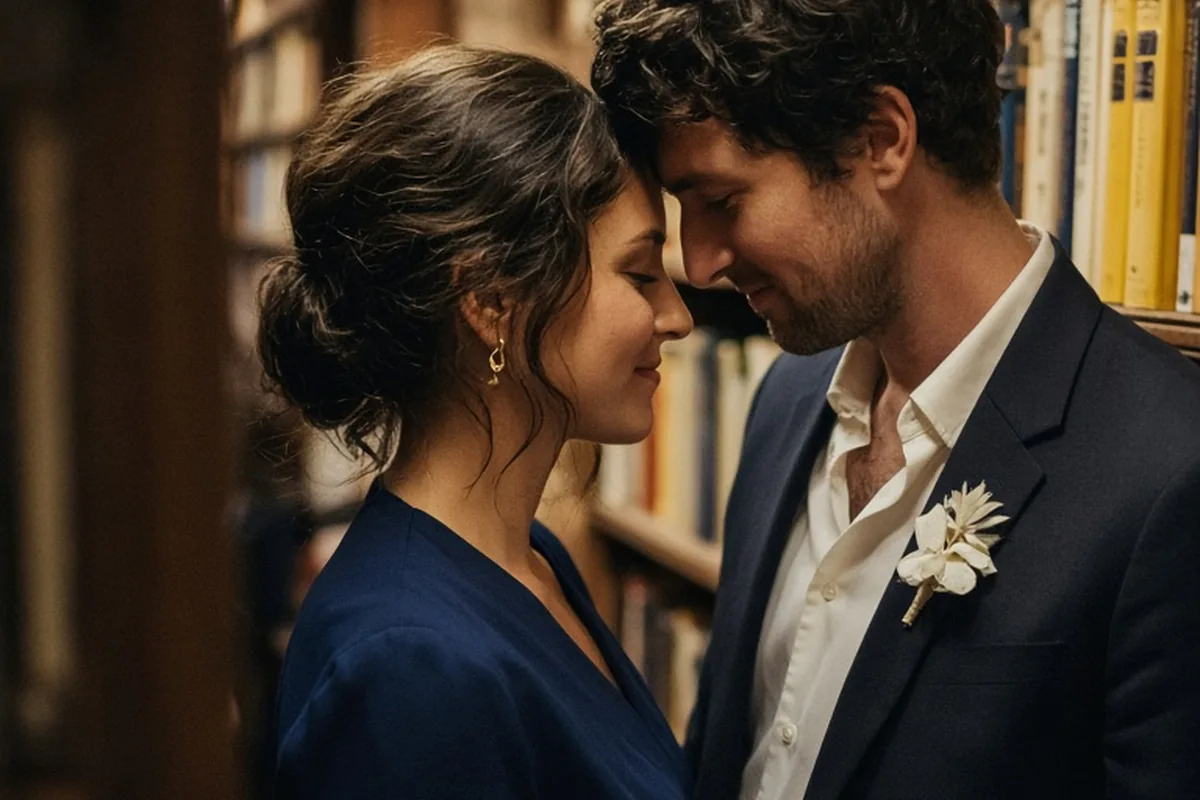
Courthouse wedding ideas focus on making a civil ceremony deeply personal, memorable, and stylish while keeping logistics streamlined. Popular approaches include booking an editorial photographer for urban portraits, wearing tailored suits or chic non-traditional dresses, exchanging private vows before entering city hall, reserving a private dining room at a premier restaurant, and designing a relaxed timeline that centers entirely on your relationship.
Opting for a civil ceremony at a local courthouse or city hall strips away the logistical exhaustion and high financial burden of a conventional large-scale wedding. Choosing a simpler venue does not mean sacrificing beauty, emotion, or personal style. With thoughtful choices around attire, photography, ceremonial rituals, and post-ceremony dining, you can turn a brief municipal appointment into an extraordinary, highly intimate celebration.
Navigating Local City Hall Logistics and Civil Ceremony Rules
A seamless courthouse wedding begins with a clear understanding of your local municipality's specific legal and procedural rules. Marriage license requirements, waiting periods, and appointment scheduling vary significantly across states and counties. Some jurisdictions require couples to obtain their marriage license several days before the ceremony date, while others allow same-day licensing and officiation. You will need to verify valid forms of identification, birth documentation, legal dissolution paperwork from prior marriages if applicable, and the exact payment methods accepted by the county clerk.
Guest limits are another crucial operational factor when planning a civil ceremony. Many courthouse ceremony rooms or clerk offices enforce strict capacity limits, frequently permitting only two to ten guests, and in some urban centers, strictly the couple and two legal witnesses. Confirm these restrictions well before you issue informal invitations to friends or family. Additionally, research municipal building regulations regarding security screening, prohibited items, photography flash restrictions in public hallways, and policies regarding fresh flower bouquets or small personal decor items.
Styling Modern Attire for a Courthouse Wedding
A civil ceremony offers absolute freedom when it comes to wardrobe, as you are not bound by traditional altar aesthetics, religious dress codes, or conventional ballroom formats. Many brides choose chic alternative silhouettes such as tailored pantsuits, sleek silk column gowns, vintage tea-length dresses, structural mini dresses, or elegant two-piece sets. Grooms frequently embrace sharply tailored suits in navy, charcoal, or textured linen, or lean into elevated smart-casual combinations with tailored trousers, knit polos, and fine leather footwear.
Accessories play a major role in elevating civil ceremony attire and adding character to urban wedding portraits. Consider pairing a short modern dress with a dramatic birdcage veil, a cathedral-length veil for high-contrast architectural photos, or a pair of statement sunglasses. Because courthouse weddings often involve walking on city sidewalks, ascending granite stairs, and navigating historic building corridors, practical yet stylish footwear is essential. Low block heels, designer flats, or polished dress shoes ensure you remain comfortable throughout the day without sacrificing elegance.
Planning Professional Photography for Urban and Architectural Backdrops
Investing in a talented photographer is often the single most rewarding expense of a courthouse wedding. Because civil ceremonies eliminate the need for eight to ten hours of full-day event coverage, you can allocate your photography budget toward an experienced editorial or documentary photographer for two to four focused hours. A professional will know how to work with the unique lighting conditions of municipal hallways, capture candid interactions at the clerk's counter, and photograph the brief ceremony with precision.
Beyond the ceremony itself, design a dedicated portrait route around the surrounding neighborhood. Historic civic buildings, marble rotundas, grand courthouse steps, crosswalks, local coffee shops, and nearby public gardens provide rich, varied textures for couple portraits. Check whether your chosen city hall or adjacent public buildings require a commercial photography permit for professional sessions. Having a curated list of two or three nearby photo locations within walking distance ensures a relaxed, creative portrait session after the papers are signed.
Adding Personal Rituals When the Legal Ceremony Is Brief
Standard civil ceremonies conducted by a judge, magistrate, or city clerk typically last between five and fifteen minutes and follow a concise, standardized legal script. To make the milestone feel emotionally rich and unhurried, build personal rituals around the municipal appointment. Consider reading handwritten personal vows to each other in private before arriving at the courthouse, such as during a quiet morning coffee at home or in a scenic park bench near the civic center immediately after the official ceremony concludes.
Small tactile details can also make the legal appointment feel special. Bring a bespoke velvet or leather ring box, incorporate an heirloom piece of jewelry, or carry a distinctive bouquet created by a local florist rather than relying on standard arrangements. You might also plan a special transportation detail, such as hiring a vintage automobile, hailing an iconic city taxi, or taking a scenic walk hand-in-hand to the courthouse steps to build shared anticipation before you step inside.
Hosting an Intimate Reception or Private Restaurant Dinner
Without the high catering minimums of a large reception hall, you can redirect your celebration budget toward an unforgettable culinary experience for you and your inner circle. Reserving a private dining room at a favorite fine-dining restaurant or booking a chef's tasting menu with curated wine pairings creates a relaxed, upscale atmosphere where you can converse deeply with every guest. Small guest counts of four to twenty people unlock unique dining rooms and boutique venues that cannot accommodate standard wedding parties.
For couples seeking a more casual celebration, there are numerous creative post-ceremony reception alternatives. You could host a sunlit champagne brunch at a neighborhood bistro, reserve a semi-private lounge area for craft cocktails and small plates, or organize an elevated picnic in a scenic park with gourmet charcuterie and local pastries. If you choose to marry entirely solo, plan an indulgent dinner for two followed by an overnight stay at a historic boutique hotel in the city to mark the occasion in private luxury.
Keeping Friends and Extended Family Involved From Afar
Choosing a small courthouse wedding can sometimes leave extended family or friends wondering how to celebrate with you. Proactive, warm communication helps manage expectations and keeps loved ones feeling included. If you want distant friends and family to witness the ceremony without physically attending, ask the clerk's office if a quiet personal phone tripod or handheld livestream is permitted during the brief proceeding.
Following the wedding, high-quality announcements serve as both a notification and a keepsake. Commission custom printed cards featuring your favorite city hall portraits and a heartfelt note sharing the news of your civil marriage. Many couples also pair a small courthouse ceremony with an informal celebration weeks or months later, such as a casual backyard barbecue, an open-house cocktail reception, or a celebratory group dinner, allowing them to enjoy legal simplicity now and social connection later without traditional wedding stress.
Structuring Your Courthouse Wedding Timeline for a Seamless Day
Courthouse schedules can be somewhat unpredictable due to municipal case dockets, security lines, and variable ceremony lengths. To avoid feeling rushed, build generous buffer times into your day. Plan to arrive at the building at least thirty to forty-five minutes before your scheduled appointment to clear security checkpoints, locate the correct department or chamber, and complete preliminary paperwork with the clerk.
A balanced day-of timeline might look like a relaxed morning getting dressed, followed by an hour of first-look and street portraits on the way to the courthouse. After the ten-minute ceremony and signing of the marriage register, spend forty-five minutes capturing family and couple portraits on the courthouse steps or surrounding grounds. Follow this with a short break for a midday coffee or cocktail toast before moving on to your late-afternoon reception or evening private dinner. This unhurried pacing turns the entire day into a celebratory journey rather than an administrative chore.
Prioritizing Your Civil Ceremony Budget and Vendor Decisions
A civil wedding dramatically reshapes your spending priorities. Instead of spreading a budget thinly across linens, venue rentals, large-scale audiovisual equipment, and high-volume catering, you can focus on two or three high-impact areas that genuinely matter to you. Couples frequently prioritize top-tier documentary photography, tailored designer clothing, bespoke wedding rings, and an exceptional private dining experience, often spending a fraction of the cost of a traditional wedding while enjoying superior quality.
When planning your expenses, verify municipal fees directly with your local county clerk or city court website, as license fees, civil officiant fees, and certified copy costs vary by city and state. When hiring vendors such as photographers, florists, or private dining coordinators, clearly communicate that your event is an intimate civil ceremony. Many vendors offer specialized micro-wedding or hourly packages tailored specifically for short timelines, saving you from paying full-day rates for services you do not need.
Frequently asked questions
How many witnesses are required for a courthouse wedding?
Witness requirements depend entirely on state and county marriage laws. Some jurisdictions require two witnesses over the age of eighteen, some require only one, and others do not require any witnesses beyond the authorized officiant. Check your local county clerk guidelines to confirm whether you must bring witnesses or if staff can sign your certificate.
Can you bring personal flowers and rings to a courthouse ceremony?
Yes, nearly all courthouses permit couples to exchange rings and carry a personal bridal bouquet or wear boutonnieres during the ceremony. However, freestanding floral installations, arches, confetti, candles, and loose petals are generally prohibited inside municipal buildings due to security, cleanup, and space regulations.
How far in advance should we schedule a city hall wedding appointment?
Booking windows vary by municipality. Popular city halls in major metropolitan areas often open their appointment books thirty to ninety days in advance and can fill up quickly for peak Friday and weekend slots. Smaller county offices may accept appointments on shorter notice or offer walk-in civil services on specific weekdays.
What is the typical dress code for a courthouse wedding?
There is no formal mandatory dress code for a civil ceremony, meaning you can wear anything from modern casual attire to formal bridal wear. Most couples choose semi-formal, cocktail, or modern editorial outfits, such as short wedding dresses, tailored suits, silk slip gowns, or stylish jumpsuits that feel celebratory and comfortable.
Your next step
Visit your local county clerk or city hall website today to review marriage license waiting periods, document requirements, and appointment availability so you can secure your ceremony date before booking vendors.