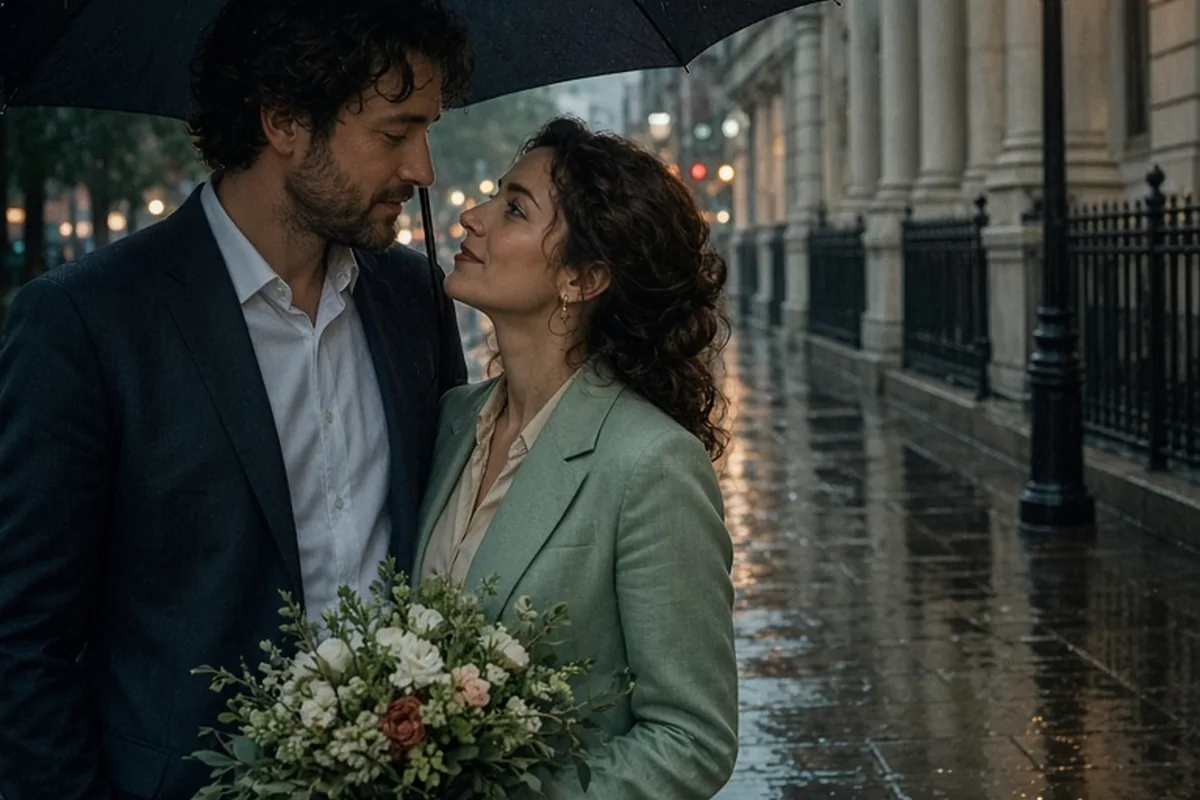
Planning a courthouse wedding for a small group centers on prioritizing meaningful personal touches over traditional production. Key ideas include booking a private dining room at a favorite restaurant, hiring a photographer for city-backdrop portraits, styling tailored or non-traditional attire, curating personalized floral bouquets, and arranging transport between the clerk's office and your celebration venue. Success requires verifying local appointment windows, guest capacities, and witness rules before organizing post-ceremony gatherings.
A civil ceremony offers a streamlined, low-stress alternative to large-scale weddings while maintaining the emotional significance of entering a marriage. Couples choosing this route can redirect their energy and budget toward elevated dining, documentary-style photography, and tailored personal details that reflect their shared aesthetic.
Researching Clerk Appointments, Guest Limits, and Legal Formalities
Before developing creative concepts for your wedding day, you must establish the legal and logistical parameters set by your municipal or county government. Marriage license requirements and civil ceremony procedures vary widely across jurisdictions, often even between neighboring counties. Some city halls allow walk-in ceremonies on designated weekdays, while others mandate booking time slots months in advance through an online portal. Furthermore, physical room capacities dictate the exact number of people permitted inside the chambers. Certain historic municipal courtrooms accommodate up to twenty seated guests, whereas compact clerk offices may restrict entry to the couple and two legal witnesses. Contacting the county clerk or reviewing official municipal guidelines prevents unexpected day-of surprises regarding who can witness the vows.
In addition to capacity limits, familiarize yourself with jurisdictional rules regarding documentation, waiting periods, and designated officiants. Many states enforce a mandatory waiting window between purchasing a marriage license and executing the ceremony, while others require the ceremony to occur within a specific expiration window. You must also determine whether the government office supplies an officiant, such as a justice of the peace or city clerk, or if you must arrange for a licensed celebrant to meet you on-site. Clarifying fee payment methods is equally critical, as some county clerk desks accept credit cards while others require exact cash or money orders for statutory administrative fees.
Elevating Civil Ceremony Attire with Tailored and Expressive Styling
A courthouse ceremony grants complete freedom from traditional bridal dress codes, allowing couples to wear garments that feel authentic, comfortable, and tailored to their personal taste. Many individuals embrace modern tailoring, such as structured double-breasted pantsuits, silk jumpsuits, or sharp blazers paired with wide-leg trousers in ivory, pastel, or bold jewel tones. Others opt for tea-length vintage dresses, midi slip dresses, or separates featuring textured fabrics like jacquard, linen, or crepe. For classic styles, a clean minimalist gown without heavy crinoline or intricate trains functions exceptionally well in public hallways and urban settings. Suits can range from crisp wool tuxedos to relaxed unstructured linen suits paired with loafers or clean leather sneakers, depending on the season.
Accessories serve as powerful focal points against the understated backdrop of a municipal building. Statement footwear, such as sculptural block heels, brightly colored pumps, or bespoke boots, adds personality to walking portraits on stone courthouse steps. Consider incorporating expressive elements like a birdcage veil, an oversized silk hair bow, dramatic sunglasses, or heirloom jewelry that might otherwise get lost in a cavernous venue. Grooms and partners wearing suits can incorporate silk pocket squares, patterned knit ties, or vintage cufflinks to introduce texture. Selecting outerwear with intention, such as a tailored wool trench coat, a faux-fur wrap, or a structured leather jacket, ensures comfort during outdoor transit and enriches your overall photo collection.
Planning Intimate Receptions, Private Dining, and Casual Gatherings
Because a civil ceremony typically concludes within ten to twenty minutes, the post-ceremony reception becomes the centerpiece of your wedding day. Renting a private dining room at an upscale restaurant, a cozy neighborhood bistro, or a historic wine cellar offers an effortless way to entertain a small group without managing outside vendor coordination. Many restaurants feature dedicated private dining spaces with curated multi-course menus, wine pairings, and professional waitstaff, allowing you to offer a high-tier culinary experience that would be cost-prohibitive for a large guest count. When inquiring with venues, ask whether they provide printed custom menus, place cards, or audio connections for a private celebration playlist.
For couples seeking a more casual atmosphere, consider renting a sunlit loft, a boutique hotel hospitality suite, or an outdoor garden patio for a relaxed cocktail hour and family-style dinner. Alternatively, hosting an intimate backyard celebration with catered charcuterie boards, gourmet food trucks, or a private chef allows guests to mingle in a comfortable residential environment. If you are inviting a broader circle of friends who could not attend the ceremony due to room capacity limits, you can host an open-house evening party or reserve a lounge area at a favorite cocktail bar. This split structure preserves the intimacy of the civil union while welcoming your extended social network to celebrate afterward.
Directing Photography for City Architecture and Documentary Portraits
Photography holds elevated importance during a courthouse wedding because municipal halls, surrounding urban streets, and intimate dining tables provide rich visual contrasts. When vetting photographers, prioritize portfolios that demonstrate strong architectural framing, candid documentary coverage, and mastery of natural or mixed municipal indoor lighting. Many government buildings feature striking neoclassical columns, marble staircases, intricate ironwork, or mid-century brass elevators that create dramatic backdrops. A seasoned photographer familiar with the local courthouse will know the best angles, security regulations regarding tripods, and which corridors offer optimal natural light without disrupting active civic business.
Structure your photography coverage to capture the narrative flow of the entire morning or afternoon rather than focusing solely on the brief ceremony itself. Book a three- to four-hour package that begins with pre-ceremony preparations or coffee at a nearby cafe, follows your walk toward the clerk's office, covers the vow exchange, and transitions into an editorial-style portrait walk around the surrounding city neighborhood. Capture dynamic, unscripted moments: hailing a cab, walking through pedestrian plazas, standing beneath historic streetlights, and toasting glasses at the reception table. This documentary approach produces a cohesive story of your wedding day that feels both timeless and deeply personal.
Personalizing Courthouse Vows, Florals, and Ceremony Traditions
Even within the standardized script of a civil ceremony, couples can weave in meaningful traditions and bespoke details to make the moment uniquely their own. While justices of the peace often follow a concise legal template, most officiants welcome personal vow exchanges if you request permission in advance. Preparing handwritten vows in dedicated keepsake vow books provides a polished, intentional look during the ceremony and creates an enduring memento. You can also incorporate meaningful symbolic gestures that do not require elaborate setup, such as exchanging custom engraved rings, playing an acoustic song from a portable speaker while signing the register, or having close family members read a short poem before the pronouncement.
Florals provide an immediate visual lift to civic settings, establishing a festive wedding atmosphere without requiring extensive installation. A sculptural hand-tied bridal bouquet, tailored boutonniere, or delicate floral corsages for guests ground the event in celebratory tradition. You might select seasonal blooms sourced from a local floral studio or assemble a minimalist bouquet composed of a single flower variety, such as calla lilies, garden roses, or delicate sweet peas. Post-ceremony, repurpose these personal flowers as centerpieces on your private dining table. Couples can also coordinate subtle ceremonial touches for their guests, such as handing out custom ribbon wands, brass bells, or dried flower petals for an exit toss outside the municipal building.
Structuring a Cohesive Day-of Timeline for a Small Group
Creating an unhurried, realistic timeline ensures your courthouse wedding feels relaxed and luxurious rather than rushed. Municipal offices operate on standard business schedules, meaning security checkpoints, elevator delays, and administrative processing can consume unexpected time before your officiant calls your name. Plan to arrive at the clerk's office at least thirty to forty-five minutes before your scheduled appointment to clear metal detectors, present identification, and finalize the paperwork with the administrative clerk. Communicating clear arrival times and exact entrance locations to your guests prevents last-minute coordination stress and ensures everyone is assembled before the ceremony begins.
Following the ceremony, designate a dedicated thirty-minute window for formal family portraits on the courthouse steps and hallway corridors before guests depart for the reception location. If your reception venue is within walking distance, turn the commute into a celebratory group stroll through the neighborhood, offering candid photo opportunities along the way. If transit involves driving or rideshares, arrange pre-booked car services or coordinate rideshare vouchers for your guests to eliminate parking logistics. Building in a brief breather for the couple between the ceremony portraits and the reception meal allows you to sign the marriage certificate, catch your breath, and savor the milestone together.
Managing Invitations, Announcements, and Modest Budget Strategy
Communicating the nature of an intimate courthouse wedding requires clear, thoughtful stationery and digital messaging. For guests attending in person, formal letterpress invitations or curated digital suites should explicitly outline the unique schedule, parking recommendations near the civic center, and details regarding the subsequent private dining reception. If certain friends and extended family members cannot be accommodated at the ceremony due to courtroom capacity limits, send modern elopement announcement cards immediately following the event. These cards can feature a striking photograph from the ceremony steps and include a link to an online photo gallery or registry, allowing loved ones to share in your joy from afar.
A civil ceremony inherently reduces traditional overhead costs, such as large venue rentals, full-scale audiovisual production, and extensive catering minimums, allowing you to allocate your resources with intentionality. Rather than spreading a budget thin across dozens of conventional categories, focus your spending on high-impact priorities that elevate your personal experience. Couples frequently invest their primary budget into high-caliber photography, bespoke clothing, top-tier dining, and an extended honeymoon. To maintain fiscal clarity, create a detailed line-item budget encompassing municipal license fees, ceremony administration charges, attire alterations, bouquet arrangements, restaurant food and beverage minimums, and service gratuities.
Frequently asked questions
Can we write our own vows for a courthouse wedding?
In most jurisdictions, officiants permit personal vows if you notify them before the ceremony begins. Because appointment slots are brief, keep personal vow readings concise, ideally between one and two minutes per person. Carrying written vows in small vow books ensures a smooth delivery within the allotted time.
How many guests can we invite to a courthouse ceremony?
Guest limits depend entirely on the specific municipal facility and courtroom fire codes. Some compact clerk offices strictly limit attendance to the couple and two legal witnesses, while larger historic courtrooms can accommodate ten to twenty guests. Always verify your local clerk's official room capacity before issuing invitations.
Do we need to hire an outside officiant for city hall?
In many cities, an on-site magistrate, judge, or deputy clerk performs the civil ceremony as part of your scheduled appointment. However, certain jurisdictions only issue the marriage license at the clerk's office and require you to supply an independent ordained officiant to perform and sign the paperwork.
What documents must we bring on the wedding day?
You must typically present valid government-issued photo identification, such as a driver's license or passport, along with the certified marriage license if purchased in advance. You should also bring any required court fees in the accepted payment format, and ensure your designated witnesses bring valid identification.
Your next step
Contact your local county clerk's office or visit their municipal website today to verify appointment booking windows, guest capacity rules, and required documentation before reserving your reception venue.