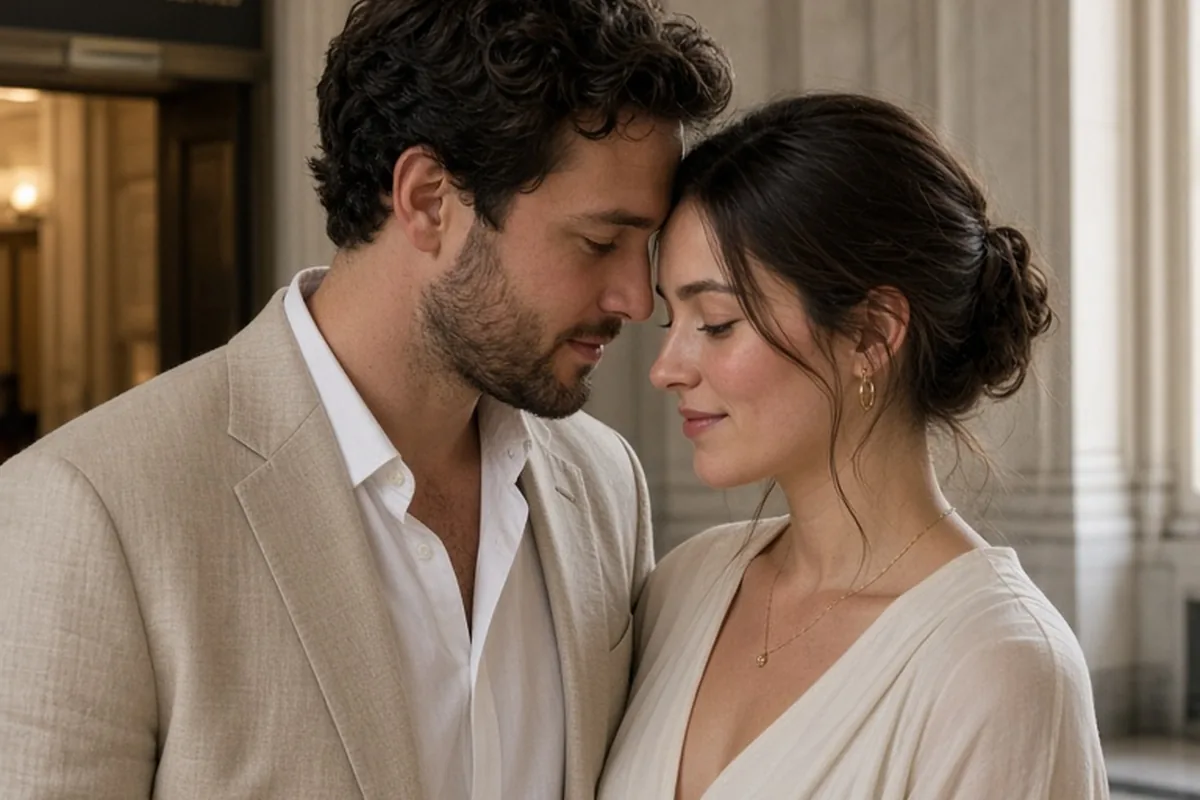
Planning a courthouse wedding on a budget involves securing a marriage license from your local county clerk, booking a civil ceremony appointment, and focusing spending strictly on what matters most to you. By eliminating venue rental fees, mandatory vendor lists, and large-scale catering overhead, you can redirect funds toward meaningful elements like professional portrait photography, high-quality attire you can re-wear, or an intimate post-ceremony meal with close family and friends.
A civil ceremony at a local municipal building or historic city hall offers an intentional, low-stress alternative to traditional wedding production. While the setting is inherently cost-effective, creating a memorable day still requires thoughtful coordination around administrative deadlines, attire, guest logistics, and celebratory gatherings.
Navigating County Clerk Requirements and Marriage License Fees
The foundation of any courthouse wedding is legal compliance, which begins well before the ceremony date. Marriage license requirements, administrative fees, waiting periods, and appointment protocols vary by state, county, and municipality. Some jurisdictions allow same-day ceremonies immediately following license issuance, while others mandate a statutory waiting period of twenty-four to seventy-two hours. Researching your specific county clerk or recorder office website ensures you understand whether appointments are required online or if walk-ins are permitted.
Both parties must typically present valid government-issued photo identification, such as a passport or driver's license, alongside certified documents verifying birth details or the dissolution of any prior marriages. Administrative costs generally consist of two separate line items: the marriage license fee itself and the civil ceremony fee charged by the officiant or court magistrate. These fees are set by local government regulations and must often be paid via specific payment methods, such as debit cards, money orders, or cash, depending on courthouse policy.
Witness requirements represent another critical administrative detail to confirm in advance. While certain states require one or two adult witnesses to sign the official certificate during the ceremony, others do not require any outside witnesses. If your chosen courthouse requires witnesses and you plan to elope privately without guests, ask the clerk ahead of time whether courthouse staff or volunteer bailiffs can sign as witnesses, or plan to bring a hired photographer who can fulfill that legal duty.
Choosing the Best Courthouse Location and Ceremony Timing
Not all civil ceremonies take place in sterile modern offices; many metropolitan areas and county seats feature architecturally stunning historic courthouses, city halls with marble rotundas, or landscaped municipal gardens. If your home county's building does not match your visual preferences, verify whether your state permits you to obtain a license in one county and hold the ceremony at a landmark municipal building in another nearby jurisdiction.
Day of the week and time of day significantly influence both the atmosphere and the crowding in civil courtrooms. Mid-week days, particularly Tuesday through Thursday mornings, tend to be calmer, with shorter security checkpoint lines and fewer simultaneous civil dockets. Friday afternoons are traditionally the busiest windows for courthouse weddings, which can result in crowded waiting rooms and rushed photo opportunities in public corridors.
Inquire specifically about guest capacity limits for the assigned courtroom or marriage bureau suite. Some municipal offices strictly cap attendance at two to six people due to local fire codes and operational space, while larger city hall chambers can accommodate up to twenty or thirty guests. Knowing these physical restrictions early prevents uncomfortable situations where loved ones are turned away at metal detectors or courtroom doors.
Sourcing Stylish Courthouse Wedding Attire Without High Markups
Courthouse weddings liberate couples from the formal conventions and steep price tags of traditional bridal boutique wear. Because civil ceremonies suit modern, tailored, and vintage aesthetics equally well, you can explore ready-to-wear retail collections, cocktail dresses, structured white pantsuits, or separates from department stores and contemporary fashion brands at standard retail pricing rather than marked-up bridal rates.
Suiting for civil ceremonies can similarly combine style with frugality. High-quality off-the-rack suits in navy, charcoal, or neutral linen often cost less than specialized tuxedo rentals and provide long-term utility for future professional or social events. Investing a small portion of your apparel budget into professional tailoring elevates an affordable off-the-rack suit or dress to look bespoke, ensuring proper sleeve length, hemline, and shoulder fit.
Accessories and florals can be curated with minimal expense. A polished courthouse look can be completed with comfortable classic shoes, personal jewelry, and a compact hand-tied bouquet. Instead of contracting custom bridal floral packages with minimum spend thresholds, you can source fresh seasonal blooms from a local florist's daily counter or assemble grocery store stems using floral tape and satin ribbon the morning of the ceremony.
Hiring an Hourly Photographer for Ceremony and Portrait Coverage
Professional photography remains one of the most rewarding areas to allocate your budget, even for a brief civil marriage. Traditional wedding packages often bundle eight to ten hours of continuous coverage, engagement sessions, and multi-shooter teams, which are unnecessary for a civil ceremony. Instead, look for local documentary or elopement photographers willing to book short-duration coverage, typically ranging from ninety minutes to three hours.
A concise two-hour window provides sufficient time to capture the pre-ceremony arrival, the courtroom vows and document signing, interior architectural portraits on marble stairwells or under rotunda skylights, and a brief walking session around nearby urban streets or parks. When reaching out to photographers, ask specifically for their hourly rates, elopement packages, or weekday availability, as many professionals welcome smaller mid-week bookings that do not conflict with full-day weekend weddings.
Before your ceremony date, scout the interior and exterior grounds of the courthouse to identify portrait locations with good natural lighting. Check the facility's camera regulations; while most courtrooms allow photography during civil marriage ceremonies, certain high-security buildings prohibit flash equipment, tripods, or filming in public hallways outside the designated marriage bureau.
Designing an Affordable Post-Ceremony Meal and Celebration
Following the civil ceremony, hosting an intimate meal allows you to celebrate with your witness group or immediate family without incurring venue rental fees or per-person event catering surcharges. A practical approach is booking a private or semi-private table at a favorite local restaurant, bistro, or upscale café that offers prix-fixe lunch or brunch menus.
Brunch and lunch celebrations are significantly more economical than evening dinner buyouts, as daytime menus are typically priced lower and beverage consumption tends to be lighter. For groups under ten people, a standard table reservation with advance notice to the kitchen often suffices, avoiding minimum food-and-beverage spend requirements attached to formal private event contracts.
If you prefer a relaxed, outdoor atmosphere, consider an elevated picnic in a scenic public park or a casual gathering at your home. You can coordinate gourmet takeout platters, artisanal cheese boards, and personal desserts, allowing guests to mingle freely. Always verify whether public parks require simple gathering permits or have regulations regarding open containers if you intend to offer a champagne toast.
Managing Guest Communication, Expectations, and Announcements
Downsizing to a civil ceremony requires transparent, considerate communication with family and friends who may expect a conventional wedding. Digital invitations or thoughtfully worded paper cards can clearly set expectations regarding the small scale of the event, explaining that the ceremony will be kept strictly intimate due to courtroom constraints.
For loved ones who cannot attend in person, consider setting up a simple virtual live stream using a smartphone on a discreet stand, provided the officiating judge or clerk allows recording devices in the room. This approach allows extended family members to witness the exchange of vows in real time from anywhere in the world without complicating courtroom logistics.
After the ceremony, keep distant friends and community members involved by sending formal marriage announcement cards featuring a portrait from your courthouse session. Announcing your marriage after the legal filing celebrates your milestone openly and avoids the social awkwardness of managing unsolicited inquiries about ceremony invitations.
Budget Allocation and Avoiding Overlooked Administrative Expenses
While a courthouse wedding drastically reduces standard overhead, minor administrative and logistical expenses can accumulate if not planned carefully. Structuring a clear budget checklist ensures that statutory fees, legal documentation, transportation, and personal touches remain fully accounted for from the start.
Administrative line items often include purchasing multiple certified copies of your marriage certificate following the ceremony. These copies are required for legal name changes, updating insurance policies, tax filings, and banking updates. Ordering two or three official copies directly from the county recorder at the time of filing saves time and avoids duplicate processing fees later.
Logistical variables such as downtown parking garage rates, rideshare fees, alterations, and tipping should also be built into your financial plan. While government employees are generally prohibited by law from accepting tips, independent officiants, hair stylists, and photographers operate under standard professional service gratuity norms. Factoring in these practical details prevents unexpected out-of-pocket costs on your wedding day.
Frequently asked questions
How far in advance should we schedule a courthouse wedding ceremony?
Booking windows depend on your county's clerk office. High-demand urban city halls often open appointment slots several weeks to months in advance, while smaller municipal courts operate on walk-in schedules or short notice. Check your local county recorder website early to verify whether advance reservations are mandatory.
Can we exchange personalized vows during a courthouse wedding?
Most civil magistrates and court clerks permit couples to read brief personal vows and exchange wedding rings during the allotted ceremony time. However, civil ceremony appointments are typically scheduled in 10- to 15-minute intervals, so vows should be kept concise. Confirm with the clerk during check-in on the day of your ceremony.
What documents do we need to bring to the courthouse on the wedding day?
You must bring your valid government-issued photo identification, your issued marriage license (if your state requires obtaining it prior to the ceremony day), and required forms of payment for ceremony fees. If your jurisdiction mandates witnesses, ensure they bring valid government photo identification as well.
Can we bring our own flowers and decor into the courthouse?
Personal handheld items like a bridal bouquet and boutonniere are virtually always permitted through courthouse security. However, permanent or bulky decor items like floral arches, candles, confetti, or aisle runners are strictly prohibited in municipal buildings and courtrooms for safety and maintenance reasons.
Your next step
Visit your local county clerk's official website today to download the marriage license application checklist and confirm whether your desired ceremony date requires an advance online reservation.