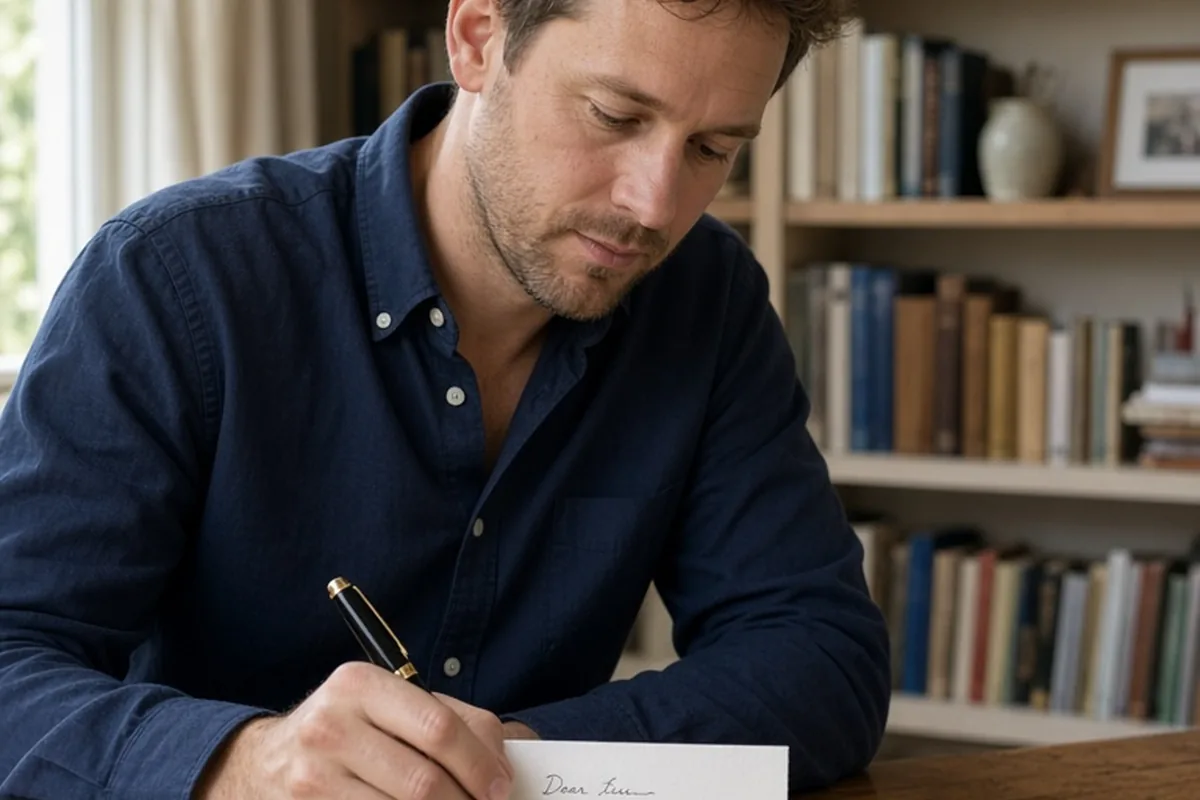
To write heartfelt wedding congratulations, combine four core elements: a warm greeting addressed to both partners, a genuine acknowledgment of their commitment, a specific positive sentiment or shared memory, and an encouraging wish for their future together. Tailor the depth of your message to your actual relationship, keep any humor kind and inclusive of both individuals, and avoid unsolicited marital advice or references to past relationships.
Staring at a blank wedding card often brings an unexpected sense of pressure, as you try to capture years of friendship, familial love, or professional respect in just a few meaningful sentences. Finding the right balance between sincere warmth and effortless expression becomes simple once you understand how to structure your thoughts and calibrate your tone.
The Core Four-Part Framework for Any Wedding Card
A heartfelt wedding message does not require poetic mastery or elaborate prose; it requires thoughtful structure and authentic feeling. When you break a message down into predictable parts, the process of writing becomes much less intimidating. Every effective card generally moves through four distinct beats: an open congratulatory greeting, a personal reflection on the couple, a warm hope for their shared future, and a sincere sign-off. This structure gives your thoughts a natural rhythm while preventing the note from feeling either abruptly brief or rambling.
Begin by addressing both partners by name, even if you are significantly closer to one person than the other. A wedding celebrates a union, and acknowledging both individuals immediately sets an inclusive, respectful tone. Follow this greeting with a clear, enthusiastic statement of celebration. Rather than simply writing happy wedding day, expand slightly to acknowledge the beauty of their commitment, the joy of witnessing their partnership, or your happiness at being able to celebrate alongside them.
The third element is where personalization happens. This is the sentence or two where you mention something specific to the couple: how well they balance each other, a fond memory of when you first saw them together, or your appreciation for their hospitality and friendship. Conclude with an open-hearted wish for what lies ahead, focusing on companionship, shared adventures, resilience, and mutual support through every season of life.
Calibrating Tone Based on Your Relationship to the Couple
The most common mistake when writing wedding congratulations is using a tone that feels mismatched with your real-world relationship. If you are writing to your childhood best friend, an overly formal message can sound stiff, distant, or impersonal. Conversely, writing an informal, joke-heavy note to a professional colleague or an executive in your company can feel overly familiar or out of place. Determining your relationship tier helps you choose the right vocabulary and emotional depth.
For close friends and immediate family, allow yourself to be vulnerable and expressive. You have likely watched their relationship develop, supported them through challenges, and shared significant milestones. In these cards, it is entirely appropriate to mention specific emotional milestones, express deep gratitude for their presence in your life, and speak directly about the unique qualities that make their partnership strong. Your message can be longer, filling the entire card with meaningful reflections.
For coworkers, distant relatives, or casual acquaintances, aim for warm, gracious simplicity. You do not need to invent deep emotional memories or overstate your closeness. Instead, focus on celebrating their happiness, complimenting the joy surrounding their milestone, and wishing them a peaceful, prosperous future together. A brief, beautifully worded three-sentence message written with care is far more meaningful than forced sentimentality.
Original Wedding Message Examples for Different Dynamics
When adapting a message to a specific situation, seeing complete examples can help you understand how to weave personal details into the basic four-part framework. Use these examples as starting points, modifying the specifics to reflect your true feelings and shared experiences with the couple.
For a close friend or sibling: Dear Alex and Jordan, Watching the two of you grow together over the past four years has been an absolute joy. From the moment you met, it was obvious how naturally you bring out the best, kindest, and most adventurous parts of each other. I am so honored to celebrate this incredible milestone with you today. May your home always be filled with deep laughter, patience, great meals, and unwavering support for one another. With all my love, Morgan.
For a professional colleague or client: Dear Taylor and Sam, Warmest congratulations on your wedding day. It is wonderful to celebrate such a meaningful milestone in your lives. Wishing you both a lifetime of happiness, good health, and shared success as you build your future together. Enjoy every moment of your celebration and your upcoming travels. Warm regards, Marcus Reed.
For a casual acquaintance or extended family member: Dear Elena and David, Sending you both my warmest wishes as you celebrate your marriage. May the years ahead bring you endless joy, comfort, and exciting new adventures as a team. Thank you for inviting me to be part of your special day. Sincerely, Aunt Clara.
Handling Special Circumstances: Elopements, Second Marriages, and Delayed Celebrations
Not every wedding follows a traditional ceremony-and-reception format, and your congratulations should naturally reflect the couple's chosen path. When people elope or hold an intimate private ceremony, they often celebrate quietly or announce their union after the fact. In your card, validate their choice with enthusiasm rather than expressing regret about not attending. Focus on celebrating their intimate commitment and the exciting journey they have chosen to take together.
Second marriages and blended families also call for thoughtful nuance. Avoid any references to past relationships, previous weddings, or comparisons of any kind. If children are involved and you know the family well, you might include a warm, inclusive sentence celebrating the beautiful foundation they are building together as a household. Keep the central spotlight firmly on the couple's present love, mutual respect, and shared optimism for their future.
For couples hosting a reception long after their legal ceremony—such as after a private courthouse wedding or a postponed event—frame your message around the enduring nature of their bond. Celebrate the strength they have already shown as partners and the joy of finally gathering with their community to honor a commitment that is already thriving.
Wording and Topics to Avoid in a Wedding Card
Even with the best intentions, certain topics can introduce discomfort, awkwardness, or unintended pressure into what should be an uplifting keepsake. Remember that wedding cards are often read together by both spouses and may be preserved for decades in scrapbooks or keepsake boxes. Maintaining a generous, forward-looking perspective ensures your words remain a source of comfort and joy.
Steer clear of cynical jokes about marriage being the end of freedom, ball-and-chain humor, or commentary on how long it took them to get down the aisle. While playful teasing works in casual conversation, written humor often lacks tone and inflection, making it easy to misinterpret. Additionally, avoid unsolicited advice regarding finances, purchasing a home, or starting a family. Asking about future children places premature and potentially sensitive expectations on the newly married couple.
Finally, ensure your message does not heavily favor one partner to the total exclusion of the other. If you have known the bride since kindergarten but have only met the groom twice, it is natural that your emotional connection leans toward your friend. However, failing to mention the spouse or writing as if the friend is embarking on a solo journey undermines the very occasion you are celebrating. Always frame your friend's happiness as an extension of the wonderful partnership they have built together.
Envelope Etiquette, Gift Enclosures, and Delivery Timing
The presentation and timing of your card contribute significantly to the overall gesture. When addressing the outside envelope, follow the couple's preferences if you know them, especially regarding last names. If you are unsure whether one partner is changing their surname, addressing the envelope with both full given names (for example, Taylor Smith and Jordan Lee) is always polite, modern, and respectful.
If you are enclosing a financial gift such as a check or cash, ensure it is securely tucked inside the card rather than loose in the envelope. When writing a check, verify how the couple plans to handle their banking. Writing a check payable to both names joined by and can occasionally create banking hurdles if they have not yet opened a joint account or legally updated their identification. Writing the check to one individual or using an online registry transfer prevents administrative friction for the newlyweds.
In terms of delivery, bringing the card to the reception's designated gift table or card box is standard practice. If you are unable to attend the celebration in person, mailing your card within a few weeks before or shortly after the wedding date is customary. Even if several months have passed since the event, a tardy card sent with sincere well wishes is always preferable to staying silent.
Frequently asked questions
What should I write if I do not know one of the spouses well?
Acknowledge how happy you are to see your friend or relative with someone who brings them so much joy. You can mention how wonderful it has been to meet them or express enthusiasm for getting to know them better in the years ahead. Always include both names in the greeting and closing.
How long should a standard wedding card message be?
A standard wedding card message typically ranges between three and six sentences. For casual acquaintances or coworkers, three polished sentences are perfectly appropriate, while closer friends and family members often write two to three short paragraphs to share personal sentiments.
Is it acceptable to write a humorous message in a wedding card?
Lighthearted, affectionate humor is acceptable if you have a close, playful relationship with the couple. However, keep the humor positive and shared, avoiding cynical jokes about marriage, references to exes, or teasing that isolates one partner.
Should both people in a couple sign the wedding card?
Yes, if a card or gift is given on behalf of a couple or family, include the names of everyone contributing to the well wishes. You can have one person write the main message and have both individuals sign their names at the bottom.
Your next step
Take a moment to draft your message on a piece of scrap paper first, ensuring both partners' names are included and the tone reflects your genuine relationship before writing it inside the final card.