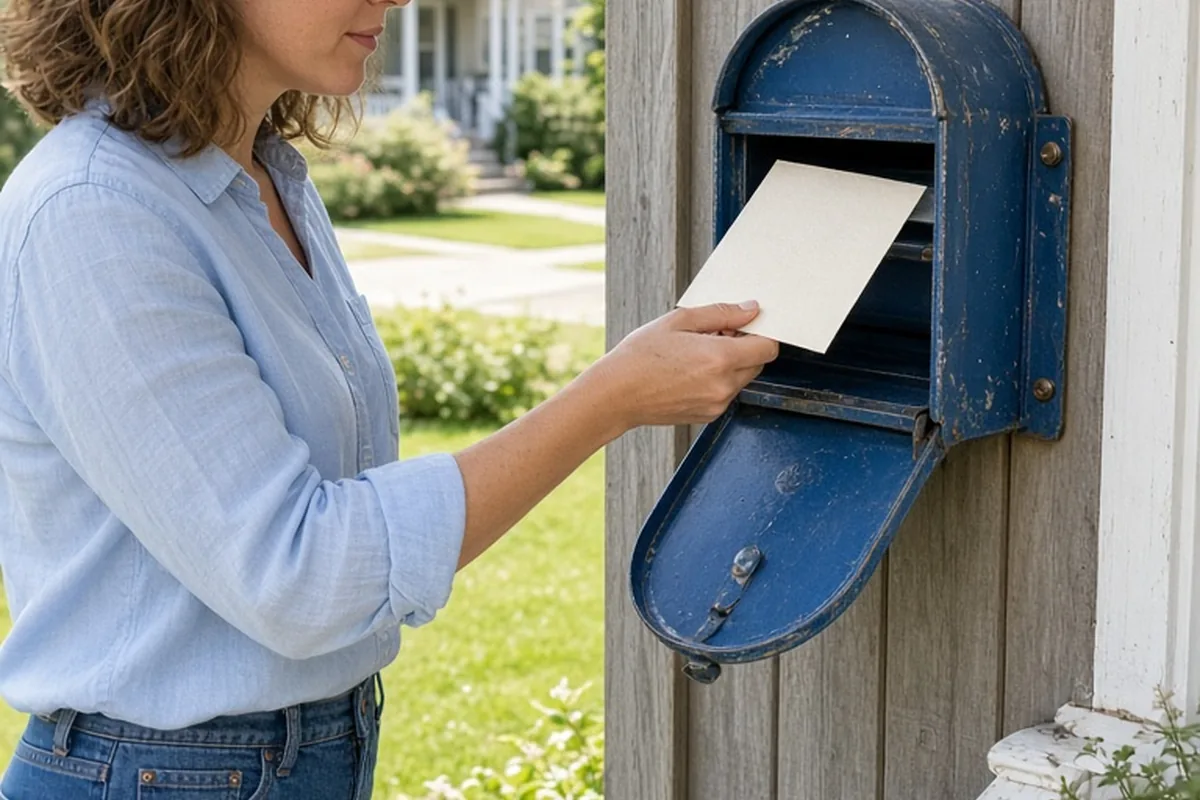
A bridesmaids' luncheon invitation should state who is hosting, honor the bridal party, and provide the date, time, location, dress code, and RSVP deadline. Whether hosted by the bride, her family, or the attendants, the tone sets the mood—from casual backyard teas to formal dining. Sending invitations three to five weeks before the event ensures guests can coordinate travel and schedules ahead of the wedding weekend.
Also referred to as an attendant tea or bridal party luncheon, this gathering serves as a personal, relaxed pause before the fast-paced schedule of the rehearsal dinner and wedding day takes over. Because this event directly honors your closest supporters, the invitation wording and delivery method should balance clear logistical instructions with genuine gratitude.
Determining Who Hosts and How to Word the Host Line
The opening line of an invitation sets expectations for the entire gathering by establishing who is bringing everyone together. Historically, the bride hosts the bridesmaids' luncheon herself as a private gesture of gratitude, thanking her bridal party for their investment of time, emotional support, and travel. When the bride is the sole host, the wording reflects an intimate, first-person or third-person invitation from her directly: 'Please join [Bride's Name] for an afternoon honoring her bridesmaids.' This simple phrasing clearly communicates that the gathering is the bride's personal gift to her inner circle.
In modern wedding planning, hosting duties frequently shift or become shared. A mother of the bride, a future mother-in-law, or an aunt may offer to organize and finance the luncheon so the bride has one fewer logistical task during a hectic week. In those instances, the host line should highlight both the host and the honorees: 'Mrs. [Host's Name] invites you to a luncheon in celebration of [Bride's Name] and her bridal party.' Alternatively, when the bridesmaids take the initiative to host a peer-led lunch honoring the bride, the phrasing becomes: 'The bridesmaids of [Bride's Name] invite you to celebrate our bride-to-be.' Clearly identifying the host prevents confusion regarding who holds the venue reservation, who manages the billing, and who serves as the point of contact for logistical questions.
Essential Logistical Details: Venues, Timing, Attire, and Dietary Needs
A well-crafted invitation eliminates guesswork by providing precise timing and venue specifics. Unlike open-house celebrations, a seated lunch requires firm start and finish times. Including both—for example, '11:30 AM to 1:30 PM'—is especially valuable when the luncheon occurs the day before the wedding. Attendants often need to coordinate around manicures, hair prep, or evening rehearsal walkthroughs, and knowing when the meal concludes allows everyone to plan their afternoon without feeling rushed or checking the clock at the table. If the gathering takes place at a private residence, gated community, or restaurant with limited parking, include practical arrival notes such as valet details, parking garage instructions, or gate codes.
Dress codes and menu preferences represent two additional details that prevent attendee stress. Guests frequently wonder whether 'luncheon' implies semi-formal dresses, casual separates, or garden party attire. Providing a brief, descriptive dress note—such as 'Garden Chic (block heels recommended for grass),' 'Casual Daytime Attire,' or 'Tea Party Dresses'—helps guests select appropriate clothing without sending anxious group texts. Just as importantly, include a dedicated prompt for dietary requirements alongside the RSVP deadline: 'Please share any food allergies or dietary preferences with your reply.' Collecting this information early enables the host to arrange vegetarian, gluten-free, or dairy-free courses with the venue without awkward last-minute kitchen disruptions.
Sample Invitation Wording for Formal, Casual, and Activity-Based Luncheons
Formal luncheons held in private dining rooms, boutique hotels, or historic clubs call for traditional, structured phrasing. This style conveys a sense of timeless elegance and pairs well with engraved or letterpress stationery. A reliable template reads: 'In appreciation of your love and friendship / [Bride's Name] / requests the pleasure of your company / at a luncheon in honor of her bridesmaids / Friday, the tenth of June / at twelve o'clock / The Garden Room at The Grand Hotel / 100 Main Street, Charleston / Attire: Daytime Semi-Formal / Please reply by May 20th to [Contact Phone or Email].' This format keeps lines distinct, easy to read, and free of extraneous clutter.
For relaxed gatherings such as backyard brunches, patio lunches, or neighborhood bistro meals, a conversational tone feels natural and welcoming. The wording can highlight friendship and anticipation: 'Before the vows and the walking shoes, let's take an afternoon for ourselves! / Please join us for a bridesmaids' brunch honoring [Bride's Name] and her favorite people / Hosted by [Host Names] / Saturday, September 18th at 11:30 AM / The Sunny Day Cafe Patio / 45 Oak Lane, Austin / Dress: Sundresses & Casual Attire / RSVP by September 1st to [Phone Number].' This template sets an easygoing atmosphere while maintaining every necessary logistical anchor.
When the luncheon incorporates an interactive experience—such as a spa afternoon, flower-arranging workshop, or private cooking demonstration—the invitation should clarify both the schedule and necessary preparations. A practical template for this format reads: 'A day of relaxation before the walk down the aisle / Join us for manicures, lunch, and bubbly honoring our bridal party / Friday, November 5th from 1:00 PM to 4:00 PM / The Lotus Spa & Bistro / 22 River Road, Denver / Hosted by [Host Name] / Comfortable attire / Please RSVP by October 15th to [Email] and let us know your preferred manicure service.' Specifying the activity ensures guests do not wear restrictive clothing or arrive unprepared for the afternoon's itinerary.
Comparing Paper Stationery and Digital Luncheon Invitations
Selecting between physical paper stationery and digital invitations depends on your wedding's overall aesthetic, timeline, and hosting budget. Physical printed invitations offer a tactile charm and become sentimental keepsakes that many attendants tuck into memory books or post on their refrigerators. Printed cards can mirror the design motifs, custom typography, or monogram of the primary wedding suite, creating a cohesive visual experience. However, physical cards require earlier preparation: design proofing, printing, envelope addressing, and postal delivery typically take two to four weeks before the cards even reach your recipients.
Digital invitations, delivered through custom event portals or structured email platforms, provide unmatched speed and operational convenience. Modern digital stationery services offer sophisticated typography, responsive RSVP tracking, automated calendar integrations, and direct map links that simplify navigation for out-of-town guests. If a venue location shifts or arrival times adjust, a digital platform allows the host to notify every guest instantly with a single update. A balanced hybrid approach is also practical: send digital invitations to peer attendants while mailing physical cards to older relatives, such as mothers or grandmothers, who may appreciate traditional paper.
Setting Guest List Boundaries Beyond the Core Bridesmaids
Defining who receives an invitation requires balancing inclusivity with the desire for an intimate, meaningful gathering. By definition, the guest list includes the maid of honor, bridesmaids, and any adult attendants standing by the bride. Beyond this core group, customary invitations extend to junior bridesmaids, the mother of the bride, the mother of the groom, and grandmothers of the couple. Including the groom's mother and close female relatives is an essential gesture of warmth that welcomes them into the celebration and prevents any perception of exclusion.
Challenges often arise when considering extended friends or ceremony participants. If you have friends delivering readings, singing during the ceremony, or acting as personal attendants, including them in the luncheon is a thoughtful way to acknowledge their contributions. However, caution is warranted: expanding the guest list too broadly can inadvertently turn the luncheon into a redundant second bridal shower. If flower girls are invited, explicitly address the invitation to both the child and her mother (for example, 'To Sarah and Little Emma') so the parent knows they are expected to attend alongside their child. Specifying recipient names clearly on the envelope or digital invitation removes ambiguity about whether siblings, partners, or children may accompany the guest.
Clarifying Gift Guidelines and Financial Expectations on the Invitation
Gift expectations surrounding bridal party luncheons are a frequent source of etiquette confusion. Because bridesmaids have already invested significantly in dresses, bridal shower gifts, bachelorette travel, and formal wedding presents, they should never be asked or expected to bring gifts to a bridesmaids' luncheon. Traditionally, the luncheon serves as the setting where the bride presents her attendants with personalized thank-you gifts. To relieve guests of unnecessary financial anxiety, explicitly state the gift policy on the invitation card: 'No gifts, please—your presence and support are our gift' or 'Please, no gifts; this luncheon is our thank-you to you.'
Financial clarity regarding the meal itself is equally critical. In standard etiquette, whoever extends an invitation to a luncheon is responsible for paying the entire bill, including food, beverages, taxes, and gratuity. However, in casual, peer-arranged gatherings where friends choose to coordinate a get-together independently, the gathering may operate as a split check. If guests are expected to purchase their own meals, transparency on the invitation is mandatory before anyone accepts: 'We would love to gather for lunch to celebrate our bride! Entrees and drinks will be ordered individually à la carte.' Inviting guests to what appears to be a hosted formal meal and surprising them with a bill at the end creates uncomfortable tension; clear wording eliminates all awkwardness.
Dispatch Timelines, RSVP Tracking, and Courteous Follow-Up Messages
Timing the delivery of your invitations ensures that guests can arrange work schedules, child care, and travel accommodations well in advance. For a hometown wedding, dispatch luncheon invitations three to five weeks before the event date. If the wedding is a destination event, or if several attendants must fly in from other states, mail invitations six to eight weeks in advance. Alternatively, include a dedicated luncheon insert directly inside the primary wedding invitation suite. Establishing an RSVP deadline approximately ten to fourteen days before the luncheon provides the host with ample time to submit guaranteed headcounts to the venue, assign seating, and order favors or place cards.
When an attendant has not responded by the stated RSVP deadline, assume they are managing a full schedule rather than deliberately ignoring the invitation. Reaching out with a single, polite check-in provides clarity without applying guilt or pressure. A direct text message or brief phone call works best: 'Hi Jessica! I am finalizing our reservation numbers for the bridesmaids' lunch at Bistro Park on Friday, June 10th. Please let me know by Wednesday if your travel allows you to join us—no worries at all if your schedule is tight, but I want to make sure I save a seat for you if you can make it!' This approach gives the recipient a gracious way to decline if travel constraints prevent early arrival, while securing the exact count the host needs.
Frequently asked questions
Can I invite someone who is not in the wedding party to the bridesmaids' luncheon?
Yes. While the bridal party forms the core of the guest list, it is customary to invite mothers, grandmothers, sisters-in-law, and close friends who are participating in the ceremony, such as scripture readers or musical performers. Keep the list focused on individuals closely involved in the wedding weekend rather than turning it into a large general party.
Do bridesmaids need to bring a gift to the bridesmaids' luncheon?
No, bridesmaids should not bring gifts to the luncheon. The event is hosted either by the bride or a family member to honor and thank the attendants for their support, and the bride typically presents her bridal party gifts during this meal. Stating 'No gifts, please' on the invitation helps reassure guests.
When should the bridesmaids' luncheon take place?
The luncheon is most commonly held one to two days before the wedding, often on the morning or early afternoon of the rehearsal day. If the wedding weekend schedule is packed, hosting the luncheon one or two weeks prior in the bride's hometown is an excellent alternative.
How should I handle RSVPs if someone does not reply by the deadline?
Send a single, warm check-in message stating the date you must submit final numbers to your venue. Give them an easy, pressure-free way to confirm or decline so you can finalize your catering headcount without relational awkwardness.
Your next step
Choose your host line and wording style today, then finalize your venue address, dress code, and dietary RSVP deadline before printing or sending.