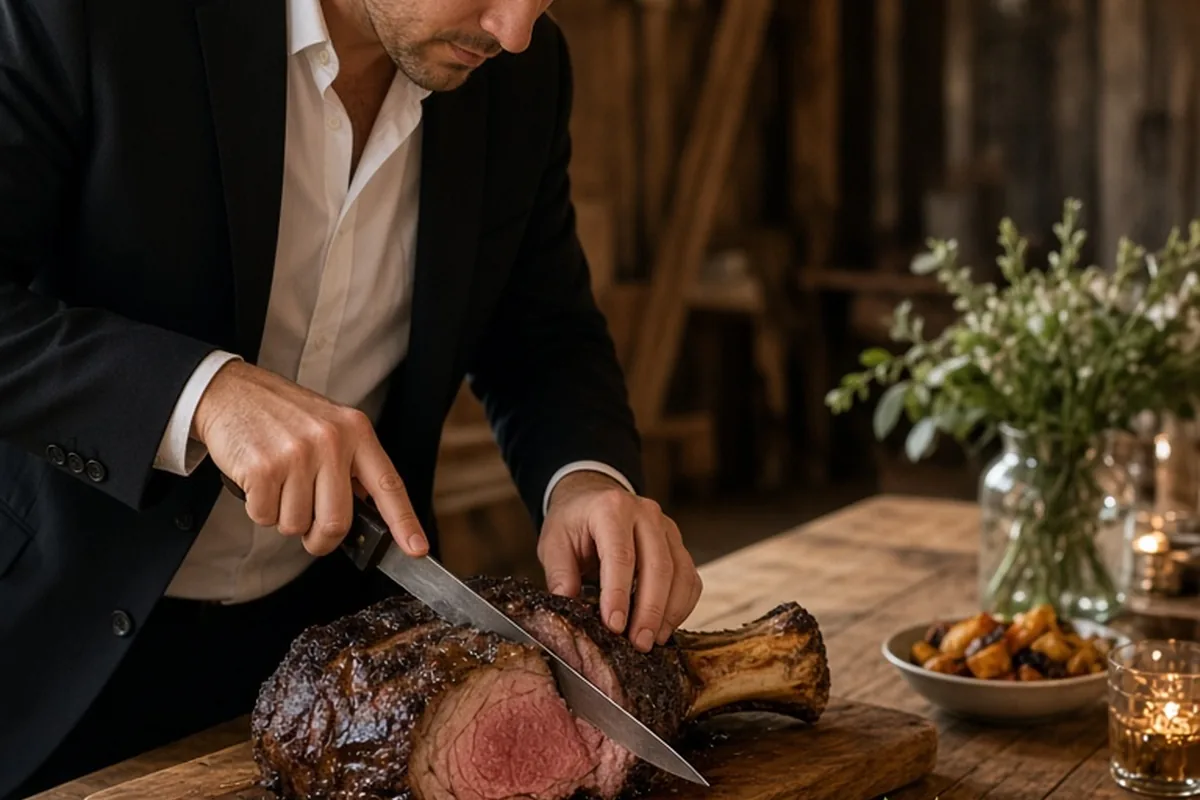
To create the perfect BBQ wedding that blends rustic charm with genuine elegance, pair slow-smoked, gourmet meats with refined culinary accompaniments, structured service styles, and upscale tablescapes. You can honor the relaxed warmth of barbecue while keeping the atmosphere bridal and sophisticated by choosing plated or family-style service, investing in formal linens and glassware, offering curated wet-napkin amenities, and designing an elevated presentation that steers clear of casual backyard disposable goods.
Barbecue brings people together with an unpretentious spirit of hospitality, making it an appealing culinary centerpiece for couples who want their wedding celebration to feel welcoming and grounded. Striking the balance between slow-cooked comfort food and black-tie or semi-formal romance, however, requires thoughtful intentionality around service logistics, venue setup, and guest comfort.
Elevating BBQ Menu Selections Beyond Backyard Cookout Basics
A sophisticated barbecue menu moves well past paper-plate pulled pork sandwiches and standard picnic sides. When planning an upscale reception meal, focus on proteins that showcase artisanal smoking techniques while offering neat, manageable portions on the plate. Consider carving stations featuring prime smoked beef tenderloin with a horseradish creme fraiche, maple-bourbon glazed quail, citrus-rubbed smoked salmon fillets, or thick-cut pork chops paired with an apple cider reduction. Sourcing locally farmed meats and highlighting distinct wood smoke profiles, such as pecan, cherry, or white oak, immediately signals to guests that this is an intentional culinary curation rather than an impromptu cookout.
Your accompaniments carry equal weight in establishing a refined tone. Balance the rich, smoky, and fatty elements of barbecue with vibrant acidity, fresh seasonal produce, and complex textures. Instead of heavy deli potato salad and standard cabbage slaw, present grilled peach and burrata salads over baby arugula, roasted heirloom carrots tossed with wild honey and toasted pistachios, or skillet-baked white cheddar grits finished with fresh chives. Providing lighter, bright vegetable sides keeps guests from feeling weighed down before an evening of dancing while accommodating varied palates and dietary preferences.
Beverage pairings complete the dining profile by cutting through bold sauces and savory fats. Create signature cocktails centered on small-batch bourbons, botanical gins, or aged rums infused with smoked rosemary, charred grapefruit, or spiced stone fruits. For wine selections, bypass overly tannic, heavy reds that clash with barbecue glazes; instead, offer crisp dry rieslings, French gamays, sparkling rosés, or bold zinfandels that naturally complement wood-smoked flavors and rich glazes.
Selecting a Service Format That Preserves Formal Flow
The way food is served sets the social cadence and formality level of your entire wedding. While standard self-serve buffet lines are common for casual gatherings, they often introduce long waiting queues, awkward juggling of plates in formal wear, and a cafeteria-style ambiance. To preserve elegance, consider family-style dining as your primary format. Family-style service brings platters of sliced meats and artisanal sides directly to guest tables on beautiful ceramic or cast-iron serving dishes. This encourages conversation and communal sharing without forcing guests dressed in evening gowns and suits to stand in line.
Plated barbecue offers an even higher level of traditional refinement. In a plated setting, your caterer artfully composes each dish in the kitchen, pairing a lean smoked protein alongside delicate purees, charred vegetables, and drizzled reductions rather than heavy ladles of sauce. This format eliminates all self-service friction and ensures portion uniformity, temperature consistency, and visually striking presentations. If a buffet is the only practical option for your venue or budget, upgrade it by staffing every chafing station with professional carvers, running two identical mirrored lines to cut wait times, and having waitstaff pour water, clear plates, and serve bread directly at the tables.
Late-night bites offer an opportunity to bring back the playful, informal side of barbecue once the formal dinner has concluded. As dancing reaches its peak, surprise your guests with miniature smoked brisket sliders on brioche buns, individual cups of pulled pork over pimento mac and cheese, or warm cornbread madeleines with honey butter. This shifts the mood naturally, letting guests enjoy comfort food when energy is high and formality has given way to late-night celebrating.
Designing Upscale Tablescapes for Messier Fare
Decor plays the most visible role in bridging rustic warmth and wedding-day glamour. You can establish high visual appeal by contrasting raw, natural textures with polished, formal components. Long reclaimed wood farm tables look effortlessly chic when dressed with crisp linen runners, tapered taper candles in brass holders, and abundant greenery interspersed with fresh florals. Swap out standard picnic gingham and kraft paper for rich natural fabrics like washed Belgian linen, velvet ribbon accents, and organic cotton napkins in earthy tones such as sage, terracotta, slate, or ivory.
Tableware should remain strictly non-disposable to uphold an elegant atmosphere. Heavyweight white ceramic or stoneware plates, real forged flatware, and cut-crystal stemware provide necessary weight and tactile luxury. Clear water goblets and wine glasses catch candlelight beautifully, while ceramic bread and side dishes keep tables uncluttered. If you choose to incorporate rustic elements like wooden chargers or miniature cast-iron accents, temper them with delicate seasonal florals, calligraphed cardstock menus, and polished silverware so the overall look remains bridal and intentional.
Practicality must remain invisible yet fully accessible. Barbecue sauce and formal wear can make guests nervous, so anticipate their hesitation before the first bite is taken. Provide warm, lightly scented cloth towels brought out by servers immediately following dinner service, reminiscent of an upscale steakhouse. You can also place custom-packaged individual linen-feel wet wipes beside each place setting alongside personalized printed menus that discreetly indicate which sauces pair best with specific proteins.
Transforming Barn, Garden, and Tent Venues Without Cliché
Rustic-chic weddings occasionally risk falling into predictable styling traps, such as overused burlap, unstained wooden pallets, and mason jars. To keep your venue looking fresh and sophisticated, focus on architectural lighting, high-end drapery, and natural materials that complement the surrounding landscape. If hosting in a traditional barn, soften soaring timber rafters with billowing sheer neutral fabrics and warm, dimmable Edison-style chandeliers. This draws the eye upward, highlights the timber craftsmanship, and introduces romantic intimacy to cavernous spaces.
For open-air farm or garden receptions, structure the space with defined physical zones. Anchor the dining area under a sailcloth tent with clean perimeter lines and wooden flooring rather than leaving tables directly on soft grass where chairs might sink. Establish a distinct cocktail lounge featuring comfortable upholstered armchairs, leather sofas, and low wooden coffee tables where guests can sip bourbon cocktails during the golden hour before dinner.
Keep floral design modern by favoring organic, meadow-style installations over rigid, spherical arrangements. Incorporate seasonal branches, native grasses, trailing smilax, and loose garden roses that echo the countryside setting without feeling unkempt. By combining clean design lines with the natural beauty of wood, stone, and flora, your venue will feel romantic and timeless rather than staged.
Managing Barbecue Smoke, Aromas, and Guest Comfort
The scent of wood smoke is mouthwatering during a weekend afternoon, but thick clouds of smoke blowing across ceremony chairs or dinner tables will leave guests coughing and their formal clothes smelling like charcoal. Managing airflow and smoker placement is a critical operational detail that requires proactive planning with your catering team and venue coordinator. Smokers, wood piles, and prep trailers should always be positioned well downwind of all guest congregation areas, ceremony sites, and dining pavilions.
Work with your caterer to establish a strict cooking timeline relative to your guest arrival schedule. Heavy smoking processes that generate dense billowing plumes should ideally be completed several hours before guests arrive on site, transitioning into warming, resting, and delicate finishing stages as guests begin assembling. If on-site live-fire cooking is part of the visual experience, designate a controlled outdoor viewing perimeter where guests can admire the technique from a comfortable, smoke-free distance during the cocktail hour.
Outdoor settings also require thorough contingency planning for weather conditions that impact food quality. Hot, humid weather accelerates the melting of butter and wilting of fresh greens, while sudden rain or chilly winds can cool smoked meats too rapidly before they reach the table. Ensure the venue has heated holding areas for plating, windbreaks around outdoor carving stations, and an indoor or fully tented alternative prepared for sudden weather shifts.
Hiring a Professional Caterer Equipped for High-End Barbecue
Not every roadside smokehouse or family-owned barbecue joint possesses the equipment, staffing levels, or liability coverage required for a seamless wedding reception. A successful event demands a caterer who understands both the precise culinary art of smoking meats and the complex logistics of formal banquet service. When interviewing prospective vendors, ask whether they specialize in full-service weddings or primarily handle drop-off catering orders.
Full-service barbecue caterers provide trained front-of-house staff responsible for setting tables, passing appetizers during cocktail hour, refilling water glasses, bussing plates promptly, and managing bar services. Confirm whether their quote includes complete dishware, glassware, and linen rentals, or if you will need to coordinate third-party rental companies independently. Inquire specifically about their holding equipment: slow-cooked meats require precise humidity and temperature control while resting so they remain exceptionally tender without drying out or cooling down.
Schedule a formal private tasting and evaluate not only the flavor profiles of the meats and sauces, but also the visual plating concepts, the texture of the side dishes, and the responsiveness of the team. Use this opportunity to discuss dietary accommodations, such as vegetarian, gluten-free, or dairy-free options. A top-tier barbecue caterer will readily propose creative, upscale vegetable centerpieces—like smoked portobello steaks, grilled cauliflower steaks with chimichurri, or smoked jackfruit tostadas—so every guest feels equally honored.
Frequently asked questions
How can I prevent guests from getting barbecue sauce on their formal clothes?
Offer meats lightly glazed or dry-rubbed, serving specialty sauces in individual ramekins or pouring them table-side so guests can control application. Provide high-quality cloth napkins, distribute warm damp hand towels immediately following the main course, and avoid messy items like whole bone-in ribs in favor of neatly sliced tenderloin, carved brisket, or skewers.
Can a BBQ wedding fit a black-tie or black-tie-optional dress code?
Yes, provided the service format and environment match the wardrobe requirements. Choose a plated or family-style dinner service with refined table linens, real stemware, and attentive waitstaff, and ensure the venue features proper climate control and solid flooring so formal gowns and tuxedos remain comfortable and clean.
What are good vegetarian alternatives for an upscale barbecue wedding?
Look for hearty, flavorful dishes that benefit from wood smoke or wood-fire grilling. Excellent options include smoked cauliflower steaks topped with romesco sauce, grilled halloumi and vegetable skewers, smoked king oyster mushroom steaks, or roasted acorn squash stuffed with wild rice, cranberries, and pecans.
Is it rude to serve barbecue at an evening wedding reception?
Not at all, as barbecue has become a widely accepted and celebrated culinary choice for evening weddings. Guests appreciate thoughtful hospitality and delicious food; presenting high-quality smoked proteins alongside elevated side dishes, fine wine, and beautiful decor ensures the meal feels festive and respectful of the occasion.
Your next step
Schedule a dedicated menu tasting with your prospective wedding caterer to review their plated or family-style presentation, sample side dishes, and verify their staffing ratios.