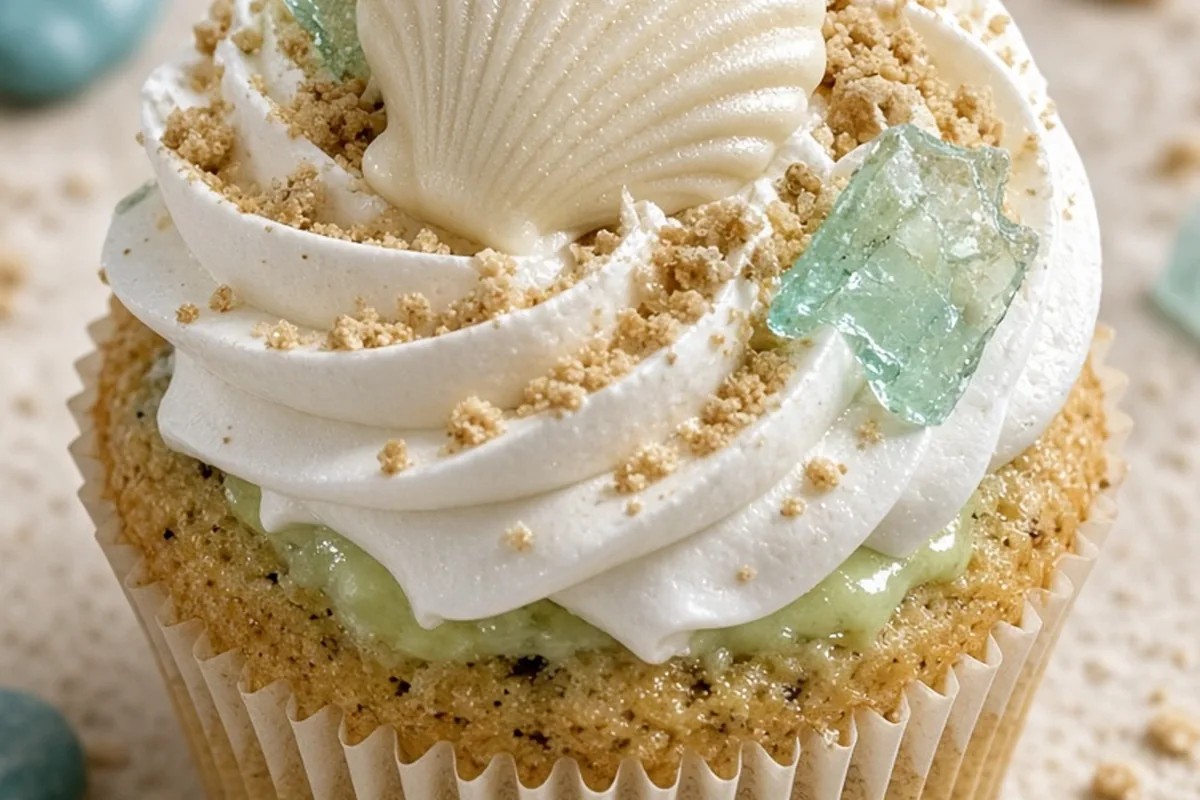
Creative cupcake ideas for a beach-themed wedding combine refreshing coastal flavor profiles with weather-resilient edible decor. Popular approaches include pairing coconut-lime or mango-passionfruit sponge cakes with heat-stable Italian meringue buttercream, garnished with translucent isomalt sea glass, crushed graham cracker sand, and molded white chocolate seashells dusted in pearl luster. Staging these treats on wind-shielded driftwood risers or inside covered acrylic display cases keeps them visually pristine and protected against coastal heat and ocean breezes.
A seaside wedding offers a naturally relaxed, scenic backdrop, but the outdoor beach environment introduces distinct culinary challenges that traditional tiered fondant cakes often struggle to handle. Cupcakes provide couples with a flexible, crowd-pleasing alternative that eliminates the logistical friction of cake cutting, supports a diverse assortment of dietary needs, and opens up endless design possibilities that mirror the shoreline. Whether you are hosting an intimate barefoot gathering directly on the sand or an elevated reception at an oceanfront resort, thoughtful flavor choices and durable design techniques ensure your dessert table remains both striking and delicious throughout the celebration.
Coastal Flavor Combinations That Balance Sweet and Refreshing Profiles
Rich, heavy chocolate fudges and dense ganaches can feel cloying and overly heavy after an afternoon spent under a warm maritime sun. Beach weddings naturally call for light, bright, and refreshing dessert profiles that invigorate guests rather than weighing them down. Citrus fruits, tropical purees, and subtle botanical infusions provide an ideal base for seaside confections. A tender coconut sponge filled with zesty key lime curd offers a crisp balance between creamy fat and sharp acidity, evoking tropical beachside fare without becoming overwhelmingly sweet. Similarly, a vanilla chiffon base hollowed and filled with tart passionfruit coulis or a mango compote accented with grated ginger delivers a burst of clean flavor that pairs effortlessly with warm coastal weather.
Beyond tropical fruits, coastal themes lend themselves to sophisticated sweet-and-savory pairings that echo the saline nature of the seaside setting. Incorporating flaky sea salt, salted honey, or toasted macadamia nuts into fillings and toppings adds depth and prevents sugar fatigue across multiple dessert bites. For couples interested in an island-cocktail aesthetic, infusing vanilla sponge cakes with dark spiced rum syrup and layering them with caramelized pineapple compote creates a refined take on a classic beachside cocktail. Alternatively, light floral and herbal accents such as lavender-infused lemon curd or blackberry-basil compote nestled inside an almond flour cake introduce an understated garden-by-the-sea profile that feels modern, fragrant, and refreshing.
Weather-Resistant Frosting Choices for Warm Coastal Venues
High coastal humidity, radiant afternoon heat, and relentless sea breezes present serious structural risks to delicate frostings. Standard American buttercream, which relies strictly on powdered sugar and creamed butter, has a relatively low melting point near 90 to 95 degrees Fahrenheit, causing it to quickly soften, sag, and lose intricate piping details under outdoor conditions. Unstabilized whipped creams and traditional cream cheese frostings are even more vulnerable, weeping liquid and collapsing within minutes of exposure to heat. If your reception setup takes place outdoors during the late spring, summer, or early autumn, selecting the right frosting base is essential for maintaining clean presentation from the ceremony through the dessert hour.
Meringue-based buttercreams provide noticeably superior structural stability under warm conditions compared to basic powdered-sugar frostings. Italian meringue buttercream and Swiss meringue buttercream both rely on cooked egg-white matrixes that create a silky, stable emulsion capable of holding sharp decorative piping even in moderate ambient warmth. For venues with intense direct heat, professional bakers often substitute a small portion of butter with high-ratio vegetable shortening, which raises the overall melting threshold without leaving an unpleasant waxy film on the palate. Firm white chocolate ganache whipped with a splash of citrus liquor also functions as a dependable, heat-tolerant outer shell that holds up well against coastal air while sealing in the moisture of the cake beneath.
Edible Beach Decor: Realistic Sea Glass, Driftwood, and Shells
Relying on cheap plastic picks or non-edible plastic novelty toppers can detract from an otherwise elevated wedding aesthetic. Modern coastal dessert styling focuses on artisanal, completely edible decorative accents that replicate natural beach treasures with remarkable authenticity. One of the most effective textural techniques involves creating edible beach sand using finely pulverized graham crackers, vanilla wafers, crushed toasted coconut, or turbinado cane sugar. Scattering this fine crumb around the base of the frosting swirl creates an immediate visual cue that grounds each cupcake in a coastal theme without requiring synthetic coloring or heavy modeling paste.
For dimensional focal pieces, molded chocolates and hand-cast sugar work yield striking, realistic results. Food-grade silicone molds can be filled with tempered white chocolate, tinted candy melts, or tinted royal icing to cast delicate conch shells, scallops, and starfish. Once set, brushing these pieces with edible champagne or pearl luster dust replicates the iridescent sheen of wet shells freshly tumbled by the tide. To simulate tumbled sea glass, melted and boiled isomalt can be lightly tinted with pale aqua, seafoam green, or cobalt food coloring, poured onto silicone mats to harden, and broken into smooth-edged geometric shards. Tucking an isomalt sea glass fragment alongside a chocolate shell and a dusting of cookie sand creates an organic, museum-quality finish on every plate.
Color Palettes and Piping Techniques for Modern Seaside Styles
Many beach-themed confections suffer from an overreliance on aggressive neon blues and stark white accents that can look artificial and dated. Contemporary coastal palettes lean toward muted, nature-inspired tones that reflect the true nuances of shoreline landscapes. Consider blending soft seafoam green, misty ocean slate, bleached dune taupe, washed indigo, and warm blush with subtle sandy beige. Restricting saturated colors to small, intentional focal accents keeps the entire dessert presentation feeling soft, elegant, and harmonious with outdoor coastal light.
Piping techniques can further reinforce your aesthetic without relying on literal nautical symbols. Using an open French star tip to create circular, ribbed rosettes creates a rhythmic, wave-like motion that mimics rolling surf. For a more organic, oceanic texture, Russian piping tips can produce clusters of intricate florets that resemble vibrant sea anemones or soft coral beds. Another compelling visual technique is the watercolor ombre swirl, achieved by painting thin vertical stripes of gel color along the inside of a disposable piping bag before filling it with pale ivory buttercream. As the frosting is extruded, it creates a subtle gradient that mirrors sea spray meeting deep water.
Display Setups That Protect Beach-Themed Wedding Cupcakes from Sun and Wind
Even the most durable frosting and intricate sugar work will fail if the display setup does not account for seaside environmental hazards. Wind is the primary logistical threat on the coast, capable of blowing lightweight paper liners, toppling slender tiered stands, or coating open buttercream in airborne sand grit. Positioning a dessert table directly on the open sand without physical windbreaks is rarely practical. Instead, position your display against a sturdy structure, underneath a reception canopy, or inside a climate-controlled oceanfront pavilion to shield delicate frostings from direct ocean gusts and falling debris.
Display architecture should prioritize stability and protective barriers. Rather than using tall, top-heavy wire cupcake towers that can wobble in a gust of wind, opt for low, wide-based risers made of salvaged driftwood planks, heavy honed marble slabs, or solid ceramic tiers. For open-air environments where airborne sand remains a concern, individual glass bell jars, acrylic cloches, or an enclosed multi-tiered glass bakery case offer complete protection while still providing a stunning visual showcase. When planning the day's schedule, coordinate with your venue coordinator or caterer to ensure cupcakes stay in a chilled prep area until thirty to forty-five minutes before the reception dessert service begins, rather than letting them sit out through mid-day vows and cocktail hour.
Packaging and Serving Logistics for Seaside Favor Stations
Many couples choose to double their cupcake display as an interactive wedding favor station, allowing departing guests to take a gourmet treat home at the end of the evening. When designing cupcakes intended for transit, packaging selection directly affects both presentation and food safety. Standard cardboard bakery boxes can absorb humidity and soften, while unventilated plastic pods can trap condensation if warm cupcakes are placed inside too quickly. Sturdy kraft boxes fitted with internal cupcake inserts and clear viewing windows keep each cupcake securely centered, preventing the frosting from colliding with the sides of the box during the journey back to guest hotels.
Liners also demand careful consideration in coastal climates. Standard paper cupcake liners frequently soak up butter and oil from the cake batter in warm weather, leaving the wrappers looking transparent, soggy, or discolored on the display stand. Utilizing greaseproof, foil-lined baking cups or rigid free-standing baking cups ensures the external color and pattern remain crisp and opaque throughout the event. If guests will be selecting their cupcakes directly from a self-serve favor station, supply mini wooden tongs or provide pre-boxed units labeled with flavor tags and allergen information to maintain pristine sanitation under outdoor conditions.
Frequently asked questions
How far in advance can cupcakes be set out at an outdoor beach reception?
Cupcakes should remain stored in a cool, indoor space or insulated commercial carrier until approximately thirty to forty-five minutes before guest dessert service. Leaving decorated cupcakes outdoors for multiple hours increases the likelihood of melted buttercream, sand contamination, and insect interference.
What is the best way to prevent sand from blowing onto the cupcake display?
Set the dessert table behind a solid architectural windbreak, under a screened reception tent, or inside an enclosed oceanfront veranda. Utilizing clear acrylic display cases, cloches, or covered cake domes provides an effective physical barrier against airborne sand while keeping the presentation fully visible.
Can edible sea glass and sugar shells be made several days ahead of the wedding?
Yes, chocolate shells and isomalt sea glass can be produced up to two weeks in advance if stored properly. Keep them in an airtight container layered between parchment paper in a cool, dry room away from humidity, as moisture will cause isomalt sugar glass to become sticky and lose its clarity.
How many cupcake flavors should a couple offer at a coastal wedding?
Offering two to three distinct flavor options provides good variety without overwhelming your baker or your guests. A balanced approach includes one bright citrus or tropical flavor, one classic profile like salted caramel vanilla, and one rich option such as spiced rum or coconut almond.
Your next step
Schedule a detailed consultation with your baker to confirm their experience with heat-stable meringue frostings, and specify whether your venue requires protective covered display cases for outdoor service.