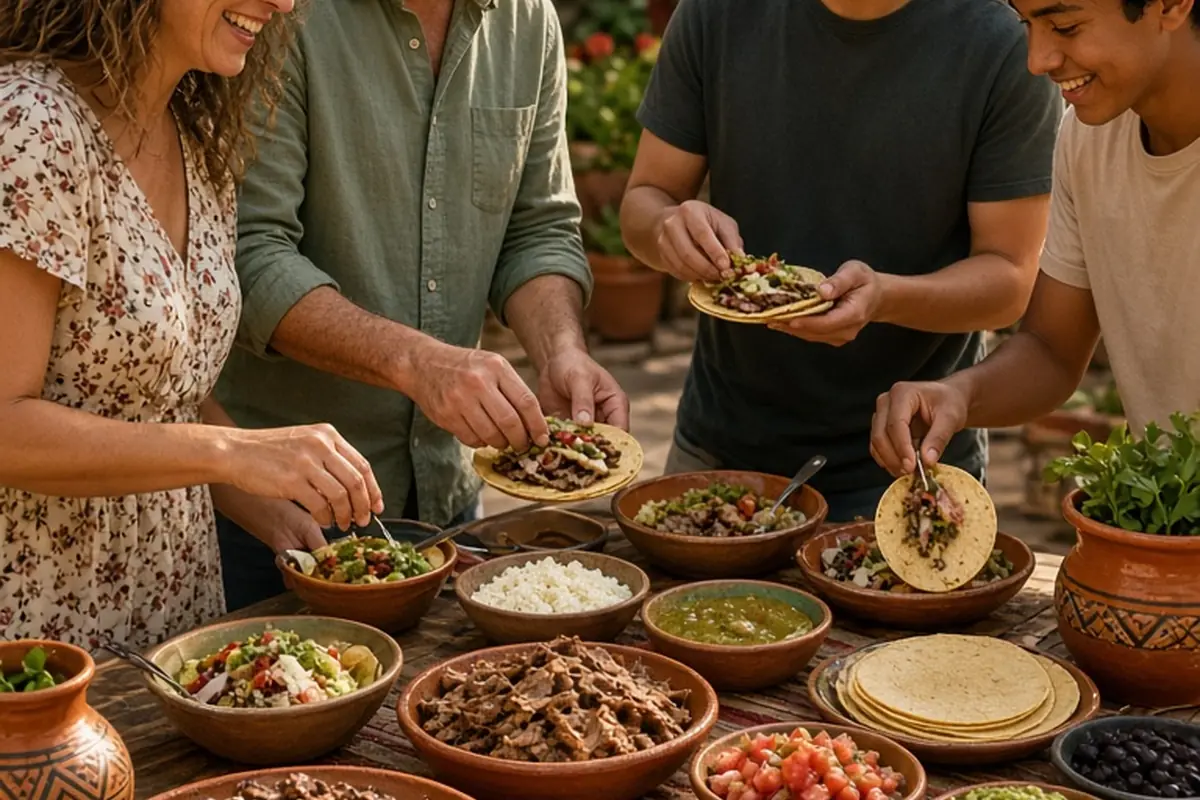
The best creative wedding rehearsal dinner themes contrast intentionally with the main wedding while reflecting your personal history, favorite foods, or shared memories. Popular approaches include regional barbecue cookouts, family-style Mediterranean feasts, interactive taco and street food stations, brewery taproom socials, and destination-inspired tasting menus. Choosing a distinctly different venue, dress code, and atmosphere keeps the evening intimate, minimizes stress for the wedding party, and gives guests a fresh experience before the formal ceremony.
A rehearsal dinner sets the emotional tone for the entire wedding weekend, serving as an intimate bridge between final preparations and the ceremony itself. While traditional dinners often mirrored the formal tone of the reception, modern couples increasingly use the night before to showcase a completely different side of their personality, culinary tastes, and hospitality style.
Selecting a Theme That Complements Rather Than Competes with the Wedding Day
The most effective rehearsal dinner themes establish a distinct atmosphere from the wedding reception. If your wedding is a black-tie ballroom affair with a multi-course plated dinner, an upscale or formal rehearsal can cause sensory fatigue for close family and the wedding party. In that scenario, a casual outdoor cookout, a lively pizza patio gathering, or a relaxed family-style meal offers a welcome change of pace and allows guests to unwind before the structured timeline of the wedding day.
Conversely, if you are planning a relaxed, rustic outdoor wedding or a beachside daytime celebration, hosting an intimate cocktail lounge evening or a refined private dining room dinner creates a lovely complementary experience. The goal is to avoid repeating the same floral arrangements, color palettes, music genres, and food courses across consecutive nights. Consider what elements you had to leave off your main wedding mood board due to budget or guest count constraints, and explore whether those ideas fit naturally into a smaller, rehearsal-sized gathering.
Guest comfort should remain the guiding principle when choosing your concept. Rehearsal dinners typically include individuals across multiple generations, from grandparents to young nieces and nephews. While an experiential theme like an arcade bar or a spicy crawfish boil can be memorable, ensure the venue has comfortable seating, manageable noise levels for conversation, and accessible dietary alternatives so every invited guest feels fully included.
Regional Cookouts, Barbecues, and Casual Outdoor Rehearsal Dinners
A regional barbecue or open-air cookout is an enduring favorite because it naturally encourages guests from both sides of the family to mingle without rigid formality. Whether you feature Texas brisket, Carolina pulled pork, a classic Midwestern burger cookout, or a Southern seafood boil, comfort food creates an approachable, celebratory environment. This theme works especially well in backyard settings, public park pavilions, state park lodges, or farm venues with expansive lawn space.
To elevate a cookout theme beyond a standard weekend barbecue, focus on thoughtful presentation and local specialty ingredients. Serve sides in rustic enamelware or miniature cast-iron skillets, set up signature sauce tasting flights with mild, tangy, and hot options, and provide elevated beverage pairings such as local craft ciders, chilled pilsners, and artisanal lemonades or iced teas. Incorporating simple lawn games like cornhole, bocce, or giant wooden tumbling blocks provides natural entertainment that bridges conversations between wedding attendants who may not know one another well.
Outdoor gatherings require practical weather contingency planning. Always secure an indoor room, covered pavilion, or sturdy marquee tent in case of sudden rain, excessive heat, or gusty winds. If hosting on grass, notify guests in advance on your rehearsal dinner invitations so they choose appropriate footwear, and provide practical amenities like insect repellent sprays, cozy lap blankets for brisk evenings, and shaded lounge seating for older attendees.
Family-Style Italian Trattoria and Mediterranean Feasts
Sharing food from communal platters creates instant warmth, making a rustic Italian or Mediterranean trattoria theme exceptionally well suited for bringing two families together. Long wooden banquet tables dressed with neutral linen runners, potted olive branches, terracotta accents, and clusters of pillar candles establish an inviting, timeless ambiance that feels both celebratory and intimate.
For the menu, center the meal around hearty, shareable courses that accommodate lingering conversation. Begin with antipasto boards featuring cured meats, marinated artichokes, burrata, warm focaccia, and seasoned olives, followed by platters of handmade pasta, wood-fired pizzas, roasted seasonal vegetables, and grilled meats. Finish the evening with miniature cannoli, fresh gelato stations, or tiramisu paired with espresso. This service style naturally prompts guests to pass dishes across the table, breaking down social barriers and sparking easy dinner conversation.
When planning a family-style meal, table dimensions are a critical logistical detail. Ensure your dining tables are wide enough to accommodate serving platters, individual place settings, glassware, and centerpieces without feeling cluttered. Coordinate with your caterer or restaurant venue to stagger course delivery so guests have plenty of room to eat comfortably, and clearly label any dishes prepared for guests with gluten sensitivities, dairy restrictions, or vegetarian preferences.
Taco Bars, Fiesta Nights, and Interactive Street Food Stations
Interactive dining formats allow guests to customize their meals according to their exact preferences and dietary needs, making a vibrant fiesta or street food theme both crowd-pleasing and efficient. A high-quality taco station, fajita bar, or gourmet street food cart brings energy, color, and dynamic flavors to the rehearsal dinner. You can decorate with terracotta pottery, colorful woven runners, paper luminarias, and vibrant floral arrangements featuring dahlias, marigolds, and citrus fruit accents.
Build a robust menu that moves beyond basic catering trays by offering distinct, authentic options. Include proteins such as slow-cooked carnitas, carne asada, citrus-marinated grilled fish, and seasoned black beans or roasted calabacitas for vegetarian guests. Pair these with a wide array of toppings, including fresh pico de gallo, roasted salsa verde, pickled red onions, cotija cheese, sliced radishes, and fresh guacamole. Complement the food with an interactive margarita and paloma station featuring fresh-squeezed juices and non-alcoholic aguas frescas like hibiscus or horchata.
The primary challenge with interactive food stations is guest flow and queuing. To avoid bottlenecks where guests spend long periods waiting in line, work with your caterer to set up double-sided buffet tables or multiple identical stations placed throughout the venue. Staggering table releases for food or serving passed appetizers during the first half hour ensures that guests remain engaged and comfortable throughout the meal.
Nostalgic Travel and Destination-Inspired Rehearsal Dinners
A destination-inspired theme offers a creative way to tell your relationship story by celebrating places that hold personal meaning for you as a couple. Whether you choose to highlight the city where you met, the region where you got engaged, your shared cultural heritages, or the location of your upcoming honeymoon, this theme allows for rich storytelling through curated food, beverages, and visual details.
Consider translating specific memories into the dinner experience. If you got engaged along the coast of Maine, a coastal clambake with lobster rolls, clam chowder, and blueberry pie creates an immersive evening. If you share a deep love for the Pacific Northwest, showcase regional salmon, wild mushrooms, local pinot noirs, and evergreen foliage. You can incorporate subtle personal touches, such as custom printed menus explaining why specific dishes were selected, table numbers named after meaningful travel destinations, or a curated soundtrack featuring music from those locations.
To keep a destination theme tasteful and cohesive, avoid overly literal or kitschy props. Focus on authentic regional flavors, high-quality ingredients, and sophisticated design elements that evoke the feeling of the place. Keep the overall narrative clear so guests understand the personal connection behind the theme, turning the rehearsal dinner into a meaningful prelude to your wedding vows.
Brewery Taproom Gatherings and Craft Cocktail Pairings
For couples seeking a modern, low-stress atmosphere, renting a private room at a local craft brewery, urban cidery, or cocktail lounge provides built-in character and an easygoing vibe. Industrial architecture, exposed brick, polished concrete floors, and barrel room backdrops require minimal additional decor, helping you maximize your planning time and budget. This setup works particularly well for groups that prefer casual mingling over assigned table seating.
Catering in a taproom setting can range from upscale passed sliders, soft pretzels with beer cheese, and gourmet flatbreads to contracted food trucks parked outside the venue. Offer tasting flights that allow guests to sample different beer styles or curated signature cocktails, alongside a robust selection of quality non-alcoholic options like craft sodas, kombucha, and sparkling water. If the venue allows, arrange a short, private cellar tour or a brief guided tasting led by a brewmaster or sommelier during the cocktail hour as a unique activity.
When hosting in a taproom or bar venue, ensure you account for acoustic considerations and seating availability. High ceilings and industrial surfaces can amplify noise, which makes heartfelt speeches and conversation difficult. Verify that the venue has designated soft seating, comfortable chairs for older family members who may not wish to stand at high-top tables, and a reliable microphone system for toasts.
Structuring the Rehearsal Dinner Timeline, Toasts, and Logistics
Regardless of the theme you select, a well-structured timeline prevents the rehearsal evening from running late and exhausting the wedding party before the ceremony day. Most rehearsal dinners last between two and three hours, typically beginning around 6:00 or 7:00 PM following the on-site ceremony run-through. Build in a thirty-minute buffer between the end of the ceremony rehearsal and the start of dinner to allow guests time to travel to the dining venue, check in, and find parking.
Speeches are often the emotional centerpiece of the rehearsal dinner. Unlike the wedding reception, which usually limits toasts to the maid of honor, best man, and hosts, the rehearsal dinner provides a welcoming forum for other close friends, siblings, and extended family members to speak. To keep the evening enjoyable and on schedule, designate an emcee to guide the toasts, inform speakers of a recommended two-to-three-minute timeframe in advance, and schedule speeches between dinner courses rather than holding an open microphone session at the end of the night.
Finally, conclude the evening with clear housekeeping announcements. Use the final minutes of the dinner to thank your hosts, express gratitude to the wedding party, and confirm morning arrival times, transportation arrangements, and hair-and-makeup schedules for the next day. Wrapping up the event by 9:30 or 10:00 PM ensures everyone gets adequate rest before the main wedding celebration.
Frequently asked questions
Who is traditionally invited to the wedding rehearsal dinner?
The guest list typically includes the couple, immediate family members, the wedding party and their significant others, and the officiant. Many couples also choose to invite out-of-town guests or close extended family as a polite welcome gesture, depending on the venue capacity and total hosting budget.
When should rehearsal dinner invitations be sent out?
Rehearsal dinner invitations are usually mailed four to six weeks before the event, either included as a separate insert inside the main wedding invitation suite or sent individually by the hosts. For destination weddings or holiday weekends, sending digital or paper invitations six to eight weeks in advance helps guests arrange their travel schedules.
Who traditionally pays for the rehearsal dinner?
Historically, the groom's parents hosted and paid for the rehearsal dinner, while the bride's parents covered wedding day costs. Today, hosting responsibilities vary widely; many couples pay for the rehearsal dinner themselves, both sets of families contribute jointly, or another family member offers to host the gathering.
Your next step
Review your wedding day schedule and style today, then choose a rehearsal dinner theme that provides a relaxing contrast and reserve your venue four to six months in advance.