To thrift a wedding-worthy outfit successfully, do start months early, check the couple's dress code, inspect seams, closures, and underarms in natural lighting, and factor in alteration and dry-cleaning expenses. Do not purchase delicate garments requiring major structural resizing, ignore set-in oil or sweat stains, overlook vintage sizing differences, or wear off-white shades that compete with the couple. Success relies on evaluating fiber content, structural integrity, and local tailoring feasibility before purchasing final-sale pieces.
Thrifting for formalwear turns secondhand shopping into a balance between high-end aesthetic potential and practical garment evaluation. Finding an ensemble that respects the hosts, aligns with the venue, and withstands hours of moving, sitting, and dining requires a disciplined eye rather than relying on luck alone.
Decoding Wedding Dress Codes Before Browsing Secondhand Racks
Before stepping into a thrift store or browsing an online resale platform, verify the precise dress code and venue parameters outlined by the couple. A formal evening reception at a metropolitan museum requires dramatically different textiles, cuts, and formality levels than an afternoon garden gathering or a coastal celebration. Secondhand inventories present an eclectic mix of decades, trends, and formalities hanging side by side on the same rack. Without a firm understanding of the required tier of attire, it is easy to mistake an everyday sundress for cocktail wear or a theatrical costume gown for black-tie elegance.
Establish non-negotiable boundaries regarding color and tone early in the search. Unless a couple specifically dictates an all-white or monochrome palette in their invitation, avoid white, ivory, cream, champagne, pale silver, and pastel blush tones that wash out to bridal shades in digital photographs. For semi-formal or cocktail invitations, seek out jewel tones, rich botanicals, deep neutrals, or tasteful patterns in structured cuts. For black-tie optional or black-tie events, prioritize floor-length hems, elevated midi cuts in luxurious textiles, dark suits, or classic tuxedos. Clarifying these rules preserves the celebration's tone and prevents buying an alluring secondhand piece that ultimately feels inappropriate for the venue.
Selecting Quality Textiles and Examining Structural Seams
Fabric composition determines whether a pre-owned garment looks intentionally refined or visibly dated under wedding lighting. Synthetic fast-fashion fibers such as cheap polyester, unlined acrylic, and thin nylon jersey often display surface pilling, static cling, and shiny heat damage from past ironing. In contrast, higher-end natural or blended textiles—such as silk crepe, linen-silk blends, heavy wool crepes, rayon viscose, structured jacquard, and mid-to-weight velvet—drape elegantly and hold their form through hours of celebration. Scan the interior care tag first; if the tag is missing, rub the fabric gently between your fingers to evaluate its density, weight, and recovery.
Beyond fiber content, conduct a rigorous structural inspection of all stress points. Examine the underarms, crotch seams, waistbands, and neckline for signs of thread degradation, fraying, or seam slippage, which occurs when fabric weaves pull away under tension. Check the interior lining to confirm it hangs smoothly without pulling, bunching, or sagging below the hem. A fully lined dress, blazer, or pair of trousers not only drapes better over the body, but it also minimizes clinging and provides an extra layer of structural stability that prevents seams from straining during movement.
Distinguishing Fixable Flaws from Irreversible Garment Damage
Thrift and consignment shopping demands a realistic understanding of what a professional tailor or dry cleaner can realistically restore. Missing buttons, fallen hems, slightly sticky metal zippers, and loose shoulder straps are routine, affordable fixes for any local alterations shop. Similarly, loose hooks, minor waistband adjustments, and slight hem shortening require minimal labor and modest budgets. If an otherwise exceptional piece simply requires basic mending or standard professional pressing, it remains an excellent candidate for a wedding ensemble.
Conversely, certain types of damage are permanent deal-breakers that should prompt you to leave the item on the rack. Avoid garments with noticeable underarm discoloration, set-in oil or grease marks, water-stain rings on delicate silks, or pervasive chemical or mildew odors. Protein-based stains and old perspiration can permanently degrade fabric dye and fibers, leaving rings that modern solvents cannot lift without bleaching the textile. Additionally, inspect woven fabrics for tiny, scattered moth holes or localized fabric thinning, particularly on wool, cashmere, and fine silks. Once a structural yarn is severed, invisible reweaving is costly and rarely justifies the investment on standard secondhand finds.
Navigating Vintage Sizing and Alteration Allowances on Formal Wear
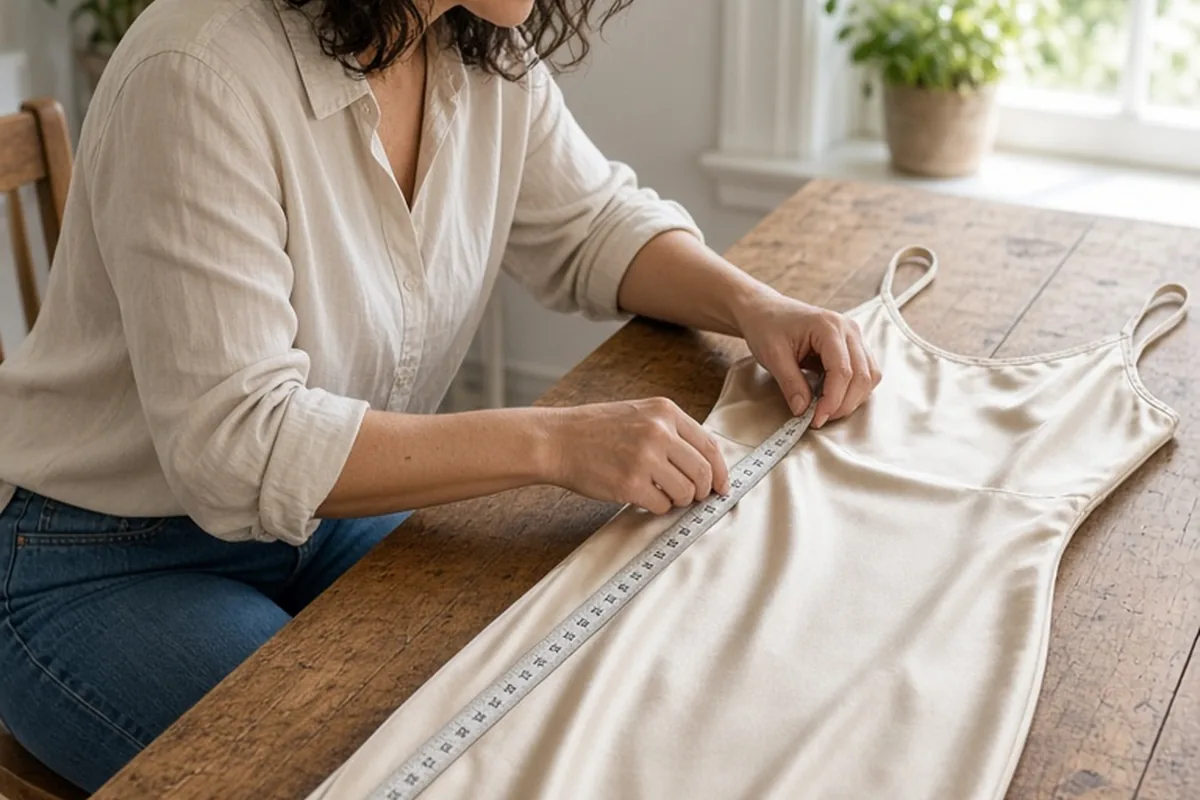
Standardized garment sizing has shifted significantly across decades, meaning a vintage size 12 from the 1970s or 1980s may fit similarly to a modern contemporary size 6 or 8. Never rely on the numerical size tag inside a secondhand piece. Instead, carry a soft measuring tape and know your actual bust, waist, hip, inseam, and shoulder measurements in inches. Lay the garment flat to measure across key points, remembering to double horizontal measurements and account for ease of movement. An item that matches your exact body measurements without extra ease will feel restrictive when sitting, dancing, or eating during a long reception.
When purchasing a piece that requires tailoring, evaluate whether the garment offers sufficient seam allowance to accommodate modifications. Taking a garment in by one or two sizes is generally straightforward if the original bust darts, pocket placements, and shoulder seams do not require full deconstruction. Taking a garment out, however, depends entirely on internal seam allowances. Turn the garment inside out to confirm whether previous owners trimmed the internal allowances or if at least half an inch of usable fabric remains enclosed in the side seams. If a piece fits poorly across the shoulders or neck, pass on it; restructuring a tailored armscye or collar often costs more than the outfit itself.
Sourcing Cohesive Shoes, Bags, and Outerwear Secondhand
A cohesive wedding ensemble extends beyond the central dress or suit; footwear, evening bags, and outer layers define the final formality level. Consignment shops and charity boutiques are exceptional sources for high-end leather accessories, vintage brass clutch bags, beaded evening pouches, and structured wool coats. When examining secondhand footwear, turn the shoes upside down to check sole wear, heel taps, and structural rigidity. Bend the sole gently to test for dry rot or deteriorating adhesives, particularly on vintage pumps that have spent years stored in temperature-fluctuating attics or basements.
To elevate a secondhand base garment, incorporate accessories with contrasting textures and deliberate metallic finishes. A minimalist vintage silk slip dress gains refined polish when paired with a tailored vintage wool blazer or a structured brocade wrap. When buying evening bags, open every compartment to inspect the lining for deteriorating synthetic backings, ink marks, or residual fragrance that could transfer to other items. Polishing thrifted leather shoes, replacing worn plastic heel caps with durable rubber lifts, and conditioning vintage metal hardware transforms collected secondhand components into an intentional, unified presentation.
Planning Timelines, Hidden Costs, and Final Resale Preparations
Thrifting a formal outfit requires significantly more preparation time than purchasing off-the-rack garments from traditional department stores. Successful secondhand curation involves browsing multiple physical shops or tracking digital resale alerts over several weeks, followed by adequate time for tailoring and professional cleaning. Aim to finalize your core ensemble at least six to eight weeks prior to the wedding date. Tailors frequently operate with two- to three-week turnaround windows during peak wedding and prom seasons, and complex alterations may require secondary fittings before the drape is complete.
Calculate the total financial outlay by combining the thrift purchase price with necessary ancillary services. A twenty-dollar vintage cocktail dress can easily accumulate thirty dollars in specialized dry cleaning, forty dollars in hem adjustments, and fifteen dollars in replacement closures, bringing the true investment closer to one hundred dollars. While this total often remains well below the cost of brand-new luxury formalwear, accounting for these steps prevents budget surprises. Always ask your dry cleaner to assess delicate vintage buttons or beads before treating the garment, ensuring protective coverings are applied so the piece survives processing intact.
Illustrative Scenarios
Restoring an Unlined Vintage Silk Column Dress
An attendee found a 1990s heavyweight silk crepe column dress at an estate shop for an upcoming black-tie optional wedding. While the exterior fabric was in pristine condition, the dress lacked internal lining, hung slightly unevenly at the hem, and featured an uncomfortably snug waist seam. Before finalizing the non-refundable purchase, the shopper inspected the internal side seams, confirming a full three-quarters of an inch of untrimmed seam allowance on both sides. A local seamstress let out the waist by one inch, leveled the hemline, and pressed the seams flat, producing a custom-draped evening gown ready for the reception.
Key point: Checking interior seam allowances and prioritizing high-grade raw textiles provides the workable foundation needed for alterations to succeed within a modest timeline.
Frequently asked questions
Can I wear a vintage hat, fascinator, or gloves to a modern wedding?
You can incorporate period accessories if the couple's dress code explicitly calls for dramatic formalwear, daytime garden semi-formal attire, or themed celebration styles. Verify that the accessories complement rather than overwhelm your overall outfit, and ensure they do not obstruct the view of seated guests during the ceremony.
How do I remove musty storage smells from secondhand formal garments?
Hang the garment in a well-ventilated, shaded area with good airflow, or place it in a room with a gentle air purifier. For non-washable silks, wools, and structured suits, take the piece directly to an experienced dry cleaner rather than spraying commercial scented mists, which can trap odors or leave water rings on delicate textiles.
Is it rude to thrift an outfit if the couple requests a black-tie dress code?
It is completely acceptable to thrift for black-tie events as long as the garment meets the genuine formality standards of the dress code. Focus on true floor-length gowns, luxury fabrics like silk or velvet, or classic dinner suits and tuxedos, ensuring the pieces are immaculately tailored, pressed, and flaw-free.
What should I do if a thrifted dress fits everywhere except the zipper?
First, inspect the zipper track to see if old wax, loose threads, or bent metal teeth are catching the slider. If the fabric simply does not meet cleanly at the back, bring it to a tailor to check if let-out allowances exist; if not, forcing the zipper risks tearing the fabric during the event.
Your next step
Take your current bust, waist, and hip measurements using a soft measuring tape, note them in your phone, and map out two local consignment shops or reputable resale filters to review this week.