A dry wedding is a wedding celebration where no alcoholic beverages are served. Navigating one successfully—whether hosting or attending—comes down to clear upfront communication, an intentional beverage menu that goes beyond plain water and soda, engaging entertainment, and setting realistic expectations. Stating the alcohol-free nature on wedding invitations or detail cards prevents confusion, while purposeful timeline pacing keeps guest energy high and celebrations warm from the ceremony through the final send-off.
Couples choose alcohol-free weddings for a wide range of meaningful reasons, including personal recovery, religious or cultural traditions, personal wellness values, or budget priorities. Whatever the underlying motivation, organizing or attending a dry wedding simply requires thoughtful preparation and open communication to ensure the day feels celebratory, comfortable, and memorable for everyone involved.
Setting Clear Expectations on the Invitation and Wedding Website
Clarity is the single most effective tool for preventing awkward moments on the wedding day. While hosts are under no obligation to justify their personal choices, letting guests know in advance that the event is alcohol-free helps attendees plan their transportation, childcare, and general mindset. Ambiguity often leads to guests assuming a standard open bar, which can cause surprise or frustration upon arrival if they were expecting something different.
Include a polite, straightforward note on your wedding website FAQ page and the reception details insert card. A simple sentence such as 'Please join us for an alcohol-free evening of dinner, dessert, and dancing' or 'We look forward to celebrating with you at our dry reception' sets the tone without sounding defensive or overly formal. Avoid lengthy explanations or apologetic phrasing, as an apology can unintentionally frame the decision as an inconvenience rather than a deliberate celebration style.
For guests receiving the invitation, taking this note at face value is essential. It is not an invitation to inquire whether you can bring your own alcohol, nor is it an opening to debate the couple's preferences. Understanding the schedule and environment ahead of time allows you to arrange your day comfortably, whether that means coordinating rides or simply arriving ready to engage with the planned festivities.
Designing an Elevated Alcohol-Free Beverage Program
A common pitfall of alcohol-free events is reducing the beverage service to tap water, mass-market sodas, and standard drip coffee. Guests appreciate hospitality, and an intentional drink menu makes attendees feel considered and cared for throughout the evening. Replacing standard bar options with complex, well-crafted alternatives provides a celebratory focal point during the cocktail hour and dinner.
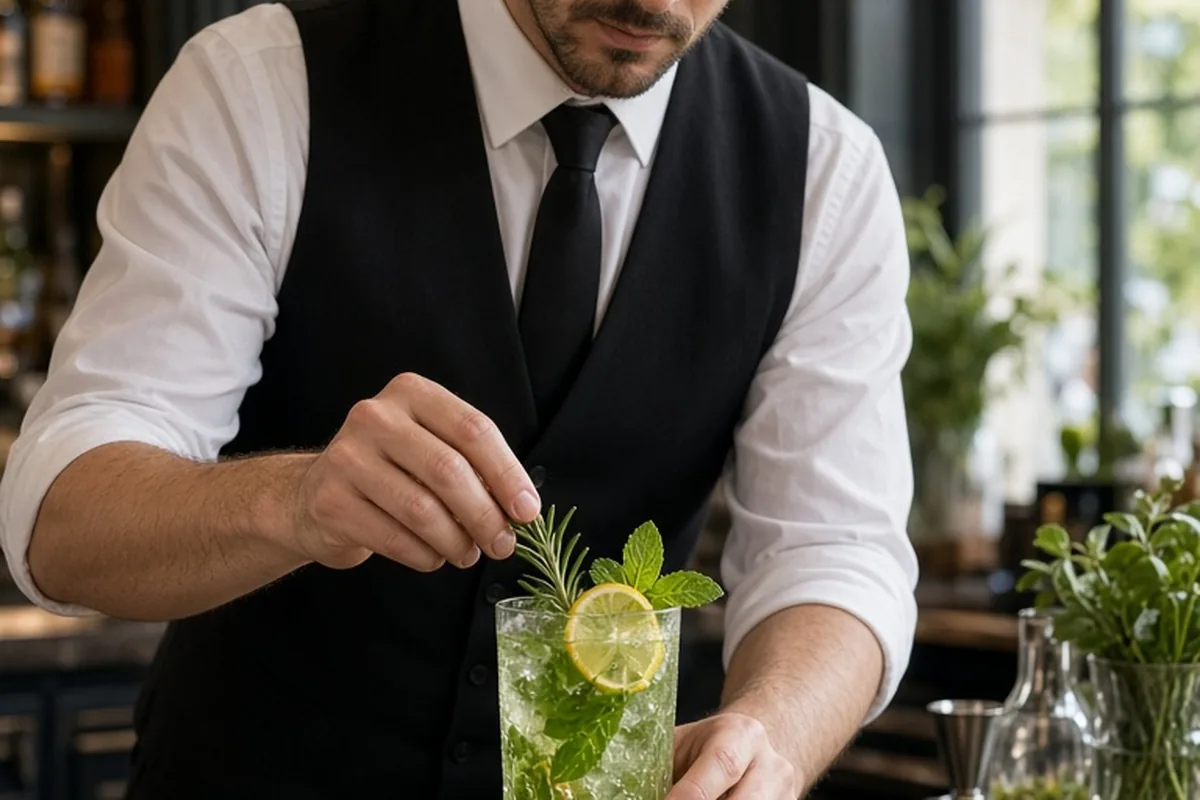
Consider hiring a professional bartending service that specializes in zero-proof mixology. Drinks built with botanical distillates, house-made syrups, fresh citrus, fresh herbs like rosemary or basil, and sparkling tonics offer flavor complexity and visual appeal comparable to traditional cocktails. Providing two or three signature zero-proof drinks gives guests a sense of novelty and occasion. Serving these beverages in premium glassware with thoughtful garnishes signals that the alcohol-free menu is an intentional luxury rather than an afterthought.
Beyond cold mocktails, interactive beverage stations can elevate the experience. A pour-over coffee bar with flavored syrups, an espresso cart with skilled baristas, a selection of loose-leaf iced and hot teas, or a seasonal cider station during autumn receptions provide warmth and variety. Having distinct beverage offerings for different phases of the day—such as a refreshing sparkling spritz post-ceremony followed by artisanal coffee alongside cake—keeps the drink experience engaging.
Pacing the Reception Timeline to Maintain Natural Momentum
At traditional weddings, an open bar frequently masks dead time in the schedule. When alcohol is not served, guests tend to eat, converse, and transition between events at a quicker pace. Structuring the timeline with tighter transitions prevents energy drops and keeps guests from feeling restless during extended gaps between formalities.
Keep the post-ceremony cocktail hour to a crisp forty-five to sixty minutes. If couple portraits require more time, provide light passed appetizers and interactive elements immediately so guests remain engaged. Similarly, transition from dinner into speeches and special dances promptly once the main course is cleared. Extended lulls where guests sit at empty tables without clear direction can cause the room to feel sluggish.
Evaluate the overall duration of the reception. While standard evening receptions often run five to six hours, many successful dry weddings thrive within a four-hour window, or take the form of an elevated daytime brunch or afternoon garden party. Aligning the length of the event with natural social rhythms ensures the gathering ends on a high note while the room is still lively and full.
Planning Interactive Entertainment Beyond the Standard Dance Floor
While many guests love to dance regardless of whether alcohol is served, others rely on a drink to overcome social hesitation. Relying solely on a loud dance floor to carry four hours of entertainment can leave some attendees feeling disconnected. Introducing diverse, layered activities allows guests to connect in ways that feel natural and pressure-free.
Work with your DJ or live band to curate a dynamic, multi-genre setlist that encourages participation without feeling forced. Professional wedding entertainers who know how to read a room can introduce group-friendly dances, live musical showcases, or engaging emcee moments that naturally draw people together. Communicate with your entertainer in advance about the dry format so they can adjust their pacing and crowd interaction accordingly.
Incorporate alternative social spaces throughout the venue. Outdoor lawn games such as cornhole, giant tumbling blocks, or bocce ball work wonderfully for outdoor or tented settings. For indoor spaces, consider interactive photobooths, a personalized trivia station about the couple, an acoustic lounge corner, or a dessert tasting bar. Providing distinct zones gives guests opportunities to mingle, talk, and celebrate without feeling pressured to remain in one spot.
Handling Family Inquiries, Pushback, and Guest Etiquette
Couples may occasionally encounter questions or unsolicited opinions from family members or friends who are accustomed to traditional receptions. Addressing these inquiries with calm, concise boundaries keeps conversations productive and prevents unnecessary friction in the lead-up to the event.
When close relatives express concern about guest satisfaction, emphasize the positive elements of your plan. You can explain that you have curated an exceptional menu, high-end non-alcoholic drinks, and great entertainment, and that you are excited to celebrate meaningfully with the people who matter most. You do not need to debate your choice or disclose private medical, financial, or personal details to validate your event structure.
For guests, respecting the hosts' boundaries is fundamental wedding etiquette. Bringing outside alcohol, keeping a flask in a jacket pocket, or tailgating in the venue parking lot is disrespectful to the couple and can violate venue contracts or licensing policies. If an alcohol-free environment presents a personal challenge for an invited guest, declining the invitation politely on the RSVP card is far better than attending while disregarding the hosts' clear wishes.
Managing Venue Minimums and Shifting Your Reception Budget
Choosing an alcohol-free wedding often alters the financial structure of the event, but couples must review venue contracts carefully. Many traditional wedding venues and caterers enforce food and beverage spending minimums that assume standard bar packages. Failing to clarify these terms early in the planning process can lead to unexpected contractual hurdles.
When touring venues or negotiating catering contracts, ask specifically how non-alcoholic events are billed. Inquire whether beverage minimums can be satisfied through upgraded multi-course meal selections, late-night snack stations, dessert displays, or specialized barista services. Some venues allow couples to repurpose bar fees toward enhanced decor, floral installations, or upgraded table settings.
The funds saved from foregoing expensive liquor packages can be reallocated directly into improving the overall guest experience. Investing in live musicians, higher-tier culinary menus, comfortable lounge furniture rentals, or personalized guest favors adds visible value to the day, ensuring guests leave talking about the warmth and quality of the celebration.
Guest Guide: Enjoying the Celebration and Supporting the Hosts
Attending a dry wedding as a guest offers a refreshing opportunity to focus entirely on connection, conversation, and celebrating the couple. Entering the event with an open, supportive mindset sets the stage for an enjoyable experience from the ceremony through the send-off.
Take advantage of the social environment by engaging in genuine conversations with fellow guests. Without the background noise of crowded bar lines, receptions often foster deeper, more memorable interactions among family and friends. Sample the specialty beverages, participate in the activities provided by the couple, and step onto the dance floor when the music starts.
Be intentional about your energy throughout the night. If you typically rely on social lubricants in large crowds, focus on connecting with small groups, enjoying the food, and actively participating in key moments like toasts, cake cutting, and group photos. Your presence, enthusiasm, and warm wishes are the most meaningful contributions you can offer the newlyweds.
Frequently asked questions
Is it rude to host an alcohol-free wedding reception?
No, it is not rude to host an alcohol-free wedding. Couples have complete discretion over how they celebrate their marriage, provided they clearly communicate the format to guests in advance and offer quality food and non-alcoholic hospitality.
How should we word an alcohol-free reception on our wedding website?
Keep the wording simple, warm, and direct. A clear sentence like 'We invite you to celebrate with us at an alcohol-free reception featuring dinner, specialty mocktails, and dancing' provides the necessary information without sounding defensive.
Can guests bring their own alcohol to a dry wedding?
No, guests should never bring personal alcohol or flasks to an alcohol-free wedding. Doing so disregards the hosts' clear boundaries and may violate venue policies, insurance terms, or rental contracts.
How long should a dry wedding reception typically last?
Most dry receptions thrive within a three to four-hour timeframe. Because events move at a slightly faster pace without long bar lines, a well-paced four-hour reception maintains high energy from the meal through the farewell.
Your next step
Draft a clear, one-sentence alcohol-free note for your wedding website and schedule a call with your caterer or mixologist to finalize a creative zero-proof beverage menu.