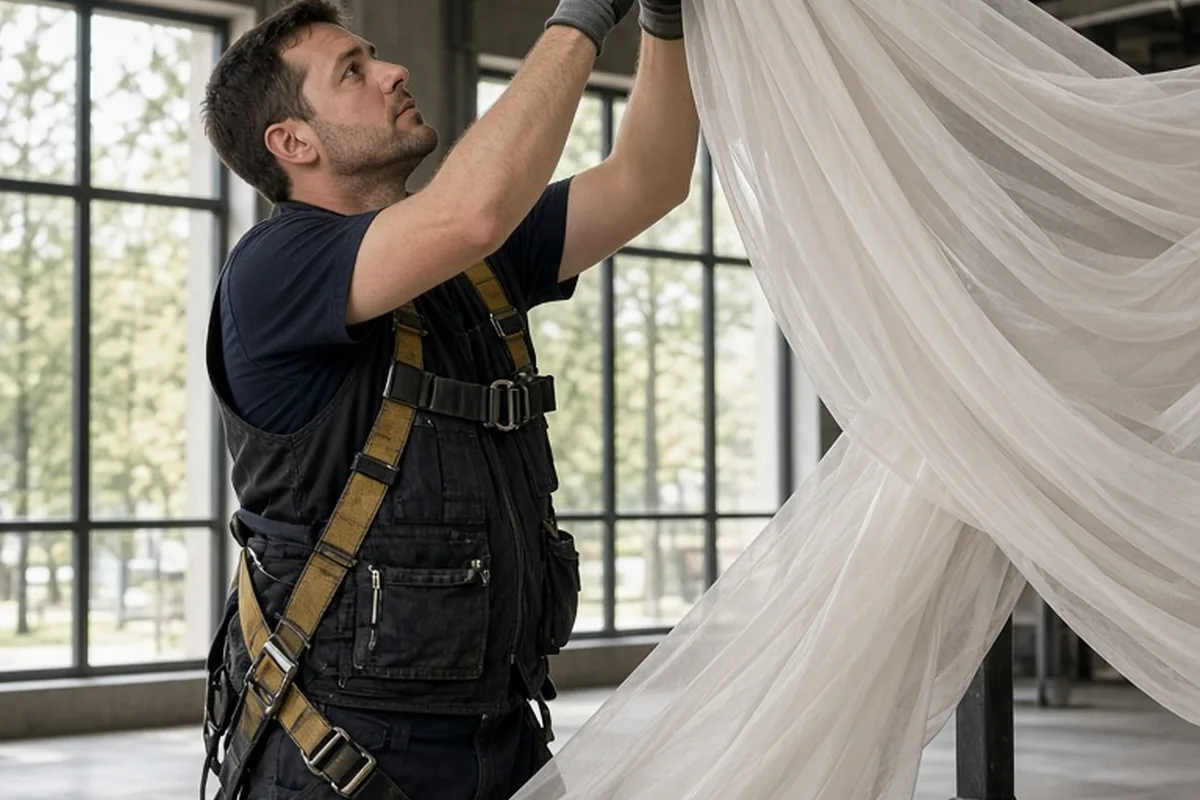
A wedding canopy elevates your ceremony or reception by creating an intimate focal point, framing key moments, and defining open spaces. Popular approaches include sheer chiffon drapery for romantic softness, lush floral-and-greenery arches for organic texture, rustic timber pergolas, and illuminated fairy-light ceilings for evening receptions. Choosing the right canopy requires balancing venue dimensions, structural anchoring, fabric weight, weather resistance, and professional rigging protocols to ensure both visual impact and structural stability throughout your celebration.
Whether you are exchanging vows in a sprawling open field, inside a historic loft with soaring ceilings, or under a traditional ballroom chandelier, an overhead structure transforms the atmosphere of your event. A well-designed canopy draws the eye upward, softens architectural lines, and establishes an intimate environment within large or boundaryless event spaces.
Selecting Canopy Styles Based on Ceremony and Reception Architecture
The architectural style of your venue serves as the primary canvas when deciding on a canopy design. In high-ceilinged industrial venues or modern warehouses, expansive fabric swags soften exposed brick, steel beams, and concrete floors. A four-post chuppah, mandap, or geometric arbor creates an intentional room-within-a-room effect, keeping the ceremony focused and visually contained rather than swallowed by vast square footage. For outdoor lawn settings with no overhead boundaries, open-frame timber or metal structures anchor the altar, giving the wedding party a deliberate backdrop that frames photography without obscuring surrounding natural views.
Reception canopies follow a different spatial logic, as they must accommodate guest movement, seated dining, and service staff. For tented receptions, ceiling installations such as gathered center-pole swags, starburst fabric radial patterns, or suspended floral ladders pull the visual weight toward the center of the room. In open-air courtyards, string-light canopies hung in parallel or zig-zag patterns simulate a luminous ceiling without requiring heavy solid framing. When choosing between a minimalist frame, an asymmetric single-side draped arch, or a fully enclosed four-corner structure, evaluate whether your priority is framing an intimate exchange of vows, defining the head table, or covering the entire dance floor.
Drapery Fabric Selection: Comparing Chiffon, Voile, Velvet, and Organza
The choice of fabric dictates how light interacts with your canopy and how the material behaves under different environmental conditions. Sheer chiffon remains one of the most versatile choices for wedding canopies due to its soft, matte texture, semi-opaque light diffusion, and fluid draping quality. It catches gentle breezes without ballooning aggressively and creates a delicate, romantic aesthetic when gathered loosely at corner posts. Voile offers a slightly stiffer, more structured drape with a crisp finish, making it ideal for clean, modern pleats and wide ceiling swags that require consistent tension across long spans.
For cooler weather, formal evening receptions, or vintage-inspired settings, heavier textiles like velvet or dense poly-linen bring rich depth, substantial opacity, and dramatic acoustic dampening to echo-prone halls. Velvet creates luxurious pooled folds at the base of support posts, though its substantial weight requires reinforced rigging hardware. Organza, by contrast, provides a subtle iridescence and structured hold, though its stiffness can make it prone to creasing and sharp creases if not steamed properly during setup. Always confirm that any fabric hung in an indoor venue carries a certified flame-retardant rating compliant with local fire safety codes, as commercial event spaces routinely inspect overhead installations.
Floral and Botanical Integration for Overhead Canopy Structures
Integrating fresh greenery and blooms into a canopy requires balancing aesthetic density with mechanical support and hydration needs. A solid floral canopy composed entirely of garden roses, hydrangeas, and trailing foliage delivers dramatic visual richness, but it also carries significant weight and requires foam cages, water tubes, or chicken-wire armatures securely wired to the framing. For a lighter, more organic look, florists often construct foliage-forward boughs using hardy branches like smilax, ruscus, salal, or eucalyptus that can tolerate hours out of water without visible wilting.
When planning floral placement, consider sightlines from all guest angles. A heavy front header on a ceremony arch may look full from the main aisle, but side-seated guests might see bare mechanics or structural zip ties if blooms are not feathered around the edges and rear posts. For reception dining tables, suspended floral planks or inverted botanical gardens hung from ceiling beams should clear tabletop centerpieces and eye levels by at least four to five feet so conversation and seated views remain completely unobstructed. Ensure that all organic materials are free from sticky sap, pollen stains, or excessive moisture that could drip onto seating or formal attire below.
Lighting Designs to Transform Wedding Canopies from Day to Night
Lighting transforms a structural canopy from a daytime ceremony focal point into an ambient evening installation. Warm white fairy lights woven beneath translucent fabrics like voile or chiffon create a soft, glowing twilight effect that disperses light evenly across the space. When installing fairy lights or micro-LED curtains, opt for warm color temperatures in the range of 2700K to 3000K, which flatter skin tones in photography and complement candlelit table arrangements rather than casting cool, clinical blue undertones.
For rustic, bohemian, or alfresco reception settings, Edison-bulb string lights or suspended geometric pendant lanterns add architectural character and direct functional illumination over dining tables and lounge areas. Installing dedicated pin spots or dimmable accent uplights at the base of canopy support posts highlights drapery pleats and floral textures without washing out the room. Always plan power distribution early in the design process: determine the total wattage draw, locate venue circuit breaker access, and use heavy-duty extension cords routed and taped securely away from high-traffic footpaths to prevent power interruptions and trip hazards.
Structural Integrity, Rigging Protocols, and Outdoor Weather Defense
Safety is the most critical component of any overhead canopy installation, particularly for freestanding outdoor structures. A breeze can turn large panels of fabric into sails, generating substantial lateral force capable of toppling an unanchored arch or pergola. Heavy cast-iron baseplates, rated steel ballast weights, or sandbags hidden beneath decorative wooden planter boxes, floral skirting, or fabric pooling are essential for preventing tip-overs on hard surfaces like stone terraces or concrete patios. On grass or turf, commercial-grade ground stakes driven deep into the soil provide the most secure anchoring.
Indoor rigging from ceiling trusses, exposed ductwork, or drop ceilings demands strict adherence to venue weight restrictions and building policies. Many commercial venues mandate that overhead suspensions use rated aircraft cables, steel carabiners, and certified rigging clamps rather than nylon rope or plastic adhesive hooks. Never attach structural overhead weights to fire sprinkler pipes, HVAC grates, or suspended ceiling tracks. Collaborating with an experienced event production company or floral designer who carries comprehensive general liability insurance ensures that every connection point meets safety tolerances.
Budget Allocation and Rental Coordination for Overhead Installations
The overall cost of a wedding canopy spans several distinct line items: structural hardware rentals, fabric purchasing or leasing, fresh botanical material, mechanical installation hardware, and skilled labor for both setup and post-event teardown. Freestanding arbors and simple fabric draping generally sit at the lower end of the labor spectrum, as they can often be assembled in two to three hours by a small floral or rental team. Complex suspended ceilings, full-coverage fabric canopies, or heavy floral chandeliers require extended access windows, specialized ladder or scissor-lift equipment, and dedicated rigging technicians.
To maximize your decorative investment, explore ways to repurpose ceremony canopy elements during the reception. A four-post ceremony chuppah or arbor can be positioned to frame a sweetheart table, serve as a photobooth backdrop, or encircle the wedding cake display later in the evening. If you are working within a strict budget, prioritize high-impact placement over total venue coverage: a meticulously styled canopy over the dance floor or main altar makes a stronger visual statement in photographs than sparse, thin draping spread thinly across an entire ceiling.
Venue Dimension Calculations and Placement Logistics
Accurate spatial planning ensures your canopy looks proportional to the room rather than overcrowded or lost in space. When framing a ceremony space, the canopy should comfortably accommodate the couple, the officiant, and any honor attendants while leaving at least three to four feet of clear buffer space on either side for photographer movement. Standard ceremony arbor heights generally range between 7.5 and 9 feet; structures lower than seven feet can feel cramped and cast awkward shadows, while structures exceeding ten feet require substantial floral volume to avoid looking barren.
Verify your venue's loading dock access, elevator dimensions, and setup time windows before finalizing custom builds. If your canopy relies on prefabricated timber beams, welded metal arches, or large ceiling trusses, confirm that the components can pass through standard doorways and stairwells. Review the venue floor plan with your design team to ensure that vertical support posts do not obstruct the primary aisle, emergency exit pathways, or sightlines for seated family members and guests.
Frequently asked questions
How do you keep outdoor canopy drapery from blowing around in the wind?
Secure the top corners firmly with zip ties or heavy-duty rigging clamps, and anchor the lower portions using hidden fabric weights or decorative tiebacks fastened to the vertical posts. Allowing generous fabric pooling at the base weighted down with clean stone pavers or baseplates keeps the material stable during gusty conditions.
Can I install a DIY wedding canopy safely without professional equipment?
Simple, freestanding ground-level arches using sturdy commercial bases can be assembled DIY if you have adequate setup time and reliable ground weights. However, any suspended overhead rigging hung from ceilings, trusses, or high beams should be handled by insured professional riggers to ensure structural safety and code compliance.
What is the best fabric to use for a romantic, semi-sheer wedding canopy?
Poly-chiffon and sheer voile are the top choices because they drape fluidly, resist heavy wrinkling, and diffuse natural and artificial light beautifully. Always ensure the material is certified flame-retardant if your wedding takes place inside a commercial venue.
How many hours does it typically take to set up an elaborate floral canopy?
Setup time varies widely depending on structure complexity, but a fully decorated floral canopy usually requires three to five hours of on-site labor by an experienced floral team. Complex suspended ceiling installations or custom builds may require an entire morning or prior-day venue access.
Your next step
Request your venue's structural rigging guidelines and floor plan dimensions today, then consult with your floral designer or rental specialist to select an anchoring method suited to the space.