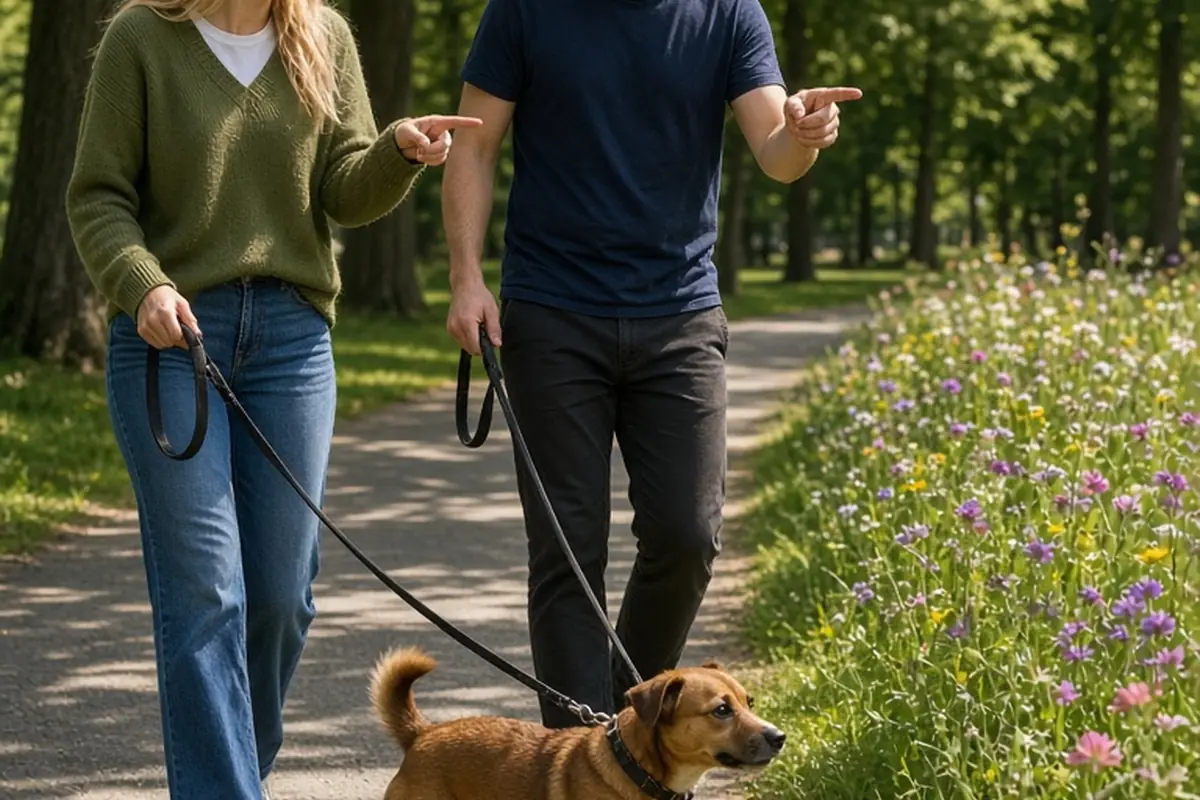
To capture an authentic engagement photo that reflects your real bond, focus on shared activities and familiar environments rather than rigid, traditional poses. Choosing a meaningful setting—such as cooking together at home, revisiting the spot where you first met, walking your dog through a favorite neighborhood park, or pursuing a favorite mutual hobby—encourages spontaneous interaction. This natural movement lets your photographer capture candid expressions, unforced intimacy, and personal dynamics that feel true to your relationship.
Planning engagement photos often brings pressure to match stylized social media trends, but the most timeless images reflect how you actually interact when nobody is watching. Shifting the focus from stiff staging to genuine connection creates a gallery that looks and feels like you.
Documenting Everyday Routines in Your First Shared Home
In-home engagement sessions offer an unmatched level of comfort and intimacy because they strip away the performance pressure of public settings. When you are on your own couch or standing in your own kitchen, your body language naturally relaxes. These sessions allow you to document the quiet, unscripted rituals that define your day-to-day life together, such as brewing morning coffee barefoot, lounging with a record playing on the turntable, or preparing a simple meal side by side at the kitchen island.
To make an in-home shoot visually dynamic, you do not need a picture-perfect showroom. Instead, identify two or three areas in your home that receive ample natural window light during the morning or late afternoon. Clear away distracting visual clutter, like charging cables, piles of mail, or branded packaging on countertops, while preserving the personal touches that make the space yours, such as framed art, house plants, and well-loved books. Incorporating pets naturally into these spaces adds warmth and spontaneous moments of laughter.
Wardrobe for an at-home session should lean into relaxed elegance. Neutral loungewear, textured knit sweaters, linen shirts, or soft denim work exceptionally well against domestic backdrops. Bare feet or comfortable house socks keep the aesthetic casual and authentic. Because indoor lighting can shift quickly, work with your photographer to schedule the shoot around the brightest window of daylight in your primary living areas.
Revisiting Meaningful Landmarks and First-Date Locations
Centering your session around places tied to your relationship history infuses every frame with genuine nostalgia and emotional context. Returning to the neighborhood coffee shop where you had your first conversation, the park bench where you decided to move in together, or the local indie cinema you visit every anniversary provides an organic narrative backdrop. Being in a space filled with personal memories helps trigger natural smiles and unprompted storytelling.
When planning photos at commercial or semi-private venues, logistics require advance preparation. Always contact the venue manager or small business owner several weeks before your intended shoot date to ask permission and clarify their photography policies. Some venues may request a small fee or prefer that you visit during non-peak operating hours, such as early weekday mornings, so regular customers are not disturbed.
Once on site, support the business by purchasing coffee, pastries, or a round of drinks. Your photographer can use the architectural lines, ambient cafe lighting, and street views to frame you interacting naturally across a small table. Having a physical task—like sipping an espresso or browsing through a rack of vintage books—keeps your hands occupied and prevents poses from looking rigid.
Action-Oriented Engagement Photography for Active Couples
If the idea of standing still and gazing directly into a camera lens feels unnatural, building your photo session around a physical activity creates organic opportunities for movement. Whether you love trail running, tandem kayaking on a quiet lake, cruising on vintage bicycles, or exploring a local farmers market, shared motion channels nervous energy into genuine connection. The camera captures fleeting, lively interactions that static portraits simply cannot replicate.
The key to successful active photography is balancing natural motion with realistic camera pacing. Fast-moving sports need to be adapted so your photographer can track focus and frame the composition cleanly. For example, instead of paddling at full speed, glide at a relaxed cadence along the shoreline while conversing. If you are hiking, choose a trail with accessible overlooks that allow you to pause, catch your breath, and take in the panoramic view together.
Safety and comfort should dictate your venue and wardrobe choices. Wear supportive, broken-in footwear appropriate for the terrain, and bring a small backpack with water, touch-up essentials, and weather layers. Many couples choose to spend the first half of the shoot in their functional outdoor attire before changing into a more polished outfit for golden-hour portraits at the summit or trailhead.
Golden Hour and Blue Hour Lighting for Warm Romantic Portraits
Lighting fundamentally shapes the emotional mood of an image, and no natural light is more flattering than the window just before sunset (golden hour) and immediately following it (blue hour). Golden hour provides a soft, directional amber glow that minimizes harsh facial shadows, adds depth to hair and clothing textures, and produces romantic natural backlight halos. Blue hour introduces cool, cinematic indigo tones that contrast beautifully with warm skin tones and ambient city lights.
To maximize golden hour, select locations with open horizons or high vantage points, such as coastal headlands, hilltop meadows, open desert landscapes, or elevated urban rooftops. Arrive at the location at least 45 minutes before the technical golden hour window begins. This buffer allows you to settle into the environment, warm up to the camera, and take advantage of the transition from late afternoon brightness into rich, warm evening tones.
Timing is precise during these sessions because the sun drops quickly once it approaches the horizon. Sunrise sessions present an equally stunning golden hour with the distinct advantage of nearly empty public parks and beaches. If you and your partner are morning people, a sunrise shoot provides crisp air, quiet streets, and completely uninterrupted scenery.
Integrating Meaningful Props and Hobbies Without Looking Staged
Props can enhance your engagement photos when they represent authentic aspects of your shared life, but they can quickly distract if chosen purely for decorative effect. Steer clear of generic novelty items like oversized chalkboards or mass-produced letter banners. Instead, select personal artifacts that tell a concrete story about who you are, such as an acoustic guitar you play together, a restored vintage car you take on weekend road trips, or an artisanal picnic basket with your favorite local cheese and wine.
The most effective way to use props is through functional interaction rather than static display. Rather than holding a picnic basket while standing awkwardly in a field, lay out a durable wool blanket, open a bottle of sparkling water, and actually enjoy the setting. When you give your hands a purposeful task, muscle tension in your shoulders dissipates, allowing the photographer to capture candid laughter and spontaneous eye contact.
Practice restraint when deciding what to bring. Juggling multiple large props requires frequent set changes, which can interrupt the organic flow of the session and create unnecessary stress. Choose one meaningful element to feature during a specific portion of the shoot, then set it aside so you can spend the remainder of the time moving freely.
Coordinating Outfits That Complement Your Setting and Personal Style
Wardrobe coordination is about visual harmony rather than exact matching. Outfits featuring identical colors or matching patterns can appear flat and dated on camera. Instead, choose a complementary color palette consisting of two to three cohesive tones that work well with your chosen environment. For nature-heavy backdrops like forests and fields, earth tones such as olive, terracotta, warm taupe, and muted cream create a balanced look. For urban architecture, deeper jewel tones, tailored neutrals, and crisp monochromatic contrasts stand out effectively.
Fabric texture and movement play a significant role in how garments photograph. Flowing dresses, pleated skirts, linen button-downs, chunky knit sweaters, and structured wool coats add tactile depth and react beautifully to natural breezes. Avoid fabrics with tight, repetitive micro-patterns or high-sheen synthetic finishes, as these can cause visual distortion (moiré) in digital camera sensors or reflect unflattering highlights.
Ensure your clothing allows for full mobility. You will likely be walking across uneven terrain, sitting on stone benches, and embracing your partner throughout the shoot. If an outfit feels uncomfortably tight or requires constant adjustment, that physical discomfort will be visible in your posture. Test your outfits in advance by moving, sitting, and walking in them in natural light.
Working with Your Photographer to Overcome Camera Shyness
Feeling self-conscious in front of a professional camera lens is entirely normal for couples who do not spend their days being photographed. The best way to overcome camera shyness is to communicate your concerns openly with your photographer during the initial planning phase. Professional photographers specialize in guiding clients through movement-based prompts rather than rigid poses, which keeps the session feeling dynamic and conversational.
Instead of telling you to smile on cue, an experienced photographer will give you light physical prompts, such as walking slowly toward each other while whispering a funny story, swaying in place to an imaginary song, or gently racing down an open pathway. These prompts shift your attention away from the camera lens and direct it back toward your partner, allowing spontaneous micro-expressions and unforced laughter to emerge naturally.
Treat the engagement session as an intentional date night rather than a formal test. Planning a relaxed dinner or drinks immediately after the shoot gives you both something fun to look forward to and reframes the afternoon as an enjoyable shared experience. By approaching the session with curiosity and a sense of play, you will create a gallery of images that genuinely honors your unique bond.
Frequently asked questions
How many outfits should we bring to our engagement photo shoot?
Bringing two outfits is generally ideal for a standard 60- to 90-minute session. Starting with a casual or semi-formal look and transitioning to a more dressy outfit provides visual variety across your gallery without eating up too much photography time with multiple wardrobe changes.
What is the best time of year to schedule engagement photos?
The ideal season depends entirely on your preferred aesthetic and regional climate. Spring and autumn are popular for mild temperatures and rich foliage colors, while summer offers long golden-hour windows and lush greenery. Winter provides crisp, minimalist landscapes and cozy wardrobe layering opportunities.
Can we bring our dog to our engagement session?
Yes, including a pet can add wonderful personality and joy to your photos. To keep the shoot stress-free, bring a trusted friend or family member who can hold the leash and care for your dog during the portions of the session focused solely on the two of you.
How far in advance of our wedding should we take engagement pictures?
Most couples schedule their engagement shoot roughly 8 to 12 months before the wedding date. This timeline ensures you receive your edited gallery with plenty of time to design save-the-date cards, build your wedding website, and review your photographer's working style.
Your next step
Sit down with your partner to list two or three everyday moments or favorite weekend spots that feel uniquely yours, then share that list with your photographer to build a relaxed, authentic concept.