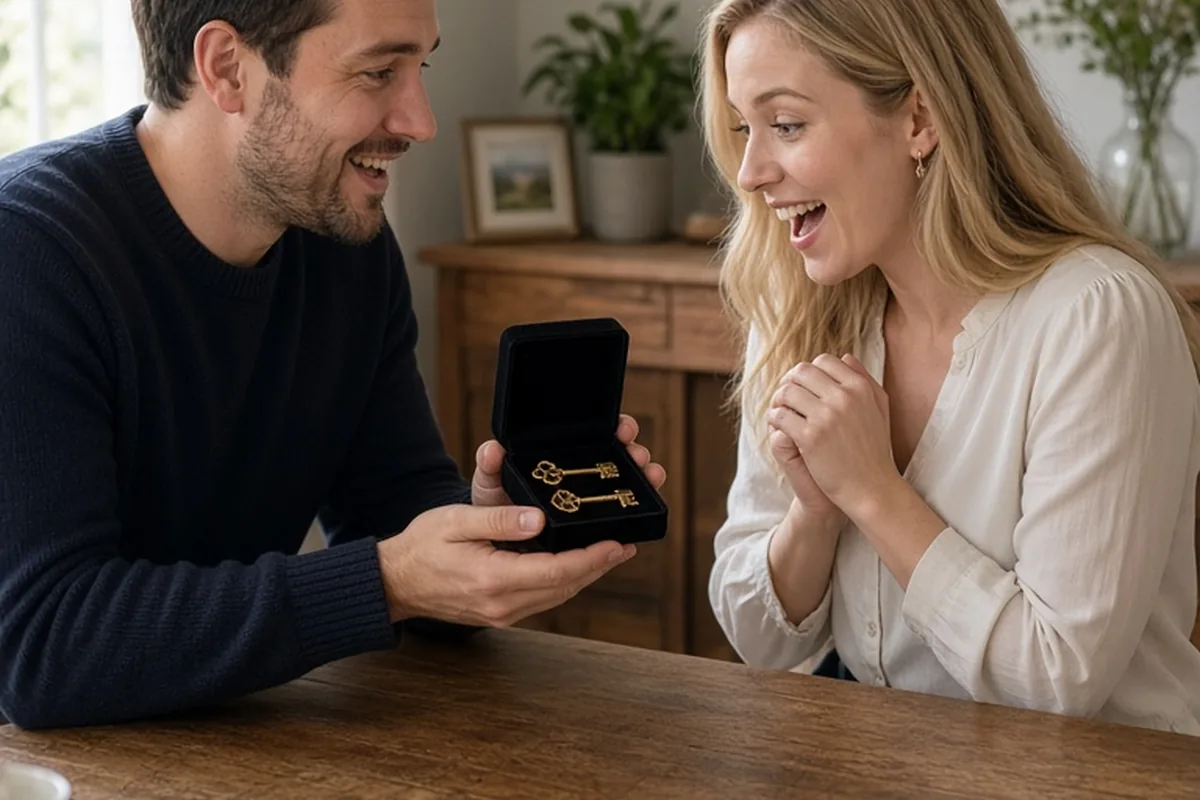
Engagement ring alternatives include colored gemstone bands, personalized fine jewelry such as lockets or cuff bracelets, sentimental keepsakes like custom artwork or rare books, experiential investments like a dedicated travel fund, and minimalist choices like silicone bands or matching tattoos. Selecting the right alternative depends on your partner's daily routine, personal style, and aesthetic preferences. Couples choose alternatives to prioritize practicality, sidestep traditional diamond conventions, or allocate their shared budget toward life experiences and future milestones.
Stepping away from a traditional diamond solitaire opens up a wide range of symbolic, functional, and deeply personal expressions of commitment that reflect who you are as a couple.
Colored Gemstone Rings, Eternity Bands, and Alternative Metal Settings
If you want the familiar gesture of presenting a ring box without the conventional diamond look, colored gemstones and distinct band silhouettes offer an immediate visual departure. Sapphires, rubies, moissanite, and emeralds bring rich color and distinct character to a setting. A sapphire, for example, is not limited to royal blue; it naturally occurs in peach, yellow, teal, lavender, and vibrant green. Moissanite provides exceptional fire and brilliance with near-diamond resilience, making it an appealing option for couples who like the look of a clear stone without the associated diamond sourcing or pricing structure. Eternity bands featuring baguette-cut stones, asymmetrical cluster arrangements, or hand-carved floral motifs also abandon the center-stone archetype in favor of balanced, sculptural low-profile wear.
When choosing non-traditional gemstones, durability must guide your selection. Fine jewelry intended for daily wear faces friction, water exposure, and inadvertent knocks against hard surfaces. Gemstones are rated on the Mohs hardness scale, where diamonds sit at a maximum of 10. Corundum minerals, which include sapphires and rubies, rate at a sturdy 9, making them resilient enough for continuous daily wear. In contrast, softer minerals such as opals, pearls, turquoise, and moonstones rank between 2.5 and 6.5. These fragile stones scratch easily, crack under blunt contact, and deteriorate when exposed to hand sanitizers or household cleaners. If your partner loves the aesthetic of softer stones, consider bezel settings that shield the edges with a protective rim of gold or platinum, or choose a design meant for occasional wear alongside a resilient daily wedding band.
Fine Jewelry Alternatives: Pendants, Cuff Bracelets, and Lockets
Many individuals simply dislike wearing rings on their fingers due to sensory preferences, swelling from temperature fluctuations, or occupational constraints. Shifting the proposal token to another category of fine jewelry preserves the ceremonial prestige of precious metals and gemstones while matching how your partner actually dresses. A substantial pendant necklace resting close to the collarbone remains visible and secure throughout the day. Custom lockets crafted in solid fourteen-karat or eighteen-karat gold can hold private engravings, miniature illustrations, or handwritten vows, delivering an intimate sentimental layer that standard rings cannot easily accommodate.
Cuff bracelets and fine chain bangles offer another elegant substitute. A solid gold cuff can feature internal hand-engraving, bezel-set birthstones representing meaningful dates, or a subtle brushed finish that complements professional attire. Necklaces and bracelets also avoid the sizing complications inherent in surprise ring shopping. While an incorrectly sized ring requires immediate visits to a bench jeweler for resizing—a process that can weaken pavé settings or patterned bands—a necklace with an adjustable slider chain or an open cuff fits comfortably straight out of the presentation box.
Practical Daily Alternatives for Healthcare, Trades, and Active Lifestyles
Certain professions and athletic pursuits make traditional rings downright hazardous or unhygienic. Healthcare workers who routinely don and remove latex gloves risk tearing protective barriers with raised prongs, while constant hand sanitizing dulls settings and traps moisture against the skin. Electricians, mechanics, rock climbers, and machinists face severe risks of ring avulsion or electrical conductivity when wearing rigid metal bands. For partners in these environments, an impractical luxury ring often spends eleven months of the year hidden inside a bedroom drawer rather than being enjoyed.
Presenting a practical alternative directly honors the reality of their daily routine. High-grade silicone bands, ceramic rings, or lightweight titanium and tantalum bands provide safe, low-maintenance options that withstand heavy friction and break away under extreme tension to prevent injury. Alternatively, you can propose with a dedicated ring keeper necklace—a specially engineered pendant chain that allows a metal ring to slide securely onto the clasp without unclasping the chain itself. This allows your partner to wear a ring safely around their neck during hospital shifts or workouts and move it to their finger during relaxed evenings and weekends.
Wearable Body Art and Custom Tattoos as Permanent Commitments
For couples drawn to indelible, non-material expressions of partnership, fine-line tattoo commitments have become a compelling alternative to manufactured goods. A ring-finger tattoo can take the form of an understated band, an initial, a Roman numeral date, or an interlocking botanical line that aligns with your partner's design sensibilities. Because it cannot be misplaced, stolen, or damaged during manual tasks, body art presents an uncompromisingly minimalist declaration of loyalty that never leaves the skin.
Choosing a tattoo as a proposal vehicle requires thoughtful execution, as you cannot tattoo someone's finger as an impromptu surprise. A thoughtful approach involves proposing with a beautifully framed, original piece of artwork drawn by a reputable tattoo artist, accompanied by a gift certificate funding the private studio session for both of you. It is also essential to weigh the physiological realities of hand tattoos before booking. The skin on the fingers experiences rapid cellular turnover and constant friction, which frequently causes pigment to fade, bleed, or drop out unevenly over several years. Discussing regular touch-ups with an experienced artist ensures realistic expectations about how hand ink ages.
Experiential Proposals: Funding Travel, Real Estate, or Shared Life Goals
A growing number of couples feel uncomfortable allocating thousands of dollars toward a small decorative luxury item when those funds could meaningfully accelerate their shared financial foundation. Directing your proposal budget toward a mutual life experience or milestone can feel far more resonant than purchasing fine jewelry. Whether you dream of a month-long trip through Japan, a down payment on your first home, or starting an independent business venture, investing directly in a shared life path grounds the proposal in intentional partnership.
To make an experiential proposal feel tangible in the moment, create a symbolic physical anchor rather than simply showing a bank transfer or airline booking confirmation. You might present a leather-bound travel journal filled with personal notes on every city you plan to visit, a vintage compass engraved with your destination's coordinates, or a set of custom brass keys presented inside a wooden keepsake box to symbolize your housing fund. This provides the emotional reveal of a physical unboxing while dedicating the primary capital toward experiences and stability that enrich your relationship.
Sentimental Keepsakes: Custom Artwork, Rare Books, and Passed-Down Heirlooms
If your partner is an avid reader, an art collector, or deeply devoted to family heritage, a non-jewelry physical artifact can carry immense emotional weight. A first edition of their favorite novel, an antique leather-bound poetry collection inscribed with your personal declaration, or an original oil painting commissioned from an independent artist captures personal care that generic retail stores cannot match. Presenting an object that honors their intellectual passions or creative interests demonstrates that you see and celebrate who they are as an individual.
Family heirlooms represent another poignant alternative that connects your future to meaningful lineage. Rather than purchasing a modern ring, you might present an antique pocket watch, a restored mid-century writing desk, a hand-stitched quilt passed down through generations, or a vintage jewelry box containing personal letters. When gifting an antique or heirloom, take the time to document its provenance. Pairing the object with an archival folder containing old family photographs, care instructions, and a handwritten account of its history transforms the heirloom into a treasured cornerstone for your new household.
How to Discover Your Partner's Preferences Without Ruining the Moment
Proposing with an alternative token carries one major risk: assuming your partner wants to break tradition when they secretly hoped for a classic solitaire ring, or vice versa. Social norms around weddings can create unspoken expectations. A partner might casually admire non-traditional aesthetics online yet still harbor a deep, quiet desire for a traditional diamond. Navigating this dynamic requires subtle investigation and open communication well before you make any non-refundable financial commitments.
You can gauge their authentic feelings by discussing other people's milestones or cultural trends. When a friend gets engaged, notice how your partner reacts to their announcement and ring style. You can say something straightforward like, 'I've noticed a lot of people are picking colored stones or skipping rings altogether for trips lately. What do you think about that?' Listen carefully to whether their reaction sounds theoretical or personal. If uncertainty remains, prioritize their genuine preference over the shock value of a total surprise. Planning a marriage is a joint endeavor; discussing the proposal token in advance—even while keeping the exact date, setting, and wording a secret—ensures that the gesture honors what they genuinely value.
Budgeting, Appraisals, and Care for Non-Traditional Proposals
Alternative proposal choices demand distinct logistical considerations that differ from conventional retail jewelry purchases. If you choose an alternative gemstone or a custom-designed pendant, obtain an itemized receipt and an independent gemological appraisal if the piece carries substantial monetary value. Insuring fine jewelry requires detailed documentation of metal purity, stone weight, and craftsmanship quality. Check with your renter's or homeowner's insurance carrier to see whether non-traditional items require a scheduled personal property rider, as standard policies often place low limits on jewelry theft or accidental loss.
For physical keepsakes, antiques, or custom artwork, factor conservation and maintenance into your overall plan. Fine oil paintings may require UV-protective framing glass, antique books require climate-controlled storage away from direct sunlight, and alternative metals like silver require periodic polishing to prevent oxidation. Clarifying the long-term care requirements before the proposal ensures that whatever token you choose remains in pristine condition for decades to come, serving as a lasting testament to the day you decided to build a life together.
Frequently asked questions
Can I still propose with a ring box if I am not buying a diamond ring?
Yes. Jewelers offer ring boxes designed to hold fine necklaces, stud earrings, gemstone bands, or custom keychains. Presenting your alternative inside a traditional presentation box preserves the familiar proposal reveal while revealing a personal, non-traditional gift inside.
What if my partner later decides they want a traditional ring?
It is completely normal for personal tastes and circumstances to evolve over time. Choosing an alternative now does not prevent you from selecting a traditional diamond band together later as an anniversary gift or wedding milestone when your budget or preferences change.
Are alternative gemstones durable enough to wear every day?
Stones that rate an 8.5 or higher on the Mohs hardness scale—such as moissanite, sapphire, and ruby—are resilient enough for daily wear. Softer stones like opals, pearls, and emeralds are prone to scratching or chipping and require protective settings or occasional wear.
How do I explain an alternative engagement token to family members?
Keep your explanation brief and focused on what makes your partner happy. A simple statement such as, 'We chose a piece that matches their daily lifestyle and personal style,' sets a confident tone and redirects attention to celebrating your commitment.
Your next step
Take note of your partner's everyday jewelry habits and tactile preferences this week, then start an open conversation about whether they envision a ring or an entirely different symbol for your engagement.