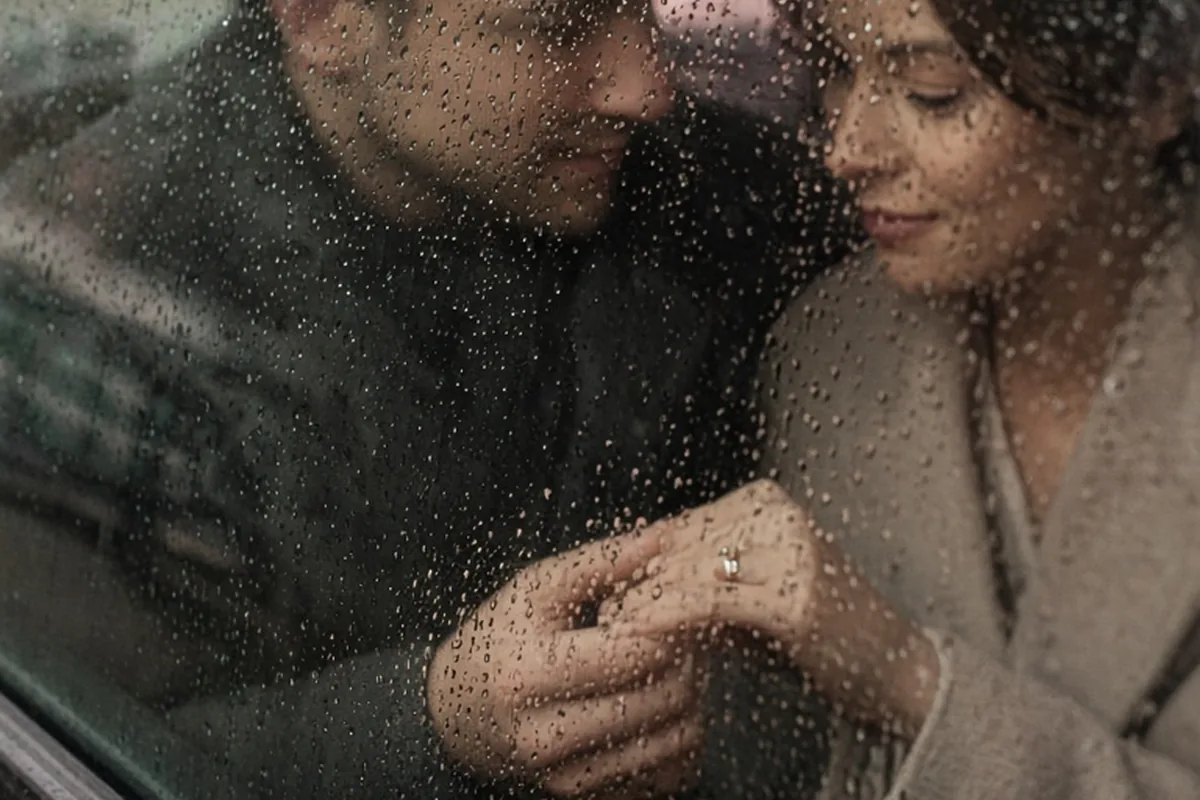
Choosing an engagement ring setting while hosting 200 guests requires balancing visual presence, daily durability, and overall budget allocation. Halo, bezel, cathedral, and six-prong solitaire settings offer high visual impact and structural security under event lighting and close-up crowd interactions. Selecting the right metal and mount profile ensures the center stone remains protected during active event hosting while keeping jewelry expenditures aligned with large-scale venue and catering commitments.
Navigating fine jewelry decisions alongside large-scale event logistics introduces unique trade-offs between design elegance, structural longevity, and financial prioritization.
Balancing Ring Setting Budgets Against a 200-Guest Wedding Baseline
Hosting a gathering of two hundred guests significantly shifts the overall financial architecture of an engagement and wedding timeline. In large-scale event planning, per-person catering costs, venue capacity requirements, rental inventory, and staffing fees consume a substantial portion of the total celebration fund. When couples allocate funds between fine jewelry and event production, understanding how mounting choices affect total ring expenditure becomes essential. The setting itself represents not only the precious metal weight and artisan labor but also dictates the visual size required of the center diamond or gemstone.
Opting for specific setting styles can create substantial visual presence without requiring an oversized center stone, directly easing the financial pressure of hosting two hundred people. For example, halo designs, cluster accents, and wide-band cathedral mountings maximize light return and surface spread across the finger, giving modest carat weights the visual weight of larger stones. Conversely, overspending on an elaborate custom setting while simultaneously committing to high-tier per-plate reception costs can strain cash reserves before vendor deposits come due. Setting a firm, isolated jewelry budget before signing venue contracts prevents compromises on either ring quality or guest experience.
Evaluating Engagement Ring Mountings for Large Event Visibility
When greeting hundreds of guests across a reception hall, an engagement ring interacts with varied lighting environments, wide-angle photography, and constant handheld greetings. Certain mounting profiles are engineered to capture ambient light and project brilliance across a room, making them stand out in ballrooms, outdoor tents, or dimly lit banquet spaces. Solitaire prongs elevate the center stone above the band, allowing maximum light to enter through the pavilion and reflect out through the crown. Four-prong styles maximize light transmission, while six-prong styles provide a rounder outline and superior perimeter defense against impacts.
Cathedral settings incorporate sweeping metal arches that rise toward the center basket, creating an architectural profile that holds its own in formal photography. The elevated shoulders of a cathedral mounting draw the eye upward, giving the ring substantial vertical presence during cake cuttings, toast photographs, and receiving line handshakes. Halo settings encircle the primary gem with a perimeter of micro-pavé diamonds, expanding the effective visual diameter of the ring head by several millimeters. For couples wanting maximum aesthetic impact across a crowded room without increasing stone carat weight, a well-proportioned halo or cathedral mount delivers immediate, noticeable radiance.
Prioritizing Structural Security and Prongs During High-Contact Hosting
Hosting two hundred attendees involves continuous physical activity, including greeting lines, hugs, handling heavy glassware, adjusting formal attire, and dancing. Delicate settings with exposed gemstone edges or ultra-thin wire prongs face increased risk of snagging on textured fabrics, lace overlays, or sequined evening wear. A setting that looks striking in a display case may prove vulnerable if its structural prongs are too fine to endure repetitive contact during a multi-hour celebration. Evaluating the mechanical security of the mounting ensures peace of mind from the engagement party straight through the wedding reception.
Bezel mountings provide the highest degree of security by wrapping a continuous collar of precious metal around the entire perimeter of the gemstone. This design prevents chipping, eliminates snagging on delicate bridal fabrics, and securely locks the stone into place regardless of physical contact. For those who prefer the openness of prong settings, selecting medium-gauge platinum or high-karat gold prongs with substantial tips provides the necessary structural resistance. Routine bench jeweler inspections prior to major multi-guest gatherings ensure that prongs remain properly aligned and tight against the gem facets.
Selecting Durable Precious Metals for Active Engagement and Wedding Wear
The underlying metal of an engagement ring setting determines its resistance to surface scratching, tensile deformation, and long-term wear patterns. Platinum is naturally dense and maintains its volume over time; when scratched, the metal displaces rather than wearing away, developing a soft satin patina that many collectors appreciate. Its hypoallergenic nature and natural white luster make it a reliable choice for individuals with sensitive skin who plan to wear their ring continuously through extended event schedules.
Gold alloys present distinct trade-offs in hardness, maintenance requirements, and warm aesthetic tones. Fourteen-karat gold contains a higher percentage of hardening alloys than eighteen-karat gold, providing greater scratch resistance and structural rigidity against accidental impacts during busy reception activities. White gold requires occasional rhodium plating to maintain its crisp, cool sheen over years of wear, while yellow gold and rose gold offer rich, permanent color profiles that do not require replating. Matching the setting metal to the wearer's daily lifestyle and expected wedding band pairing avoids premature metal wear caused by friction between mismatched hardness levels.
Comfort, Band Width, and Low-Profile Settings for Long Reception Days
A full-day event with two hundred guests demands prolonged physical endurance, making ring ergonomics an essential consideration. High-set prong rings, while dramatic, tend to catch on pockets, tabletop linens, and floral arrangements, and can tilt uncomfortably on the finger if the center stone is heavy. Low-profile mountings position the gem closer to the finger surface, distributing center-of-gravity weight evenly and reducing rotational slipping during continuous hand movement.
Band width and interior contour also dictate all-day wearability. Comfort-fit bands feature a slightly domed interior surface that slides easily over knuckles and reduces skin friction during temperature fluctuations common in crowded indoor venues. Bands between two and three millimeters in width offer an ideal balance of structural durability, comfortable skin contact, and proportional harmony with medium-to-large center stones. Selecting a ring with smooth, flush-set accents rather than abrasive beadwork guarantees comfort through hours of congratulations and high-energy social engagement.
Coordinating the Ring Aesthetic with Large-Scale Celebration Styling
The aesthetic theme of an engagement ring setting often serves as a foundational anchor for broader wedding design choices, bridal party accessories, and photography styling. Vintage-inspired settings featuring milgrain borders, filigree detailing, and Edwardian motifs pair seamlessly with classic ballroom architecture, formal black-tie dress codes, and traditional floral arrangements suitable for large guest counts. The intricate hand-engraved metalwork provides rich macro-detail in ring-box portraits and close-up ceremony imagery.
Modern minimalist settings, such as flush-set solitaire bands or geometric east-west mountings, align naturally with contemporary urban spaces, industrial loft venues, and clean architectural decor. When planning decor and photography shot lists for two hundred guests, coordinating the metal finishes across the engagement ring, wedding bands, cufflinks, and hairpieces creates a unified visual narrative. Selecting a setting that reflects the wearer's authentic personal style ensures the ring remains timeless long after the wedding reception concludes.
Protecting Fine Jewelry with Appraisal, Sizing, and Event Insurance
Before wearing an engagement ring to high-attendance social gatherings, securing comprehensive jewelry insurance and verified documentation is critical. In bustling event environments with hundreds of attendees, waitstaff, and vendor teams moving through shared spaces, rings can be accidentally misplaced in dressing suites or damaged on hard flooring. Standard homeowners or renters policies often impose strict sub-limits on unscheduled jewelry; obtaining a standalone personal articles floater provides worldwide coverage against accidental damage, theft, and mysterious disappearance without deductible surprises.
Obtaining an independent appraisal from a certified gemologist establishes the official replacement value based on current metal and diamond market dynamics. Ensuring proper ring sizing prior to the event is equally vital, as finger circumference fluctuates with heat, hydration, and stress. A ring that fits too loosely risks sliding off during hand-drying in venue restrooms or active dancing. Adding discreet sizing beads or having the ring professionally resized two weeks before major wedding activities guarantees a snug, secure fit throughout every stage of the celebration.
Frequently asked questions
Which engagement ring setting offers the most protection during busy wedding activities?
Bezel and flush mountings provide the highest protection because metal fully or partially surrounds the gem perimeter, shielding edges from impact and preventing snags on formal clothing. Six-prong solitaires and low-profile cathedral settings also offer exceptional structural security while retaining classic light transmission.
How do different settings affect the perceived size of a diamond in crowd photos?
Halo settings and cluster mountings create the largest visual footprint by surrounding the center stone with accent diamonds, expanding the ring's diameter across the finger. Raised cathedral and pavé band settings also direct optical attention to the center gem, enhancing perceived size in both wide and macro photographs.
Should the engagement ring setting match the wedding band metal exactly?
Matching the metal alloy and karat weight is highly recommended to prevent unequal friction wear over time. If a harder metal like platinum rubs against a softer metal like fourteen-karat gold, the softer band will gradually erode along the contact edge.
When should an engagement ring be sized and insured before a large celebration?
Complete sizing adjustments and secure an independent appraisal at least three to four weeks before major events. This timeline allows your insurance provider to activate coverage and gives you time to verify that the ring fits comfortably under everyday conditions.
Your next step
Schedule a professional ring sizing and prong inspection with a local bench jeweler, then add the appraised piece to a dedicated jewelry insurance policy before your next major gathering.