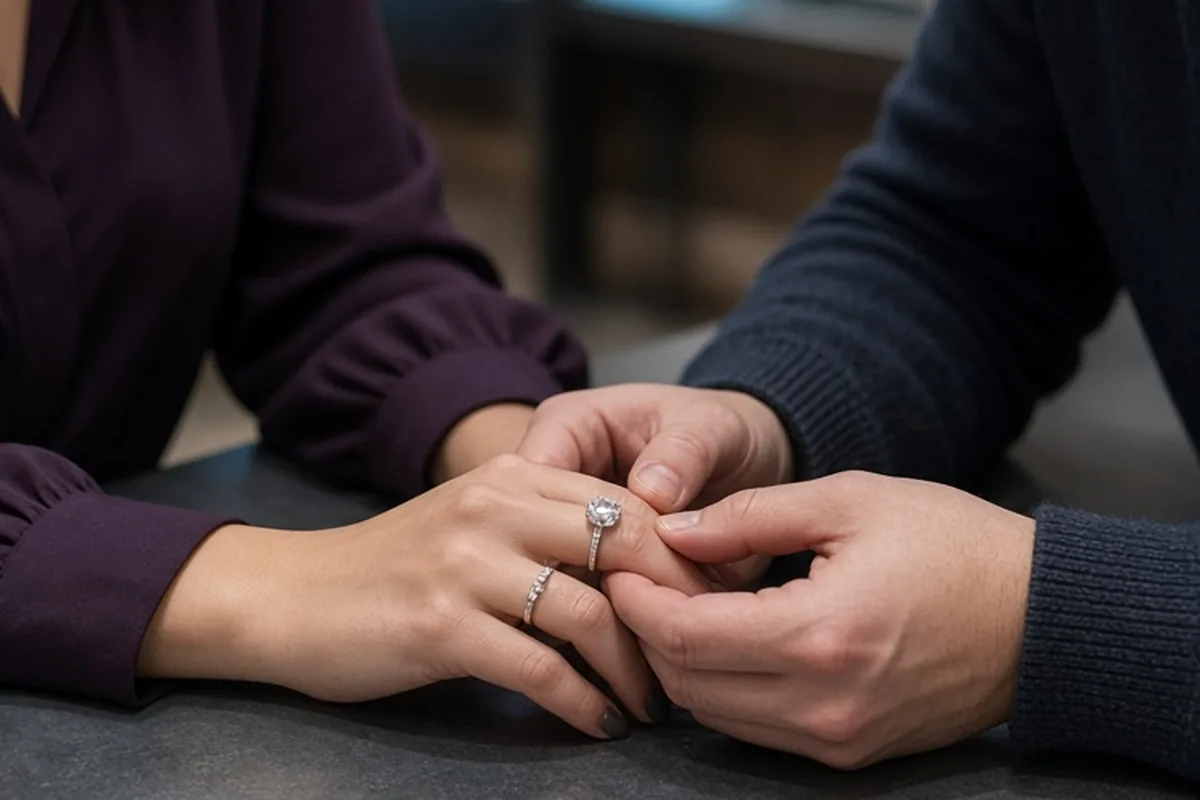
Hidden costs in engagement ring settings typically arise from outside gemstone setting labor fees, custom head modifications for non-round diamonds, metal surcharges for larger ring sizes, and complex resizing restrictions. After purchase, ongoing expenses include regular rhodium replating for white gold, micro-pavé accent stone replacement, prong retipping, custom curved wedding band pairing, and independent insurance appraisal fees that are rarely included in the initial mounting price tag.
Purchasing an engagement ring involves balancing the aesthetics of a center stone with the structural framework that secures it. While shoppers often dedicate the vast majority of their budget to diamond grading criteria, the mounting itself carries technical labor requirements and ongoing maintenance needs that can materially alter the final invoice. Understanding where jewelers apply auxiliary fees and how specific design choices generate long-term maintenance costs allows you to plan your complete investment accurately.
Setting Fees and Labor Surcharges for Outside Gemstones
A common surprise for buyers occurs when purchasing a loose center diamond from an online wholesaler or using a family heirloom stone while buying the mounting separately from a local jeweler or design boutique. Retail jewelers operate with distinct pricing tiers for stones purchased in-house versus outside gemstones. When you bring an outside stone to a jeweler, they routinely charge a standalone setting fee based on the carat weight, shape, and value of the gem. This fee compensates the bench jeweler for the delicate labor of cutting seats into metal prongs and securing the stone without damaging the girdle.
Beyond base bench labor, many jewelers charge an outside stone handling fee or require you to sign a liability waiver. Setting a diamond or colored gemstone carries an inherent mechanical risk of chipping or cracking under pressure. When the jeweler does not sell you the stone at a retail markup, they must offset the insurance and liability risks associated with handling an expensive outside asset. Some luxury design houses refuse to set outside stones entirely or mandate a complete custom-designed head fabrication, turning what looked like a straightforward mounting purchase into a multi-tiered labor contract.
Metal Alloy Surcharges, Non-Standard Ring Sizes, and Casting Complexities
The base prices listed on jeweler display cases and digital storefronts almost universally represent stock sample sizes, typically a standard US size 6 or 6.5 for women. If your partner requires a significantly smaller or larger size, the setting price can shift noticeably. Sizing up requires the jeweler to splice additional precious metal into the bottom of the shank, while extreme size variances necessitate casting a brand-new custom ring from scratch to preserve structural symmetry and stone alignment. This triggers additional metal commodity costs and mold setup fees.
The choice of metal alloy also magnifies sizing and fabrication expenses. Platinum is considerably denser than gold alloys, requiring greater raw material weight for an identical physical volume, alongside higher melting temperatures and specialized bench tools. Consequently, custom casting, sizing up, or modifying platinum settings commands significantly higher labor rates than working with yellow or rose gold. Conversely, ordering a ring in an ultra-hard alternative metal or choosing an intricate filigree shank may eliminate traditional sizing entirely, forcing an expensive remount if the finger size fluctuates over time.
Diamond Shape Adaptations and Custom Head Fabrication
Stock engagement ring mountings, known in the trade as semi-mounts, are mass-manufactured with standard four-prong or six-prong heads calibrated for standard round brilliant cuts of round millimeter diameters. If you select a fancy-shaped diamond—such as an elongated oval, emerald cut, pear, marquise, or radiant cut—the standard round head rarely provides adequate support or aesthetic alignment. Jewelers must swap the stock head for a specialized component or construct custom V-prongs to protect fragile pointed tips.
These structural modifications introduce hidden charges for both parts and custom bench assembly. When a fancy stone has unique proportions, such as an unusually deep pavilion or an irregular length-to-width ratio, pre-fabricated commercial heads will not seat the diamond correctly. The jeweler must then use computer-aided design (CAD) software to engineer a custom gallery basket, print a 3D wax model, and cast a one-off setting. These digital design and custom casting fees can add hundreds of dollars to the final mounting bill before the stone is even set.
Pavé Melee Loss, Prong Retipping, and Long-Term Structural Upkeep
Intricate decorative settings featuring micro-pavé bands, hidden diamond collars, and halo frames deliver striking brilliance, but they come with recurring maintenance costs. Micro-pavé relies on minuscule beads of metal pushed over tiny accent diamonds (melee) under a microscope. Everyday physical contact, gripping steering wheels, friction against hard surfaces, and natural structural flexing of the ring band loosen these tiny prongs over time, leading to lost accent stones that require periodic professional replacement.
In addition to replacing lost melee stones, all mechanical settings experience metal erosion. Prongs that hold both accent stones and the center gem slowly wear flat through daily friction against clothing and skin. Maintaining the structural safety of the ring requires professional prong retipping every several years, where a jeweler adds new metal via laser welding or torch soldering to reinforce the grip on each gem. Buyers who choose complex multi-stone mountings should anticipate these recurring bench maintenance fees throughout the lifetime of the ring.
White Gold Rhodium Dip Cycles versus Platinum Surface Care
White gold does not exist naturally in a pure white state; it is an alloy of yellow gold blended with white metals like nickel, palladium, or silver, finished with a microscopic electroplated layer of rhodium to achieve a bright, reflective chrome finish. Through daily wear, exposure to skin oils, hand sanitizers, and household cleaners, this thin plating wears off. Within twelve to twenty-four months, areas experiencing high friction—especially the underside of the shank—will reveal a warm, yellowish undertone.
Restoring the original finish requires a multi-step professional process of cleaning, polishing away surface scratches, and electroplating the ring in a rhodium bath. Over decades of ownership, these periodic replating treatments accumulate significant cumulative costs. While opting for platinum eliminates the need for rhodium electroplating, platinum requires professional mechanical buffing if the owner prefers a high-gloss finish over the natural satin-like patina that develops on the metal surface over time.
Wedding Band Flush-Fit Interference and Custom Contour Adjustments
Shoppers frequently evaluate engagement ring settings in isolation, failing to consider how the mounting will interact with a future wedding band. Settings with low-set center baskets, broad halo frames, or wide decorative profiles often prevent a traditional, straight wedding band from sitting flush against the engagement ring. The protruding base of the engagement setting creates an awkward physical gap between the two rings, which can cause excessive friction wear between the adjoining metal shanks.
Resolving this geometric conflict usually requires one of two costly workarounds. The buyer must either commission a custom contoured or notched wedding band designed to curve around the protruding basket of the engagement ring, or pay a bench jeweler to redesign and raise the center basket of the engagement ring to allow a straight band to slide underneath. Custom-curved bands carry design and manufacturing premiums, and they often look unbalanced if worn alone without the engagement ring, limiting future styling versatility.
Insurance Replacement Appraisals and Specialized Rider Premiums
Securing jewelry insurance requires a detailed independent appraisal that verifies the metal purity, gram weight, diamond grading specifications, and current retail replacement value of the complete ring. While some retailers provide a free in-house document at the point of sale, these retail receipts often carry inflated estimates or lack the gemological detail required by strict insurance underwriters. Procuring a formal appraisal from a certified independent gemologist carries a standalone fee based on an hourly rate or per-item flat charge.
Furthermore, the complexity of your setting directly influences your ongoing annual insurance premiums. Rings featuring high melee counts, tension settings, or fragile exposed girdles carry a higher statistical likelihood of stone loss and repair claims. Insurance providers often require periodic scheduled inspections by an authorized jeweler to keep replacement coverage active for lost accent stones. Failing to document these routine inspections can lead to denied claims if a stone falls out of an aging prong assembly.
Illustrative Scenarios
Illustrative Scenario: The Heirloom Diamond Semi-Mount Surprise
A buyer received a 1.25-carat family heirloom diamond and selected a stock white gold micro-pavé setting listed online for an attractive catalog price. Upon taking the stone to a local jeweler to assemble the ring, the buyer encountered several unanticipated line items: an outside stone setting fee, a head replacement fee because the heirloom diamond was a deep cushion cut rather than a standard round, and a metal surcharge to resize the sample ring from a size 6 to an 8.5. Within eighteen months of daily wear, two micro-pavé melee diamonds fell out, requiring replacement stones and a full rhodium replating treatment.
Key point: Catalog prices for ring mountings rarely reflect final out-of-pocket costs when combining separate components. Budgeting must account for outside labor, non-standard shape adaptations, finger sizing adjustments, and scheduled post-purchase maintenance.
Frequently asked questions
How much does a jeweler typically charge to set an outside diamond?
Setting fees vary based on the stone's carat weight, shape complexity, and local market labor rates. Most jewelers charge either a tiered fee based on carat size or an hourly bench fee, alongside potential handling fees to account for liability risks when working with customer-supplied gemstones.
Why does resizing a pavé or eternity band cost more than a plain band?
Pavé and eternity settings have gemstones set around the circumference, meaning compressing or stretching the metal alters the diameter of the stone seats and loosens the tiny prongs holding each diamond. Significant resizing often requires cutting out sections, rebuilding stone seats, or recasting the entire ring to prevent stones from popping out.
Is rhodium replating included in standard jewelry warranties?
Coverage depends entirely on the retailer's specific warranty terms. Some major jewelry chains include lifetime cleaning, inspections, and complimentary rhodium replating in their care packages, whereas independent boutiques and online sellers typically treat replating as an out-of-pocket maintenance service.
Can I avoid setting modification fees by choosing a standard round diamond?
Choosing a standard round brilliant diamond matching the exact millimeter specifications of a stock semi-mount minimizes custom fabrication fees. However, you may still encounter labor fees for setting outside stones, finger sizing adjustments, and future maintenance costs depending on the overall setting complexity.
Your next step
Request an itemized written quote that details outside stone setting fees, head customization, sizing adjustments, and warranty terms for melee replacement before finalizing your setting purchase.